
This post was originally published on this site.
Reading and Leeds Festival unveils major overhaul, but will it draw in a new crowd?
-
Published
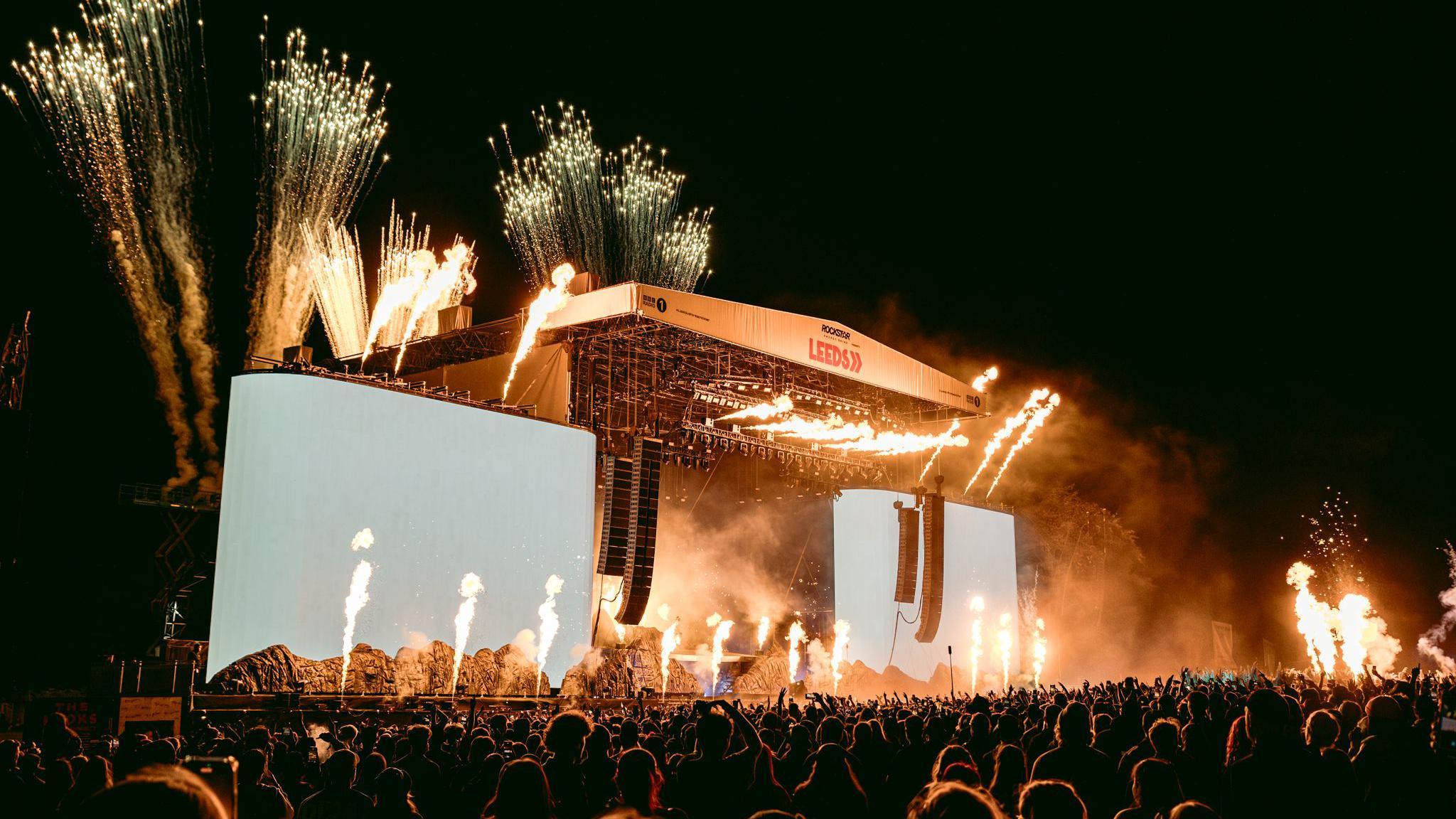
Reading and Leeds Festival is unveiling what organisers say is the “biggest staging and arena overhaul” in its history this weekend.
Changes include revamping the look of some major stages, while other spaces, such as a campsite for over-21s, are being introduced for the first time.
Organisers Festival Republic say this will take the festival “firmly into its next evolution”.
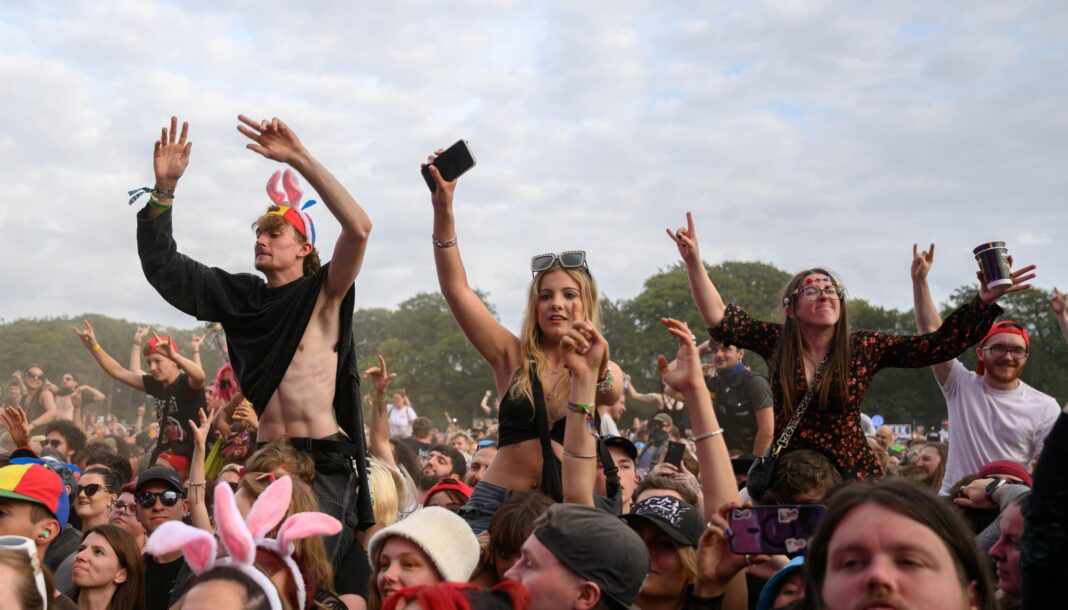
BBC Newsbeat has spoken with festival-goers and an artist to see whether they feel this shake-up will attract a wider demographic, as some say it has developed an image of attracting a younger crowd, putting off some older music fans.
It will also be the first time in 25 years that all headliners at the sister festivals are exclusively British and Irish acts, organisers say.
But others have questioned if some changes, particularly to stages dedicated to lesser-known acts, will still offer the same opportunities for up-and-coming artists from an array of backgrounds.
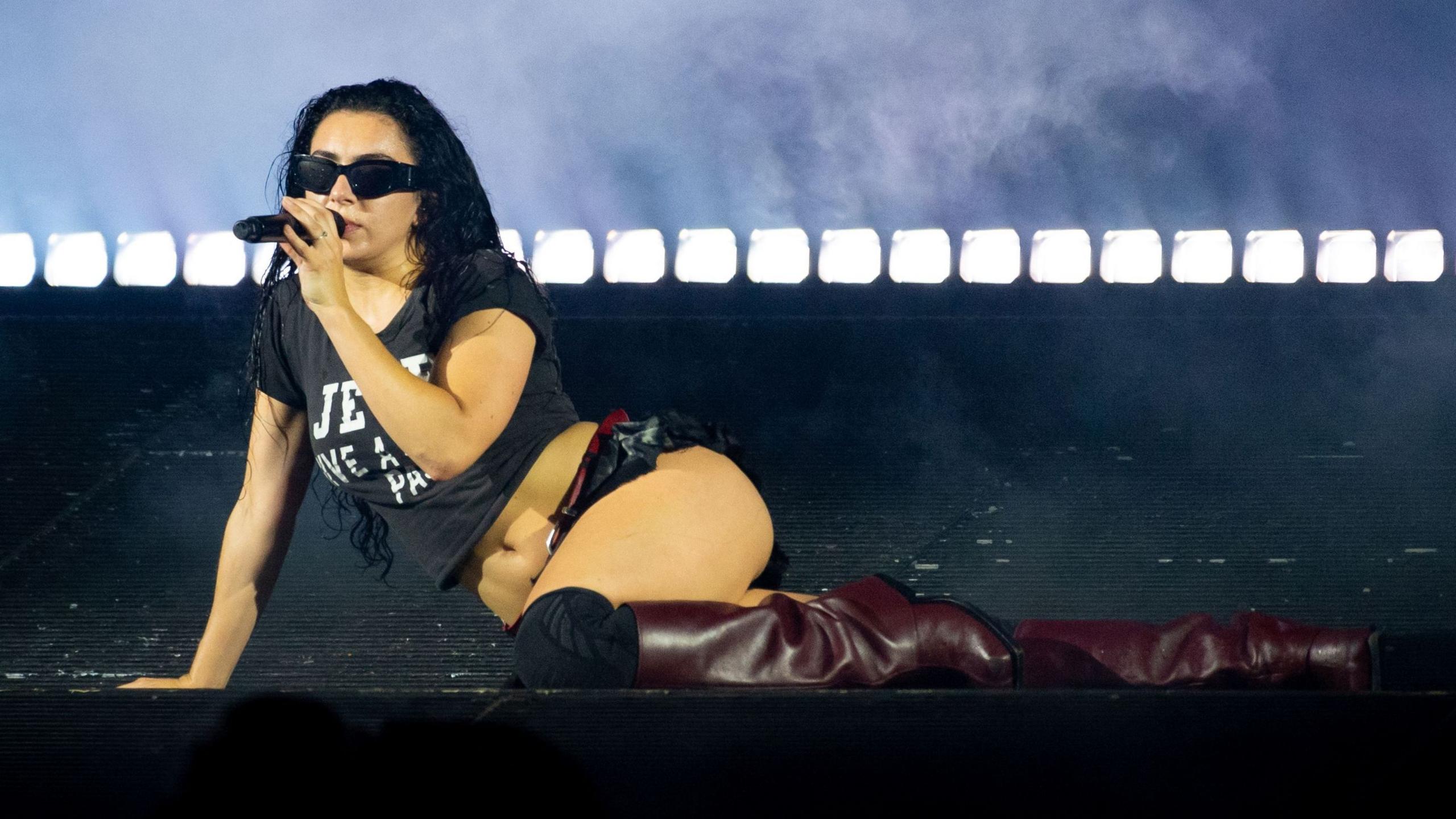 Image source, Getty Images
“None of my friends wanted to go [this year] because of the fact that there’s so many 16 to 18-year-olds,” Reggie Tanner says.
“They’d rather go to another festival where the demographic’s a bit older.”
The 20-year-old attended Reading Festival when he was age 16 and 17 as he says it was a “massive trend” which died down when he turned 18.
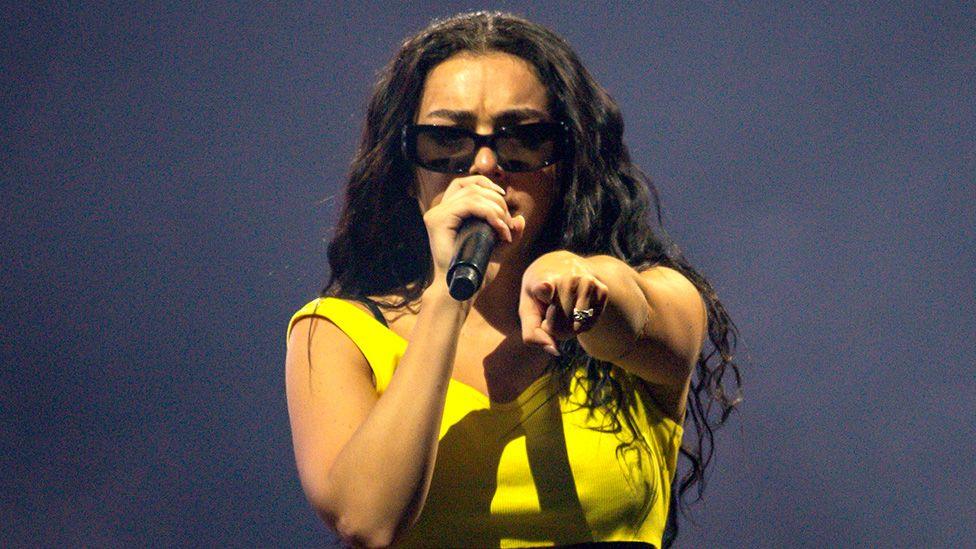
He’s going again this year, mainly to catch Charli XCX, one of the six main stage headliners across the weekend.
Rapper Dave, singer-songwriter Raye, Irish rock band Fontaines DC, electronic duo Chase & Status and band Florence + The Machine are also topping the bill.
Tanner feels the diversity of the line-up and the addition of a new campsite for over-21s this year will “entice a lot of people from different age groups”.
BBC Newsbeat understands there’s been high demand for the new campsite and a dedicated “quiet zone”, introduced in previous years but rebranded in 2026 as “The Oasis”.
Tanner advises others who want to go but are worried about the perceptions around its demographic to “just do it”.
“I think maybe you might feel a bit older, but that’s just life,” he adds.
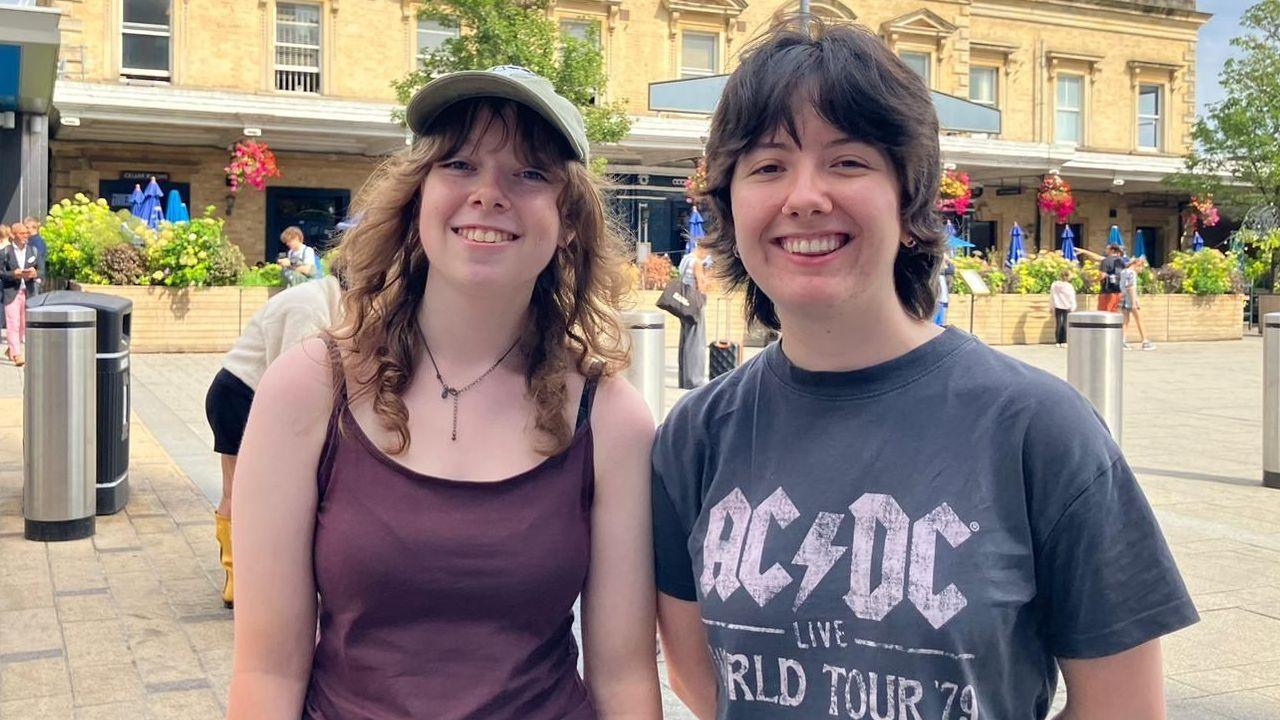
Sasha Baylors and Ciara Hornsey, both 19, feel the stereotype that the festival attracts a younger crowd is “fair” but they “don’t think that’s a bad thing”.
“It’s very important to have places for young people to go to listen to music and discover new artists,” says Hornsey, who is heading back to Reading Festival after attending last year.
Baylors, who last went when she was 17, says it is “not as rowdy as people say it is, it’s not like some battle zone or anything”.
College student Zara Hawkins, 17, agrees attending feels like a rite of passage for teenagers in the UK, and she is “really excited” for her first time at Leeds Festival.
She feels the dual sites make Reading and Leeds one of the more accessible festivals for younger music fans, who can head to whichever event is closest, and day tickets are available if you don’t want to camp.
Hawkins plans to attend with a large friend group from her college, and says this will make her feel safer as “everyone does look after each other”.
However, she feels the revamp and spread of acts across a host of genres will “attract a lot more people” this year.
In addition to the headliners, this year’s line-up includes grime artist Skepta, pop singer Jade, Irish rap trio Kneecap, BBC Radio 1’s Sound of 2026 winner Skye Newman and US rock band Geese.
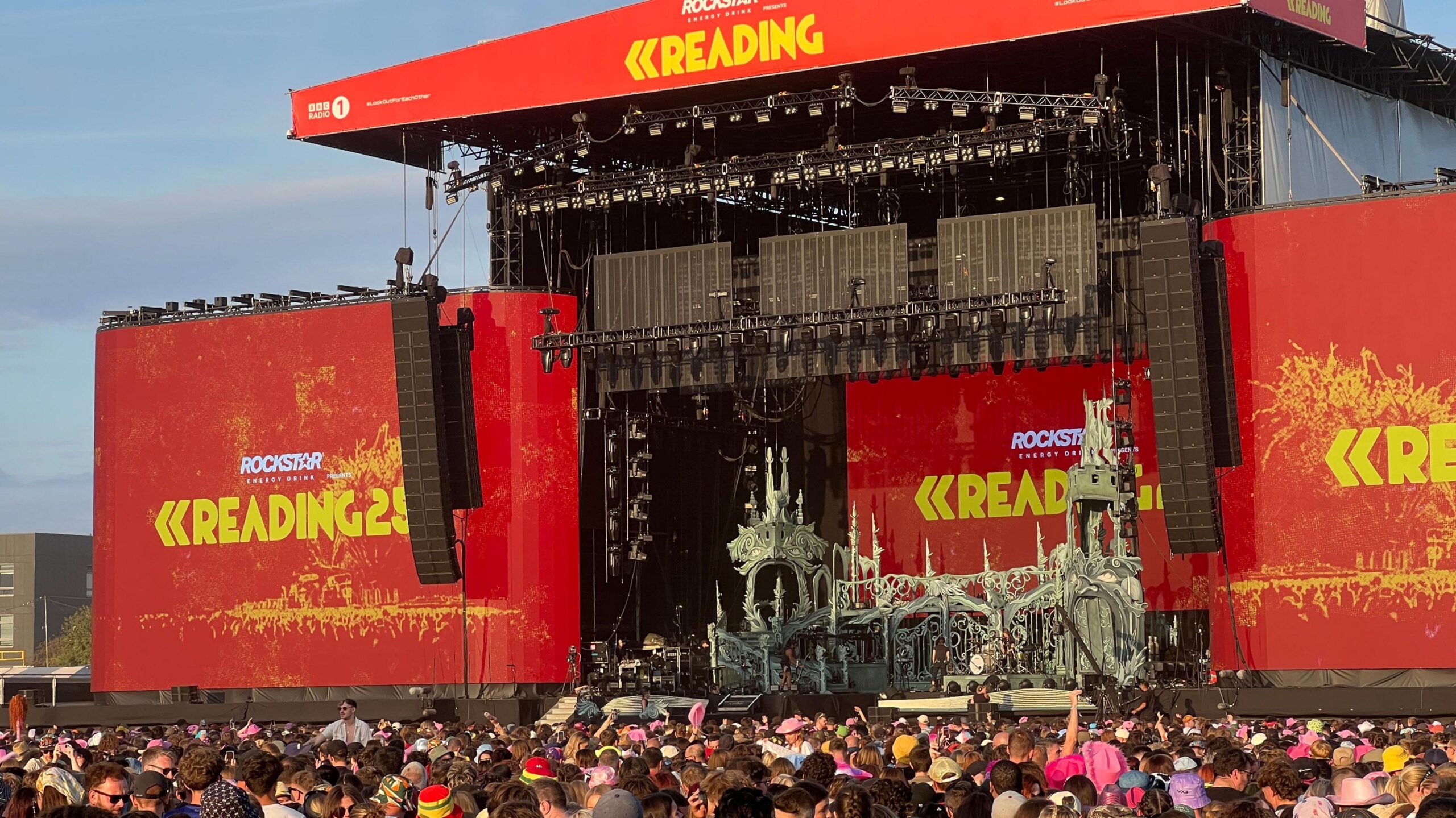
As part of the staging shake-up, the main stage will now be called The Grid and mock-up images show a large walkway extending into the crowd.
Other new stages, such as “undercover immersive stage” The Gallery and “purpose-built” dance music area The Warehouse, claim to offer more of an experience than the traditional festival tent.
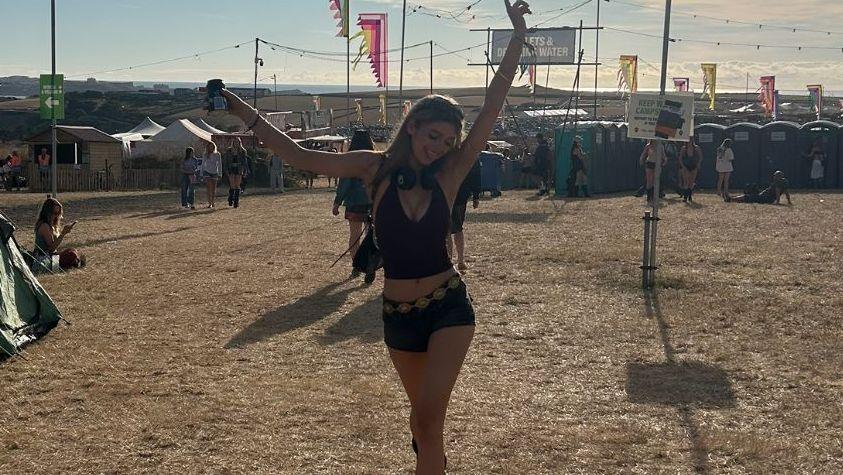 Image source, Handout
‘Nepo Fest’
As part of the overhaul, the BBC Introducing stage, dedicated to highlighting new artists, has been axed.
Organisers say its replacement, The Canopy, will still host emerging musicians and “usher in a new chapter for new music”.
But the line-up, which features the children of several high-profile celebrities, has led some people to nickname it “the nepo baby stage”.
Among them is Cruz Beckham, the son of David and Victoria Beckham; Violet Grohl, daughter of Foo Fighters’ Dave Grohl; Gene Gallagher, who fronts rock band Villanelle and is the son of Oasis’ Liam Gallagher; and Moses Martin, the son of Chris Martin and Gwyneth Paltrow and lead singer of People I’ve Met.
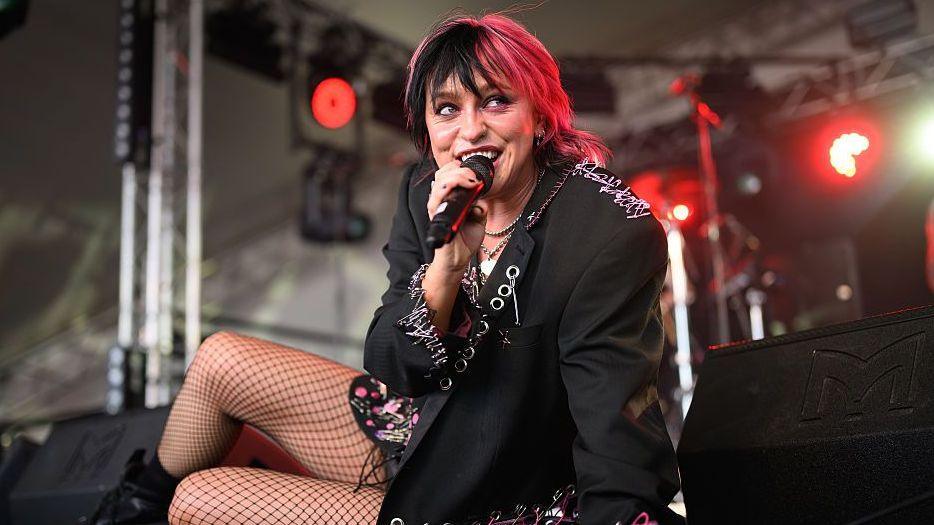 Image source, Getty Images
Singer-songwriter Beth McCarthy tells Newsbeat she is “fuming” at the BBC Introducing stage being scrapped as she feels it is “such a foundation point of all festivals”.
The 29-year-old is performing on the main stage at Reading and Leeds Festival this year, but last year she made her debut at Glastonbury Festival through the BBC Introducing stage.
“It’s difficult to make your way into the festival circuit as an up-and-coming artist, particularly if you don’t have a team around you yet or you’re still building a fan base,” she says.
“BBC Introducing was always the one way in for artists that weren’t already established.”
A Festival Republic spokesperson says they are “proud” of the work they’ve done with BBC Introducing over the years in “championing new British talent”, but that the new stage will give them the “opportunity to showcase a broader range of new artists”.
“We’ve also invested in a bigger stage, stronger production and an even better experience for both artists and festival-goers,” they added.

-
-
Published1 December 2025
-
-
-
Published21 July

-
-
-
Published1 day ago
-
-
-
Published21 hours ago
-