
Call for £375k elected mayor referendum rejected
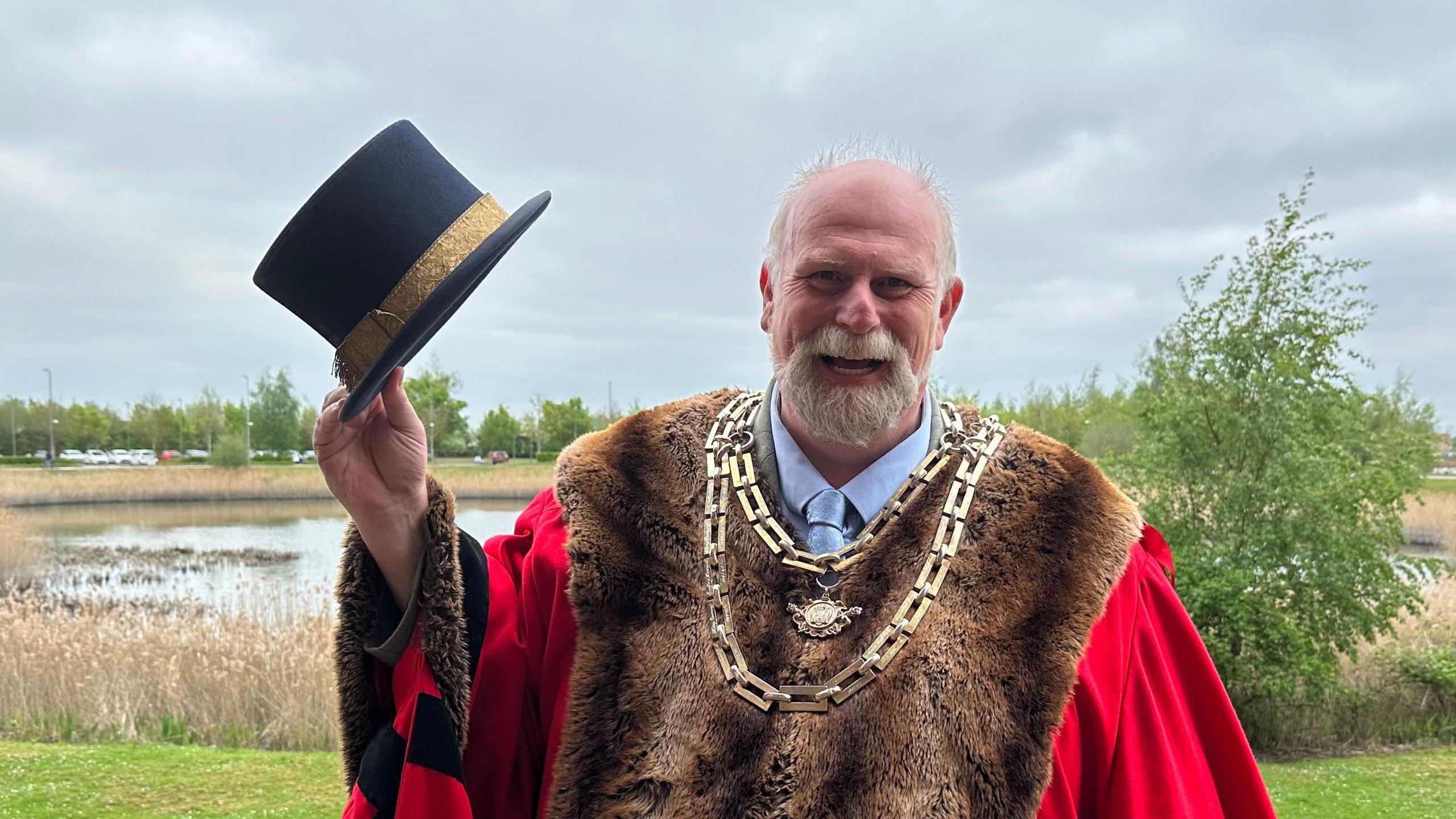 Image source, Kimberley Piper/BBC
-
Published
An attempt to force a referendum on whether an elected mayor should be abolished has failed.
Councillors in Bedford rejected a Labour motion to let residents decide the future of the role.
They were told a referendum would cost £375,000 to organise.
Opponents of the elected mayor system said the poll could still happen if enough residents signed a petition.
Bedford has had an elected mayor since 2002, when residents voted in favour of the move in a referendum.
The leader of the Labour group, Abu Sultan, told a meeting of the full council on Wednesday that, after more than 20 years, it was time to give the people a chance to vote again.
Sultan added that the motion was “not about settling a political score with any particular person”.
No confidence vote
Carl Meader (Labour, Kempston South) said abolishing the role would save money and the referendum would give people under 40 their first chance to vote on the issue.
Others said it was difficult to remove a serving mayor and noted the current incumbent had remained in post, despite a vote of no confidence in his leadership.
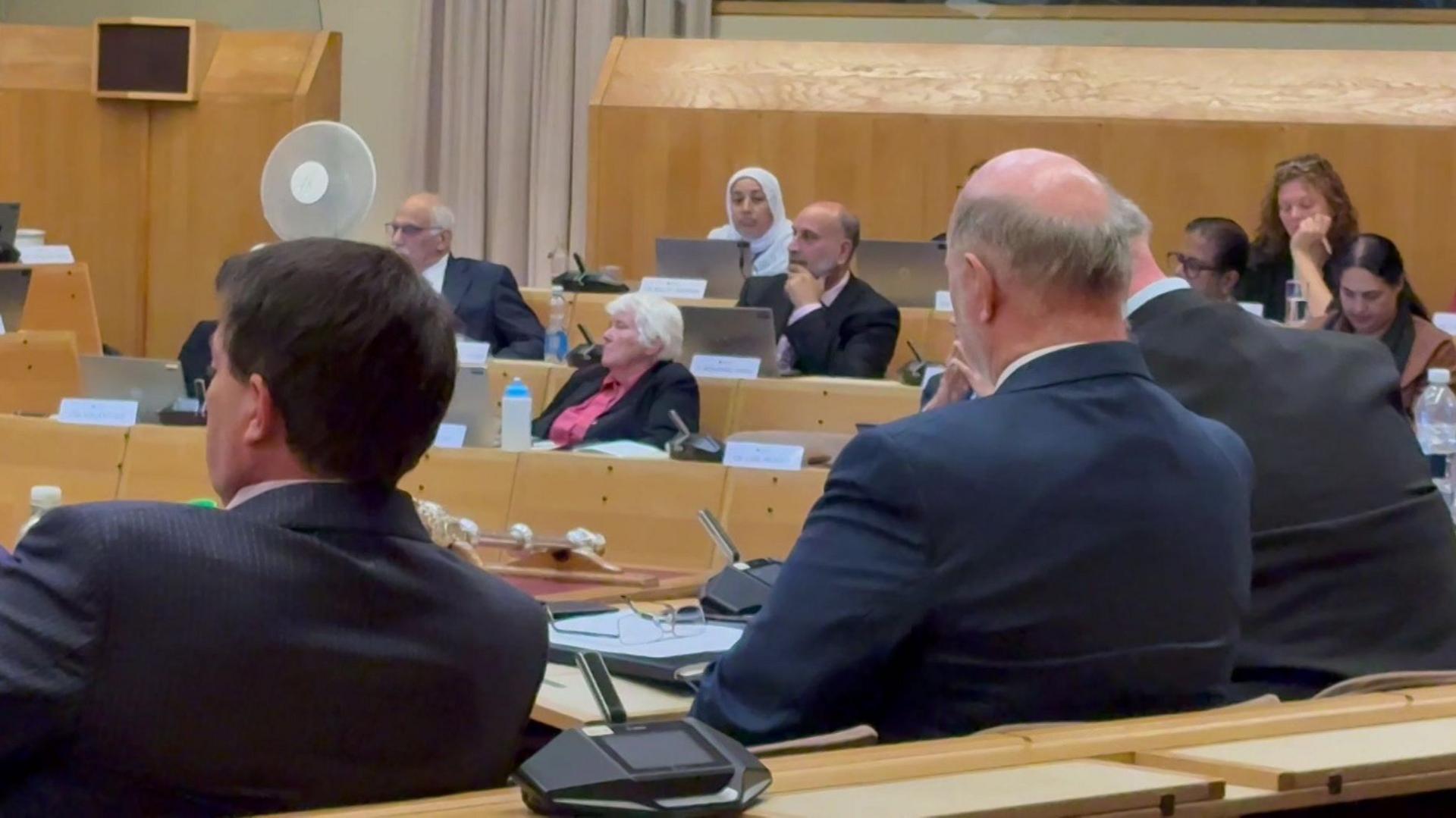 Image source, Martin Heath/BBC
Opponents questioned whether spending £375,000 on a referendum was a valid use of the council’s money.
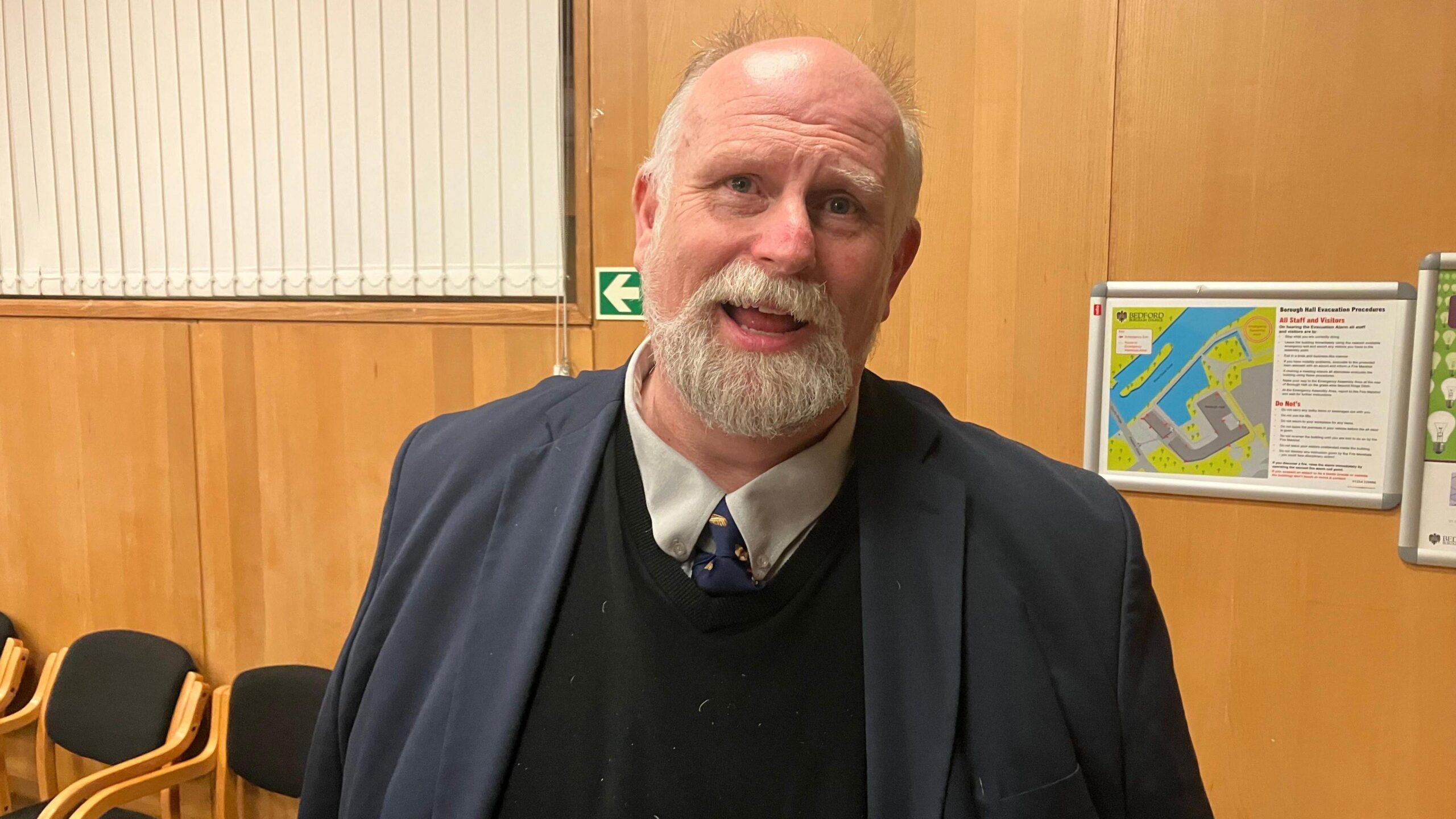
The current mayor, Tom Wootton (Conservative, Wyboston), told the meeting he had not seen “Bedford residents marching through the streets demanding a referendum”.
Christine McHugh (Liberal Democrat, Goldington) said she had originally campaigned against having an elected mayor but “found, to my surprise, that the public seemed to like the system as there was a clearly identifiable, responsible individual, and the buck stopped there”.
Labour has 12 seats on the council, while the Conservatives have 14 and the Liberal Democrats have 13.
The Green Party has four.
When it came to the vote, 16 councillors voted for a referendum while 24 opposed it.
The Liberal Democrat leader, Henry Vann, said: “The vote in the end wasn’t even close at 24 to 16.
“So, frankly, we now need to all, as councillors of all parties, actually get down to the job of protecting services and sorting out the financial crisis at Borough Hall.”
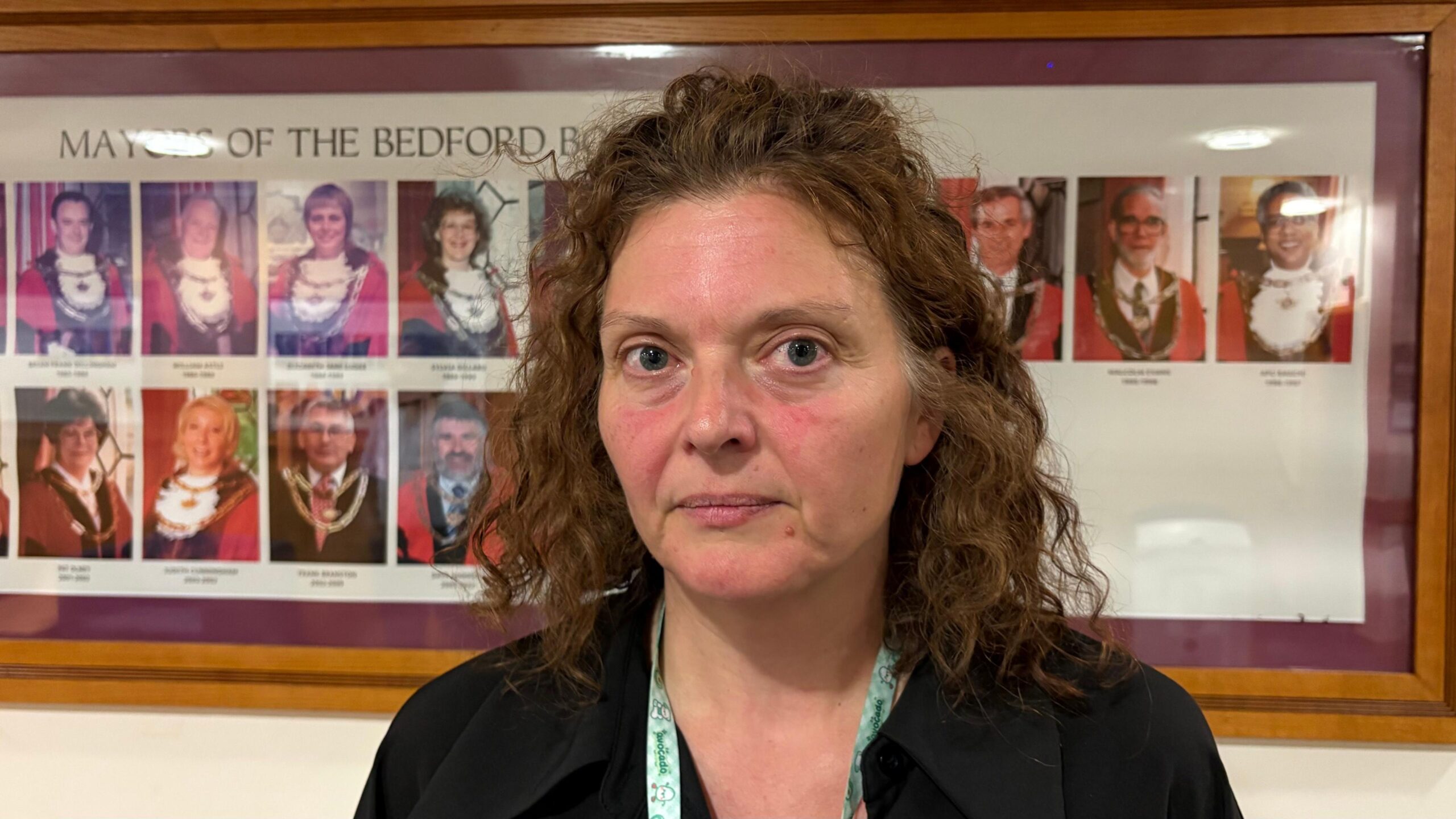 Image source, Martin Heath/BBC
Zara Layne (Labour, Harpur) said: “I think it was a shame that residents aren’t going to get a chance to have their voice heard on a matter that we believe as a Labour group is really important.”
If a referendum had been successful and the post of mayor had been abolished, it is likely that the council would have adopted a strong leader model.
The full council would have elected a leader who would then select a cabinet.
One advantage of that system would be the ability of the full council to remove a leader, something that councils cannot do with an elected mayor.
But opponents argue that a strong leader system puts too much power in the hands of one person who residents had no say in appointing.
Do you have a story suggestion for Beds, Herts or Bucks? Contact us below.
Get in touch
Your Voice
Follow Beds, Herts and Bucks news on BBC Sounds, Facebook, external, Instagram, external and X, external.
-
-
Published4 July
-
-
-
Published19 February
-
-
-
Published3 February
-