
AI boom could trigger market shocks, Bank of England boss warns
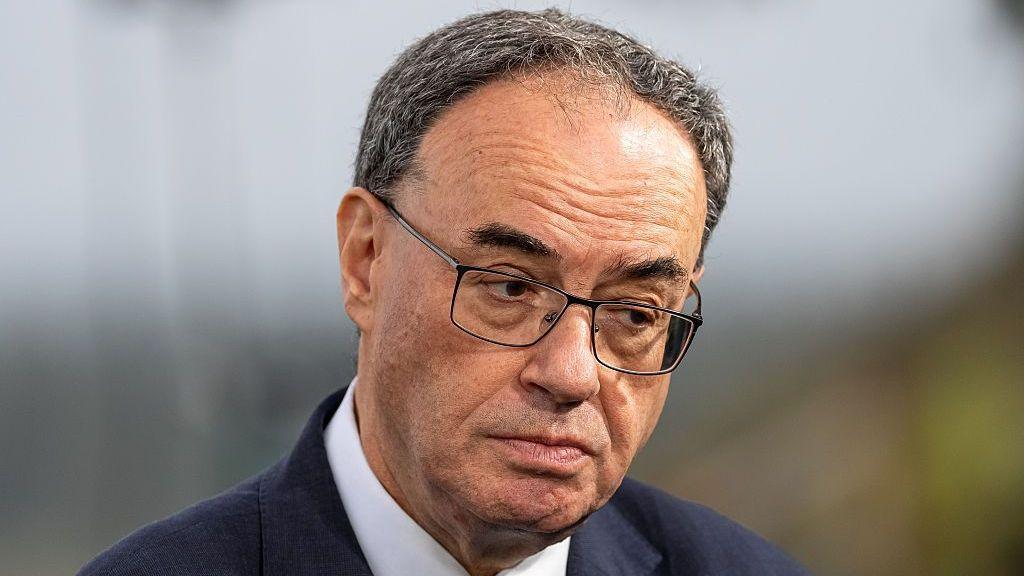 Image source, Bloomberg via Getty Images
-
Published
Artificial intelligence (AI) could trigger financial market shocks and the UK needs to be prepared for them, the governor of the Bank of England has warned.
Andrew Bailey said the central bank is watching the huge amounts of money being invested in AI “very carefully” and cautioned that “not everybody always wins”.
The money that has been spent on and loaned to AI firms over the last few years in the hope of large returns is causing markets to value some of them as multi-trillion dollar businesses.
Asked if he believed an AI bubble could burst, Bailey said: “You could see some correction of asset prices at some point.”
He was speaking exclusively to the BBC about what the risks and benefits of AI could be for the UK economy.
Bailey said he believed the technology has “great potential to strengthen growth in our economies”, adding that this was something the country needed.
“But it also brings with it substantial risks and so we have to be on top of both of those.”
One such risk is what happens if the big bets being made on AI don’t pay off.
AI chipmaker Nvidia is currently the world’s most valuable listed company, with a market valuation of $5.5tn (£4.14tn), thanks largely to investors who believe in the big profits AI could create.
Meanwhile, tech giants Alphabet, Meta, Microsoft, and Amazon are spending hundreds of billions of dollars on the technology.
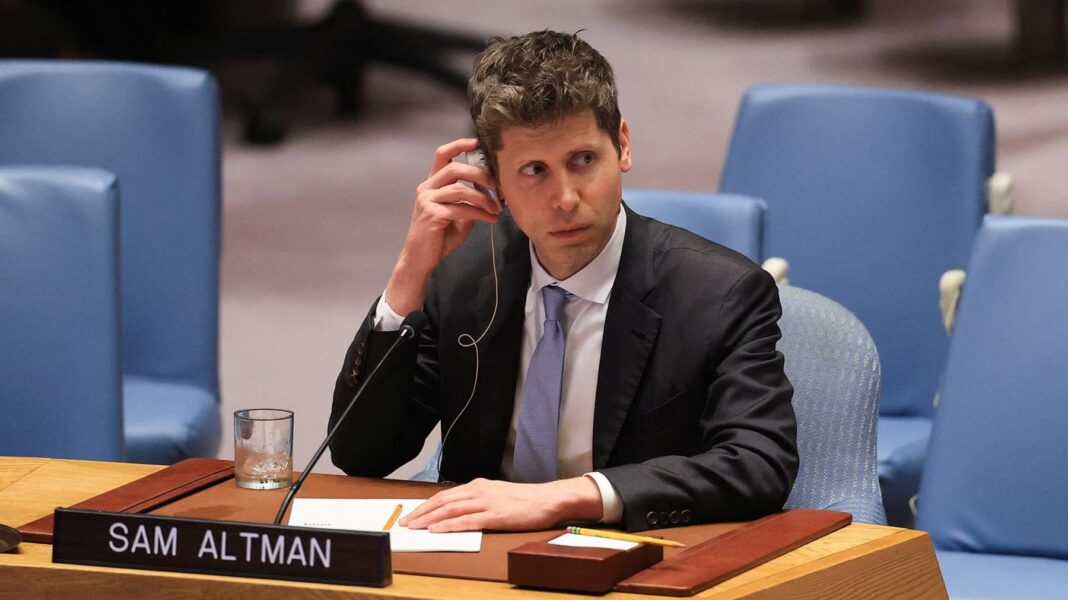
And two of the largest AI companies in the world – Anthropic and OpenAI – are also preparing to sell shares in their firms on the US stock market in moves which many believe will lead to hundreds of billions of dollars more flowing into the industry.
“There is a large, very large, amount of investment going into this sector now, and of course that’s natural because it’s a major area of growth,” said Bailey.
“And of course you see that the asset prices of the companies that are developing it have gone up a lot and that reflects the fact that there are high expectations of what it can deliver.”
“Everybody is currently priced to be a winner,” he added, but warned that “you look back at the past, not everybody is a winner”.
“Google was not the first market leader in internet search. It was Netscape. Nobody can remember Netscape today. It doesn’t exist. So not everybody always wins.
“We are prepared for the fact that there will be, I think, some shocks come along to markets and we have to deal with that. We have to make sure the system is resilient.”
Cyber attacks, deepfakes, and interest rates
Bailey also pointed to other risks from AI, such as from the technology being used for cyber attacks.
He said AI has created a “much more powerful way of uncovering vulnerabilities”.
“It’s revealing things that have been in bits of operating software that we’ve had, and all of us have had.”
“In the wrong hands… it’s a very powerful, potentially very powerful, weapon,” he added.
Another risk is the rise of deepfakes – AI-made pictures and videos of people that look real – which can be used to fool the public.
To play this video you need to enable JavaScript in your browser.
This video can not be played
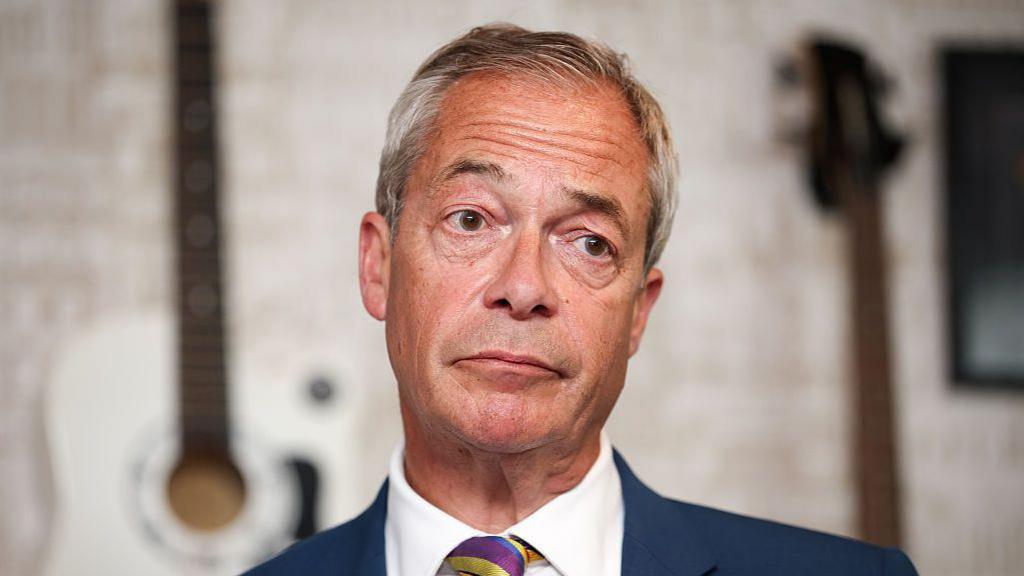
Bailey has had first-hand experience of this. In June, deepfake images depicting him and Nigel Farage having a physical fight were promoted on social media platform X.
He told the BBC that the fake images were being done in such a way that the Bank has struggled to find out where they came from.
“We’ve got to be able to trace these things back. And we need a lot of help from the tech sector to do that,” he said.
However, Bailey said a big potential benefit from AI is its ability of “speeding up the work that supports the Monetary Policy Committee [MPC]” which sets interest rates.
“It’s not taking a decision, but it’s a tool in the hands of the policy maker and that’s good,” he said.
-
-
Published14 hours ago
-
-
-
Published1 day ago
-