

The hidden daytime dance revolution – and the man who captured it on camera
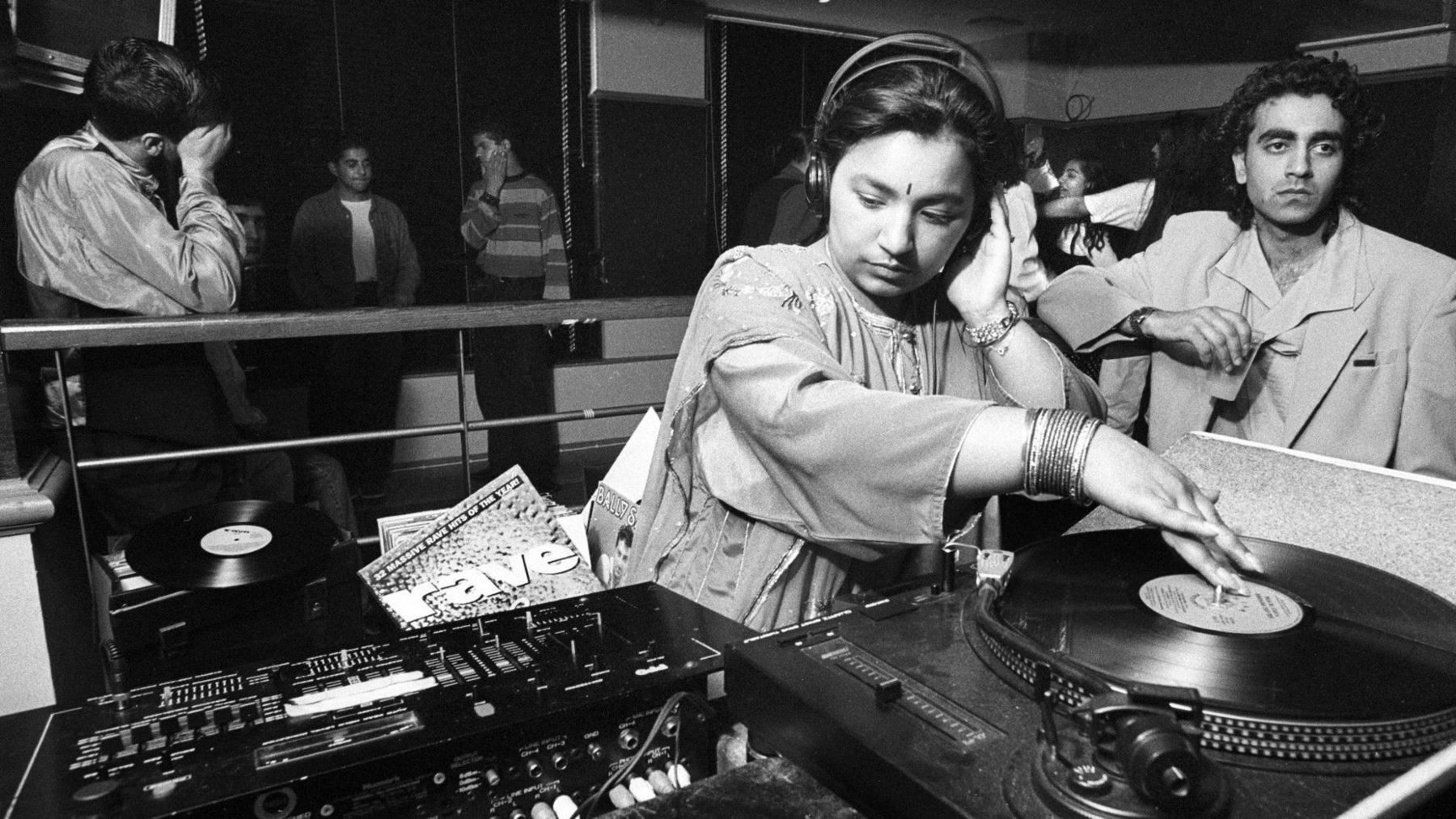 Image source, Tim Smith
-
Published
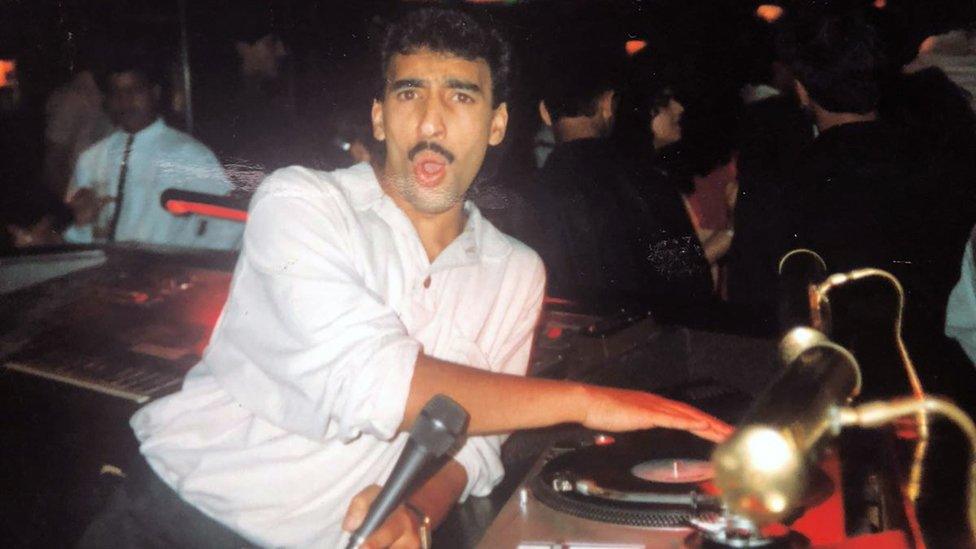
For decades, photographer Tim Smith’s images of Bradford’s British Asian “daytimers” dance scene remained largely unseen. Now, some of those shots are taking their place in a major Tate exhibition examining the creativity and rebellion that transformed 1990s Britain.
On a bright afternoon in Bradford, shoppers moved through the city centre carrying bags, going about their day.
Behind a nearby doorway, another side of Bradford was pulsing to a very different rhythm.
Tim Smith remembers stepping out of a small nightclub beneath the Alhambra theatre after spending hours photographing a “daytimers” disco.
“I walked out into this bright sunshine and there’s all these people walking about with their shopping bags, completely oblivious to what was going on just the other side of this somewhat anonymous-looking doorway,” he recalls.
More than three decades later, images Smith took inside that hidden world are making another unlikely journey, from Bradford’s underground daytimers scene to the Tate Britain art gallery.
His photographs feature in new showcase The 90s: Art and Fashion, which opens on Thursday.
Curated by former Vogue editor-in-chief Edward Enninful, it brings together more than 100 works by nearly 70 artists, photographers and designers to examine a decade of creativity and rebellion.
For Smith, who lived in Bradford for more than 40 years, the inclusion of his photos is also recognition that some of the cultural shifts reshaping 1990s Britain were happening far beyond London.
“I’m pleased because I think there’s a big shout-out for Bradford,” he says.
“These culturally significant moments of that time weren’t just happening in London and Manchester, like many media people like to think they were.”
Smith arrived in Bradford in the mid-1980s after studying photography in Newport.
A nomadic childhood and life among migrant communities in Newport’s Docklands had drawn him towards documenting lives beyond the mainstream.
Through the then-recently established Bradford Heritage Recording Unit, he began photographing the city’s South Asian communities at work, at religious gatherings, at weddings and in their social lives.
“I was quite appalled at the lack of any kind of documentation of Bradford’s Asian communities beyond the stuff that you’d see in the local papers,” he says.
The daytimers bhangra gigs came later, after a friend told him about afternoon club events for young British Asians.
Smith’s first response was simple: “What’s a daytimer?”
He soon found out.
Cheap to hire while nightclubs stood empty during the day, the venues became spaces where a generation could gather and celebrate, but also shape a unique new subculture: dancing to music drawing on Punjabi and South Asian traditions but fused with contemporary British sounds.
What Smith saw was not simply young people celebrating being Asian, but proudly “being British Asian”.
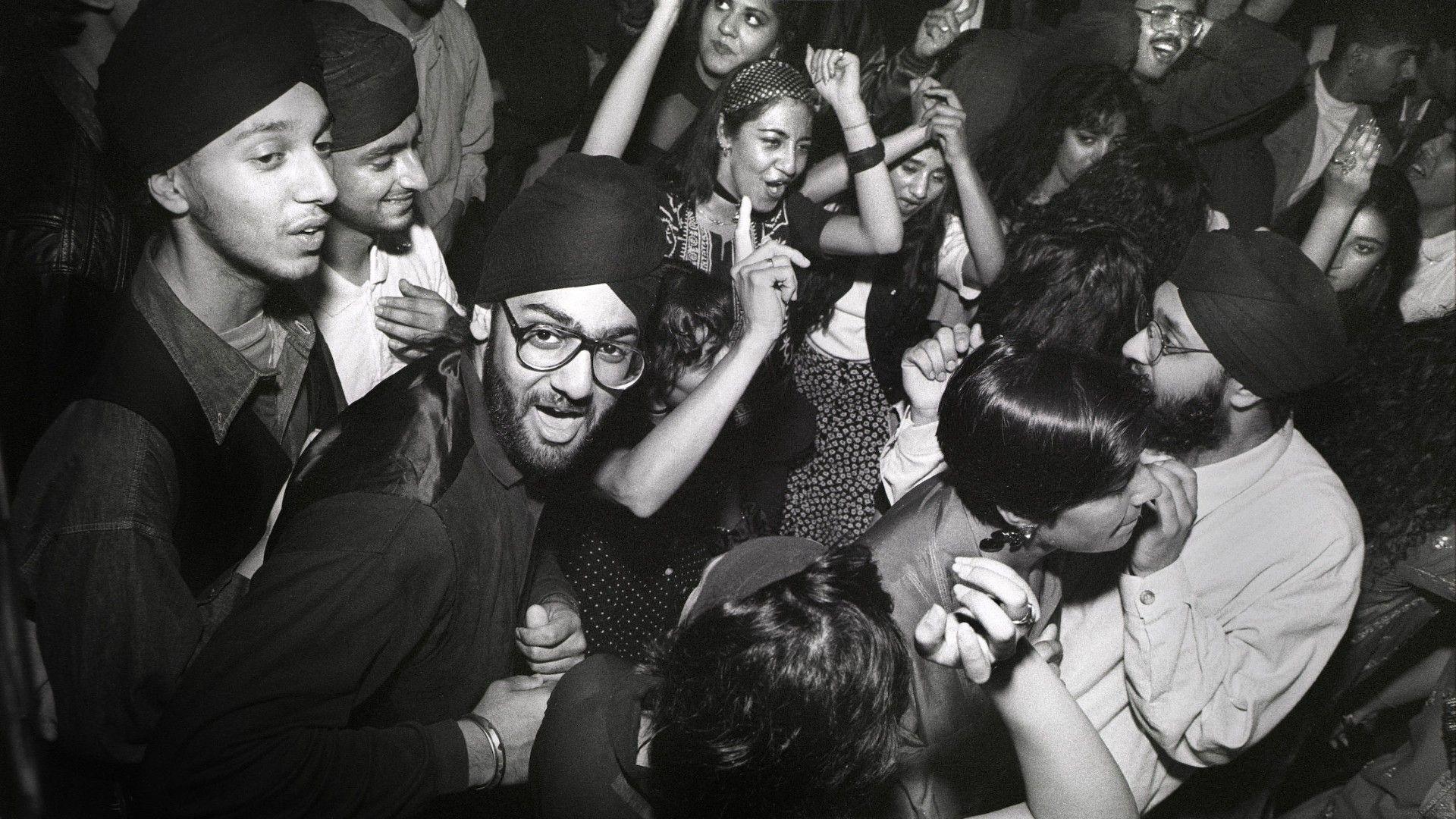 Image source, Tim Smith
Among those he photographed was Rani Kaur, known as DJ Radical Sister, one of the pioneering women of the scene.
In one of Smith’s best-known images, which will feature in the Tate Britain exhibition, she stands at the DJ decks, surrounded by young clubbers.
Another frame, shot from above in the darkness with flash, caught a room full of faces in a moment Smith could not inspect until the film was developed.
“Part of it’s luck, but you earn your luck,” he says.
“Every single face that you can see in it… just looks like he’s having the best time of his life.”
To Smith, the expressions seem to say: “We’re here, this is us, we’re having a wonderful time.”
Yet he appreciates there is another side to the photographs, and to the rebellion they record.
Many of the young people attending daytimers gigs were moving between the expectations of family and community and the desires of a younger generation testing out music, fashion, friendship and independence on its own terms.
Smith understood that publishing a photograph could expose somebody who had never intended their presence at a club to become public.
“I didn’t know everybody in the picture,” he says. “I thought, ‘I don’t want to get them into trouble.'”
So, apart from images of people he knew were comfortable being identified, much of the work stayed largely out of public view.
Only decades later did those photographs acquire another life.
When some were exhibited at Bradford’s National Science and Media Museum, there were, Smith recalls, “one or two grumblings”.
But among those who had lived through the scene there was also a growing sense that this was their history to claim.
“Come on, it was our moment,” was the response relayed back to him. “This is where who we are now began.”
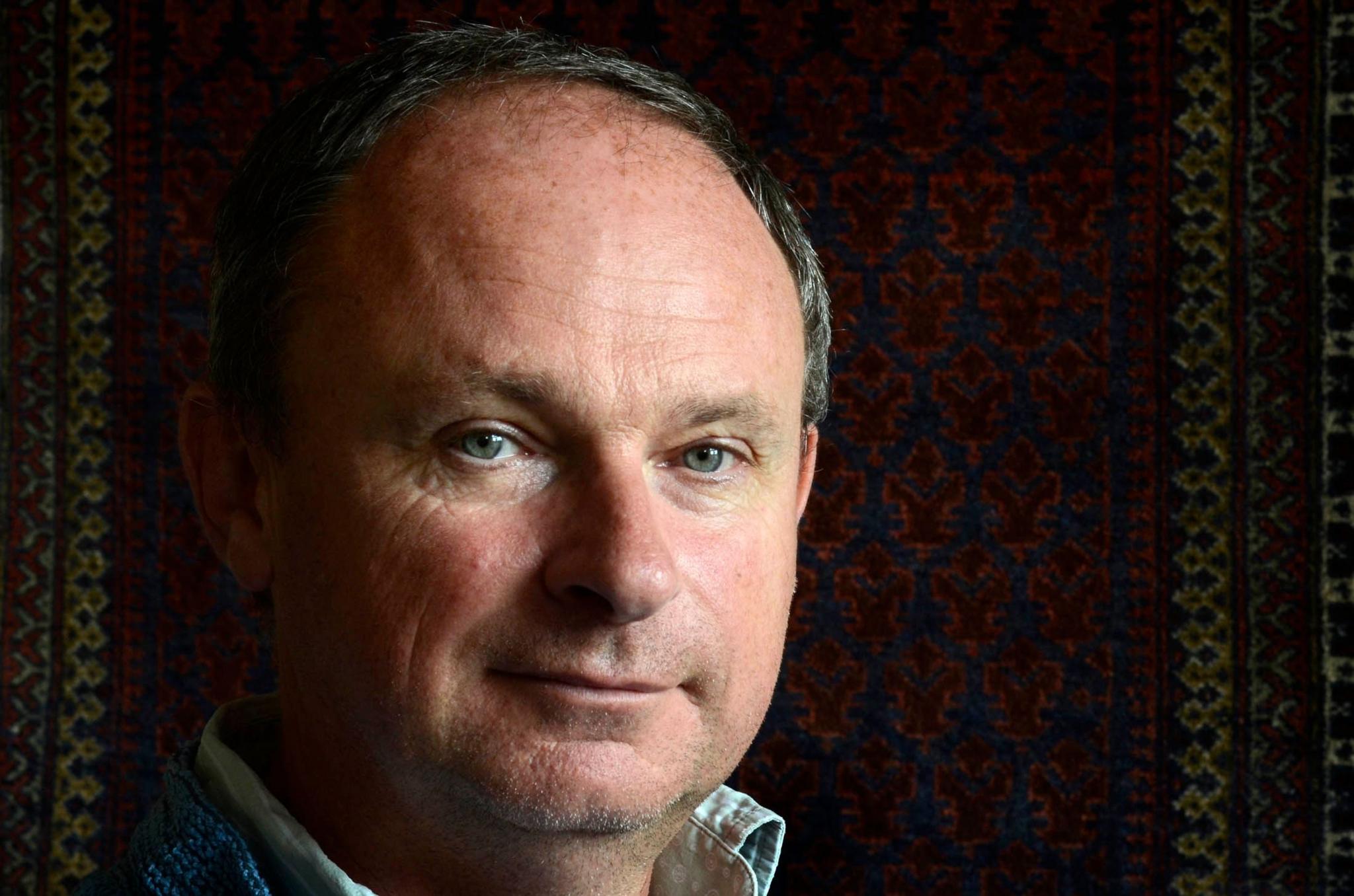 Image source, Tim Smith
Time has now transformed the pictures from informal snapshots of an underground scene into historical documents.
And Smith believes the daytimers helped lay the foundations for the vibrant British Asian culture scene that followed.
He was, by his own admission, entering worlds that were not his, a young white photographer trusted with access to communities and spaces whose stories were rarely documented.
“I felt quite privileged being a photographer generally because it gives you access to worlds that aren’t necessarily part of your world,” he says.
“I loved being let in.”
Now those darkened daytime Bradford rooms will take their place alongside other defining names and moments in cultural history inside Tate Britain, home to the biggest collection of British art in the world.
For Smith, there is real satisfaction in that journey: from an anonymous doorway in Bradford to one of the country’s great national galleries.
It is also a recognition that while much of the cultural establishment looked elsewhere, Bradford was slowly writing a cultural history of its own, and continues to do so.
Get in touch
Your Voice
Listen to highlights from West Yorkshire on BBC Sounds, catch up with the latest episode of Look North.
More stories like this
-
-
Published13 June 2025
-
-
-
Published13 March 2019
-
-
-
Published6 December 2019
-