
How boxing inspired a play about men’s mental health
-
Published
For many athletes, years of training can provide a routine, a purpose and an identity – but what happens when it all stops?
That question is at the heart of a new play which explores men’s mental health through the world of boxing.
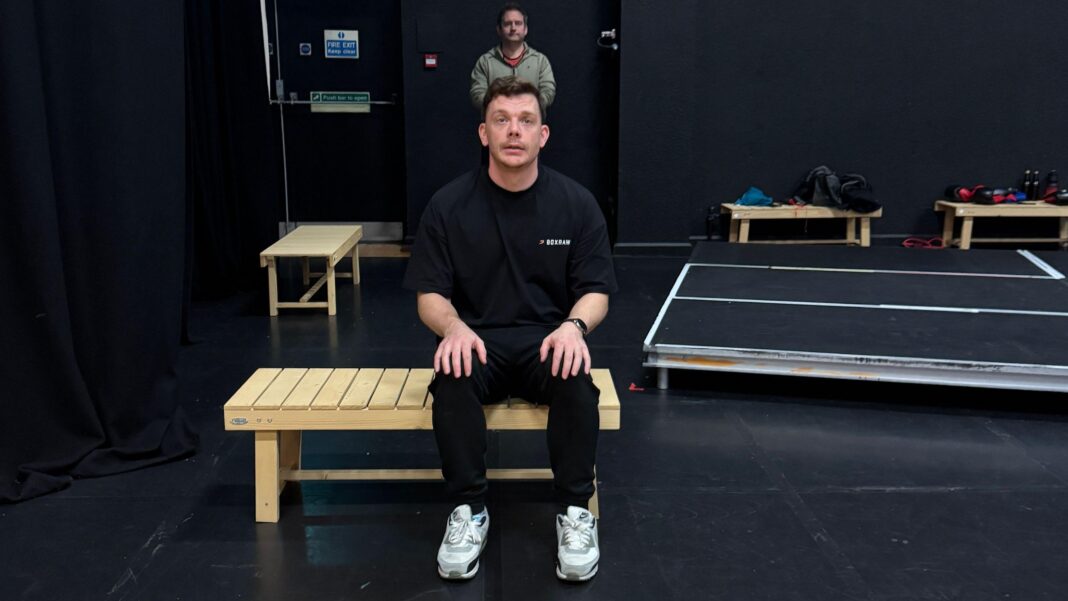
The Corner Man follows a fighter forced to confront life outside the ring after spending years dedicated to the sport.
Through his story, the play explores losing a sense of purpose, the difficulty some men have talking about their mental health and the support they can find in each other.
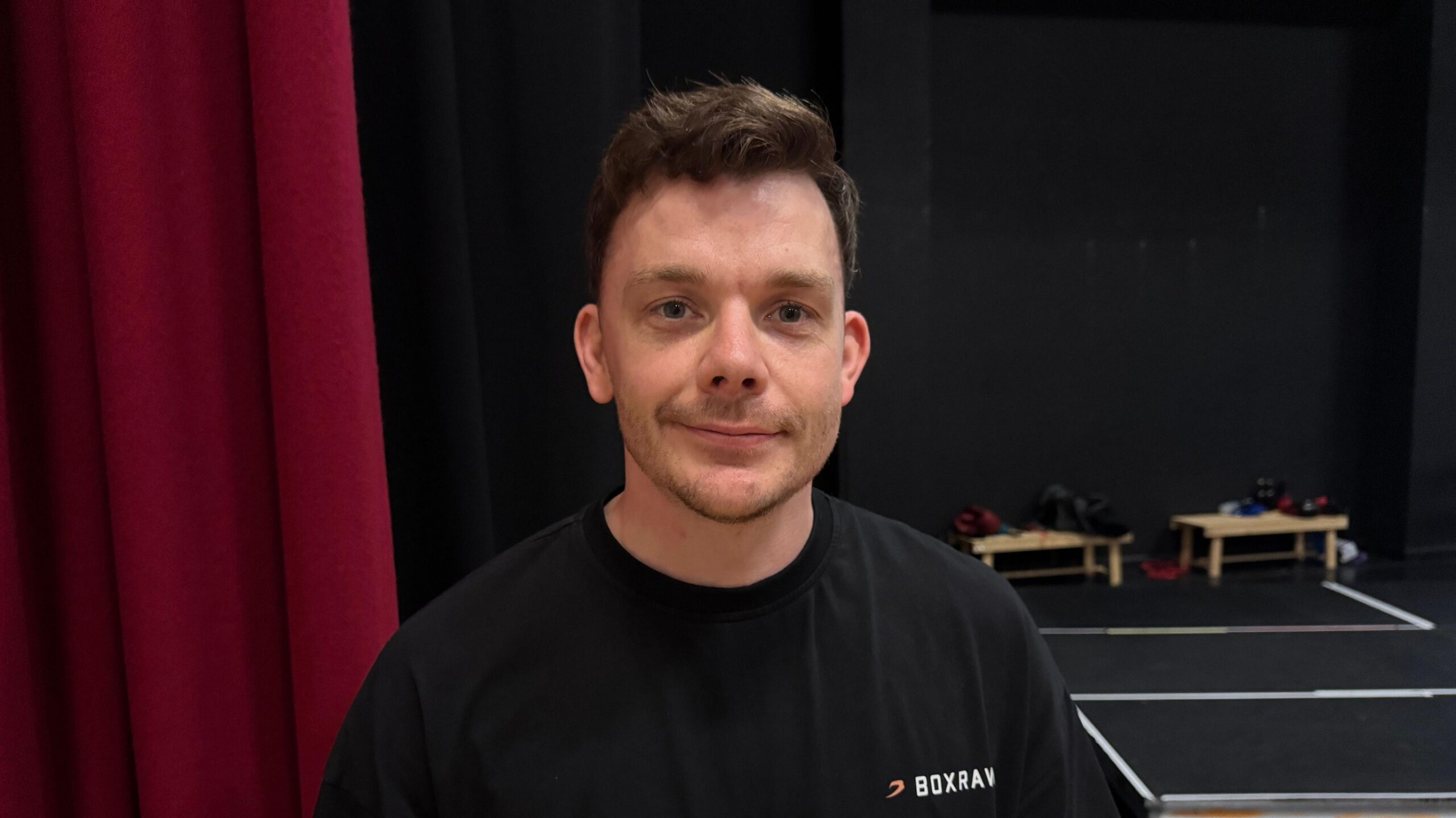
Writer and producer Cathal J Ferris said the idea grew from his own experience of boxing and conversations with fighters.
“What is a boxer after he retires really played on my mind,” he said, adding that the same questions around identity and purpose can apply beyond sport.
‘What is a boxer after he retires?’
The play follows Liam Casey, who has dedicated much of his life to boxing, from the age of about nine into his 30s.
For Ferris, the story is not only about leaving the ring, but about losing the routine that comes with it.
“The idea of structure and what life is like whenever you lose that structure definitely played on my mind,” he said.
“There are people who work in jobs for 10, 12, 13-odd years and just decide to change industries.
“I think there’s a lot of people who may not know what to do with themselves after.”
Ferris grew up performing in amateur theatre in Belfast and Lisburn before going to drama school in London in 2012.
He said returning home had given him the chance to tell new stories about the place where he grew up.
“I’m a Belfast boy at heart, and it is great to tell stories from the city,” he said.
Ferris said “the boxing community in Belfast is phenomenal” and that it played an important part in shaping the story.
‘If you’re a man and you’re struggling… speak to somebody’
Alongside boxing, the play also looks at how men talk – or sometimes do not talk – about their mental health.
“I think the old phrase is ‘say nothing’, and we know that all too well,” Ferris said.
“As a man, it is definitely hard for myself to talk about these things, and I try to be a little bit more open.”
In the play, Liam struggles with life after boxing, but it is the other men around him who help provide a support network – something Ferris said was an important part of the story.
“It is healthy to talk, so definitely if you’re a man and you’re struggling, at least speak to somebody,” he said.
‘Men supporting men’
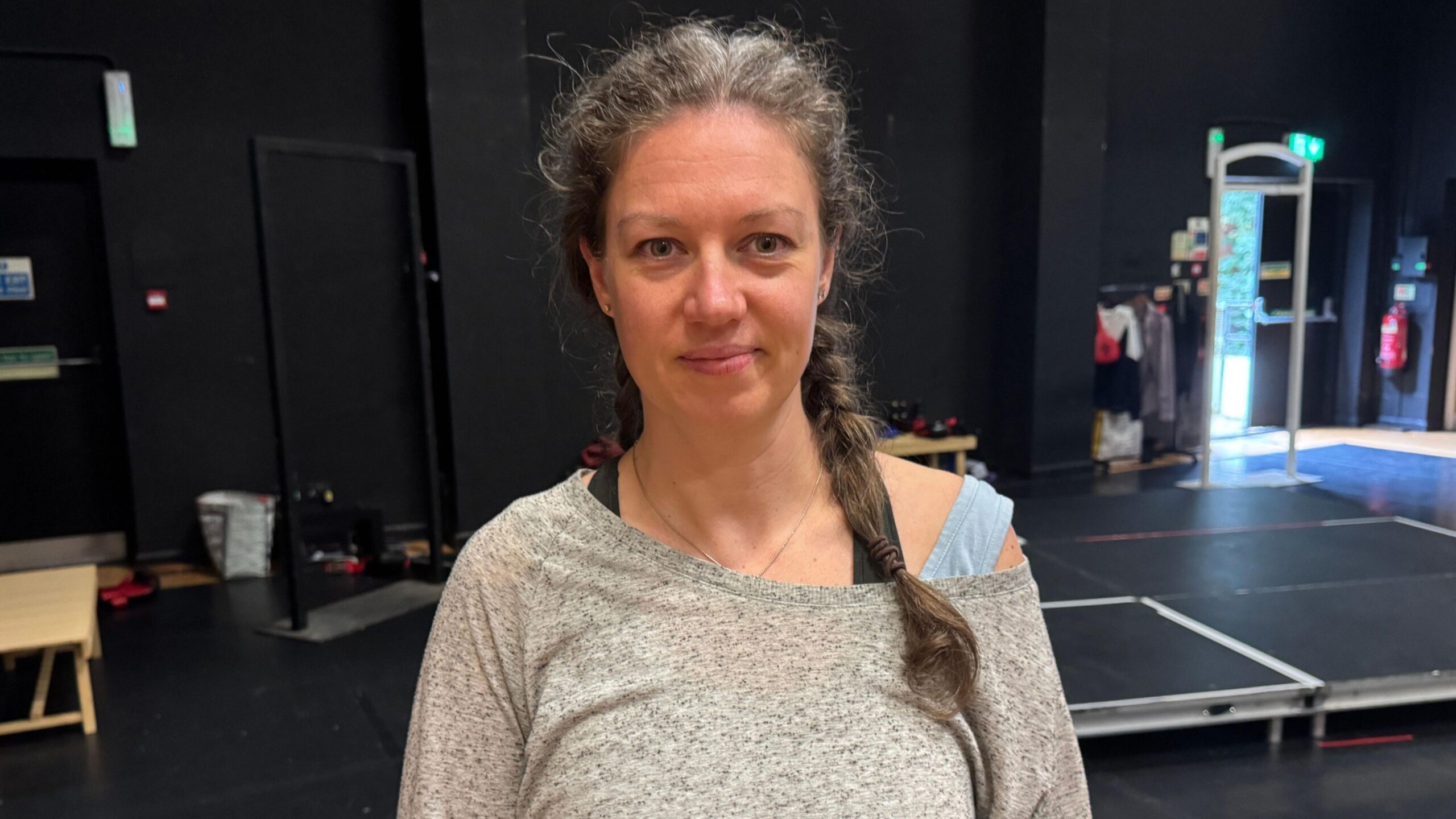
Director Emma Copeland said she knew relatively little about boxing before becoming involved in the production, but soon immersed herself in the sport.
“I got really into boxing and went to a load of boxing classes and still going,” she said.
Copeland said she also watched films, read books and autobiographies and listened to podcasts to make sure she knew the world she was portraying.
For her, one of the most important parts of the play is the support the men offer each other.
“The angle that I see is that men supporting men, and helping and talking and encouraging support with each other and encouraging that conversation,” she said.
“Rather than shutting it down or locking themselves away in their own feelings.”
‘Make a few lads think’
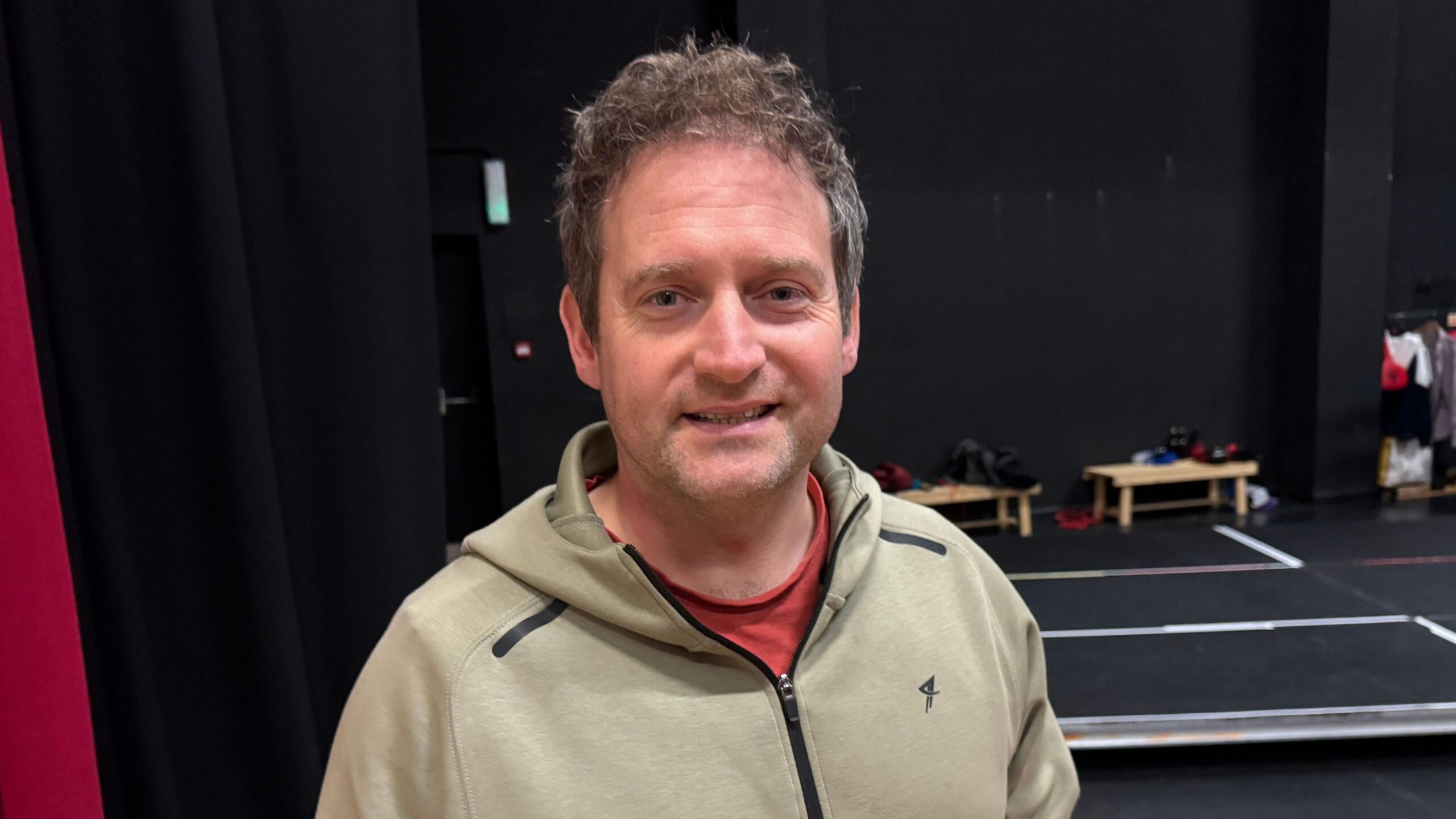
For actor Gary Trainor, the experience Liam goes through is not something that only applies to boxers.
Trainor, who plays gym owner Marty as well as several other roles, said suddenly losing something which has been central to your life could happen in many different circumstances.
“He’s been so engrossed in the world of boxing for his entire life, to lose it in one injury and to try and figure out his life after that is, I think, probably universal in a lot of men’s lives,” he said.
“That could be maybe losing a job, anything like that.”
Trainor described the play as “full of heart and humour” and said he hoped it would “make a few lads think”.
For him, its message is a straightforward one – that “men should talk to each other a bit more about what they are feeling and how they are processing things”.