
Andy Burnham to meet Irish Taoiseach for first time
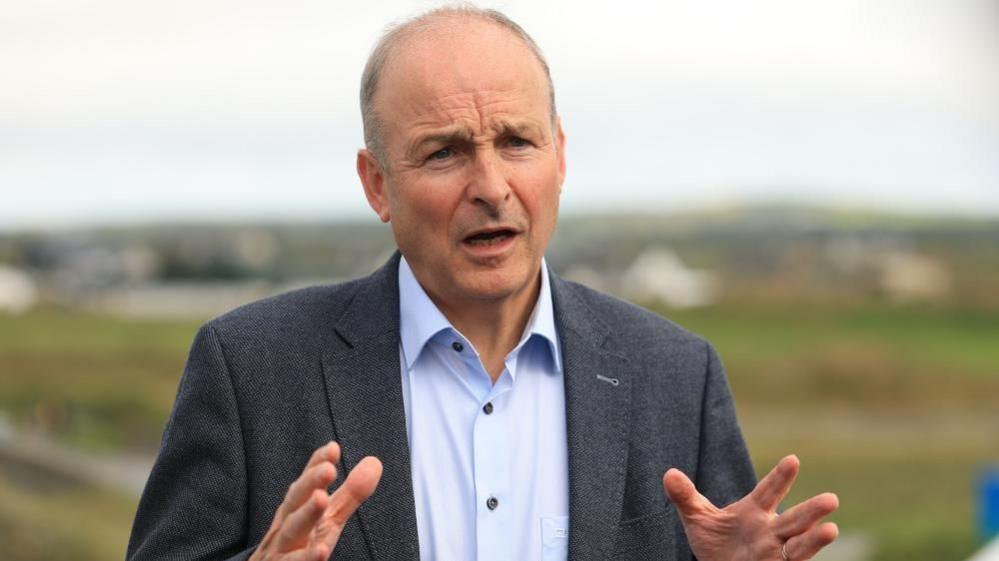 Image source, PA Media
-
Published
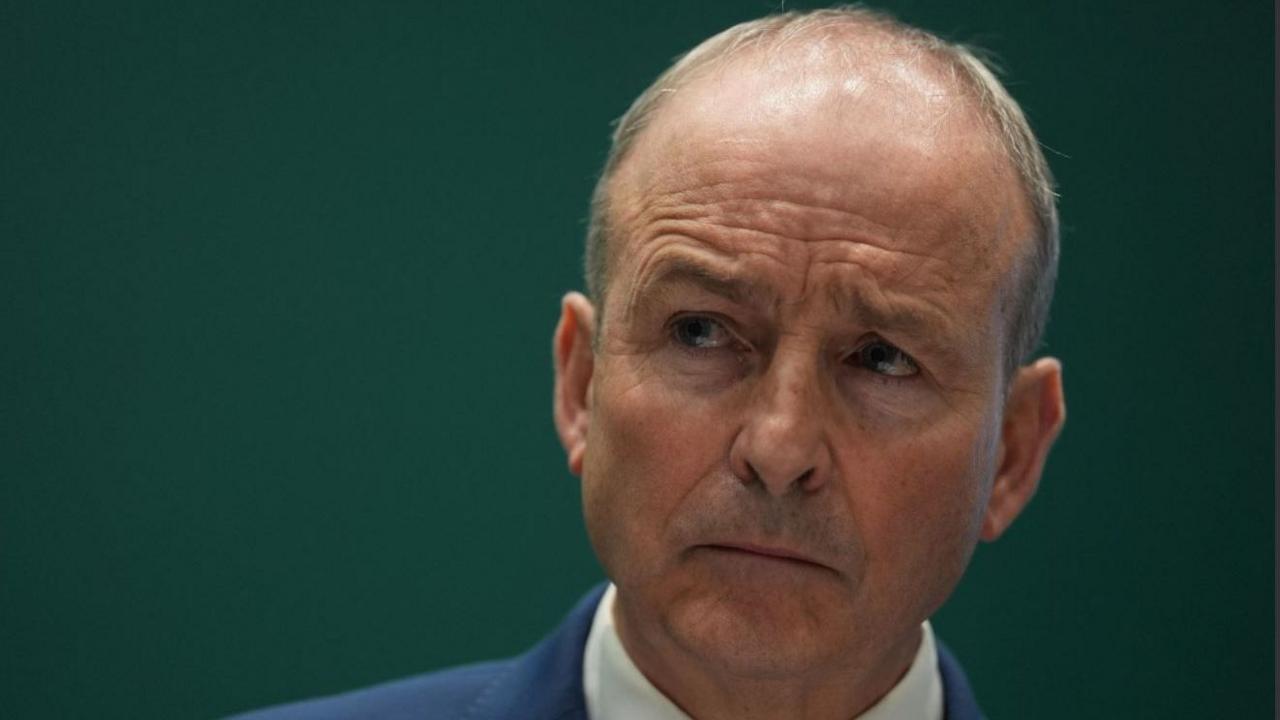
The Prime Minister Andy Burnham and Taoiseach (Irish PM) Micheál Martin will hold their first official meeting in Manchester on Friday.
Martin will be the first international leader to visit Number 10 North, the government said ahead of the talks.
The men are expected to discuss further strengthening of the UK/Ireland relationship including boosting trade, security and working with the EU.
Burnham said he was “delighted” to be hosting the taoiseach and said it was an “historic and proud day for Manchester”.
“No10 North is all about creating opportunities for working people, and our partnership with Ireland as we improve the lives of people in both of our countries is a key part of that,” he said.
“There is so much we can achieve together: from our shared commitment to the Good Friday Agreement, to trade, to working with Europe and supporting Ukraine. We are the closest of friends, and I look forward to further strengthening that friendship.”
Following their meeting, the leaders will visit a local Irish community centre to meet with representatives from the Irish community in Greater Manchester.
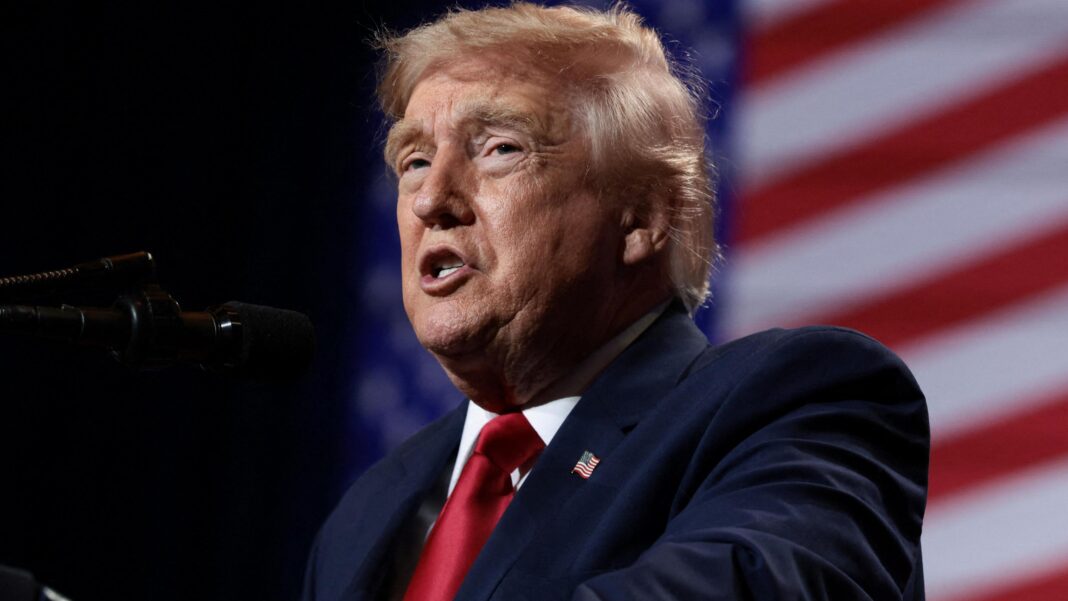
The visit comes days after US President Donald Trump made remarks supporting a “unified Ireland”.
On his visit to Northern Ireland last month, Burnham said a border poll was “off the table”, but later said he stood by the Good Friday Agreement.
It is also expected that the two leaders will discuss reform of the Stormont institutions as well as progress on replacing the controversial Troubles legacy act during their meeting.
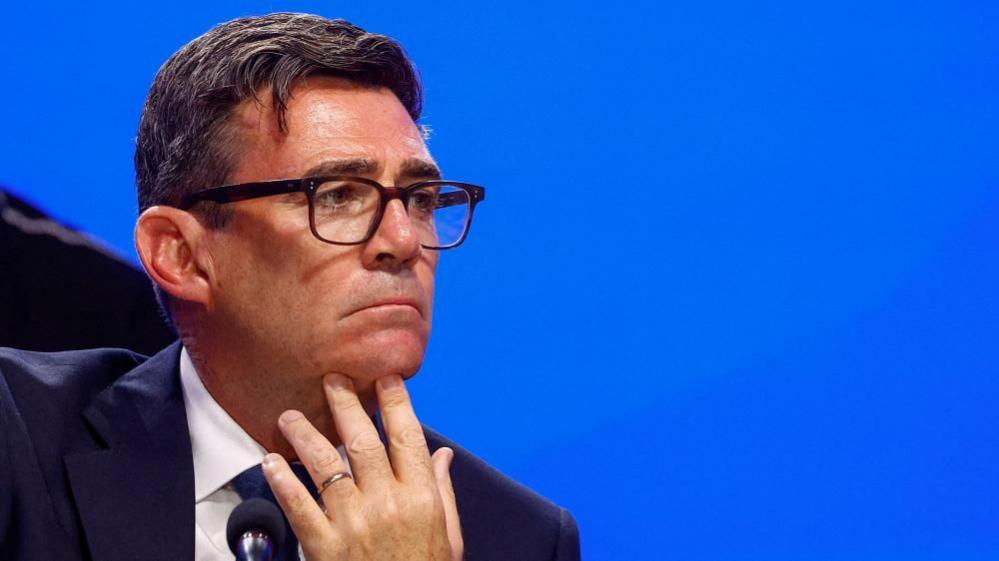 Image source, Reuters
In a statement, Martin said they will discuss the “UK-Ireland 2030 programme of strategic cooperation” as well as “a range of matters relating to Northern Ireland”.
The statement said these matters include legacy and the Good Friday Agreement.
He added: “Our discussions will also cover EU and international issues, including Ireland’s current Presidency of the Council of the EU and the next EU-UK Summit, and the situation in Ukraine, Gaza and the Middle East more broadly.”
Last week, the taoiseach said there should be “greater clarity” about what would lead to a border poll being called.
Martin said that in his view it’s “not satisfactory” that the decision to call a referendum is left simply as a “judgement call” for the Northern Ireland secretary.
During his first visit to Northern Ireland last month, Burnham said a border poll was “off the table” and that votes on Brexit and Scottish independence showed the “risks that come from those situations take a long time to heal”.
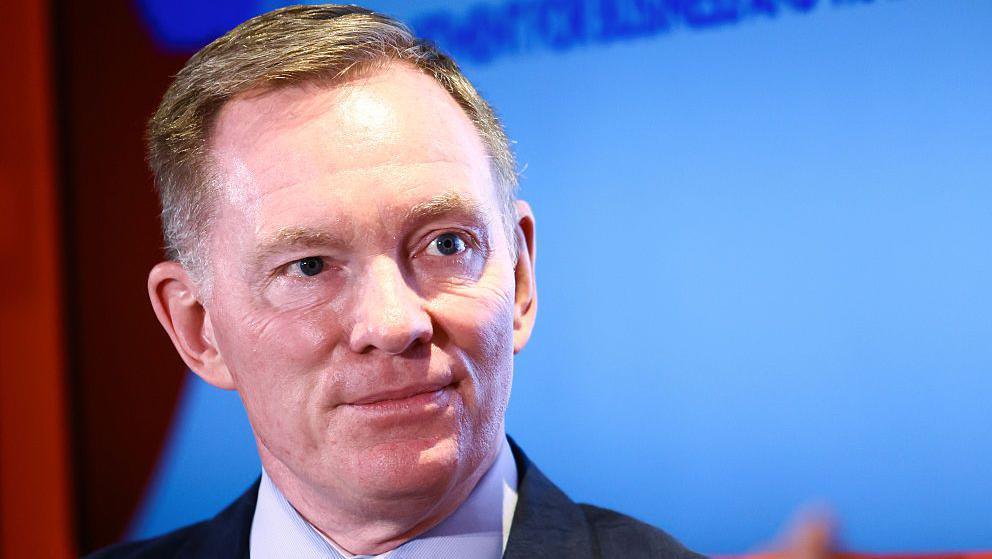 Image source, Getty Images
Northern Ireland Secretary Sir Chris Bryant later said he and the prime minister “stand full square” behind all of the 1998 Good Friday Agreement, including its provisions for a border poll.
“I welcome his [Burnham’s] comments in terms of accepting… and he clarified very clear that he accepts the principle of consent, he said that within the Good Friday Agreement a referendum is allowed for,” Martin told BBC Radio Ulster’s Borderland podcast last week.
“Obviously the circumstances around that, as to the triggering of that was deliberately left somewhat ambiguous at the time.
“I think there needs to be discussion on that, no question, as part of a wider discussion between all of us, because we are all co-guarantors of the agreement and in addition to that I welcome what he said on legacy as he did commit to legacy and I agree with him on the need for reform of the institutions.”
What does Good Friday Agreement say on border poll?
The Good Friday Agreement, also known as the Belfast Agreement, was a political deal designed to bring an end to 30 years of violent conflict in Northern Ireland, known as the Troubles.
It was signed on 10 April 1998 and approved by public votes in Northern Ireland and the Republic of Ireland.
It set up a new government for Northern Ireland, representing both nationalists and unionists.
The agreement says that Northern Ireland is part of the UK and this can change only through a referendum.
The secretary of state must hold a border poll if it appears likely that a majority of people in Northern Ireland would vote for Irish unification.
There is no detail in the agreement on how the secretary of state should judge whether there is majority support – but they can decide to hold a border poll at any time, provided that there has not been another in the last seven years.
There is also debate as to what form a border poll should take, for example whether the poll should be held on the general principle of unification or after specific proposals have been set out for how a united Ireland would be governed.
-
-
Published7 days ago
-
-
-
Published5 days ago
-
-
-
Published28 August
-