
This post was originally published on this site.
Celebrity influencers paid up to £1m to advertise deodorant on Instagram
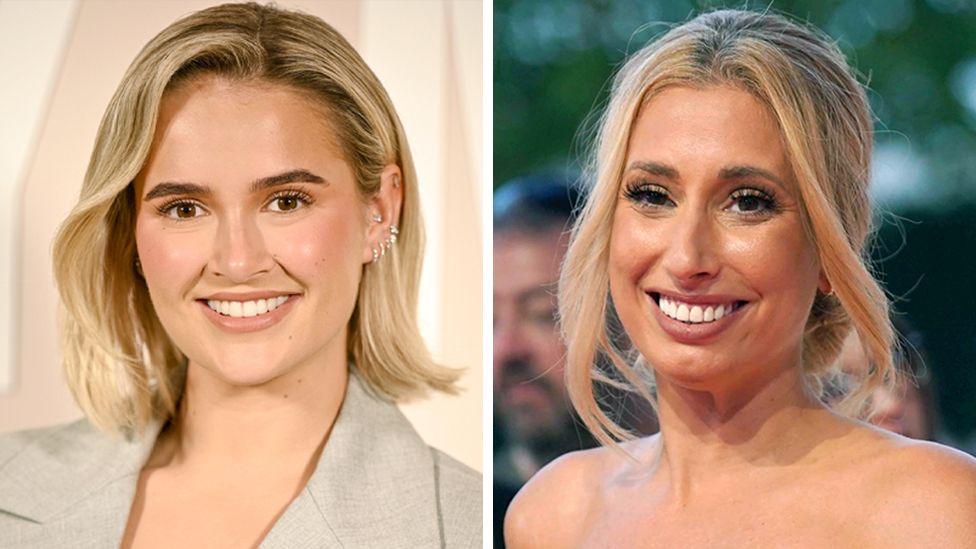 Image source, Getty Images / PA Media
-
Published
The #ad posts on your feed may look relaxed, personal and spontaneous but behind many of them is a carefully planned campaign, a detailed contract and, in some cases, a seven-figure fee.
For Charlie Bowes-Lyon, the co-founder of Wild, a refillable natural deodorant, influencer marketing has been a huge part of the company’s success and he calls it his “secret sauce”.
Wild, which was bought by Unilever last year, uses high-profile names including Stacey Solomon, Emma Raducanu and Molly-Mae Hague to promote its products on Instagram.
Bowes-Lyon says the brand has spent millions on its partnership with Raducanu and hundreds of thousands on campaigns with Solomon and Hague.
People buy from people
Hannah Campbell, founder of influencer marketing agency One Twelve Agency, says brands are using influencers over traditional adverts because “they do actually influence”.
“They have built audiences and communities that trust them, and the old adage ‘people buy from people’ is true.
“Consumers, especially younger audiences, aren’t engaging with traditional media but they do follow and engage with their favourite influencers daily.”
Influencer marketing is now such a big part of Wild’s business that it employs a team of more than 20 solely dedicated to working on this.
The company’s yearly influencer marketing budget is just under £10m, “but next year that may double as we look for larger brand ambassadors”, says Bowes-Lyon.
To play this video you need to enable JavaScript in your browser.
This video can not be played
How much the company spends on influencer marketing “can vary from £100,000 through to millions if you want a top-tier celebrity”, says Bowes-Lyon.
He says a lot of it also depends on the depth of the campaign as “if you want them to do a one-off post you wouldn’t pay too much but typically what they and you want is to develop is a bit more of a relationship”.
British tennis player Emma Raducanu is Wild’s current brand ambassador and has been working with the brand for the past year.
“We’ve done tons with her like full day shoots in New York, lots of posts and stories on Instagram and she even came in to create her own deodorant scent,” says Bowes-Lyon.
“These celebrities aren’t strapped for cash so it’s not really about the money for them, it’s more about whether the brand is a right fit,” he says.
“When I tell people influencers make £2,000 for a single post, they are shocked, never mind the fact some are making £50,000 for one post.”
Can an advert ever feel genuine?
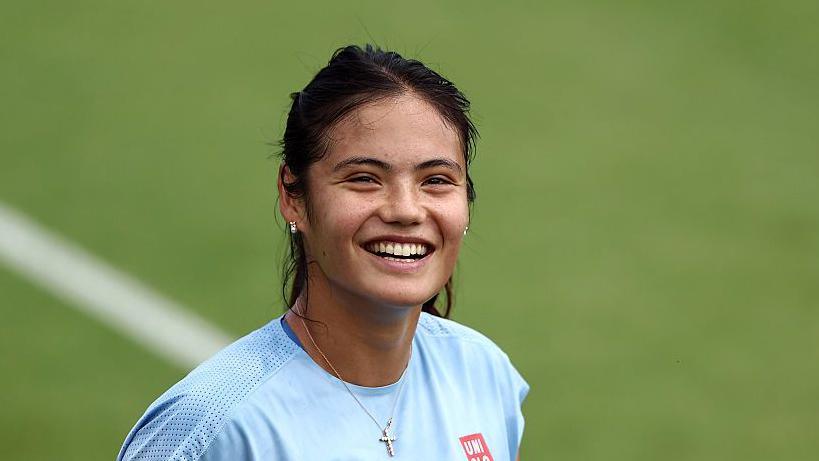 Image source, Getty Images
Katy Howell, director at marketing agency Rethink Social, says paid ads “don’t necessarily corrupt a recommendation but it changes the context in which that recommendation should be understood, and audiences have a right to know that”.
“The real test is whether the creator would plausibly use the product, whether they retain enough editorial freedom to express reservations, and whether the partnership fits the relationship they have built with their audience,” she adds.
Bowes-Lyon accepts audiences have become more aware that influencer ads are paid for which makes authenticity even more important.
“People are getting a little bit more savvy and if for example a gaming influencer starts talking about a flower shop or something that is not linked to anything they do, people will see through that,” he says.
He adds that someone like TV personality Stacey Solomon has built her influence by being selective about what she promotes.
“I would imagine Stacey probably rejects 98% of the pitches that come her way.”
Wild’s campaign with Solomon created more than 100 paid ad iterations for social media each with unique selling positionings to appeal to different audiences.
Recent ASA research, external found that influencer advertising remained considerably harder to identify than conventional brand advertising.
In its testing, 74% of participants were certain that a conventional brand post was an advert, compared with only 54% for influencer advertising.
Bowes-Lyon says the influencers they work with need to “believe in what they’re saying, not just saying it because they’re getting a cheque”.
He points to a partnership with Molly-Mae Hague, who had used Wild’s body wash in a video before the brand approached her.
“We’d never even spoken to her and she was using our body wash in it, so we then reached out.”
Howell suspects that “many people understand that influencers are paid, but underestimate both the scale and complexity of the economics”.
“The most prominent creators are no longer simply individuals posting from their bedrooms. Many operate as sophisticated media businesses, with managers, agents, production teams, legal advice, licensing arrangements and several income streams.”
While adverts on social media must be clearly labelled, Howell says that #ad is “legally functional but informationally thin” so more needs to be done to make paid marketing clearer.
Do influencer ads actually sell products?
Bowes-Lyon says some celebrity partnerships are designed mainly to build awareness, meaning the impact may show up gradually through stronger retail sales or wider recognition.
In Molly-Mae’s case, Wild created a “targeted campaign” where they gave her a discount code to share with her followers.
“In that case you see a big spike in sales which disappears after a few days when the Instagram story is no longer visible.”
Wild also tries to run several campaigns over a longer period so the partnership feels less rushed.
That means the celebrity can explain why they like the product, rather than trying to sell everything in one short post.
“They can more authentically tell the story of why they like the brand,” Bowes-Lyon says.
-
-
Published7 days ago
-
-
-
Published25 June
-