
This post was originally published on this site.
Both of Westminster’s mega brands, Labour and the Conservatives, feel discombobulated and the discombobulator-in-chief is the Reform UK leader, Nigel Farage.
The thing that ties together the big political stories of the last few days – the stymied manoeuvring of the Greater Manchester Mayor, Andy Burnham, and the shimmying of Suella Braverman out of one party and into another – is the capacity of Reform to give their rivals the heebie-jeebies.
Labour are experiencing an anxiety dream, bordering on cold panic, about the possibility of losing the next general election to Reform.
It is Labour’s anxieties about this very prospect which add rocket fuel to the drama surrounding Andy Burnham. Labour fretting about Reform’s rise is what turbo-charges questions about Sir Keir Starmer’s future as prime minister and so raises the profile of those seen by some as possible successors.
Meanwhile, the Conservatives are witnessing something of an exodus in Reform’s direction. It is now four significant defectors just this month.
While anyone drawing up a list of potential Conservative defectors to Reform would have put Braverman near the top, this was still a big moment.
She is a former Conservative home secretary, a big beast of recent Tory history.
And her switch emphasises the momentum Reform are showing in draining the Conservative Party and in particular its Right: a fortnight ago it was former Chancellor Nadhim Zahawi, the week before last it was Robert Jenrick, a week ago it was Andrew Rosindell, now it is Suella Braverman.
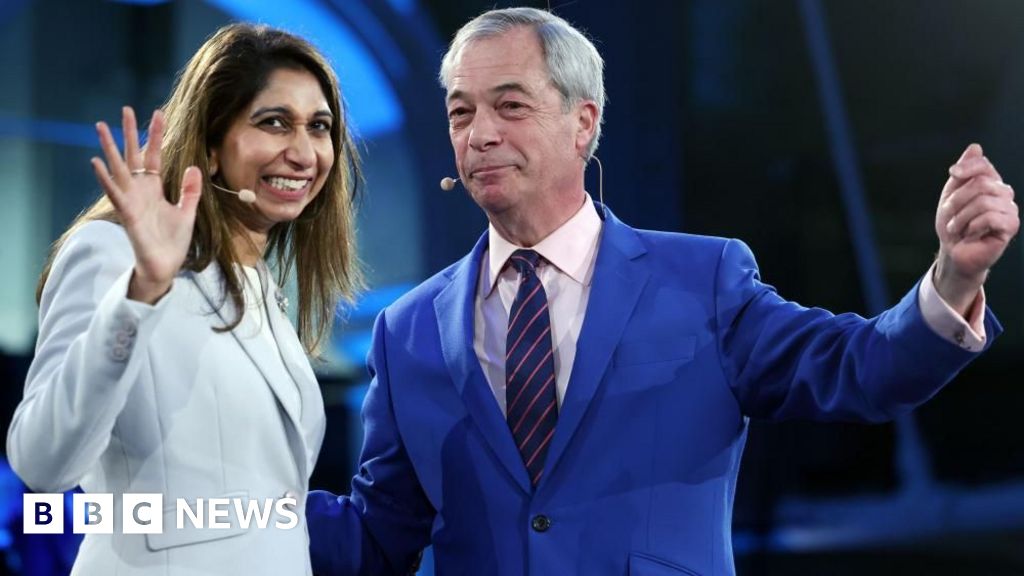
On stage at her defection, Braverman shared Reform’s diagnosis that Britain is broken, a label the Conservatives disagree with. And like Jenrick before her, she offered a devastating critique of her former party’s recent governing record.
And all this at just the point Kemi Badenoch has been attracting warmer reviews from her colleagues.
Meanwhile, within the Tory fold but outside the Commons, a new group called Prosper UK has launched.
Some prominent names in the mix include former Home Secretary Amber Rudd and former Scottish Conservative leader Ruth Davidson.
These are Conservatives you would least expect to join Reform. Plenty of its supporters backed Remain, many but not all are roughly on the Left of the Conservative tradition. And they are arguing it is time for their voices to be heard once again. Where does this leave Badenoch as a figure of the Right?
In short, both the Conservatives and Labour are contorted and strained right now.
And let’s not forget the questions too for Nigel Farage – not least the recurring one, about whether he leads a convention of cheesed off Conservatives.
And whether, even with all the current noise and momentum, Reform really can build a viable prospective alternative government within just a few years.
Doing so, Farage insists, has to involve recruiting people with experience of government, like Braverman.
But to Reform’s critics it dents their claim to run a fresh insurgency untainted by the failures of governments past.