
This post was originally published on this site.
Chris Mason: Investigation into Widdecombe’s death rekindles debate over how to protect politicians
-
Published
There is a depressing familiarity to the conversation among MPs about their safety.
It is a topic those on all sides will regularly reflect on in private, given the day-to-day impact it has on many of them.
But the latest news about counter terrorism police taking over the investigation into Ann Widdecombe’s death has brought back again, and in public, a discussion about how MPs can remain accessible and safe.
There was a sombre and reflective mood in the Commons on Monday afternoon as MPs both remembered Widdecombe – so many, whether they agreed with her or not, admiring her character and conviction – and pondered what more could be done to protect those in public life.
The longstanding Conservative MP Sir Bernard Jenkin said it was an “unfortunate statistical fact that as a member of parliament you are more likely to meet a violent death than a member of His Majesty’s armed forces or a member of the British police forces”.
Plenty, including those who have been MPs for decades, said it felt more dangerous than ever – and many blamed social media for contributing to an atmosphere where violent language and abuse had been normalised.
The former Conservative leader Sir Iain Duncan Smith said: “We need to reiterate, and the Government and the home secretary needs to specify, to all those social media companies they must do something to close down on the visceral, violent language that some people use, attacking personally – as they did over her murder – which has shocked me, to make sure we get on top of that because that is the root of violence and death.”
-
Ann Widdecombe murder probe: What we know so far
-
Published12 hours ago
-
Home Secretary Shabana Mahmood said: “The Government has already done some work in this area, but I’m sure we will have to go further.”
Mahmood sought to acknowledge directly the repeated concerns expressed publicly for some time by Reform UK leader Nigel Farage about his own security.
She has offered him a meeting with the chair of the group of officials who oversee MPs’ security, the Royal and VIP Executive Committee (Ravec).
Farage publicly thanked her for this and said he would want to discuss the security of all Reform politicians in the meeting.
Reform have also let it be known that the party rejected an offer for a state-funded bodyguard and driver for Farage last year because it amounted to a shrinking of what they concluded he really required to keep him safe.
A Reform spokesman said: “Within days of the assassination of Charlie Kirk, at a moment when the threat to public figures on the right was escalating, the security package Mr Farage was offered represented a 75% cut without clear reason.
“Faced with a state offer that no longer matched the threat against him, Nigel declined the downgraded and inadequate package and Reform took the responsible decision to maintain proper protection rather than gamble with his life.”
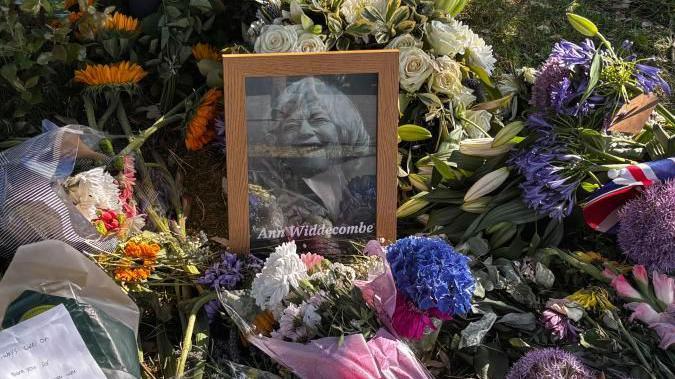
Widdecombe’s death and the desire from Farage to discuss the safety of all Reform politicians highlight the breadth of the challenge the authorities face in assessing the threat to those in public life.
There are 650 sitting MPs but what about former members like Widdecombe?
What about prominent figures active in politics right now, but who are not MPs, such as the leader of the Green Party of England and Wales, Zack Polanski, and the Reform Mayor of Lincolnshire, Andrea Jenkyns?
And what about attracting the next generation of politicians, of all political persuasions, when they look in on this conversation and ask themselves if Westminster would ever be somewhere that would appeal to them and their families?