
This post was originally published on this site.
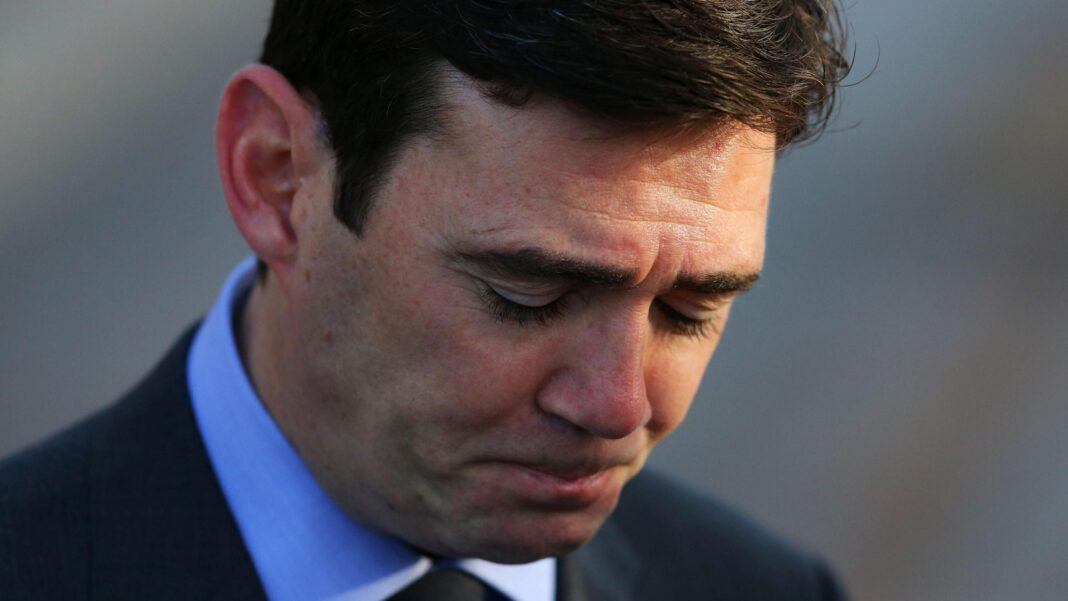
The people and places that helped Andy Burnham find self-belief
-
Published
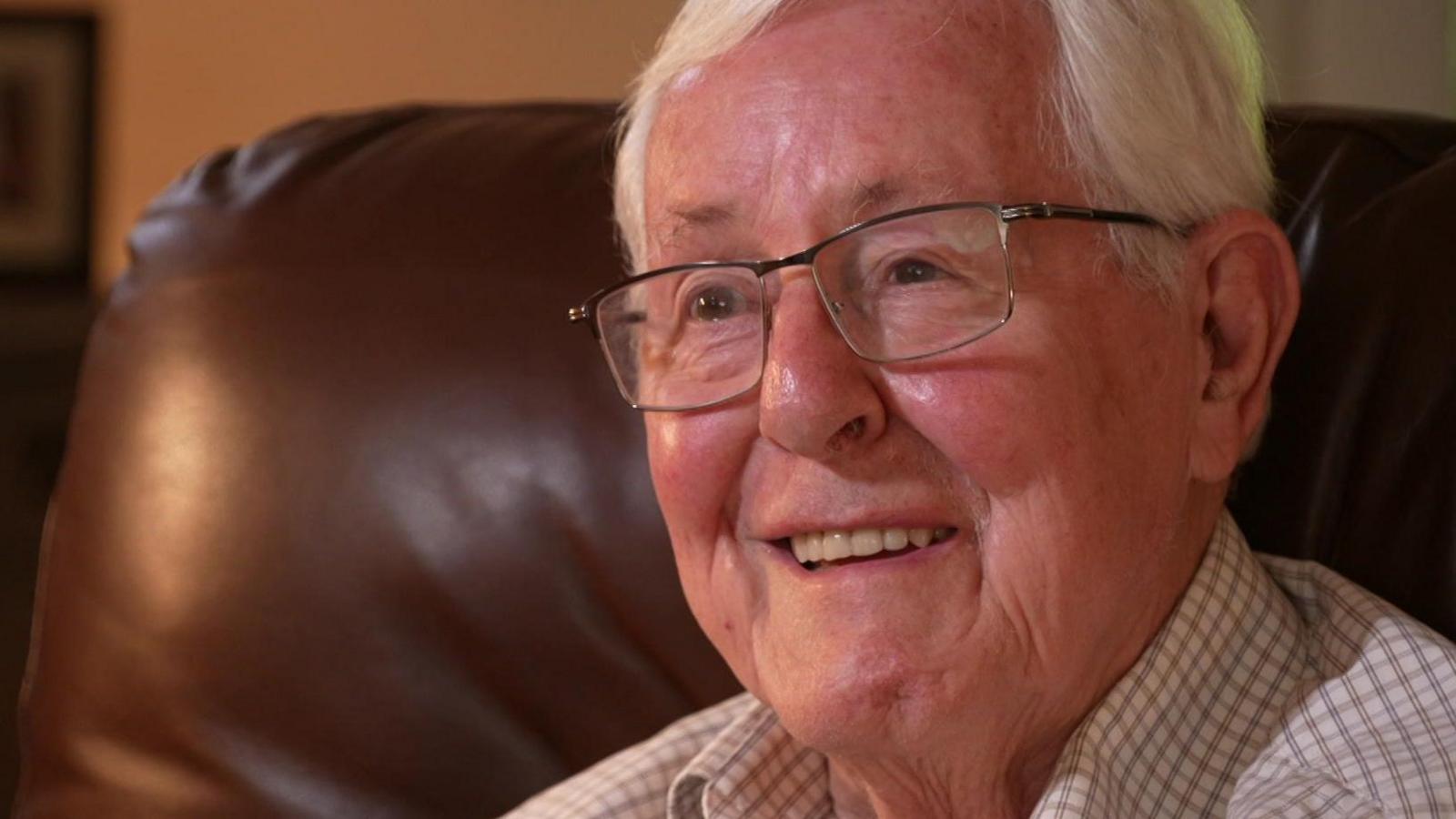
“He needed a lot of persuading to apply because he felt that as a working-class boy, going off to Cambridge wasn’t for him. He didn’t believe in himself, but he did it, and the rest is history.”
These are the words of former English teacher Stephen Harrington on the advice he gave to a 16-year-old Andy Burnham in 1986 at St Aelred’s Catholic High School in Newton-Le-Willows, Merseyside.
Burnham returned to Westminster earlier this month as MP for Makerfield, after a by-election was triggered by the resignation of the constituency’s Labour MP Josh Simons.
“My son has been saying to me ‘you’ve changed history, Dad’, but he likes a good phrase,” Harrington said.
Following Sir Keir Starmer’s announcement last week that he would step down, Burnham is currently the only candidate running in a leadership election in the Labour Party.
Labour deputy leader Lucy Powell and Housing Secretary Steve Reed, who had stayed loyal to Sir Keir, both said Labour MPs were united behind Burnham as the party’s next leader and the country’s next prime minister.
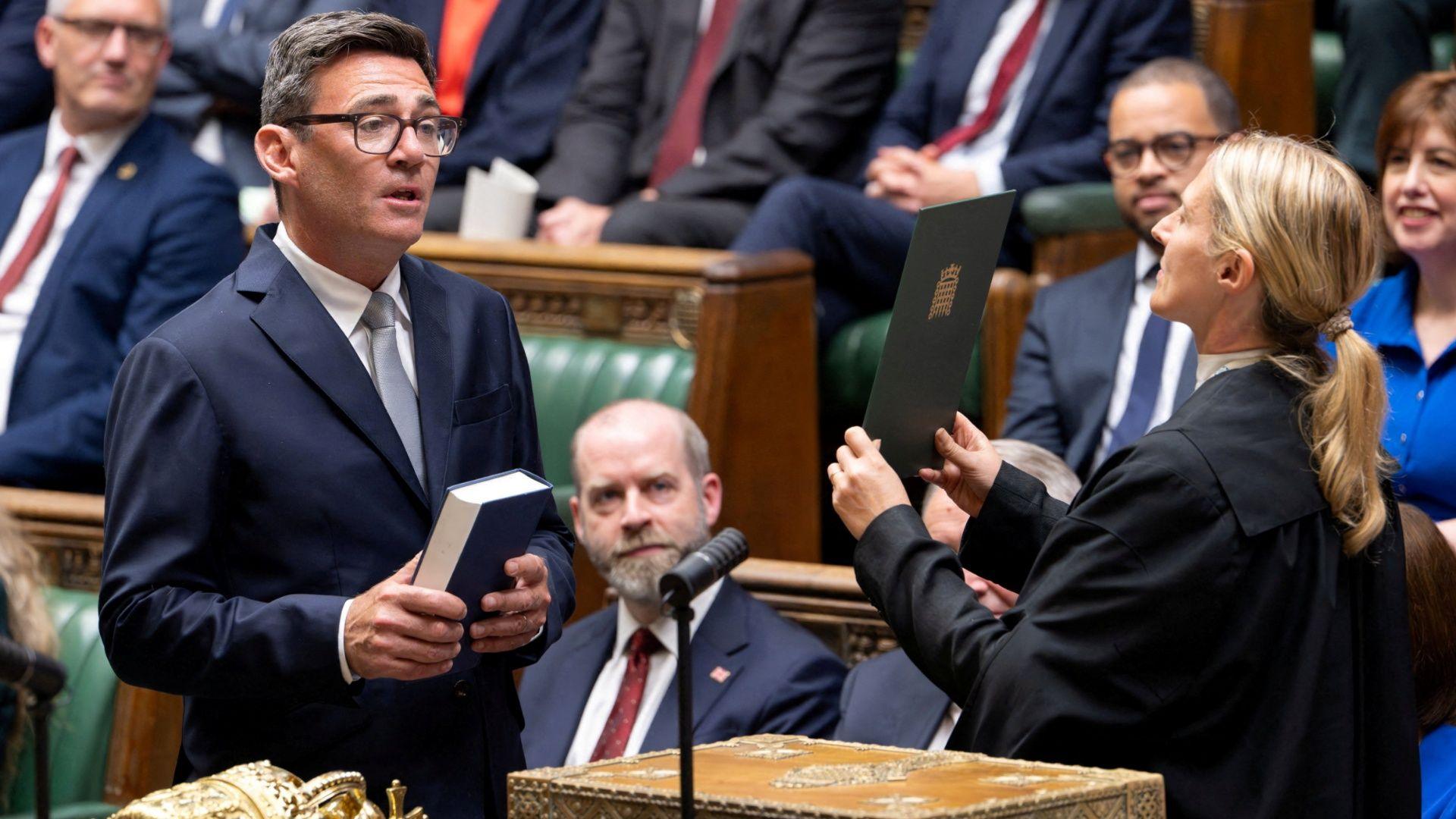 Image source, Reuters
The corridors of power in Westminster are a long way from where Burnham grew up.
Born in the outskirts of Liverpool in 1970, he spent his early years in Culcheth, a quiet commuter belt village in Cheshire, near Warrington’s border with Greater Manchester.
He spent the majority of his childhood living on Common Lane and joined the Labour Party in his teenage years at the height of the miners’ strike, which saw those working in the coal industry at odds with Margaret Thatcher’s Conservative government.
During his campaigning to become Leigh’s MP in 2001, he told the Lancashire Telegraph that saw he had seen “first-hand the damage the Tories did to local communities, external and the families of school friends” who lived in neighbouring Lowton and Golborne.
“The injustice sickened me, I wanted better for working people in this area… and still do,” he said.
‘Very reluctant’
Common Lane is made up of big, detached, roomy properties with plenty of garden space and several houses are listed for sale with asking prices in excess of £1m.
Many of the houses surrounding the former Burnham family home are occupied by relative newcomers, but one couple remembered him and his two brothers, John and Nick, and in particular, their love of football.
The former neighbour, who did not wish to be named, said: “When we moved here, I think Andy would be maybe 16 or 17, so he was almost going away to university.
“The three boys played football in the garden, a lot, and their footballs came over into our garden, so we saw and heard them quite a lot.”
Her husband recalled how in his teenage years, Burnham was a good communicator.
“We only really met him just before he went to university and he was obviously very good then, so he’d learned those skills quite early on,” he said.
Danni, who lives close to Common Lane, said her son attended college with Burnham’s niece.
She said she occasionally saw Burnham in the local supermarket, adding that it was “really exciting” that someone who grew up in the village could become the country’s next prime minister.
To play this video you need to enable JavaScript in your browser.
This video can not be played
Burnham was entering his first year of sixth form at the local Roman Catholic comprehensive, when he joined Harrington’s A-Level English class.
“Here he was playing cricket for Lancashire Schoolboys, which is a very prestigious thing to do in this area, and he never mentioned it to me,” his former teacher said.
“He was never… showing off or anything like that, he actually kept that to himself.”
Harrington said Burnham was “very reluctant” about choosing to study at the University of Cambridge, as he “didn’t think he would be good enough and all this kind of thing”.
“It was very much ‘I know that’s not for people like me’ and ‘socially, that’s not me’,” he said.
Harrington said in some ways, Burnham’s fears about going to Cambridge, where he studied English Literature at Fitzwilliam College, “came true”.
“When he went there, he told me he found it quite difficult for a while and did feel a bit out of place,” he said.
“Nevertheless, he found his own group of friends and he came through.”
Burnham eventually graduated with a 2:1.
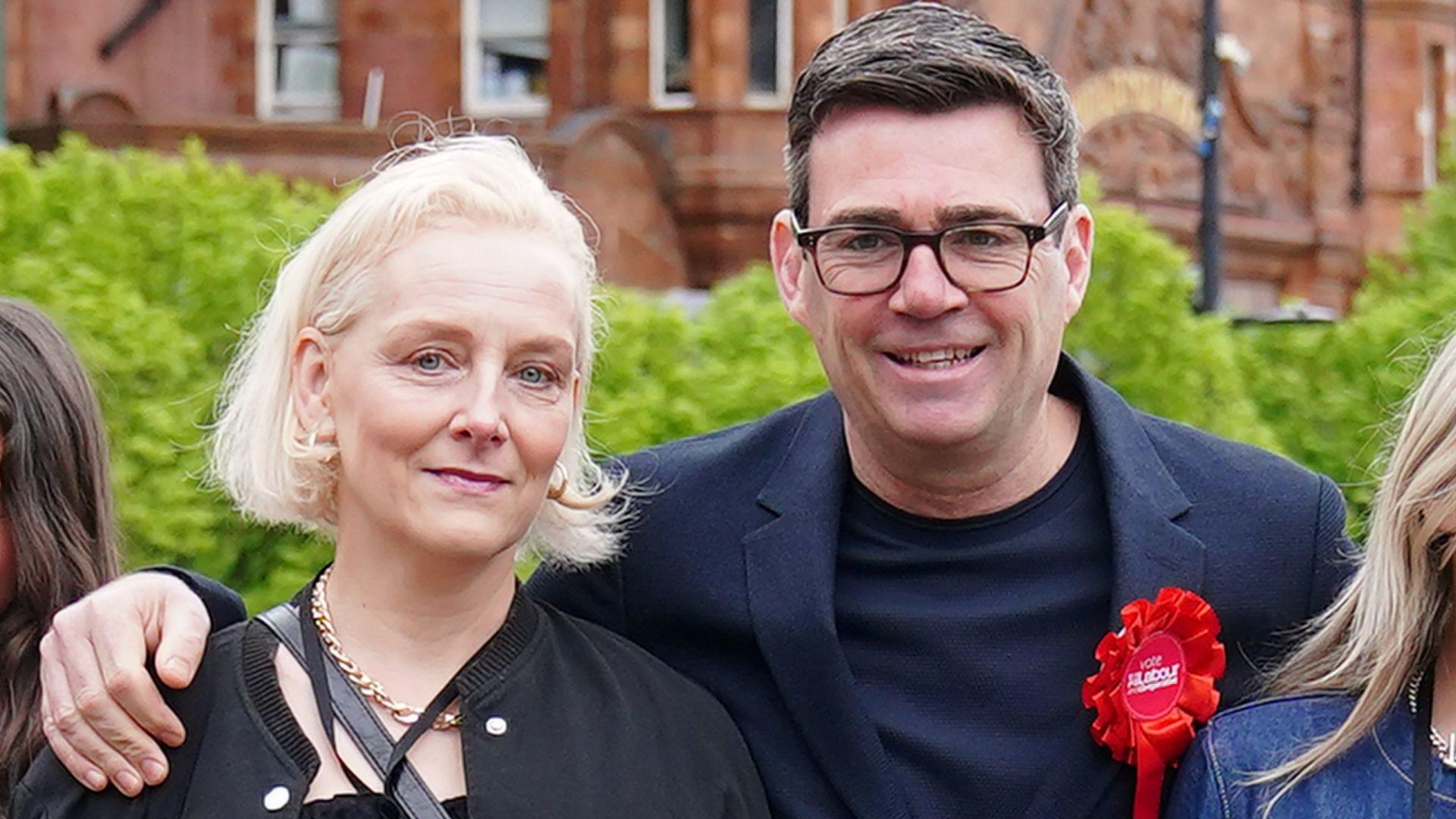 Image source, PA Media
“He couldn’t be more thankful towards me,” Harrington said, adding that Burnham had even travelled from London to attend his retirement from St Aelred’s in 2003.
He said he was flattered by his former pupil’s praise, but he did not want to overstate his own importance.
That journey took Burnham to Westminster for the first time in 2001, when he won a seat in Leigh in that year’s general election.
He held the seat until 2017, when he left to stand in the first Greater Manchester mayoral election.
He first served as a junior minister under Prime Minister Tony Blair, but joined the cabinet as chief secretary to the Treasury, before moving to culture secretary and health secretary, under Blair’s successor Gordon Brown.
It was as culture secretary that Burnham was heckled at a memorial service marking the 20th anniversary of the 1989 Hillsborough disaster.
The heckling spurred him on to raise the issue in cabinet, contributing to the launch of a second inquiry into the disaster.
He also lost two Labour leadership election, coming fourth out of five in a contest Ed Miliband won in 2010 and then losing to Jeremy Corbyn’s first-round victory in 2015.
Burnham’s critics have branded him a weather vane, whose views have blown with the political winds to give him the best chance of success.
He served in Corbyn’s shadow cabinet, as shadow home secretary, despite being seen as on the Blairite centre-right of the party, and his views have moved increasingly to the left, backing the nationalisation of water and energy.
He was not one of those who resigned in protest at Corbyn’s leadership in 2016.
During his first term in Westminster, his mentor was his friend and part colleague, the late Paul Goggins.
Goggins was Labour MP for Wythenshawe and Sale East until his death in January 2014.
At his funeral, Burnham said that “every time I had a problem when I was first elected, I would call Paul Goggins”, adding: “Who do I call now?”
Wyn Goggins, Paul’s widow, said the pair “were very close friends”.
“In addition to their politics, they were Northerners who shared the same faith and loved football,” she said.
“Paul helped Andy a lot when he was first elected.”
She said she had mixed emotions at the prospect of him becoming Labour leader, as it would be “hard” seeing him come under increased media focus.
“His lovely family come under so much scrutiny, but they are strong and he knows what happens in politics,” she said.
Get in touch
Tell us which stories we should cover in Greater Manchester
Listen to the best of BBC Radio Manchester on Sounds and follow BBC Manchester on Facebook, external, X, external, and Instagram, external. You can also send story ideas via Whatsapp to 0808 100 2230.
-
-
Published3 days ago
-
-
-
Published4 days ago
-
-
-
Published5 days ago
-