


MPs recommend BBC charter renewal is scrapped and licence fee is extended beyond TV
 Image source, PA Media
-
Published
The BBC licence fee should be extended to cover services other than TV and the corporation’s charter review should be scrapped and made permanent, an influential group of MPs has said.
The report from the House of Commons’ cross-party culture and media committee comes ahead of the government finalising its proposals for the next BBC royal charter later this year, which will set out how the broadcaster is funded, regulated and governed from 2028.
In its recommendations, the DCMS committee also said that political appointments to the BBC board should end, to improve public trust.
The report also said the next charter should be made permanent, so that the BBC’s funding and existence is not called into question every 10 years.
They said the current renewal process “creates an avoidable opportunity for political interference which has damaged the perception of the BBC’s independence”.
“It also creates a disproportionate distraction for the BBC when it needs to be focused on its mission to inform, educate and entertain. We therefore recommend the next BBC charter be a permanent charter and not include an end date.”
When making recommendations about the licence fee, the DCMS said its current model was “outdated and no longer fit for purpose”, and also suggested that the BBC reduced the cost from its current price of £180 per year.
 Image source, BBC/Not A Real Company 2 Productions
The committee also said the BBC should not pay “over the odds” for the rights to overseas hits such as Suits and Schitt’s Creek.
Although the BBC produces a lot of its own programmes, the corporation buys some international shows for its TV channels and iPlayer streaming platform.
The MPs’ report said the BBC could “spend more wisely when competing for programming”.
Overall, the BBC brings “immeasurable benefits” to society but needs reform of the TV licence fee to avoid a fate of “managed decline”, they said.
Committee chair Dame Caroline Dinenage said the report , externalcomes at “a pivotal moment for the BBC”, which is grappling with changing media habits, declining income and negotiations with the government over how it is paid for.
Dame Caroline said the government “must ensure the BBC has a universal and sustainable source of funding”.
But, she added, the BBC “can play its part by sweating its assets and boxing clever for the licence payer by ending illogical practices such as outbidding commercial rivals for overseas hits such as Suits, Schitt’s Creek and Scooby Doo”.
The rights to air all three programmes were bought by the BBC after contracts with other networks or streaming services expired.
“At a time of constrained resources, the BBC should not be paying over the odds for overseas content, particularly when it’s a bidding war against commercial UK broadcasters,” the committee said.
The MPs added that they “did not believe that this provides value for money for the licence fee payer”.
The BBC argued that it spends less than 5% of its content budget on acquiring shows, less than other broadcasters, and they are a cost-effective way of delivering high-quality content to audiences who go on to discover homegrown programming.
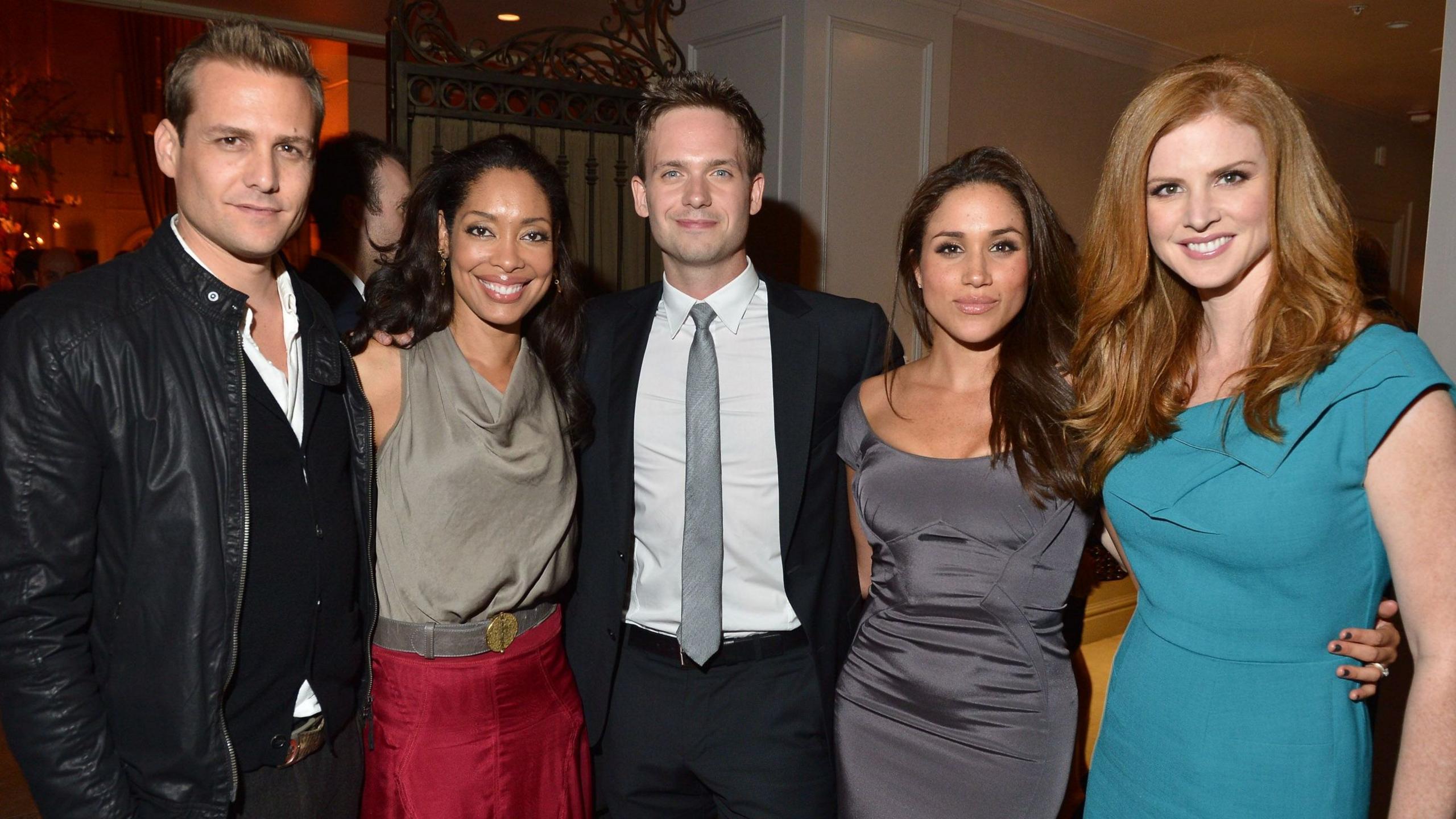 Image source, Getty Images
Dame Caroline said: “For all its faults, the BBC drives our creative economy, supports our democracy through media sovereignty, and delivers world-class entertainment and moments that bring us together.
“Like a much-loved family member, we may criticise and grumble about the BBC but we would miss it enormously if it were no longer here for us.”
Licence fee ‘not fit for purpose’
The committee said there were “considerable challenges” for the BBC and warned that the current TV licence fee is “outdated and no longer fit for purpose”.
Currently, about 94% of individuals use the BBC each month but only 80% of households pay for a TV licence, the MPs noted.
“The licence fee should be reformed so it is no longer linked to the consumption of live TV or to a particular device, such as a television set,” the committee said.
“This should be an easier sell to licence fee payers if expanding the base is paired with a drop in the individual cost.”
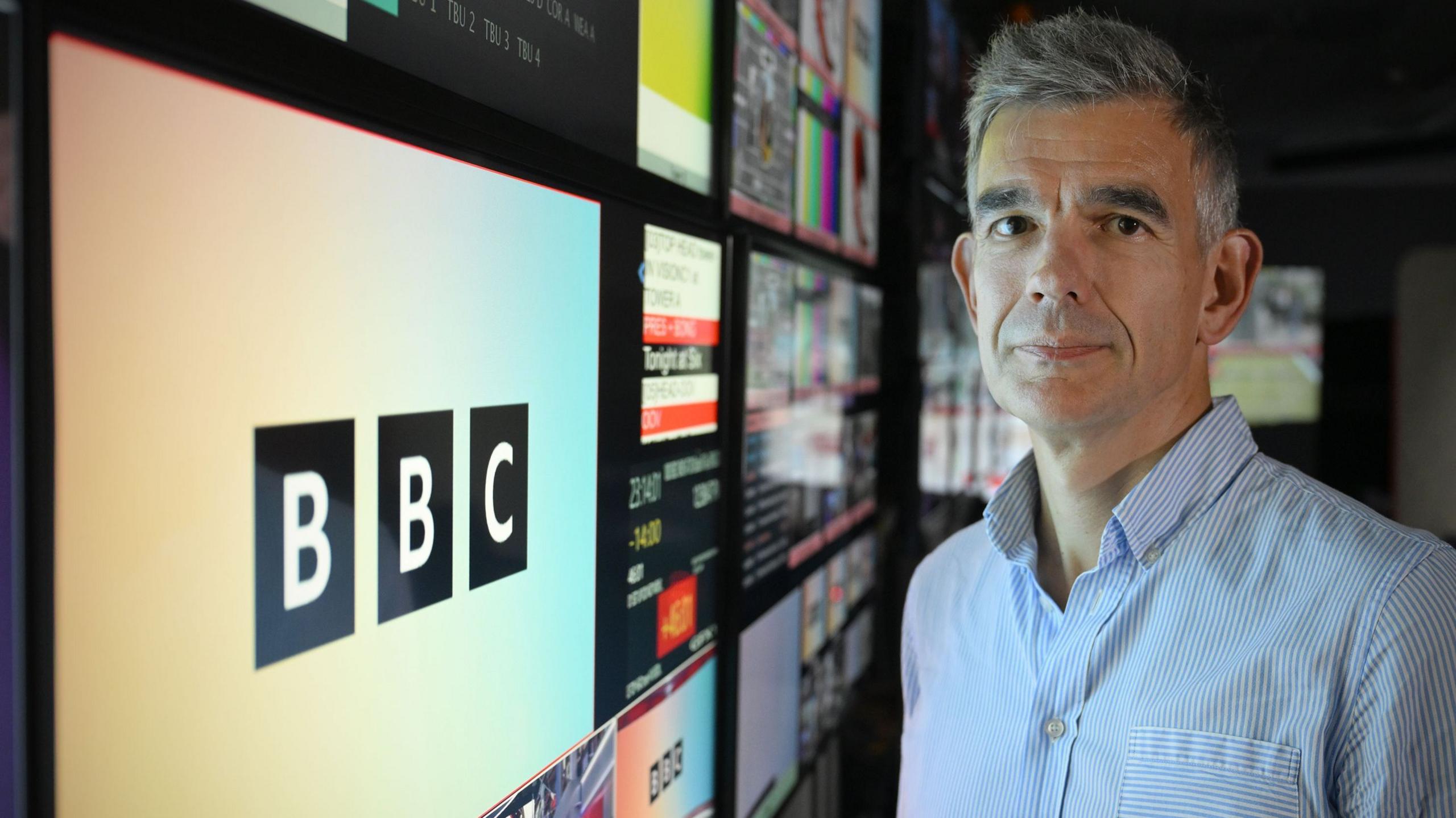
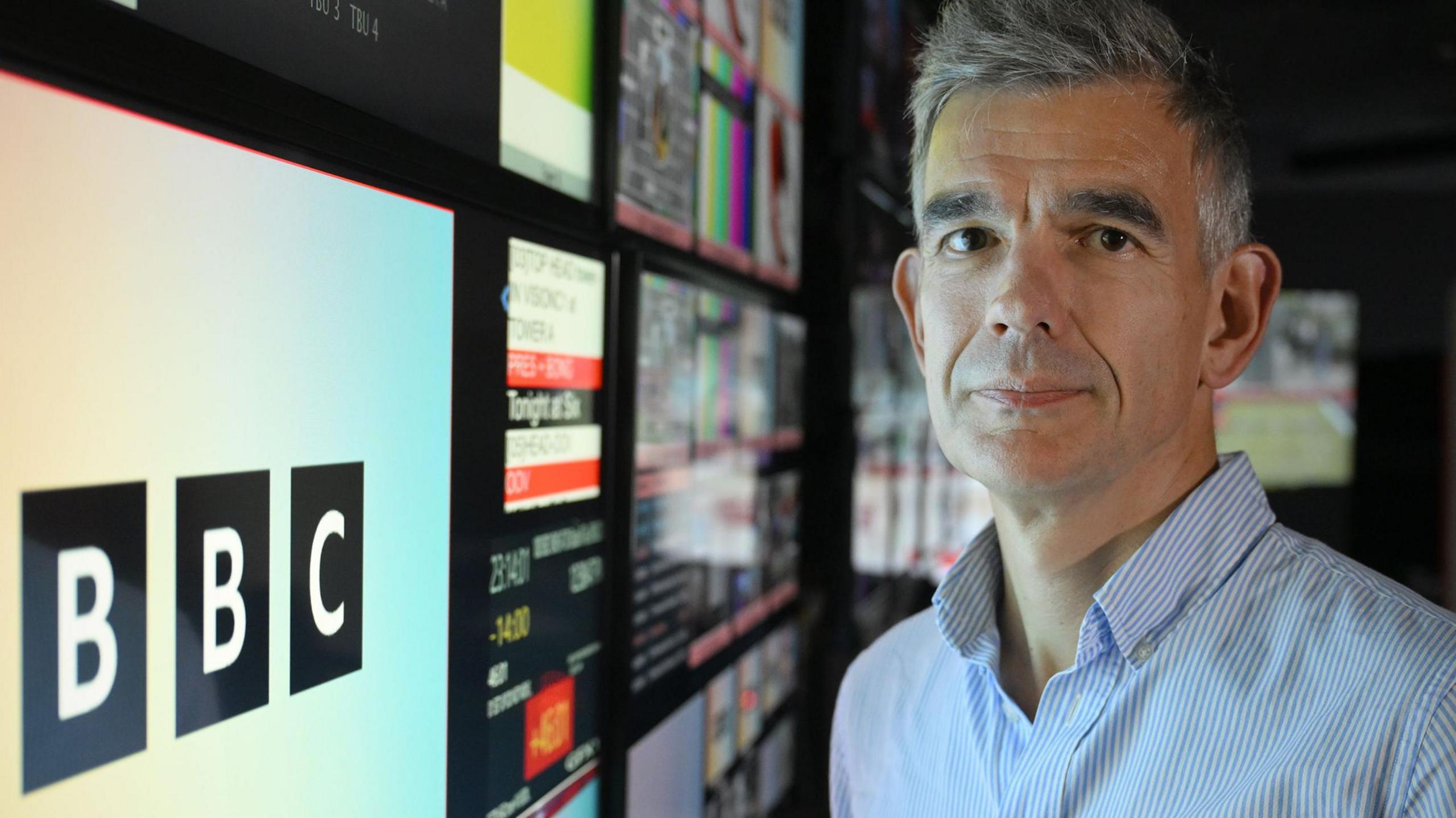
The BBC’s director-general Matt Brittin has previously described the current licence fee model as “a busted flush” and “yesterday’s model”, and has said the price could be cut if more people pay under an overhauled system.
The committee also suggested the BBC should:
-
Explore the opportunity for introducing an international TV licence so it can increase its revenue and global audience
-
Work with independent production companies who own the rights to many of its programmes to ensure more remain on iPlayer
-
Develop its current premises with facilities that can “harness the potential of new media and support the creator economy”
The committee suggested the government should:
-
Support the corporation by legislating to put a BBC button on remote controls for smart TVs
-
Press YouTube to give a certain level of prominence for content made by the BBC and other British public service broadcasters
-
Take back full funding for the BBC World Service, describing it as “the UK’s number one soft power asset”
The committee supported opening up BBC iPlayer to shows from other public service broadcasters such as Channel 4.
Earlier this week, Channel 4 chief executive Priya Dogra said, external she was open to her network’s content being hosted on iPlayer.
The report also called for the end of political appointments to the BBC board, to improve governance and remain trusted by the public.
And the committee recommended that the BBC is given new public purposes relating to innovation and technology and combating misinformation and disinformation.
The BBC welcomed the report, which it said made “some important and interesting recommendations on the future of the BBC”.
A BBC spokesperson said: “We have consistently argued that the current funding model is outdated and needs reform, so we welcome the Committee’s support for maintaining universal funding while overhauling the licence fee.
“We are also pleased to see their recognition of the vital work of the World Service, with a clear recommendation that responsibility for funding should return fully to Government.
“At a time of huge disruption in the media, the BBC’s trust, reach and creative strength remain unparalleled. But we also recognise the need to evolve and move faster towards the future.”
The government’s Department for Digital, Culture, Media and Sport (DCMS) said it “agrees entirely with the Committee’s conclusion that it is in the country’s best interests for the next Charter to support an ambitious and innovative BBC, and that the corporation cannot be left to a future of managed decline”.
A DCMS spokesperson added: “We will review and consider the committee’s recommendations in detail, alongside the views of the public and other stakeholders, to inform decisions for the next Royal Charter.”
-
-
Published5 days ago
-
-
-
Published8 July
-
-
-
Published5 March
-