
Some BBC channels and radio stations ‘may well’ have to close, director general says
To play this video you need to enable JavaScript in your browser.
This video can not be played
-
Published
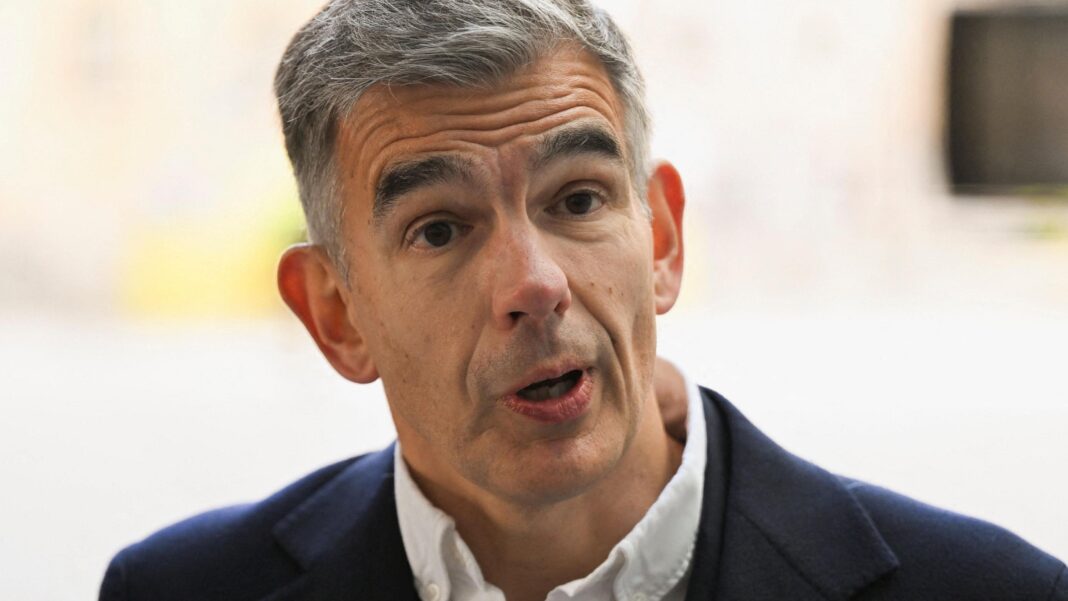
The BBC’s financial situation and changing audience habits “may well mean” some channels and radio stations have to close so resources can be invested in on-demand services, its director general has said.
As the BBC seeks £500m savings, Matt Brittin told BBC One’s Sunday With Laura Kuenssberg that “we wouldn’t guarantee any programme or any channel will exist forever”.
He said: “The tight financial situation means that we’re having to look at some of those decisions a bit sooner than we might like.”
Audience behaviour is also rapidly changing, he said. “If most of an audience is getting things on demand, we have to look the value and the cost of all of those different services.”
‘We’re locked into yesterday’s model’
Brittin said his focus when making savings was to “minimise the impact on audience”.
He explained: “We might have some channels and services where maybe 100,000 people are watching the broadcast service but 500,000 are getting those programmes on iPlayer.
“When’s the right time to migrate that service fully to being on-demand? And part of my job is to safeguard value for money for the licence fee payer.”
The BBC should go “in different ways to reach audiences and we’re locked into yesterday’s model of how people consume content, and actually the audience is always already living in tomorrow’s world”, he said.
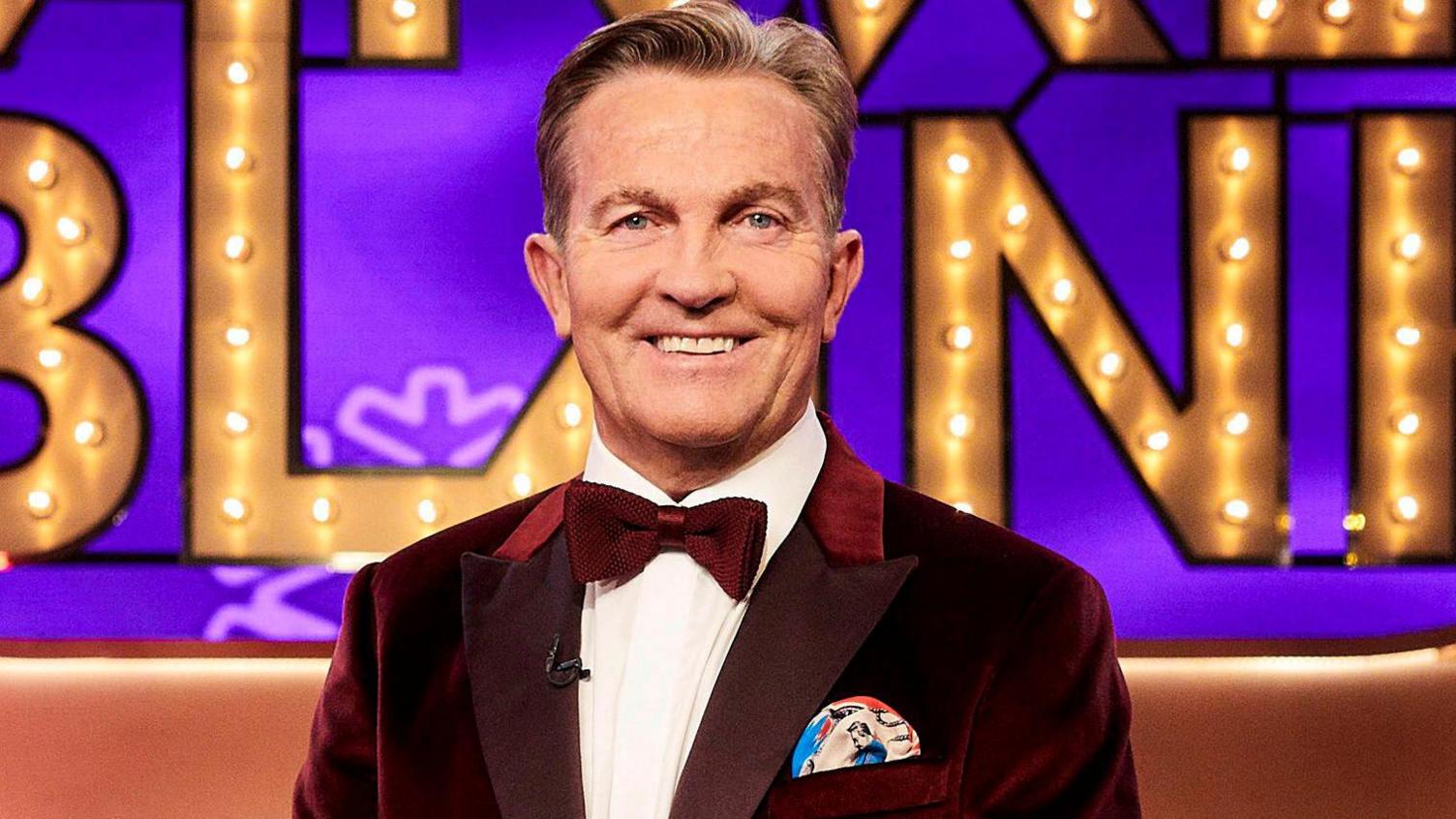
In recent months, the BBC has announced a series of closures of jobs and programmes including Blankety Blank, Celebrity Mastermind, Live At The Apollo and Football Focus, and further cuts are expected.
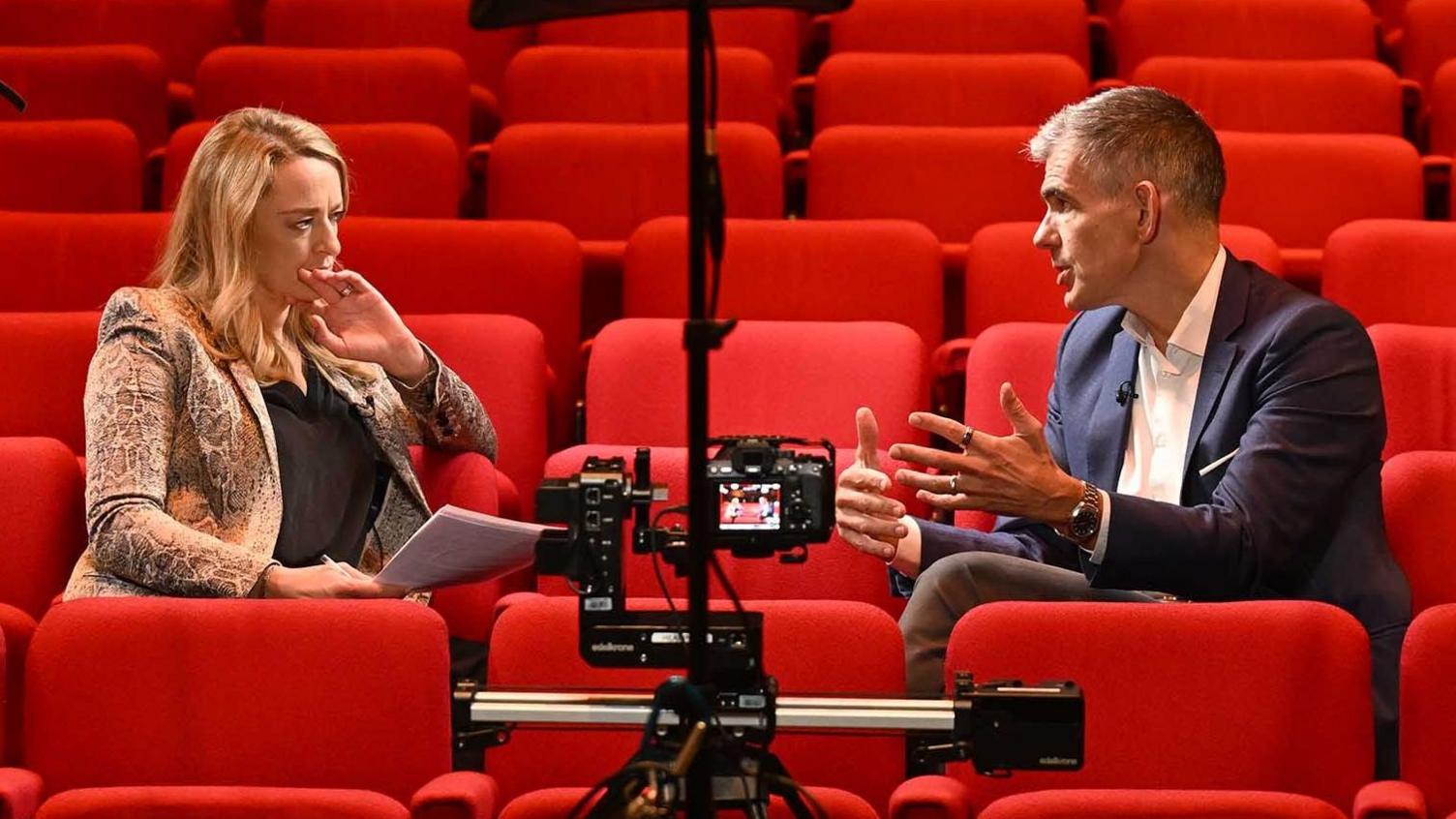
Brittin took over as BBC director general in May after a decade as president of Google in Europe, the Middle East and Africa.
Asked by Kuenssberg if he would allow a programme to be made and presented by AI, Brittin replied: “I would do, within guardrails.”
He added: “We want to experiment with this technology and understand what it can and can’t do, but I’m here because I believe in human creativity.
“I don’t think anything we do should be replaced by AI. I think there are lots of places where AI can help us make the licence fee go further, but also help us in our decision-making and creativity. But it’s not a substitute for humans.”
He also warned of the danger of a handful of tech companies having too much control over information in the future.
“We’re also in this moment where AI is in takeoff. So I think there’s a danger that six companies will control access to information in future and the creation of information and misinformation,” he said.
“Six companies, none of them European, let alone British. In that world, here’s the BBC. It’s the most trusted organisation by over half a billion people.”
Asked if he trusted big tech companies he replied: “There’s a lot of platforms out there, so I wouldn’t trust any platform innately.
“And I think what you do is you keep under review how those things work and whether your content can show up in the right place and fulfil its mission.
“I think the BBC and our apps and services should be the antidote to the algorithm. Everywhere else you go is driven by some commercial interest.”
The full interview will be broadcast BBC One and iPlayer on Sunday with Laura Kuenssberg, on 27 September, at 09:00 BST.
-
-
Published27 August
-
-
-
Published29 July
-
-
-
Published18 May
-