
This post was originally published on this site.
Spaces in male prisons fall to lowest level of year, sources say
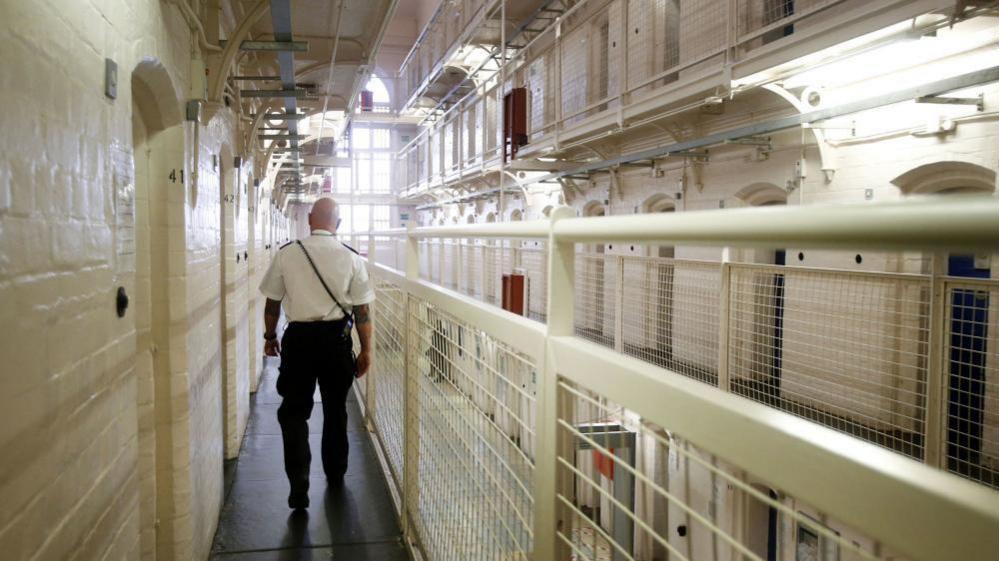 Image source, PA Media
-
Published
The number of available spaces across the male prison estate in England and Wales has fallen to its lowest this year, sources have told the BBC.
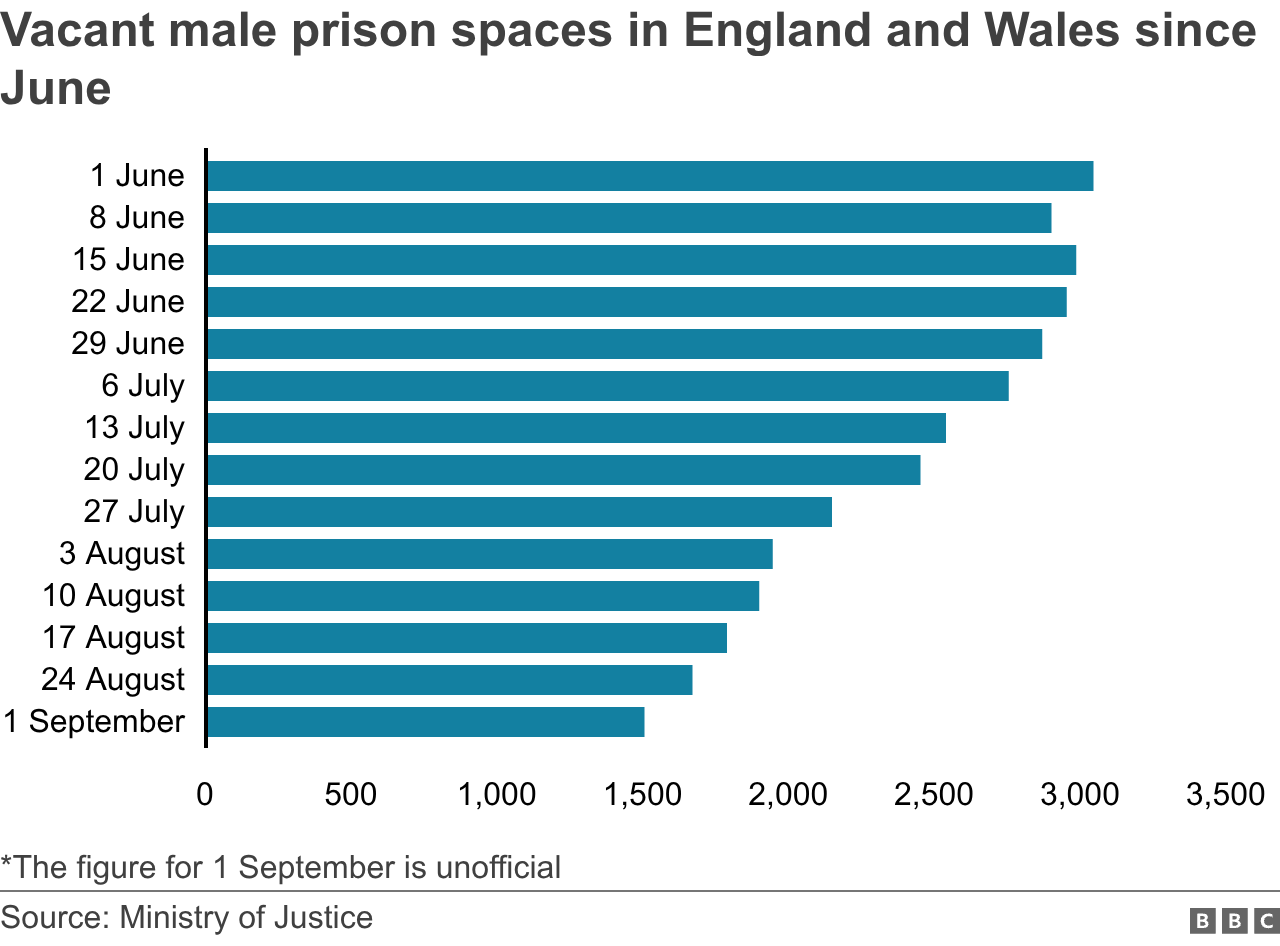
As of 1 September, there were about 1,500 free spaces, just under half the number available at the start of June, which Ministry of Justice (MoJ) figures put at 3,040.
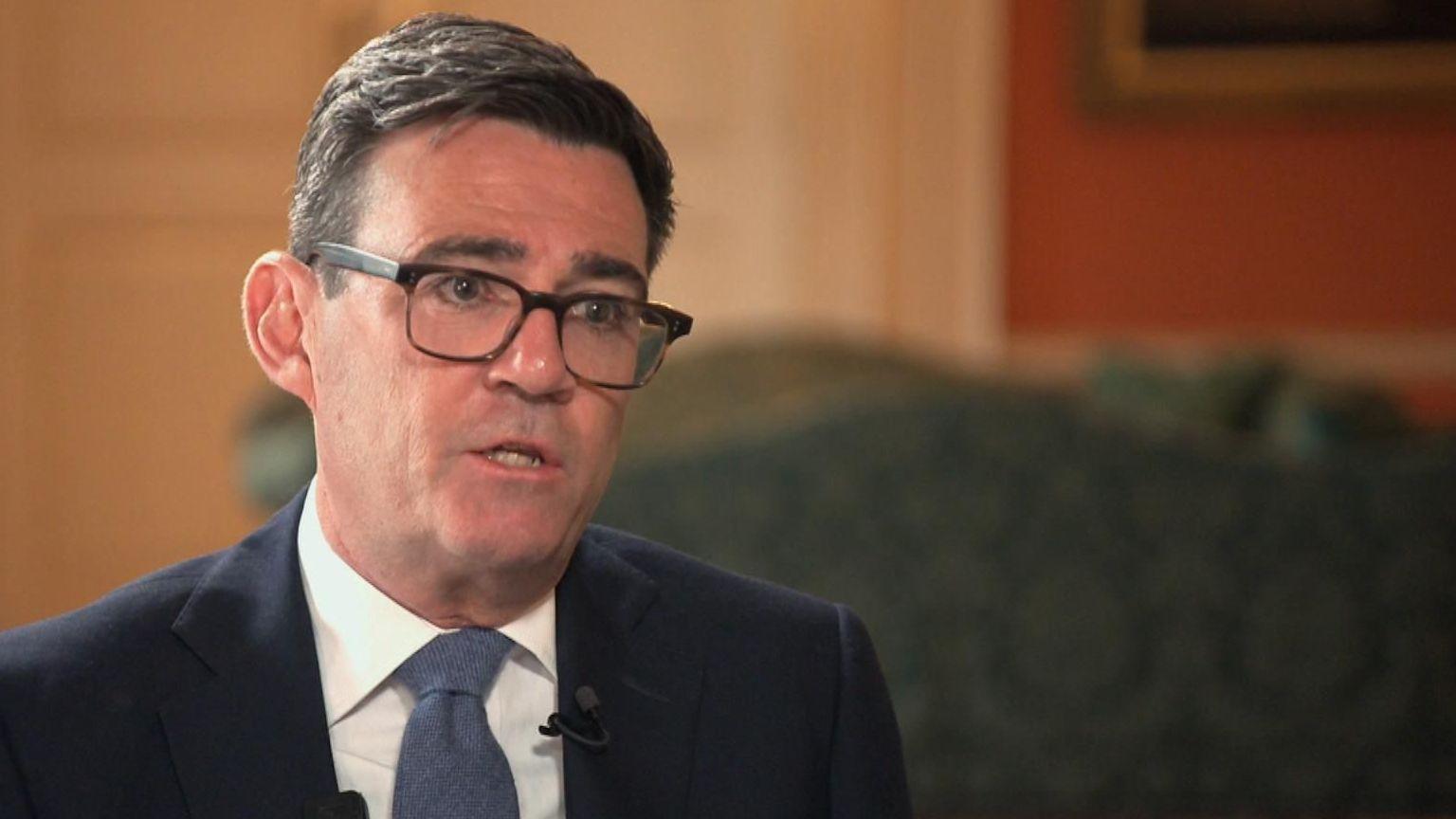
It comes as Prime Minister Andy Burnham announced changes to the government’s early release scheme, which will mean more prisoners, including those convicted of manslaughter, will remain behind bars for longer.
Justice Secretary Alex Norris told the Commons on Tuesday the scheme, which was launched to reduce prison overcrowding, is needed to maintain confidence in British justice.
-
Laundry rooms to be turned into cells to tackle prison overcrowding
-
Published11 hours ago
-
He also said he will hold some 18-year-olds in young offenders’ institutions for longer to delay transferring them to the adult male estate to help with the overcrowding in prisons.
MoJ figures show the number of available male prison spaces has been steadily falling since the middle of June, with the last official figures released on 24 August placing them at 1,665.
This week’s numbers have not been officially released due to Monday’s bank holiday but prison sources say vacancies have fallen once again.
The government has said it would create more cells in existing prisons in England and Wales as part of its plans to tackle overcrowding.
An investment of £110m, which will come from existing budgets, will be used to convert unused office space, laundry rooms and storage space into cells, the MoJ said.
Speaking in the Commons on Tuesday, the justice secretary told MPs the government’s plan to free up capacity in the UK’s male prison estate will ensure the justice system “commands the confidence of the British public”
“This is the right thing to do, and I pay tribute to his wife Lissie and mother Debbie (Adlam), who campaigned for this,” he said.
“We would like to have gone further, but due to the lack of investment in the previous government’s 14 years, we are unable to do so.”
He added Labour has been forced to take “tough decisions” because it had inherited a justice system “on the brink of failure”.
Norris also told MPs the government plans to “bring forward legislation” to end Imprisonment for Public Protection (IPP) sentences “once and for all – by the end of this Parliament”.
IPPS sentences were used where prisoners were considered to pose a significant risk of causing serious harm to the public. Once they had served a minimum term they could only be released if the Parole Board was satisfied they no longer posed a risk to the public.
Shadow Justice Secretary Nick Timothy called plans to end IPP sentences a “fag packet policy”.
He said: “This is the Government’s fifth early release policy in just six weeks since the prime minister took office.
“At every stage, we were told ministers had no choice but to include dangerous criminals, because the alternative would be the collapse of the entire system.
“Now the plan is to stop one group of dangerous criminals leaving prison early by letting a different group of dangerous criminals out instead.”
Earlier, Norris told the BBC prisoners being released early did not mean “freedom” and victims would have a say in restrictions placed on those criminals.
Asked where clothes would be washed if laundry rooms were converted into cells, Norris told BBC Breakfast: “Of course we’re going to make sure that the prisons can still function properly.
“This is a creative look, as I say, around our estate and being able to use some space that we can re-prioritise.”
Norris said he suspected the number of extra prison spaces created from freeing up existing space within prisons would be “landing somewhere in the middle” of 200 and 900.
But the chairman of the Prison Officers’ Association, Mark Fairhurst, said: “You can create as much additional space as you like, and build as many new prisons as you like, but where are the staff coming from to supervise people? Nobody wants to be a prison officer anymore.”
Prisons in England and Wales are running at 97% capacity.
Under the early release scheme some 4,500 prisoners are now expected to start being let out of prison in tranches from October.
On Sunday, the prime minister told BBC Breakfast anyone convicted of manslaughter would be excluded from the scheme, following a campaign from PC Andrew Harper’s family to block the release of two men convicted over his killing in 2019.
Extra prison space would also be created by deporting more foreign prisoners and releasing some inmates serving indefinite sentences.
Government figures show there were 10,134 foreign nationals held in custody on 30 June, 3,283 of whom were on remand and would not be eligible for deportation.
In the year to June, 5,962 foreign offenders were sent back to their home countries – the highest rate of deportations since 2017 and a 12% increase on the previous year.
-
-
Published2 days ago
-
-
-
Published3 days ago
-