
‘The music transported us to another planet’
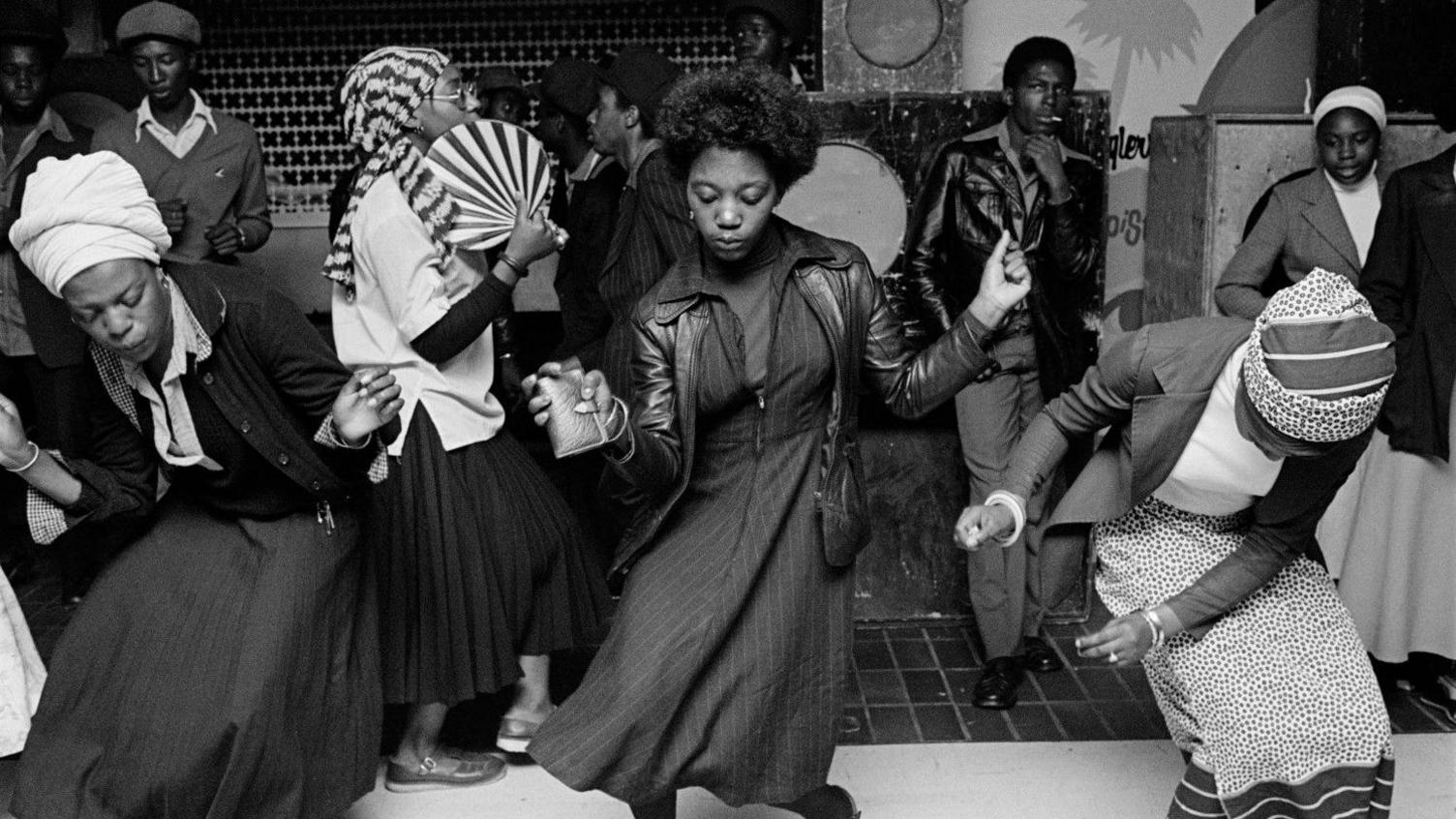 Image source, Chris Steele-Perkins
-
Published
When Vivienne Dawes first saw the photograph of herself dancing on a crowded dance floor almost 50 years ago, it felt like being transported back in time.
Captured at Wolverhampton’s Culture Centre in 1978, the image shows her among a group of young people immersed in a night of music and dancing.
At the time, none of them could have known the photograph would become an iconic image that has been viewed across the world and one of photographer Chris Steele-Perkins’ most recognised works.
Nor could they have imagined that, decades later, they would be reunited through the photo and finally have their stories told.
“Oh my goodness – oh my, and I do look like me, don’t I?” Vivianne said when she saw the image.
She is the central dancer in the photograph and can still remember the atmosphere inside the venue.
She said: “Back then, everybody was doing their own thing, was all dancing, and when the music hit us, we felt no pain.
“At the end of the day, we’re showing that we’re black sisters enjoying reggae music.”
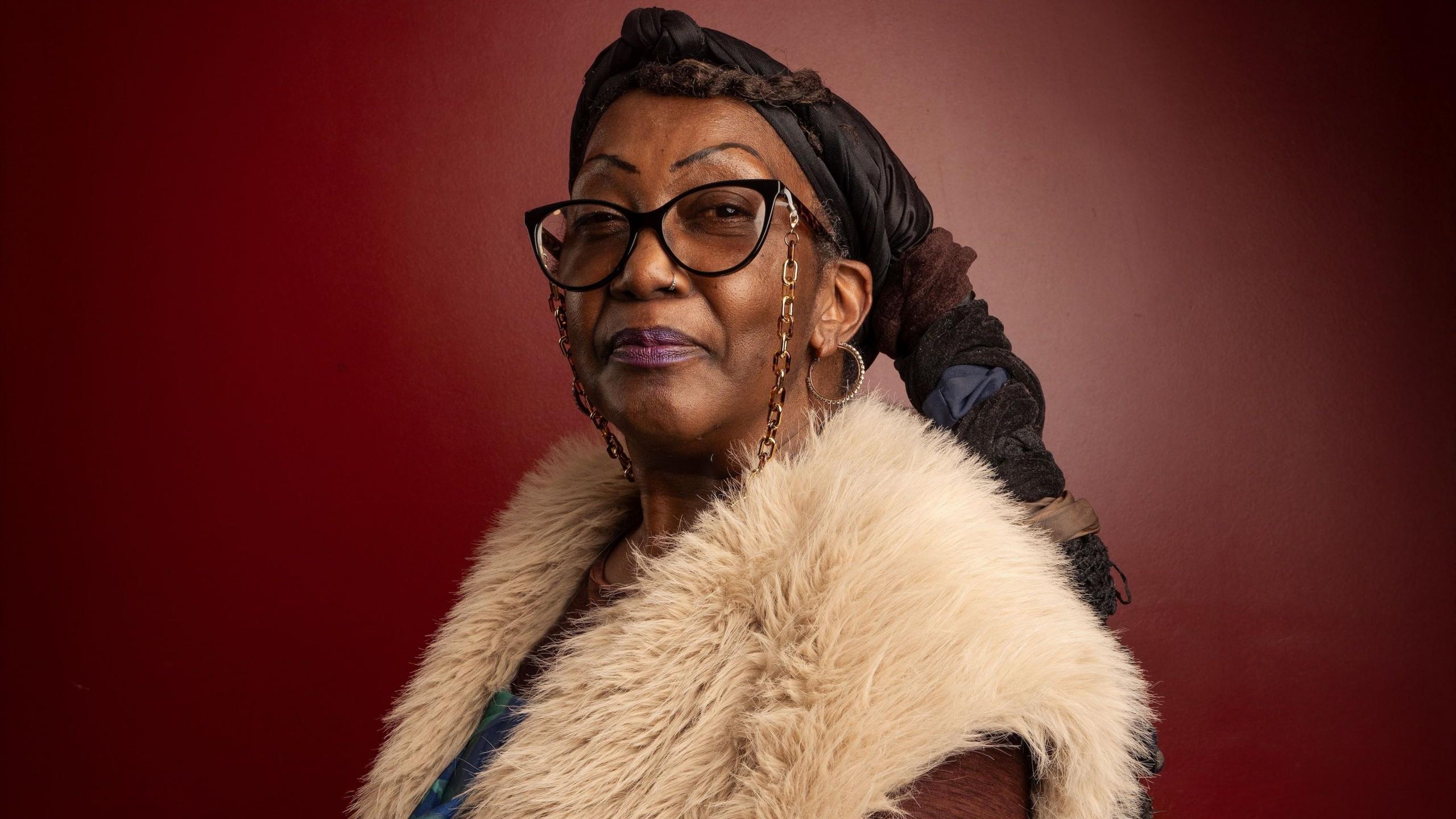 Image source, Johnathan Williams
Nearly 50 years after it was taken, the image continues to attract attention, appearing most recently in the V&A East exhibition The Music Is Black: A British Story.
Now it is going on display in its home city of Wolverhampton, at the Grand theatre.
Vivienne said she had no awareness when she was dancing that her photo was being taken.
“If you notice the way we all dance, it’s like we were on another planet,” she said.
Her dance, as captured in the photo, would also later go on to be recreated in a painting by artist Claudette Johnson, external, which will also appear in the Wolverhampton exhibition.
“It’s beautiful,” Vivienne said.
“I appreciated the fact that someone could put their time into painting a portrait of me.
“I can’t believe I looked so attractive back then, really and truly. I look very lovely.”
Lack of opportunities
While the photo has become celebrated over the years, the people captured in it have remained largely anonymous, until now.
For Winston Logan, who appears at the back of the photo on the far left, the image is a reminder of a very different Wolverhampton.
Having arrived in Britain about five years before the photo was taken, he remembers a lack of opportunities for young Black people.
“Life is hard, no entertainment, nowhere to go, no fun,” he said.
But the Culture Centre on Clarence Street offered something different, becoming a hub for music, dancing and community.
Looking back, Winston sees the image as a snapshot of a pivotal period in his life.
“This is where it starts, [I] went from unemployment, went from there into training, went from there into industry, construction or whatever, and now I’m passing on my skills.
“Mum and dad didn’t get to see that photo or find out about that photo.”
“This time, to the present day, my life has, I would say, blown up. Well, I can’t hide now, can I?”
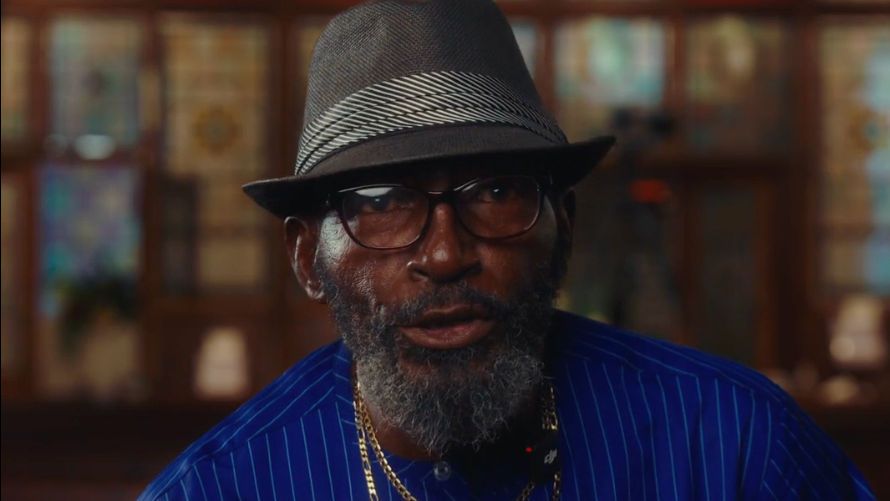 Image source, Wolverhampton Grand Theatre
In an interview with the Guardian in 2014, Steele-Perkins said he had been commissioned to go to Wolverhampton in 1978 by the Sunday Times magazine as part of a feature marking 10 years since local MP Enoch Powell’s “Rivers of Blood” speech.
He described it as a difficult commission, adding that he had not really liked the photo at the time, although it had grown on him since and had become his best-selling print.
An event celebrating the launch of the Wolverhampton exhibition on Sunday is set to reunite several of those pictured in the photo, including Macka B, now an international reggae artist, his brother Owen MacFarlane, Casa Simpson, Lisa Green and Sharon Underwood – all of whom still live in and around the city.
The idea for the exhibition came after staff at Wolverhampton Grand Theatre spotted the photograph while visiting The Music Is Black: A British Story at V&A East.
“It stood out amongst all of the other images,” curator Tonia Daley-Campbell said.
“It’s a memory. It’s captured in time.”
She said the photograph seemed to bring the dancefloor back to life.
“You can hear it, you can smell it, you can feel that image.
“We want to put all of the young people that were in that photo dancing, vibing, standing by the sound system, whatever they were doing, front and centre,” Daley-Campbell said.
“We’re bringing it back home and we’re going to make sure that is displayed and everybody will know their name.”
The exhibition opens at Wolverhampton Grand Theatre’s Encore Lounge on 4 October and will run until 31 October. Admission to the event is free.
Get in touch
Tell us which stories we should cover in Wolverhampton
Follow BBC Wolverhampton & Black Country on BBC Sounds, Facebook, external, X, external and Instagram, external.
-
-
Published25 September
-
-
-
Published2 days ago
-
-
-
Published12 March
-