
Tougher punishments for criminals who refuse to attend sentencing backed by victim’s family
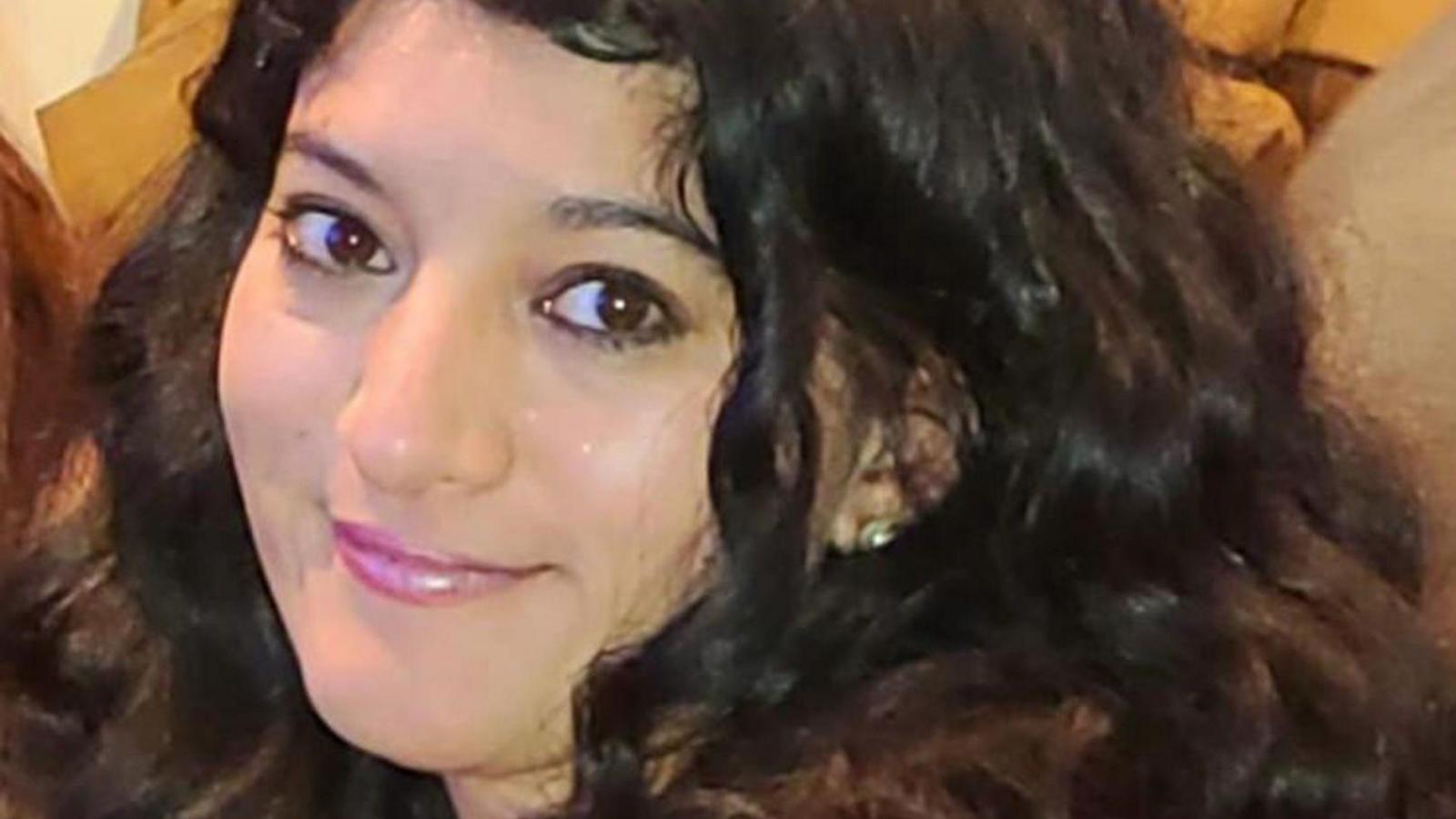 Image source, Met Police
-
Published
Tougher punishments for offenders who refuse to attend their sentencings will “rebalance the power” in the justice system, the aunt of murder victim Zara Aleena has said.
From next year, prisoners could be blocked from prison visits and confined to their cells for weeks on end if they do not follow orders to go to court.
This builds on an existing law that orders criminals to attend sentencing or face being fined or jailed for another two years.
“A year or two added to a life sentence wouldn’t make any difference to an offender. But taking away these privileges would,” Farah Naz said.
Naz said the refusal of the man who murdered her niece to go to his sentencing “left a sense that justice was not quite complete”.
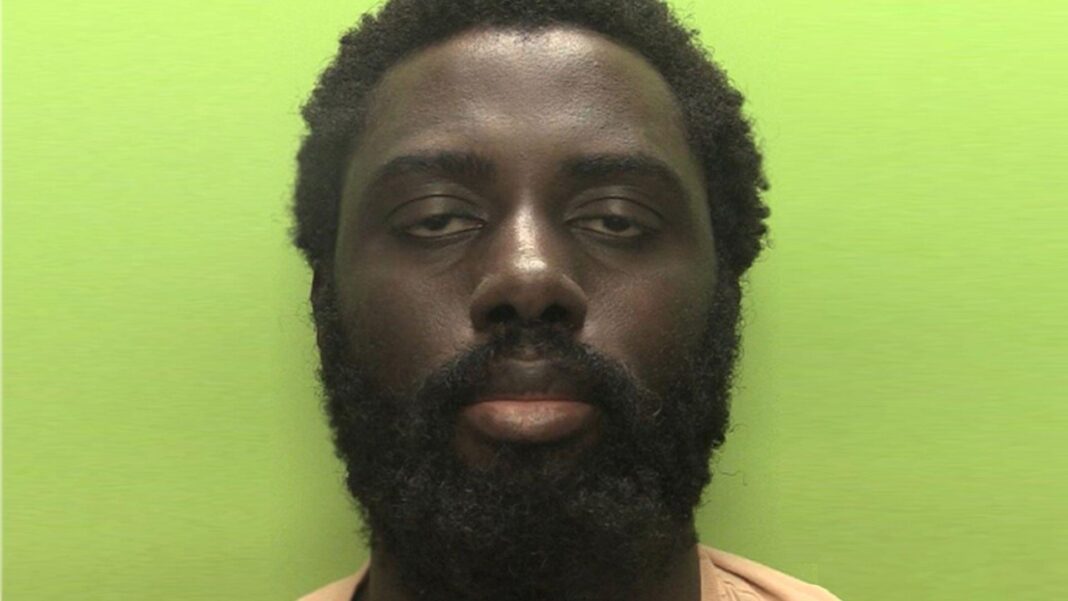
Aleena, an aspiring lawyer, was murdered by Jordan McSweeney as she walked home from an east London bar in June 2022.
McSweeney remained in his cell when he was sentenced to life in prison at the Old Bailey later that year.
He was jailed for at least 38 years, which was later reduced to 33 years after he won a Court of Appeal challenge.
Naz said Zara’s Aleena’s family had hoped that by reading their victim impact statement in front of her murderer, he would see “the consequence of his actions, of what he’d done, the devastation that he had caused”.
She added that the new measures would “bring accountability and rebalance the power in the justice system from offender to victim.”
Offenders who refuse to attend sentencing can already face a fine or up to two years additional imprisonment for contempt of court.
But the Ministry of Justice has acknowledged that longer jail time alone is unlikely to deter those already behind bars.
The new measures mean offenders could be confined to cells for up to three weeks, while social visits could be banned for 27 days and other prison privileges revoked for longer.
Judges will also be able to restrict social visits further to once every four weeks for a period of almost three months.
For criminals aged 18-20, similar restrictions could be handed down, but for shorter periods of time, the Ministry of Justice said.
However, visits from prisoners’ children will be exempt from the new sanctions.
“Criminals should not be able to pick and choose when they face justice,” Prisons Minister Catherine McKinnell said.
“Refusing to turn up to sentencing is an insult to victims and their families, and offenders must face the consequences,” she added.
To play this video you need to enable JavaScript in your browser.
This video can not be played
But Pia Sinha, the CEO of Prison Reform Trust, has called for evidence that sanctions will increase attendance and warned the measures will punish relatives of prisoners who “have committed no offence themselves”.
The families of murdered primary school teacher Sabina Nessa and mother-of-three Jan Mustafa joined Zara Aleena’s family in campaigning for changes to the laws.
All of their loved ones’ killers did not attend their sentencing hearings.
Thomas Cashman, the gunman who murdered nine-year-old Olivia Pratt-Korbel, and triple crossbow and knife killer Kyle Clifford, also refused to face their punishment in court.
Victims’ Commissioner for England and Wales, Claire Waxman, said the announcement followed “tireless efforts of victims’ families” not accepting offenders simply “opting out of facing justice”.
She said it was “essential” the powers were used “consistently by courts and prisons, so families receive the justice and accountability they deserve”.
-
-
Published7 May 2025

-
-
-
Published2 days ago
-