
This post was originally published on this site.
What big issues are on the agenda as Stormont returns after summer?
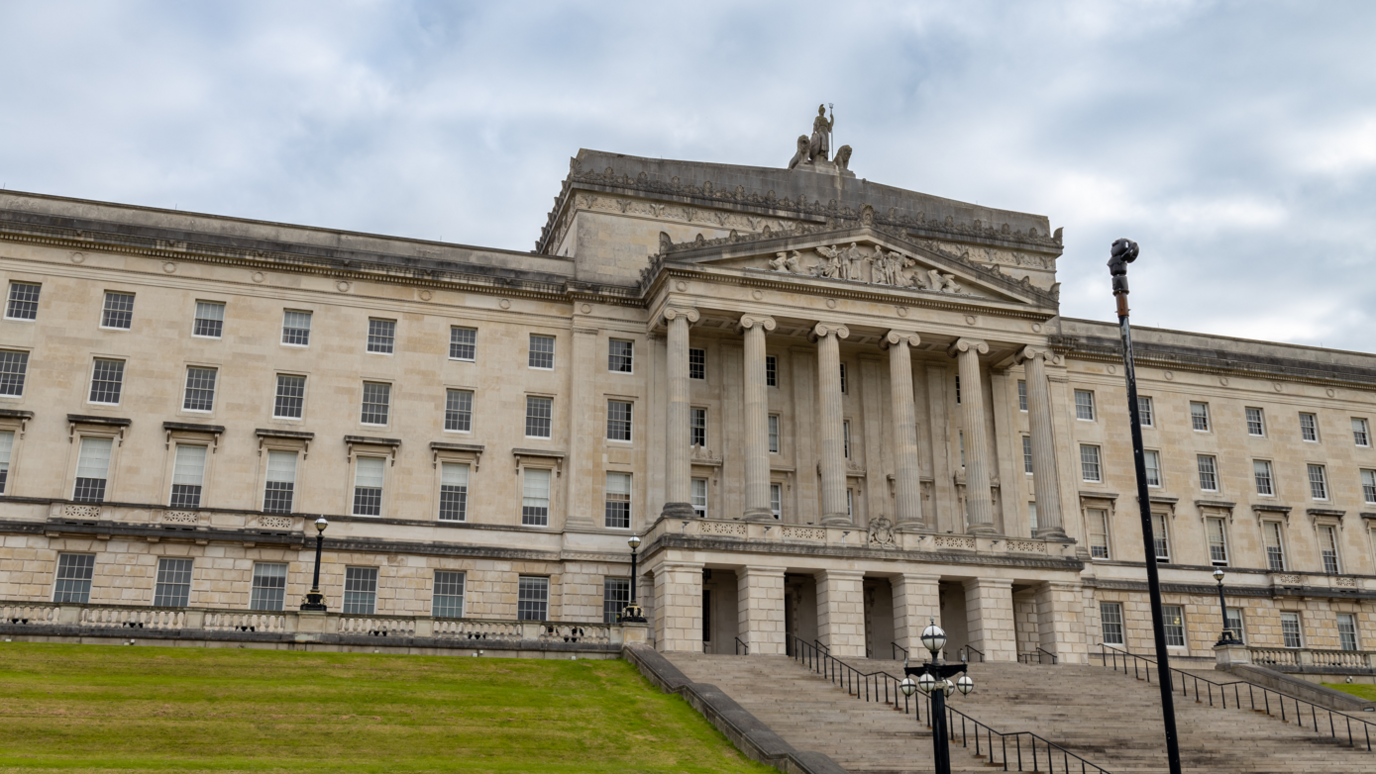 Image source, Getty Images
-
Published
It’s not even the start of a new Stormont term and already there have been leaks.
Albeit it wasn’t some big scoop but a rather damp surprise for the Social Democratic and Labour Party (SDLP) MLA Colin McGrath, who took to social media saying a water leak over summer had left his assembly office looking worse for wear, external.
Even the most casual observers of politics here could guess, however, that Stormont’s leaky roof problems are outweighed by the ever-slow drip of political activity inside the building – a place the assembly’s freshest face will witness for himself from this week.
On Tuesday, Paul Boggs was named Sinn Féin’s new West Tyrone MLA after Maoliosa McHugh – who’d already said he wouldn’t run in the next election – decided to call it quits.
Boggs brings the number of MLAs who have been co-opted since the last assembly election to 14 and that figure could go up still before the upcoming election next May.
Co-options aside (that’s a whole other piece), the backdrop of said looming election means parties are likely to be in fighting form when Stormont sittings resume on Monday.
-
No time for new minister to fix health service warns top doctor
-
Published20 August
-
-
‘Sinn Féin will not walk away from Stormont’, says Michelle O’Neill
-
Published7 days ago
-
-
Maolíosa McHugh stepping down as West Tyrone MLA
-
Published5 days ago
-
Budget deadlock
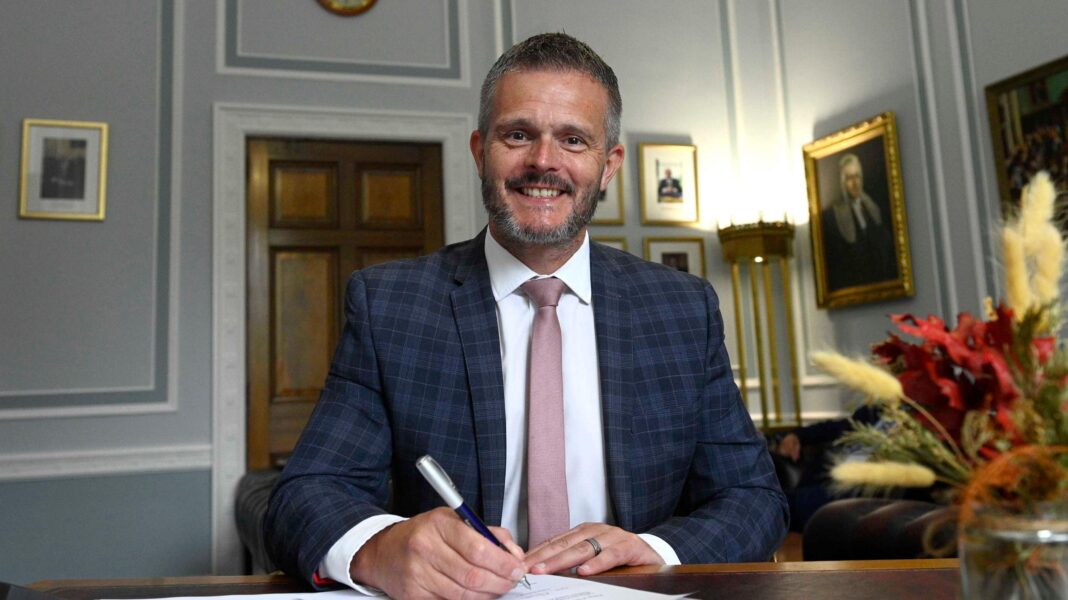
The newly-appointed Health Minister Robbie Butler will be one of those quick to feel pressure, as the 10-year anniversary of the Bengoa report – a major health reform review – approaches next month.
Pay pressures in his department and the Department of Education also make for another winter of discontent, with the prospect of strike action yet to be ruled out.
We know by now that Butler and other ministers argue that their hands are tied without a budget that can allow them to meet all their outstanding pressures.
Executive parties have been taking part in talks with Treasury officials in a bid to break the deadlock but 36 days since the legal deadline to pass a budget expired, there has so far been little sign of light at the end of this tunnel.
So much so that it prompted SDLP leader of the opposition Matthew O’Toole to issue a call to public bodies across Northern Ireland this week, asking them how the ongoing lack of financial certainty is affecting their services.
Whether point scoring or simply making a wider point about the consequences of not having a budget, others are also talking about the problems being stored up at Stormont.
Think tank Pivotal published a report, external last week on the issue, noting that several departments are facing massive overspends this year, including deficits of about £800m in health and £250m in education.
Money matters are a major sticking point for this executive but whether this can be resolved rests on what comes out of talks with Treasury and the secretary of state – more of those are expected to happen with the parties this week.
Other key issues
The budget, as big as it is, is only one item on the executive’s to-do list before the assembly dissolves in March ahead of the election.
Already ministers have been repeatedly warned by assembly Speaker Edwin Poots that time is running out to pass remaining pieces of legislation through all their hurdles.
It’s not uncommon for Stormont to sit into the small hours or hold extra days of sittings as the end of a mandate approaches – this one will be no different but there are serious question marks over some key bills.
Economy Minister Caoimhe Archibald’s so-called “Good Jobs” Bill which aims to massively reform employment laws has yet to get executive agreement, after the Democratic Unionist Party (DUP) said it had no support among business groups.
Other flagship policies including the redevelopment of Casement Park and the A5 road project also remain mothballed due to financial and legal disputes.
The reality is that as the countdown to election day gets closer the harder it will be for the executive to make decisions on major issues, for fear that any misstep could go down badly with their respective bases.
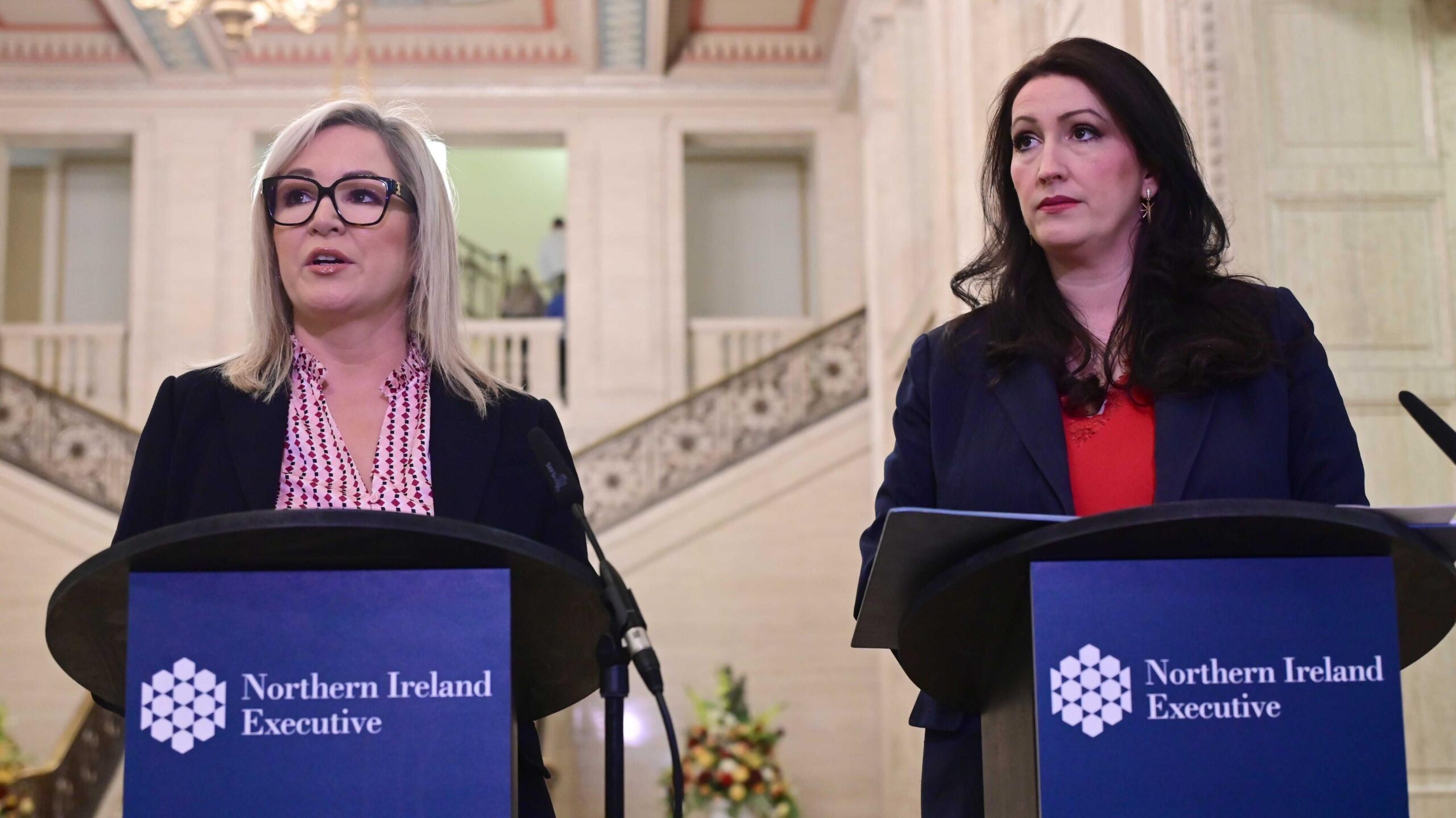 Image source, Pacemaker Press
The largest parties – Sinn Féin and the DUP – will be feeling the heat in their own ways.
Sinn Féin, which became the largest party for the first time in the last election, needs to consolidate its support and show that it can deliver – without a legislative win or two in the next few months this may be hard to demonstrate on the doorsteps.
The DUP faces its own challenges of going into its first election since the conviction of former party leader Jeffrey Donaldson in June for child sex abuse offences, which he is appealing.
In July, the party moved to commission an independent review over Donaldson’s actions while he was a member of the DUP, but it is not yet clear when the report will be completed or published.
Throw in fresh tensions over Drumcree, continuing rows over Irish language signage and pressure on Alliance’s agriculture minister over a controversial cattle cull last month and it all makes for a battle a day.
If this current executive has anything going for it, it’s that leaks of information and counter briefings against each other are much more rare than in the last executive.
Often the mood around the table is described as collegiate, even if ministers disagree on an issue.
But as one Stormont source put it recently: “You can’t leak anything if there’s nothing to leak. This is an executive in a holding pattern.”
Sooner rather than later this executive will have to circle back to big issues that can’t be ducked forever.