
This post was originally published on this site.
To improve your store operations management, start by optimizing inventory. Use real-time tracking tools to keep tabs on stock levels, ensuring you always have what customers want. Foster a culture of customer service by empowering your staff to make decisions that enhance the customer experience. Invest in training to keep your team engaged and informed. These steps can lead to better efficiency and satisfaction, but there’s more to contemplate for long-term success.
Key Takeaways
- Optimize inventory management with real-time tracking and data analytics to prevent stock issues and align with customer demand.
- Foster exceptional customer service by empowering employees and personalizing interactions to build loyalty.
- Enhance staff training with ongoing programs focused on product knowledge and customer engagement to reduce turnover.
- Leverage data analytics and technology for inventory optimization, targeted marketing, and streamlined transactions through a robust POS system.
- Improve store operations by organizing product zones and enhancing the shopping atmosphere to boost customer experience and sales.
Optimize Inventory Management in Store Operations
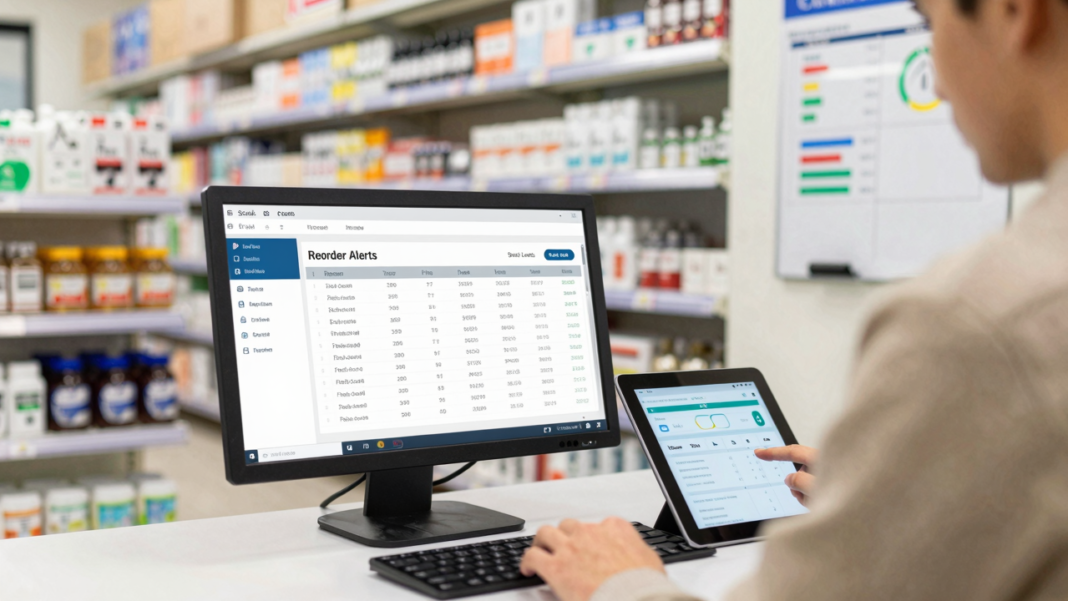
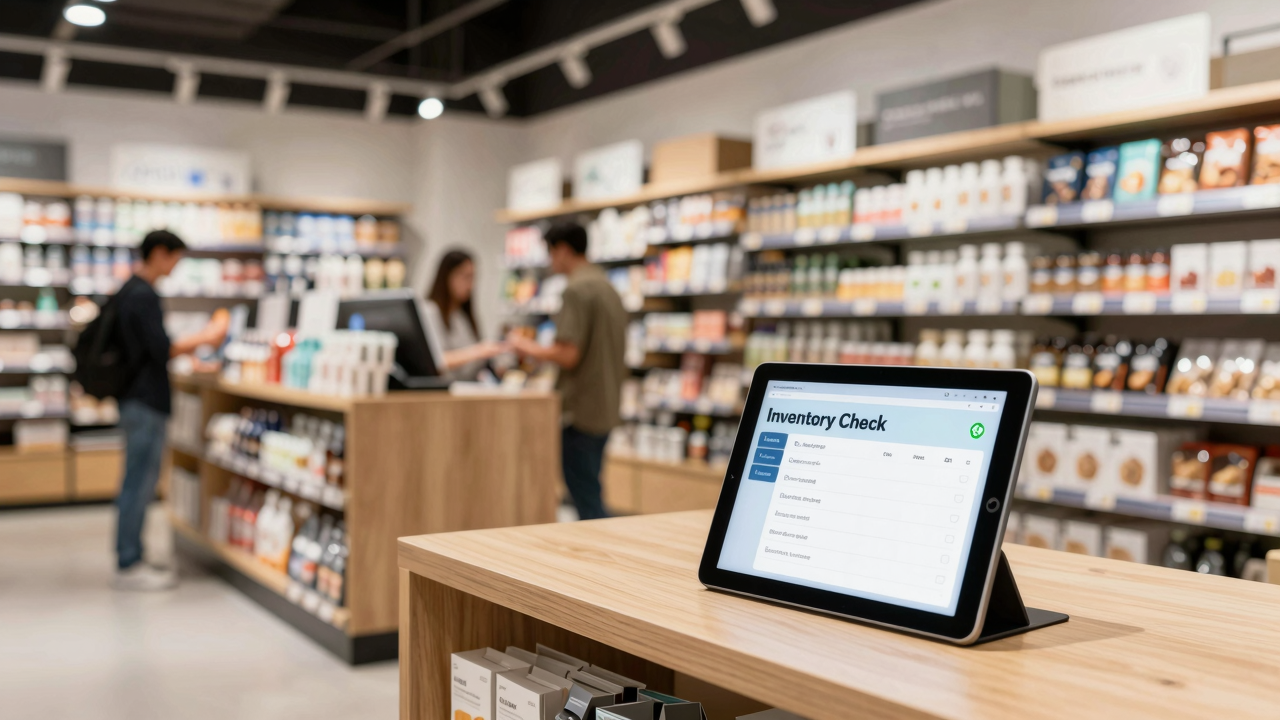
To optimize inventory management in your store operations, start by implementing real-time inventory tracking systems. This approach helps you prevent stockouts and overstock situations, enhancing cash flow and reducing waste.
Utilize data analytics for demand forecasting, aligning stock levels with customer purchasing patterns and seasonal trends. Automate your reordering processes to guarantee timely replenishment of popular items, minimizing lost sales opportunities due to inventory shortages.
[embedded content]
Conduct regular inventory audits using digital tools to maintain accuracy in stock levels. This not only improves decision-making but also assures that you have reliable data for future planning.
Integrate inventory management with sales data to identify top-selling products, allowing you to adjust purchasing strategies accordingly. By adopting these retail operations solutions, you’ll enhance overall profitability and streamline your retail store operations, assuring a smoother experience for both you and your customers.
Foster a Culture of Exceptional Customer Service
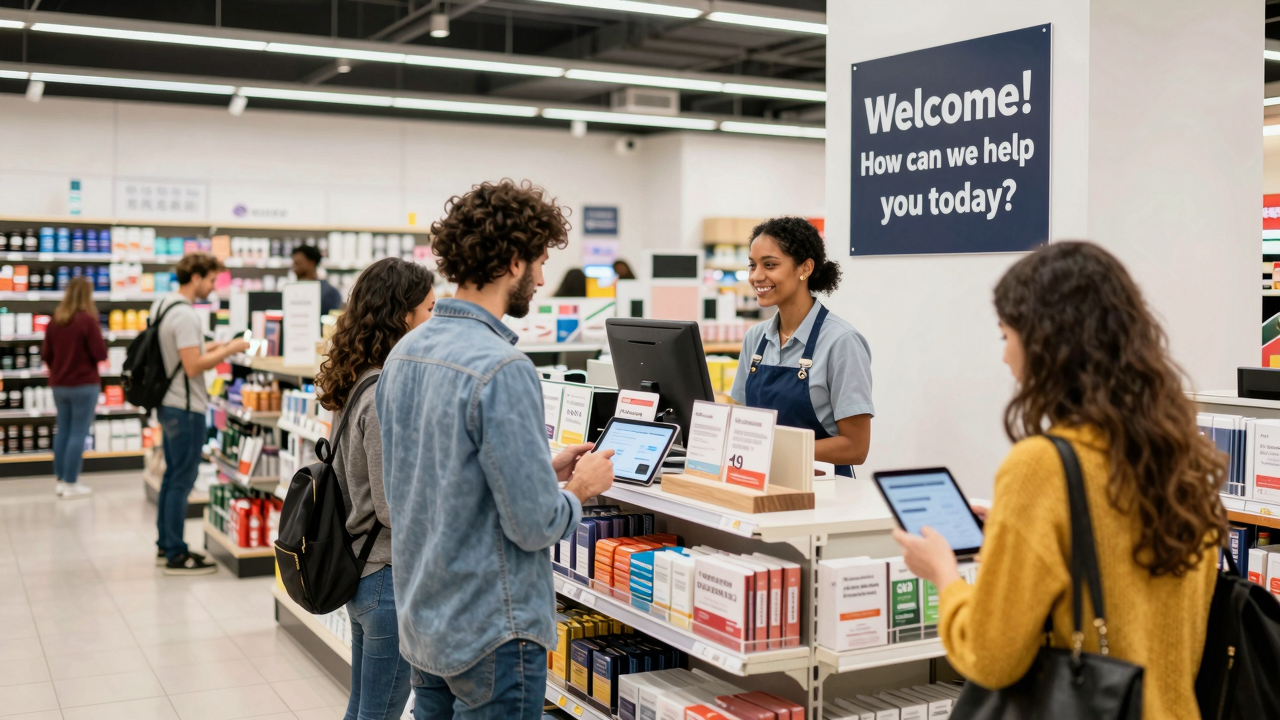
To foster a culture of exceptional customer service, start by empowering your employees through regular training sessions that focus on engagement techniques.
Encourage them to personalize every interaction, whether it’s greeting a customer by name or recommending products based on past purchases.
This approach not only enhances the customer experience but also boosts employee confidence and productivity, leading to stronger customer loyalty.
Empower Employees Regularly
Empowering employees is essential for fostering a culture of exceptional customer service. As a retail operations manager, your job description should include regular training sessions that boost staff confidence and effectiveness.
Follow retail best practices by implementing recognition programs for outstanding performance, which can elevate morale and encourage employees to excel in customer interactions.
Give employees the authority to make decisions in service situations, allowing for quicker resolutions and enhanced customer satisfaction.
[embedded content]
Maintain open communication channels to regularly provide feedback, making employees feel valued and invested in their roles.
Personalize Every Interaction
Personalizing every interaction with customers can greatly enhance their overall experience and loyalty. In retail operations, knowing your customers can set you apart.
Train your staff to recognize repeat customers and remember their preferences; this simple act can lead to a 140% increase in spending. Implement a Salesforce Customer Relationship Management (CRM) system to track purchase history and tailor interactions.
Use targeted promotions based on past purchases to re-engage lapsed customers, boosting foot traffic during slow periods. Foster a culture of exceptional customer service through regular staff training and feedback, which can reduce absenteeism by 41%.
How to Use Data Analytics for Better Decision-Making?
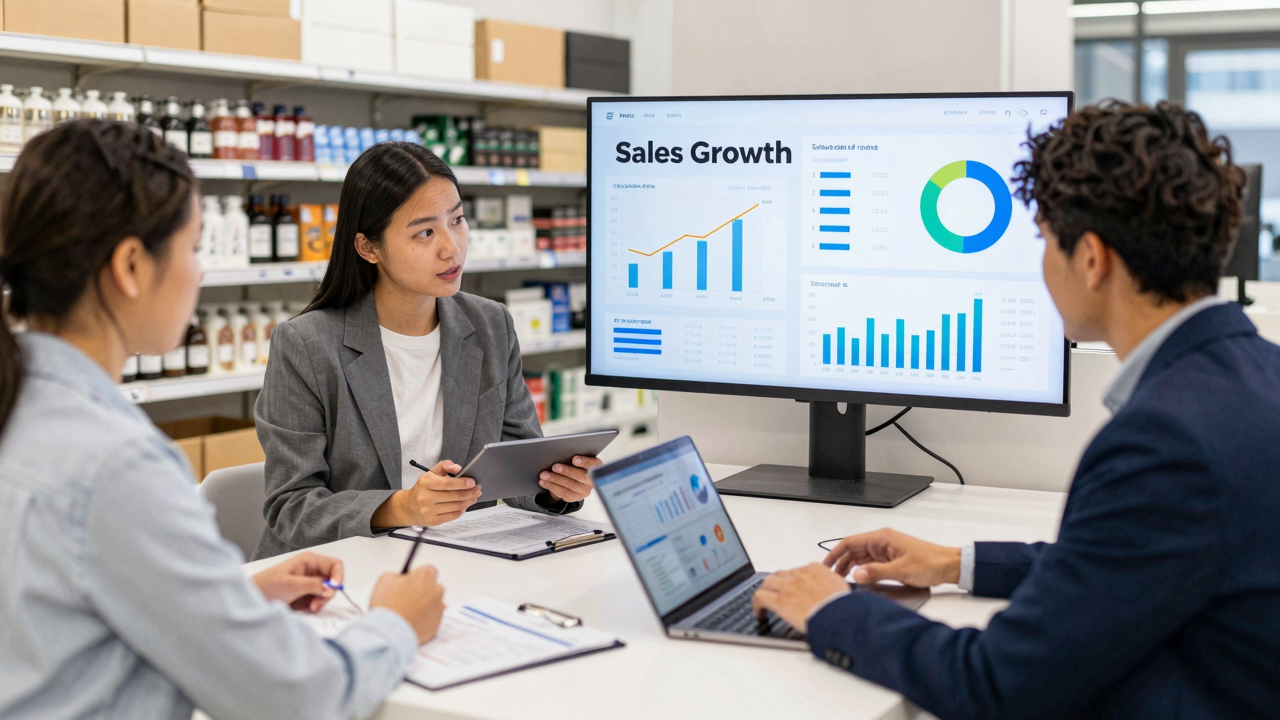
Using data analytics effectively can considerably enhance your decision-making process in retail operations. By leveraging retail operations technology, you can track Key Performance Indicators (KPIs) like sales trends and customer traffic. This information allows you to make informed decisions that could potentially increase profitability by up to 30%.
To get started, consider these actionable steps:
| Action | Benefit |
|---|---|
| Analyze customer behavior | Optimize inventory levels |
| Use predictive analytics | Align stock with customer demand |
| Monitor real-time POS data | Adjust staffing and inventory quickly |
| Implement targeted marketing | Boost customer engagement and sales |
| Review KPIs regularly | Identify areas for improvement |
Enhance Staff Training for Continuous Improvement
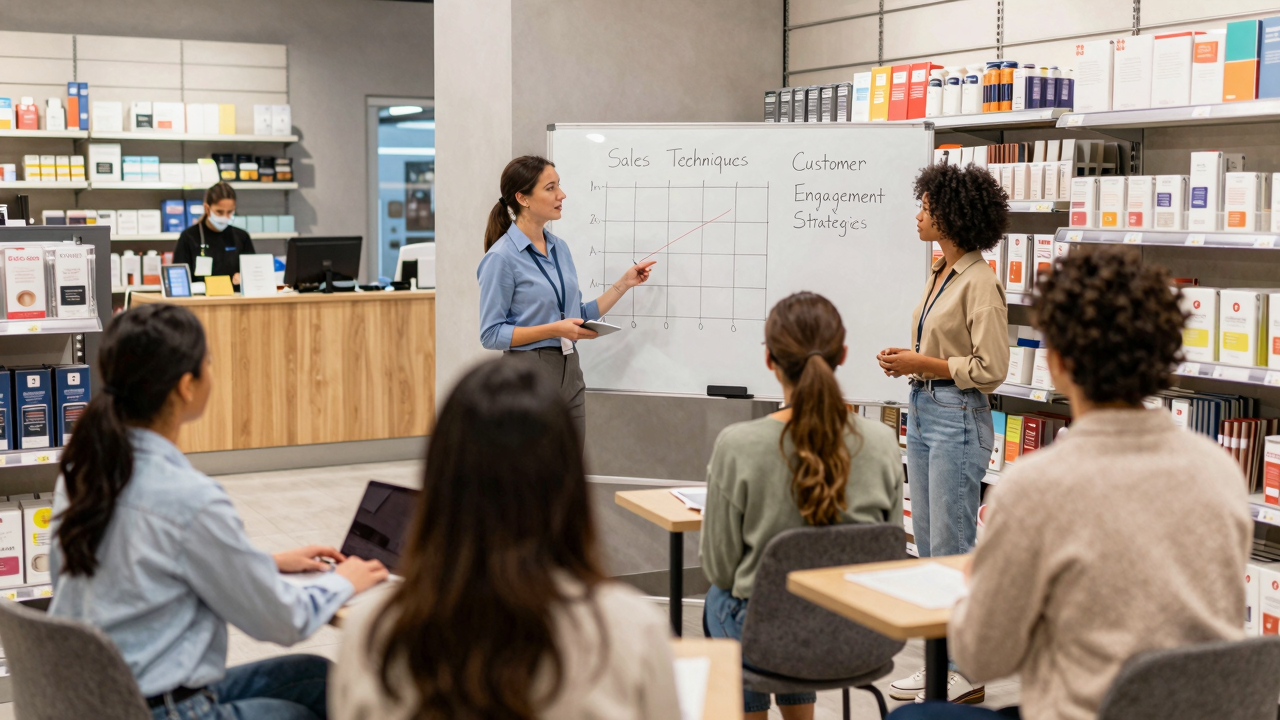
To enhance staff training for continuous improvement, start by implementing ongoing training programs that focus on product knowledge and customer service skills.
Empower employee development by providing opportunities for them to share feedback and take on new responsibilities.
Finally, use performance evaluation metrics to identify areas for growth and tailor training initiatives that address specific needs, ensuring your team is always improving.
Ongoing Training Programs
Ongoing training programs are essential for keeping your staff engaged and effective in a fast-paced retail environment.
As a retail operations officer, you must prioritize continuous learning to boost employee performance. Regular training not only enhances skills but also fosters a culture of improvement.
- Utilize real-time data: Train staff to adapt sales techniques based on customer behavior, improving service quality.
- Invest in structured programs: Structured training reduces turnover rates, as employees value professional growth.
- Focus on customer satisfaction: Engaged employees lead to satisfied customers, driving a 140% increase in spending.
2. Empower Employee Development
Empowering employee development is essential for creating a motivated and effective retail team. By investing in employee training, you can enhance staff productivity and customer service quality. Regular training sessions focused on product knowledge and sales techniques can greatly boost conversion rates. Implement a structured onboarding program to reduce turnover and absenteeism. Utilize real-time performance data to tailor training programs, addressing specific strengths and weaknesses.
| Training Focus | Benefits | Recommended Frequency |
|---|---|---|
| Product Knowledge | Increased sales | Monthly |
| Sales Techniques | Improved conversion rates | Bi-weekly |
| Customer Service | Enhanced satisfaction | Quarterly |
| Performance Review | Personalized training | After each sales period |
These strategies will drive your retail store operations transformation, fostering a more engaged workforce.
3. Performance Evaluation Metrics
Performance evaluation metrics play a key role in enhancing staff training and driving continuous improvement in retail operations.
By implementing structured reviews and focusing on measurable outcomes, you can identify areas for growth and boost employee performance.
- Regular Performance Reviews: Conduct evaluations quarterly to pinpoint training needs, increasing productivity by 14%.
- Key Performance Indicators (KPIs): Use metrics like sales per employee and customer feedback scores to gauge staff effectiveness and highlight improvement areas.
- Data-Driven Coaching: Tailor coaching sessions based on performance data, leading to an average sales increase of 20% among trained employees.
Leverage Technology for Efficient Store Operations
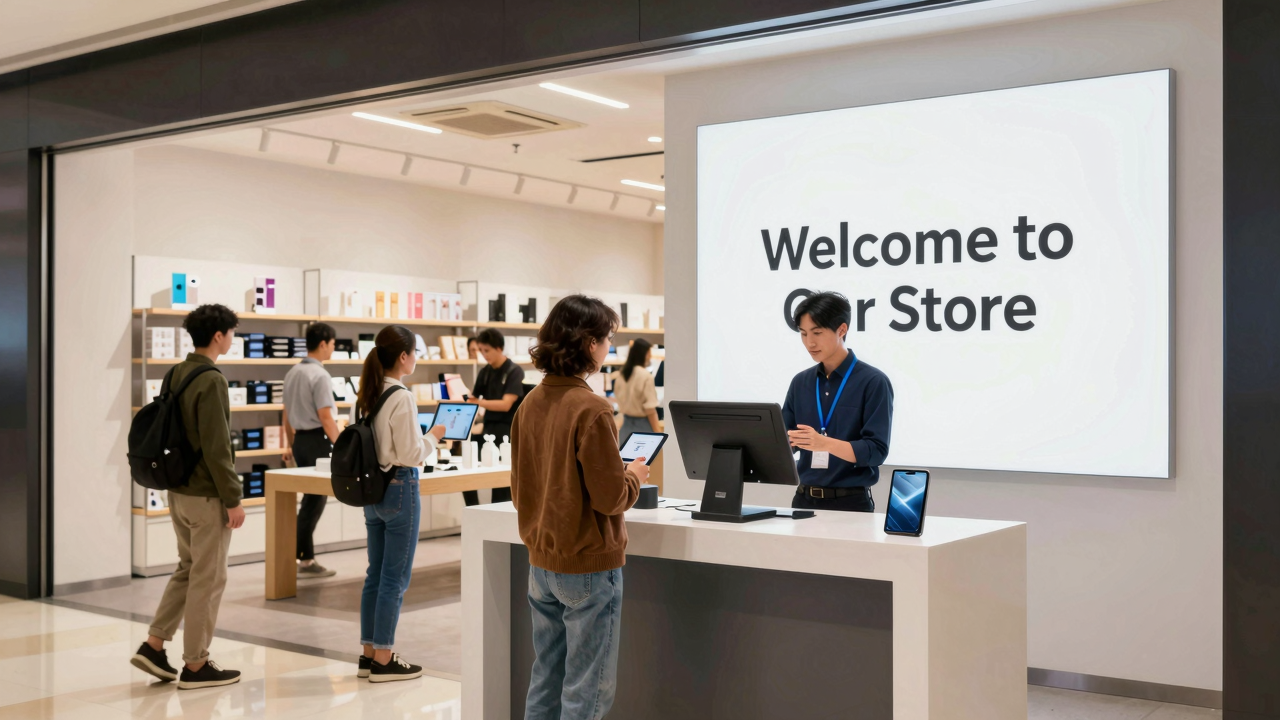
To boost your store’s efficiency, leveraging technology is key. Start by integrating a Point-of-Sale (POS) system. This not only streamlines transactions but also reduces checkout times, enhancing customer satisfaction by up to 30%.
Next, utilize inventory management software to provide real-time tracking of stock levels, minimizing overstock and stockouts, which can cut carrying costs by 20%.
Implement Customer Relationship Management (CRM) tools to personalize your marketing efforts, increasing customer engagement and loyalty by up to 40%.
Automating payroll and scheduling can also improve staff allocation, aligning your workforce with peak traffic times, and reducing labor costs by 15%.
Finally, leverage data analytics for decision-making to identify market trends and customer preferences. This will help optimize your retail operations strategy, driving sales growth and enhancing overall retail management and operations.
Take these steps to guarantee your store runs smoothly and effectively.
Creating a Customer-Friendly Store Layout
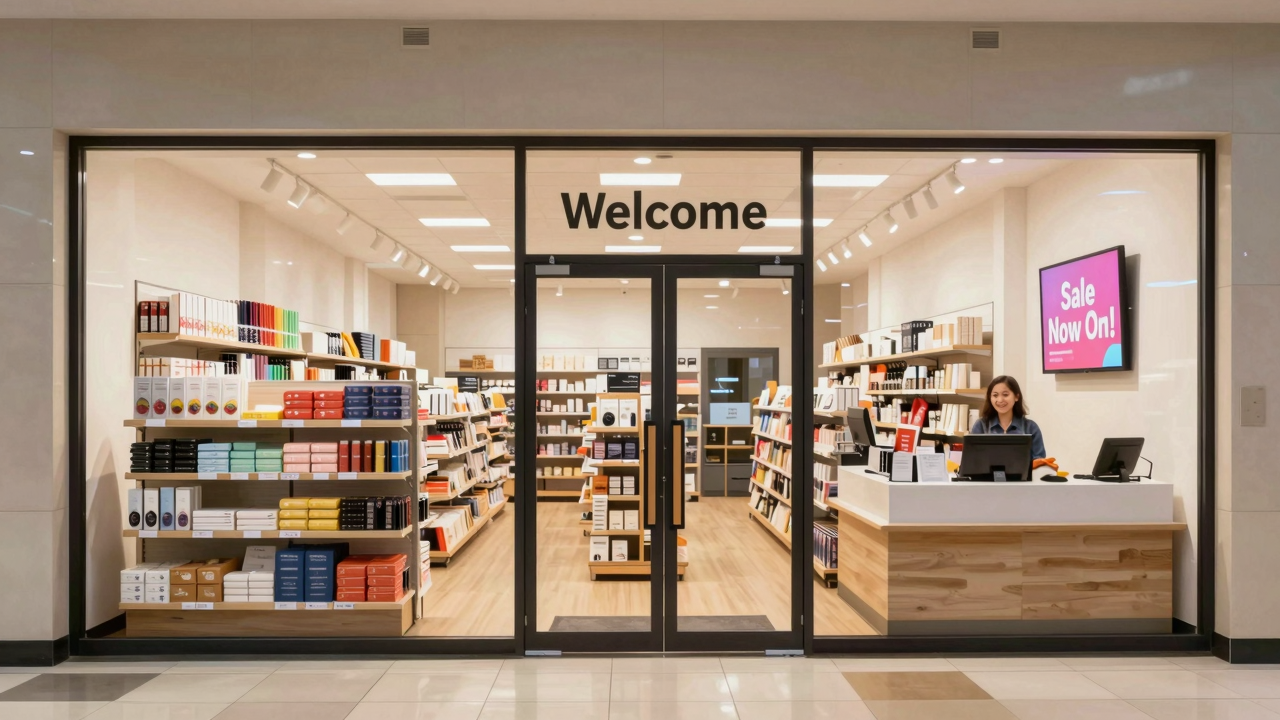
Creating a customer-friendly store layout can greatly enhance the shopping experience and boost sales. By implementing retail store best practices, you can guide customers seamlessly through your space, making their journey enjoyable and efficient. Here are some actionable steps to contemplate:
- Utilize the Decompression Zone: Design a welcoming entrance where customers can acclimate before engaging with products.
- Organize Product Zones: Group similar items together to simplify navigation and encourage exploration, leading to higher conversion rates.
- Enhance Atmosphere with Lighting: Use bright lights to improve product visibility and leverage color psychology to create a positive shopping mood.
These strategies align with the store operations definition, focusing on optimizing customer interactions and maximizing sales opportunities.
Establish Clear Communication in Store Operations
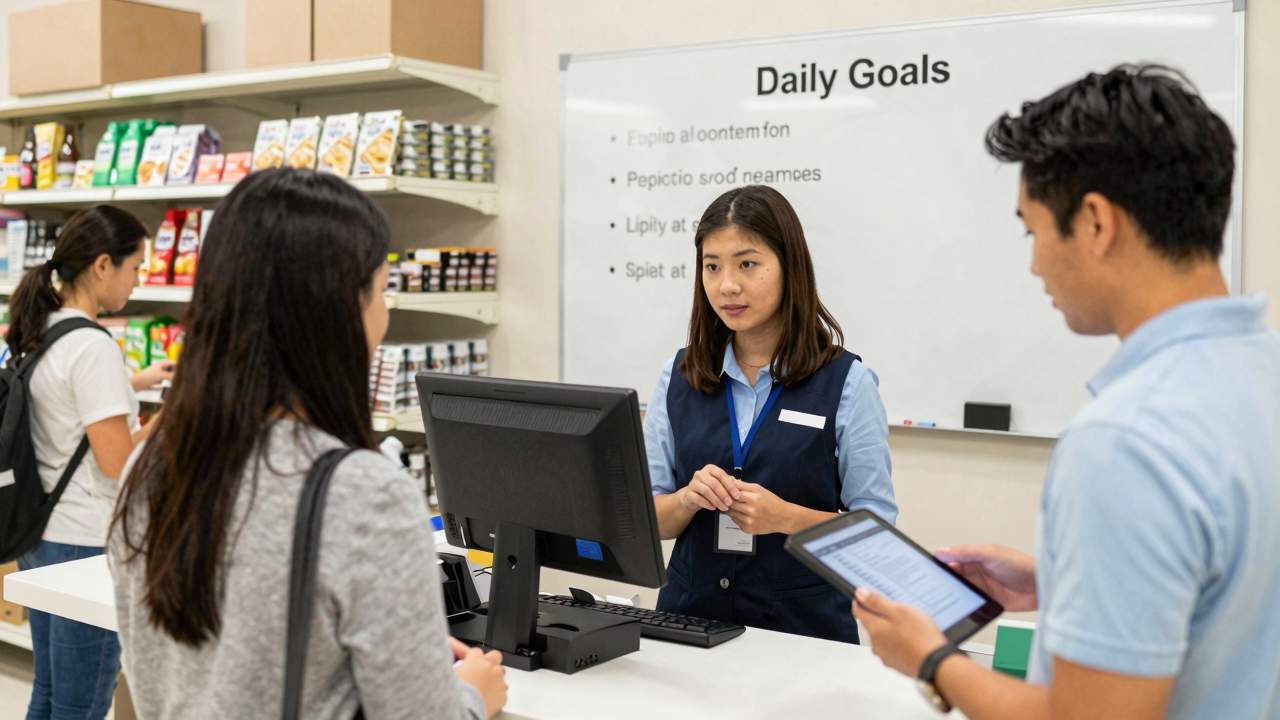
While effective communication might seem like a simple concept, it’s crucial for smooth store operations and can greatly enhance productivity. Establish clear channels among staff to reduce misunderstandings and improve efficiency. Regular team meetings help share feedback, guaranteeing everyone aligns with store goals and stays informed about changes or promotions.
| Communication Method | Benefits |
|---|---|
| Team Meetings | Aligns goals and shares updates |
| Digital Tools | Streamlines information sharing |
| Centralized Systems | Guarantees consistent information |
| Training on Techniques | Enhances customer interactions |
| Instant Messaging | Reduces response times |
Utilizing these methods leads to a 25% increase in productivity. By training employees on effective communication, you not only improve their interactions with customers but also boost satisfaction—remember, satisfied customers can spend up to 140% more. Focus on these strategies to elevate your store operations.
How to Regularly Audit Performance for Continuous Improvement?
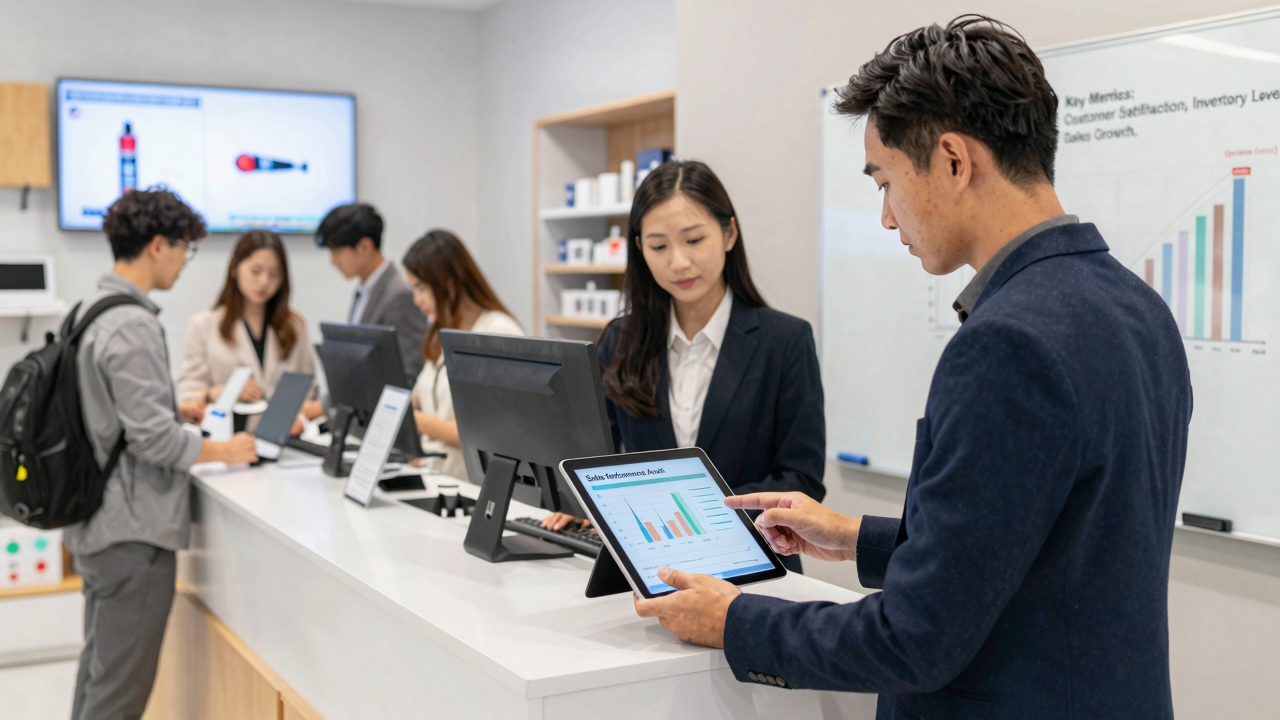
Regularly auditing performance is essential for enhancing your store’s operations and ensuring long-term success. By conducting regular performance audits****, you can pinpoint areas needing improvement and boost overall efficiency. Here are some key strategies to implement:
- Utilize real-time data analytics to identify trends and make informed adjustments.
- Set key performance indicators (KPIs) during audits to measure success and track improvements.
- Incorporate customer feedback into your audits to align your strategies with customer expectations.
To enhance retail operations logistics, consider adopting store audit software for transparency. This allows for continuous monitoring of compliance across locations.
Also, conduct training sessions based on audit findings; this not only addresses weaknesses but also engages employees, improving service quality and sales conversions.
Create a Seamless Experience Between Online and In-Store Operations
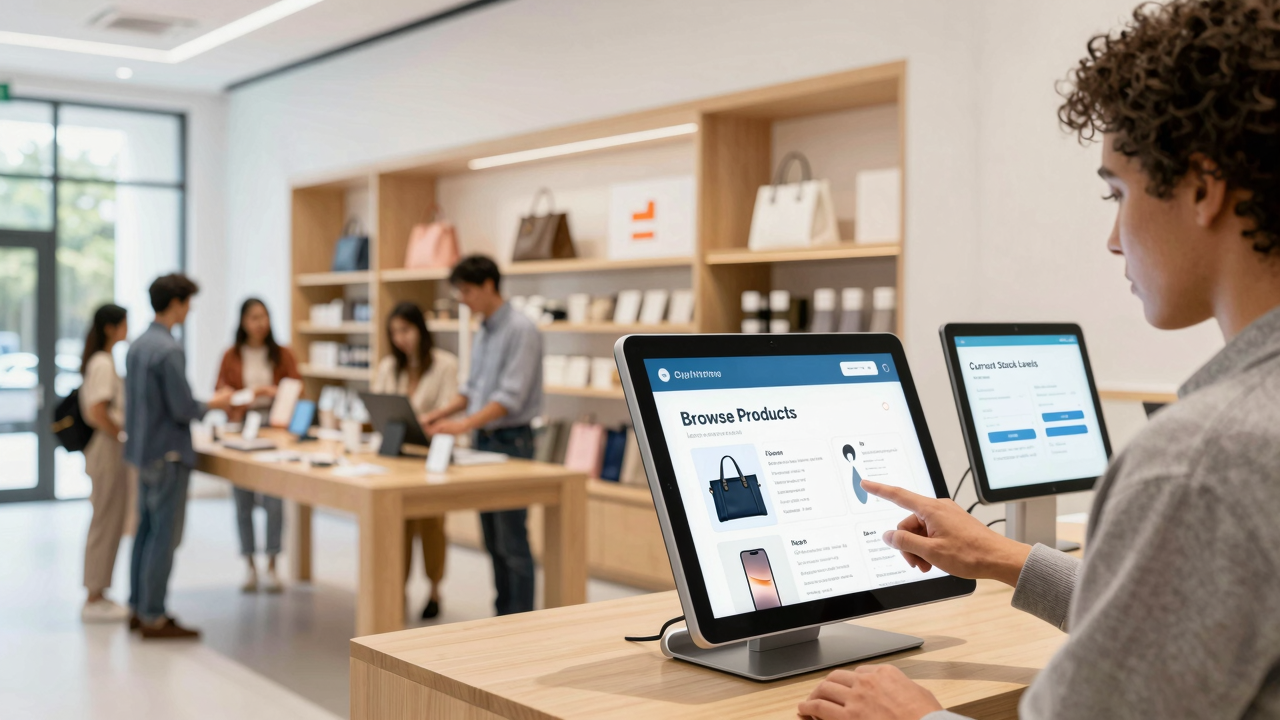
A seamless experience between online and in-store operations boosts customer satisfaction and drives sales. To achieve this, start by integrating a unified inventory management system. This guarantees real-time stock visibility across platforms, helping you avoid overstock and stockouts.
Implement click-and-collect options to enhance convenience, allowing customers to order online and pick up in-store, which can increase foot traffic.
Additionally, use data analytics to track customer behaviors across both channels. This insight enables you to craft targeted marketing strategies that cater to individual preferences.
Streamlining return processes is also essential; 67% of shoppers prefer returning online purchases in-store. By aligning these aspects, you’ll not only define your retail store operations more effectively but also apply best practices in retail store operations that enhance overall customer engagement and loyalty.
Adapt to Changing Market Trends and Consumer Preferences
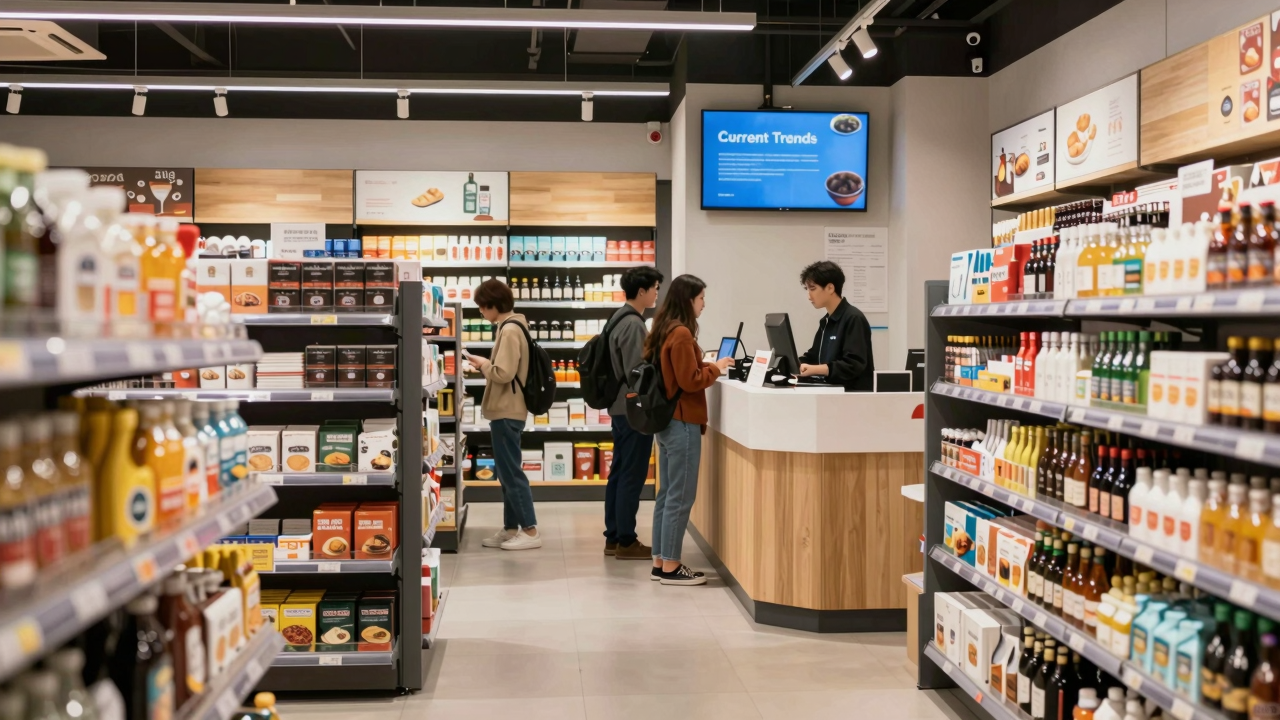
To stay competitive, you need to actively monitor market trends and adapt your strategies accordingly.
Embrace technological innovations, like e-commerce and AI, to streamline operations and enhance customer experiences.
Also, personalize shopping experiences by using customer data to tailor your offerings, ensuring you meet their evolving preferences.
Monitor Market Trends
Staying ahead in retail means keeping a close eye on market trends and consumer preferences. To effectively monitor market trends, focus on these strategies:
- Analyze Sales Data: Regularly review sales data and customer feedback to spot shifts in preferences. Adjust your product offerings based on these insights.
- Engage with Customers: Use surveys and social media to gather real-time insights. This helps you understand what consumers want, allowing for timely adjustments in inventory and marketing.
- Conduct Competitor Analysis: Keep track of your competitors to identify trends and innovations. This can guide strategic decisions in your retail operations, helping you stay relevant and competitive.
Embrace Technological Innovations
Embracing technological innovations is essential for adapting to changing market trends and consumer preferences, especially as retail evolves rapidly.
Start by implementing Point-of-Sale (POS) systems and inventory control software to streamline your retail operations. These tools reduce manual workloads and can considerably cut inefficiencies, which cost the industry billions annually.
Integrate Customer Relationship Management (CRM) tools to personalize marketing efforts based on consumer behavior data, enhancing customer engagement.
Utilize data analytics to track Key Performance Indicators (KPIs) effectively, allowing you to adjust strategies in real-time.
Automating inventory management with forecasting tools helps prevent stockouts and overstock situations, maximizing your inventory turnover.
Finally, embrace e-commerce and omnichannel approaches to meet consumer demands and boost overall sales.
Personalize Shopping Experiences
When you prioritize personalizing shopping experiences, you’re not just enhancing customer satisfaction; you’re also driving loyalty and sales.
[embedded content]
Tailoring your retail operations to consumer preferences can greatly impact your bottom line. Here’s how to do it effectively:
- Utilize customer data analytics to offer personalized promotions that resonate with individual shoppers.
- Train your staff to engage with customers, providing tailored recommendations that can lead to a 140% increase in spending.
- Adapt store layouts and visual merchandising based on insights into consumer behavior, enhancing product visibility and encouraging impulse purchases.
Frequently Asked Questions
What Strategies Do You Use for Effective Store Management and Operations?
To manage your store effectively, focus on three key strategies.
First, optimize inventory by using data analytics to track stock levels and predict demand; this cuts waste.
Next, empower your staff with regular training, enhancing customer service and engagement.
Finally, implement streamlined processes, like automated checkouts and efficient scheduling, to improve operations.
Regular audits help maintain standards, ensuring a consistent, positive shopping experience that builds customer loyalty.
What Are the 5 P’s of Operations Management?
The 5 P’s of operations management are Product, Price, Place, Promotion, and People.
First, guarantee your Product meets customer needs in quality and variety.
Next, set competitive Price points that attract buyers while maintaining profitability.
Place focuses on efficient distribution channels for easy access.
Promotion includes marketing strategies that highlight benefits, driving interest.
Finally, invest in your People—engaged staff provide better customer service, enhancing satisfaction and loyalty.
Implement these to optimize your operations.
What Are the 5 S’s of Retail Operations?
The 5 S’s of retail operations are System, Staff, Shoppers, Space, and Stock.
Start by establishing clear procedures (System) to enhance efficiency.
Empower your employees (Staff) to create a positive work culture.
Focus on customer needs Shoppers by seeking feedback.
Keep your store clean and organized (Space) for a better shopping experience.
Finally, maintain ideal product availability (Stock) to minimize stockouts and guarantee efficient replenishment.
Implement these steps for smoother operations.
What Are the 5 P’s of Retail Management?
The 5 P’s of retail management are Product, Price, Place, Promotion, and People.
Focus on selecting the right products that meet customer needs. Set competitive pricing to attract buyers while ensuring profit.
Choose an ideal store layout to enhance customer flow. Use effective marketing strategies to draw in customers.
Finally, invest in training your staff to provide excellent service, as they play a vital role in customer satisfaction and loyalty.
Conclusion
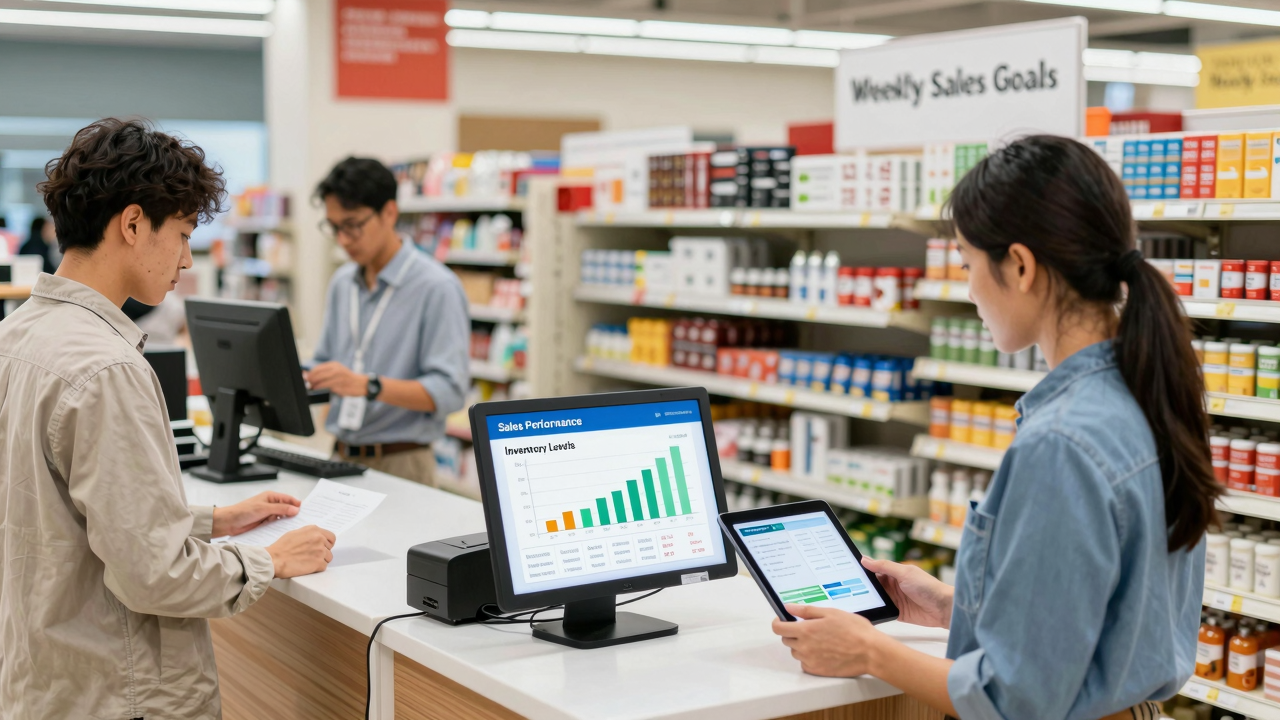
By implementing these ten strategies, you can considerably improve your store operations. Start by optimizing your inventory management and fostering a culture of customer service. Use data analytics for informed decisions, enhance staff training, and leverage technology to streamline processes. Maintain clear communication, regularly audit performance, and create a seamless online and in-store experience. Stay adaptable to market trends. Taking these concrete steps will help you boost sales, improve customer satisfaction, and guarantee long-term success.
Image via Google Gemini and Small Business Trends