
This post was originally published on this site.
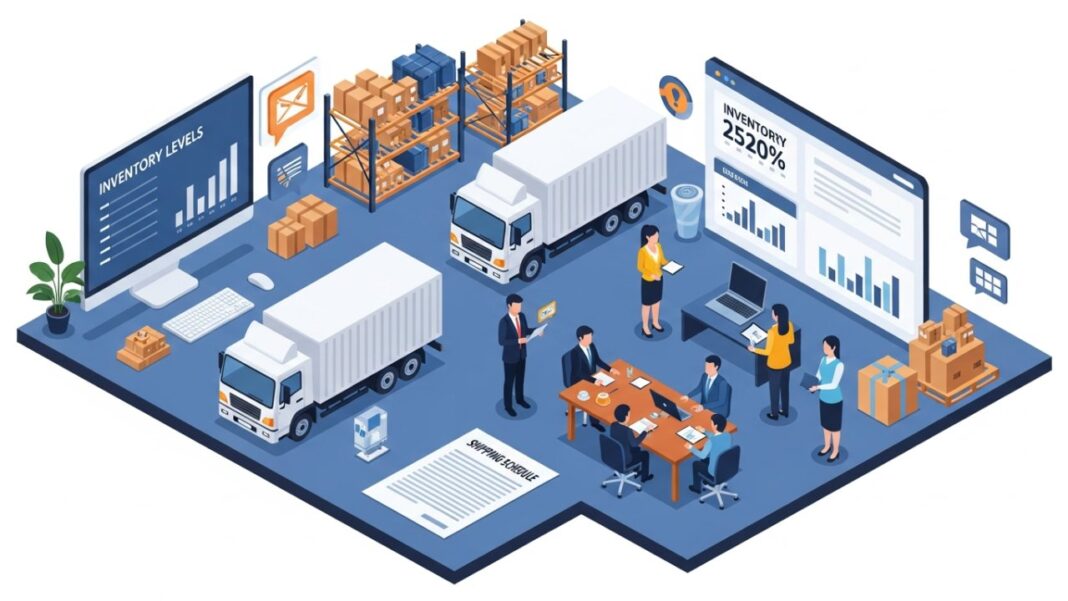
If you’re facing supply chain inefficiencies, it’s time to take action. Start by evaluating your inventory management practices and consider implementing real-time visibility tools to track your stock. Strengthening relationships with suppliers through open communication can shorten lead times. Don’t overlook the importance of logistics optimization and employee training, as these can dramatically enhance your operations. Ready to explore how these strategies can transform your supply chain? Let’s get into the details.
Key Takeaways
- Implement real-time tracking systems to enhance visibility, reduce stockouts, and improve order fulfillment accuracy across the supply chain.
- Foster strong supplier relationships through open communication and collaboration to reduce lead times and achieve cost savings.
- Utilize automation and AI-driven tools for predictive demand forecasting, boosting inventory turnover and reducing manual errors.
- Optimize logistics routes and consolidate shipments to lower transportation costs and improve delivery reliability.
- Invest in employee development and training programs to enhance operational efficiency and increase engagement within the workforce.
Struggling With Supply Chain Inefficiencies? Here’s What You Need to Know?
Are you grappling with supply chain inefficiencies that seem to weigh down your operations? To tackle this, start by implementing supply chain cost reduction strategies. For instance, focus on strategic inventory management; maintain ideal stock levels and identify bottlenecks to speed up turnover rates. This approach reduces carrying costs and enhances cash flow.
Next, consider using real-time visibility tools. These can help you track and enhance labor during peak operations, minimizing wasted time.
Additionally, improving communication with suppliers is key. Regular check-ins and shared insights can boost responsiveness and reduce risks.
Lastly, analyze your cash-to-cash cycle time. Understanding this metric helps you pinpoint delays from paying suppliers to receiving customer payments, ultimately improving cash flow and operational agility.
Understanding the Balance Between Efficiency and Effectiveness in Supply Chains
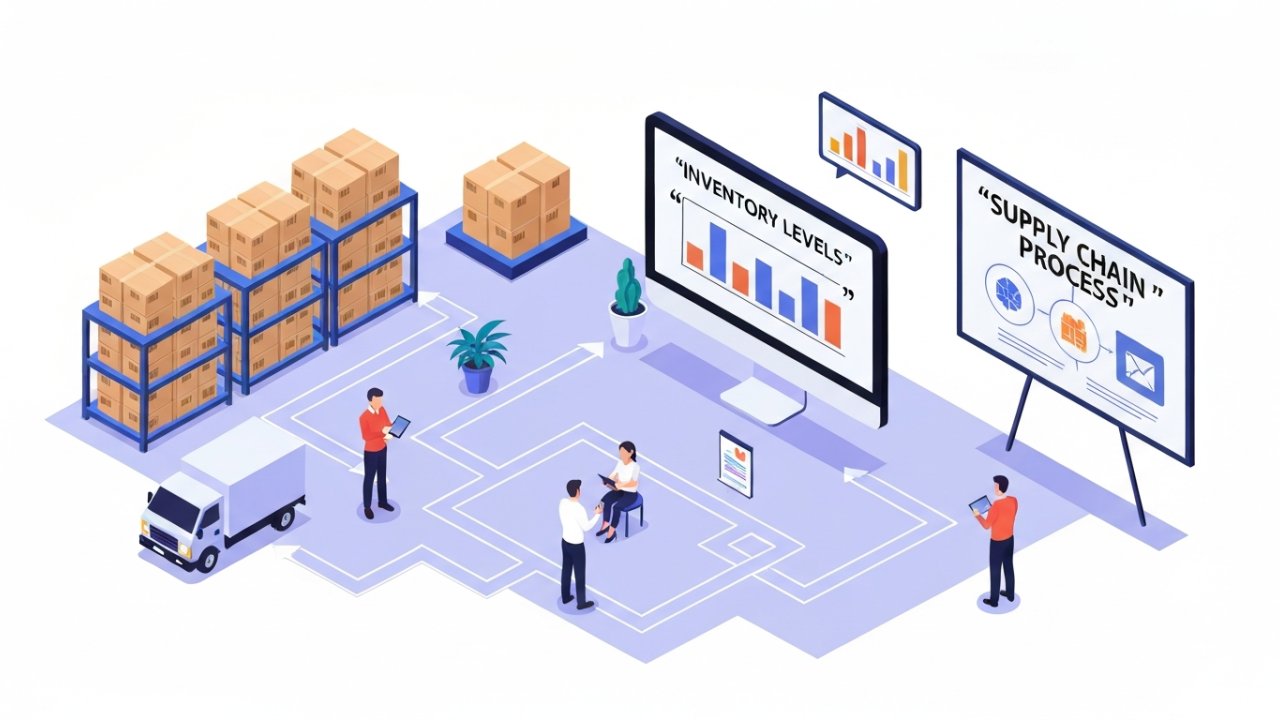
To truly optimize your supply chain, you need to understand the balance between efficiency and effectiveness.
Efficiency is all about using resources wisely and cutting costs, while effectiveness guarantees you meet customer needs and deliver value.
By focusing on both aspects, you can enhance resource utilization and boost customer satisfaction.
Key Distinctions Explained
Understanding the balance between efficiency and effectiveness in supply chains is essential for optimizing operations.
To enhance your supply chain, focus on how to optimize supply chain for efficiency while guaranteeing you meet customer needs. Efficiency emphasizes resource utilization to cut costs, while effectiveness ensures product availability.
You need to monitor key metrics like the Perfect Order Index and Service Rate to assess both aspects.
When considering efficiency vs responsiveness in the supply chain, prioritize responsiveness during peak demand periods without sacrificing cost control.
[embedded content]
Regularly adjust your strategies based on market changes and customer feedback.
Achieving Optimal Resource Utilization
Achieving ideal resource utilization in your supply chain requires a strategic approach that balances efficiency and effectiveness.
Focus on impactful technologies for supply chain cost reduction, like automation, which streamlines processes and reduces errors. Regularly monitor your operations to pinpoint inefficiencies; this not only cuts costs but also boosts customer satisfaction.
Utilize key metrics, such as the Perfect Order Index and Service Rate, to assess how well you’re meeting customer needs promptly. Implement strategic inventory management to maintain necessary stock levels while avoiding excess, enhancing your SCM efficiency.
Top Financial Metrics for Supply Chain Performance
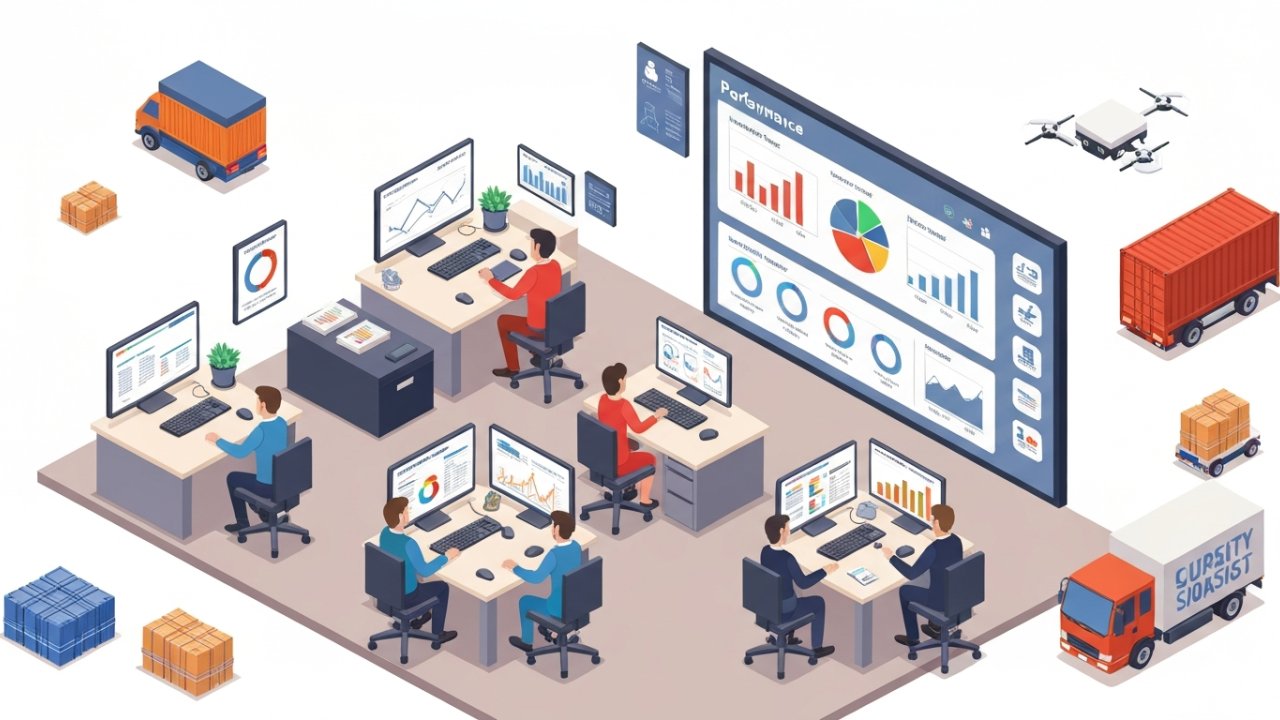
When you evaluate supply chain performance, focusing on key financial metrics can reveal essential insights that drive efficiency and profitability.
Start by measuring your Total Supply Chain Management Cost as a percentage of revenue; this shows how well your operations align with sales. Next, check your Cash-to-Cash Cycle Time, which tells you how quickly you convert cash spent into cash received, highlighting your liquidity.
Assess your Return on Supply Chain Fixed Assets to see how effectively you’re using your assets to generate revenue.
Additionally, track your Cost per Order to identify areas for cost reduction during order fulfillment.
Finally, consider performance metrics like the Perfect Order Index and Service Rate; these help you understand order accuracy and reliability from your customer’s perspective.
Enhancing Visibility in Your Supply Chain Operations

To enhance visibility in your supply chain operations, start by implementing real-time tracking systems for your products. This approach can greatly reduce stockouts and backorders, potentially saving you up to 20% in inventory costs.
Here are four effective strategies you can adopt:
- Use Advanced Inventory Management Software: This software provides critical data analytics, helping you make informed decisions and optimize logistics processes.
- Implement Cloud-Based Solutions: These tools facilitate seamless communication across all supply chain stages, improving collaboration and cutting delays by up to 30%.
- Regularly Review Performance Metrics: Track on-time fulfillment rates and order accuracy to identify inefficiencies and drive continuous improvement.
- Foster Transparent Supplier Relationships: Utilize shared visibility tools to enhance communication and resilience against disruptions.
How Strong Supplier Relationships Boost Outcomes

Building strong relationships with your suppliers can greatly boost your supply chain outcomes.
By enhancing communication channels, you’ll improve order accuracy and reduce lead times, making your processes more efficient.
Plus, collaborating on risk management strategies helps you tackle challenges together, leading to better responsiveness and cost savings in the long run.
Benefits of Collaboration
Strong supplier relationships can markedly enhance your supply chain efficiency, making collaboration essential for success.
By working closely with your suppliers, you can achieve significant benefits that improve outcomes for your business. Here are four key advantages:
- Reduced Lead Times: Strong partnerships can cut lead times by up to 50%, boosting your responsiveness.
- Fewer Stockouts: Collaborative communication fosters transparency, decreasing stockouts and backorders by 30%.
- Increased Product Availability: Engaging in strategic partnerships can lead to a 15% rise in product availability, enhancing customer satisfaction.
- Cost Savings: Regular performance reviews and joint planning can save you up to 20%, allowing for shared risk management and innovation.
Embrace collaboration to strengthen your supplier relationships and streamline your operations.
Enhanced Communication Channels
Effective communication channels play an essential role in strengthening supplier relationships, which in turn boosts your supply chain outcomes.
Start by establishing regular check-ins with your suppliers; this fosters open dialogue and accelerates problem resolution. Aim to share real-time data to enhance transparency, improving your inventory turnover rates by up to 25%.
[embedded content]
Collaborate on product development to drive innovation and quality, potentially increasing product reliability by 20%. Build trust through consistent engagement, which can lead to better terms and a 15% reduction in procurement costs.
Finally, be proactive in your communication strategies; this allows you to respond to disruptions swiftly, often within hours instead of days. Strengthening these channels is key to optimizing your supply chain efficiency.
Shared Risk Management Strategies
When you prioritize shared risk management strategies, you can greatly strengthen your supply chain’s resilience.
Building strong supplier relationships is key to this approach. Here are four actionable steps:
- Enhance Communication: Foster open dialogue with suppliers to quickly address disruptions and collaboratively solve problems.
- Conduct Regular Evaluations: Assess supplier performance to identify vulnerabilities, allowing you to mitigate risks before they escalate.
- Collaborate on Forecasting: Work with suppliers to improve demand accuracy, reducing stockouts and excess inventory, which minimizes financial risks.
- Establish Strategic Partnerships: Diversify your supplier base to create a buffer against market fluctuations, enhancing overall resilience.
How to Use Automation and Tech to Streamline Your Processes?
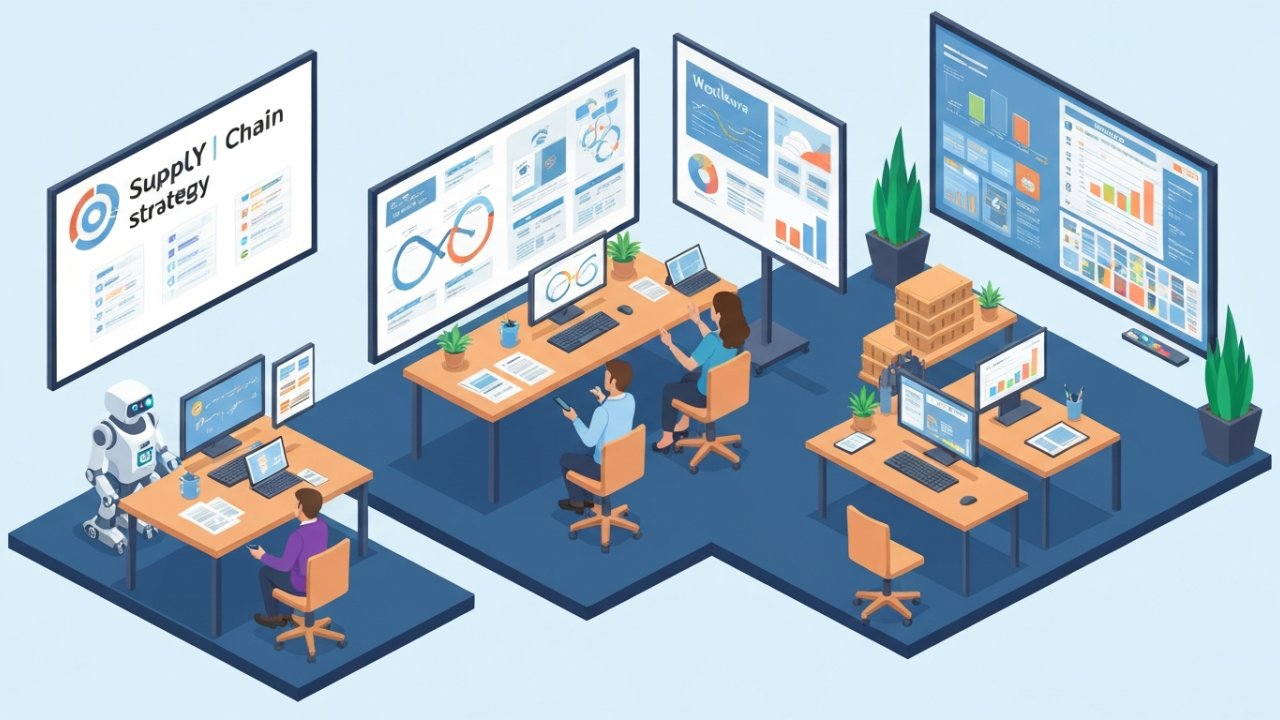
To streamline your supply chain processes, harnessing automation and technology can be a game-changer. Start by implementing automation to reduce manual errors by up to 80%, which enhances your order fulfillment accuracy. Use cloud-based inventory systems for real-time stock tracking, cutting down stockouts by 30% and optimizing reorder processes.
Additionally, adopt advanced analytics and AI-driven tools for predictive demand forecasting; this can boost inventory turnover rates by 20%. Automate communication systems to improve supplier interactions, leading to a 25% increase in response times. Finally, consider integrating robotics in your warehousing to enhance picking speed by 200% and reduce labor costs.
| Strategy | Benefit |
|---|---|
| Implement Automation | Reduces manual errors by 80% |
| Use Cloud-Based Inventory | Decreases stockouts by 30% |
| Adopt Predictive Analytics | Improves turnover by 20% |
| Integrate Robotics in Warehousing | Enhances picking speed by 200% |
Optimizing Inventory Management for Greater Efficiency
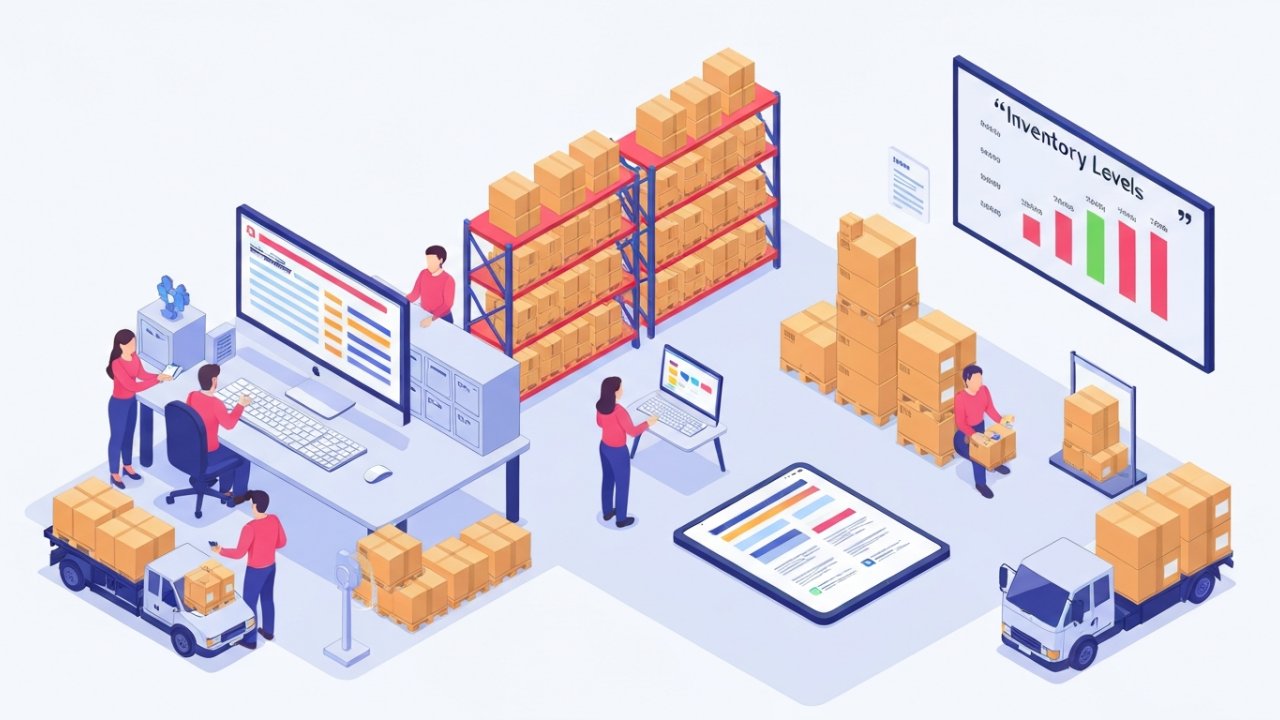
To optimize your inventory management, start by categorizing your stock using techniques like ABC analysis, which helps you focus on high-value items.
Next, leverage technology-driven forecasting solutions to predict demand more accurately, allowing you to adjust your inventory levels accordingly.
Inventory Categorization Techniques
Effective inventory management starts with categorizing your stock, which can greatly enhance efficiency. By using these techniques, you can streamline operations and reduce costs:
- ABC Analysis: Divide your inventory into three categories—A, B, and C—based on value and turnover rates. Focus on A items for frequent monitoring.
- Just-in-Time (JIT) Inventory: Order goods only as needed to minimize inventory levels, decreasing carrying costs and improving cash flow.
- Inventory Turnover Ratio: Calculate this ratio to gauge how efficiently you’re managing inventory; aim for a higher ratio for better demand fulfillment.
- SKU Rationalization: Analyze your stock-keeping units (SKUs) and reduce them to focus on high-demand items, making management simpler and more efficient.
Implementing these strategies can greatly boost your inventory management.
Technology-Driven Forecasting Solutions
After mastering inventory categorization techniques, it’s time to harness technology-driven forecasting solutions that can greatly enhance your inventory management.
Start by integrating advanced algorithms and AI to analyze historical sales data, increasing your inventory accuracy by up to 20%. Use real-time data to quickly adapt to market changes, improving your demand forecasting precision by around 25%.
Implement automated inventory management systems to streamline your reordering processes, reducing carrying costs by 15% while keeping ideal stock levels.
Leverage predictive analytics tools to anticipate demand spikes with up to 90% accuracy, allowing you to proactively adjust inventory and cut excess stock by 30%.
Finally, consider demand sensing technologies to shorten your cash-to-cash cycle time by 10-15 days, boosting overall efficiency.
Boost Your Logistics and Distribution for Improved Efficiency
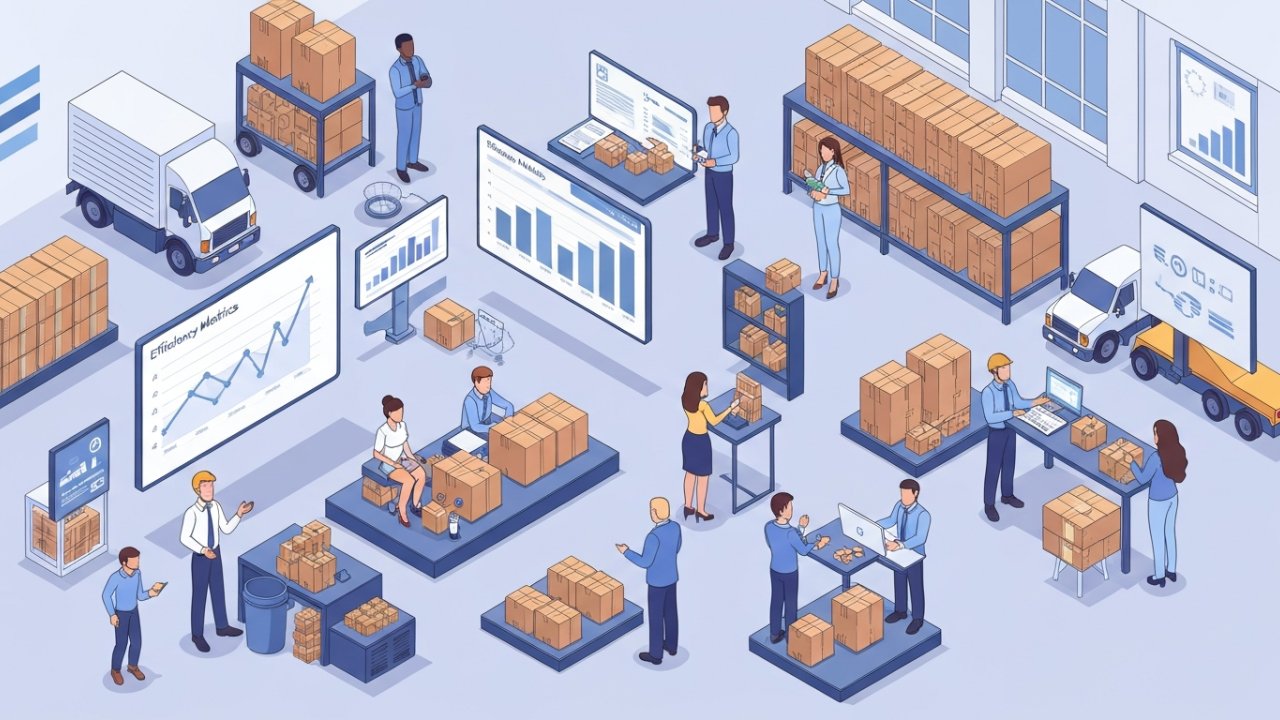
Logistics and distribution are essential components of your supply chain, and improving them can markedly enhance overall efficiency.
Here are four strategies you can implement:
- Optimize Routes: Use route optimization software to reduce transportation costs by up to 10%. This not only improves delivery times but also boosts customer satisfaction.
- Utilize Cloud-Based Tracking: Implement cloud-based tracking systems for real-time visibility across your supply chain. This can cut wasted time by 20%, allowing for quicker decision-making.
- Consolidate Shipments: Combine shipments whenever possible to maximize vehicle utilization. This approach lowers transportation spend and reduces your carbon footprint.
- Evaluate Carrier Performance: Regularly assess your carriers to guarantee effective partnerships. This practice can increase on-time delivery rates by 15%, enhancing reliability in your logistics.
Using Real-Time Analytics to Enhance Decision-Making?

When you harness real-time analytics, you access the ability to make informed decisions that can greatly enhance your supply chain operations.
Start by tracking key performance metrics like inventory turnover and order accuracy. This allows you to make immediate adjustments, optimizing your processes.
Leverage real-time data to predict demand fluctuations more accurately, which helps reduce stockouts and excess inventory, ultimately cutting carrying costs.
[embedded content]
Utilize predictive analytics to identify potential disruptions ahead of time, enabling proactive risk management and enhancing your responsiveness.
Implement advanced analytics tools to monitor supplier performance, helping you make better decisions about supplier relationships and streamlining procurement.
Lastly, invest in real-time visibility solutions to improve communication across your supply chain. Enhanced collaboration leads to faster decision-making and significant efficiency gains.
Investing in Employee Development for Sustained Supply Chain Efficiency

To guarantee sustained supply chain efficiency, investing in employee development is essential. When you focus on training your workforce, you enhance their skills in critical areas, such as inventory management and logistics. This leads to improved operational efficiency and reduced costs.
Here are some actionable steps you can take:
- Implement Continuous Training Programs: Engage employees with ongoing training, boosting engagement by up to 70% and lowering turnover rates.
- Standardize Operating Procedures: Train your staff on standardized processes to reduce errors by about 30%, improving accuracy.
- Leverage Real-Time Analytics: Equip employees with analytics skills to respond quickly to disruptions, enhancing resilience.
- Prioritize Development: Organizations that focus on employee growth often enjoy a 24% higher profit margin, showcasing the financial benefits of a skilled workforce.
Frequently Asked Questions
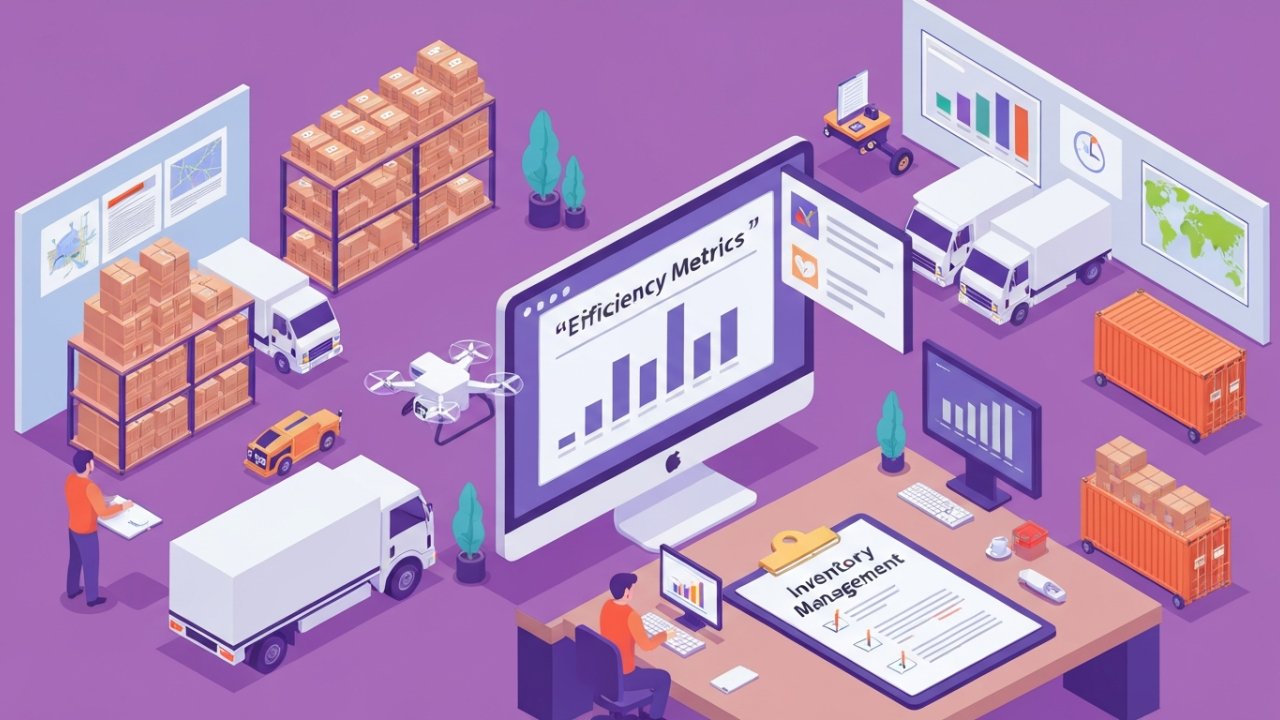
How Can I Measure Supply Chain Efficiency Effectively?
To measure supply chain efficiency effectively, start by tracking key performance indicators (KPIs) like order accuracy, delivery times, and inventory turnover.
Use software tools to collect data regularly. Analyze this data to identify trends and bottlenecks.
Conduct regular audits of your processes to see where improvements can be made. Engage your team in discussions about challenges they face.
Finally, set clear goals and benchmarks to monitor progress over time.
What Role Does Customer Feedback Play in Supply Chain Improvement?
Customer feedback plays an essential role in improving your supply chain. Start by actively collecting feedback through surveys or direct communication.
Analyze this data to identify trends or recurring issues, like delays or product quality concerns. Use these insights to adjust processes, supplier choices, or inventory management.
Regularly review and adapt based on feedback to guarantee your supply chain meets customer expectations. This continuous loop of input and improvement enhances efficiency and satisfaction.
How Do Geopolitical Issues Impact Supply Chain Efficiency?
Geopolitical issues can disrupt supply chain efficiency by causing delays, increasing costs, and creating uncertainty.
To manage this, you should diversify your suppliers to reduce dependency on any single region. Monitor global news for potential disruptions, and develop contingency plans, like alternative transportation routes.
Building strong relationships with suppliers can also help you react quickly to changes. Regularly assess your supply chain risks, so you’re prepared for any geopolitical shifts.
What Are the Best Practices for Training Supply Chain Staff?
To train your supply chain staff effectively, start with clear goals and expectations.
Organize hands-on workshops to teach specific skills, like inventory management or software use.
Encourage team members to share experiences and solutions.
Implement regular feedback sessions to identify areas for improvement.
Use real-world scenarios in training to enhance problem-solving skills.
Finally, consider certifications or online courses to deepen their knowledge and keep them updated on industry trends.
How Can Small Businesses Improve Their Supply Chain Efficiency?
To improve your supply chain efficiency, start by analyzing your current processes. Identify bottlenecks and areas for waste reduction.
Implement inventory management software to track stock levels in real time. Foster strong relationships with suppliers; regular communication can lead to better pricing and faster deliveries.
Train your staff on best practices, encouraging a culture of continuous improvement.
Finally, regularly review your supply chain metrics to adapt and refine your strategies as needed.
Conclusion
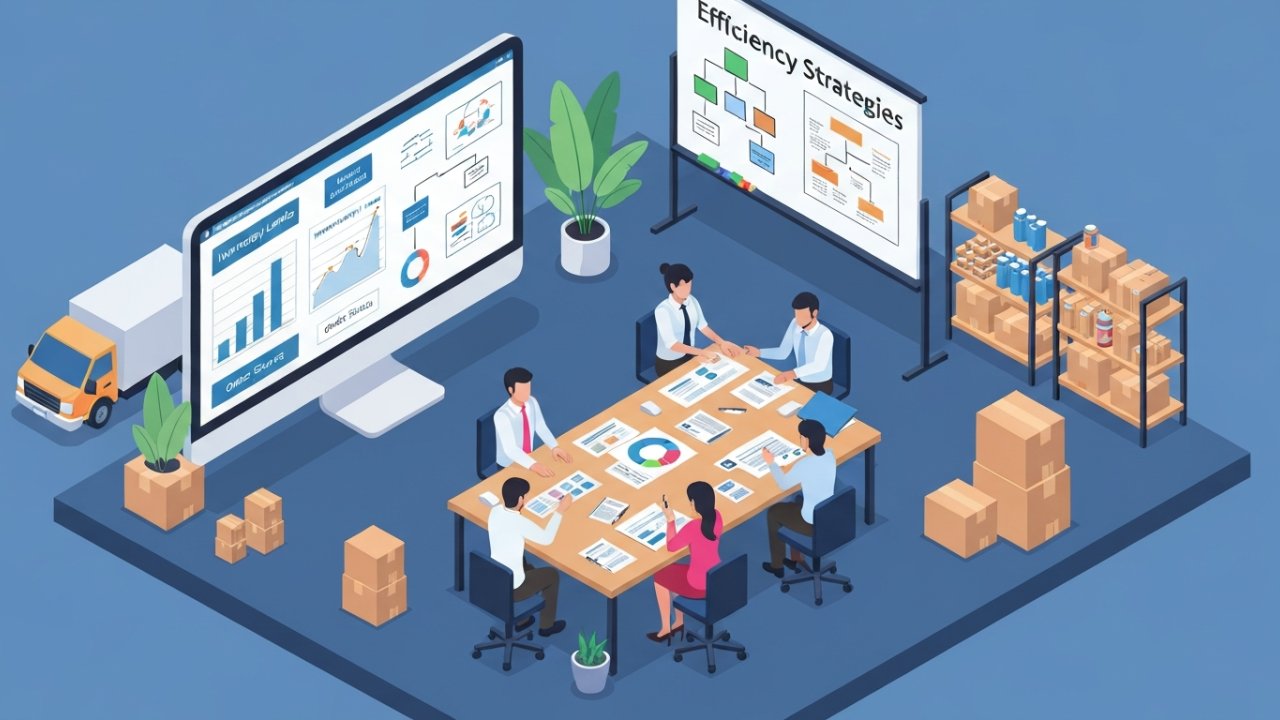
To enhance your supply chain efficiency, start by evaluating your current practices and identifying areas for improvement. Focus on building strong supplier relationships through open communication, and invest in real-time analytics for better decision-making. Streamline your inventory management and optimize logistics routes to reduce costs and improve delivery times. Finally, prioritize employee development to build a skilled workforce that can adapt to changes. By implementing these strategies, you’ll create a more efficient and responsive supply chain.
Image via Google Gemini