
This post was originally published on this site.
As you explore the evolving retail landscape, it’s essential to recognize the trends shaping consumer behavior and business strategies. Consider how AI can enhance personalization, driving customer engagement. Observe the shift toward experiential shopping, which revitalizes malls as community hubs. Don’t overlook sustainability, as eco-friendly choices are becoming important for brand loyalty. By adapting pricing strategies and understanding workforce dynamics, you can stay competitive. Let’s examine how these shifts can impact your approach.
Key Takeaways
- AI-driven personalization tools will dominate retail, projected to power 40% of enterprise applications by 2026, enhancing customer engagement and efficiencies.
- Experiential shopping is rising, transforming malls into entertainment hubs, appealing to younger consumers seeking immersive brand experiences.
- Sustainability is becoming crucial, with consumers favoring brands that prioritize eco-friendly practices and circular economy models in their messaging.
- Dynamic pricing strategies will be essential, leveraging data analytics for real-time adjustments while ensuring transparency to build consumer trust.
- The metaverse is emerging as a new engagement platform, offering innovative ways for brands to connect with consumers in a digital environment.
How AI Is Reshaping Retail Environments
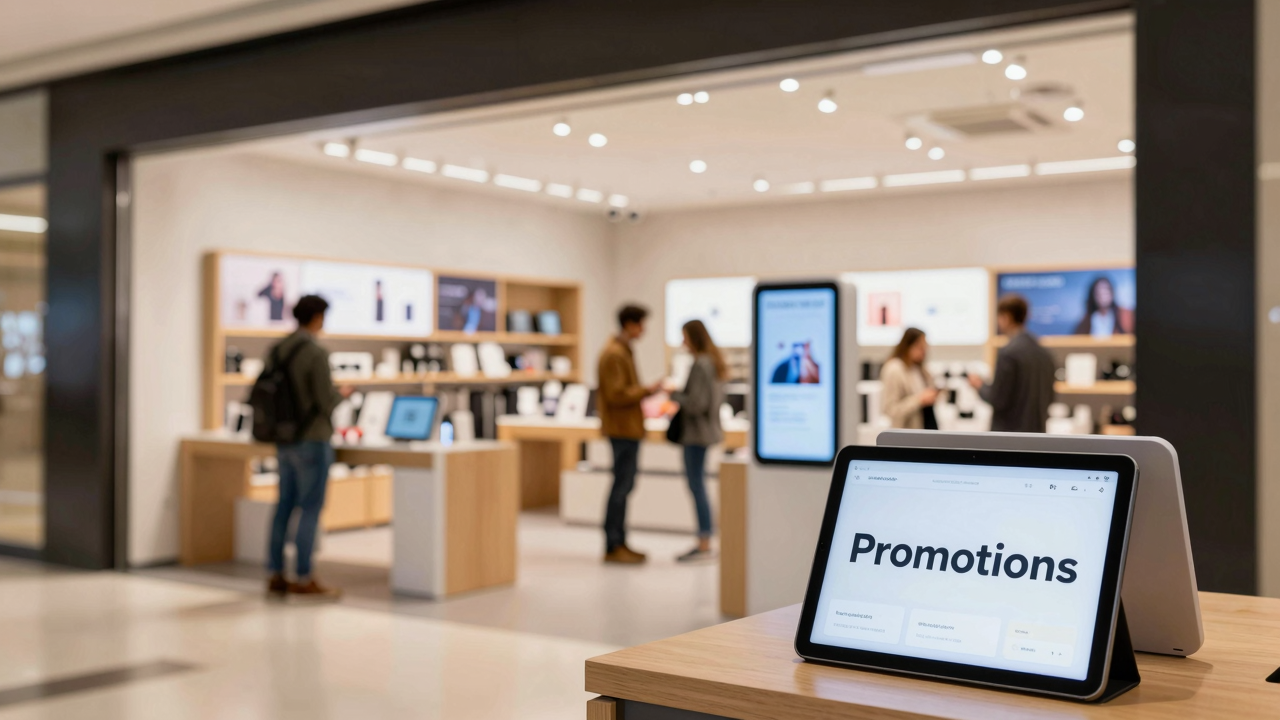
As AI technology continues to evolve, it’s reshaping retail environments in ways that can boost your business and enhance the customer experience. By 2026, 40% of enterprise applications in retail will likely use task-specific AI agents, improving operational efficiency.
You can implement AI-driven personalization tools, which are expected to drive global AI spending over $2 trillion, particularly in customer relationship management.
Look at how Walmart uses AI-powered recommendation engines to create seamless omnichannel experiences. By leveraging AI analytics, you can decode consumer preferences, tailoring shopping experiences to diverse segments.
Additionally, consider adopting AI in your pricing strategies; new regulations will require transparency in how personal data affects dynamic pricing. Staying updated with retail media news today will help you understand these trends and prepare your stores for the future.
Embracing AI won’t only enhance your customer engagement but also streamline your operations effectively.
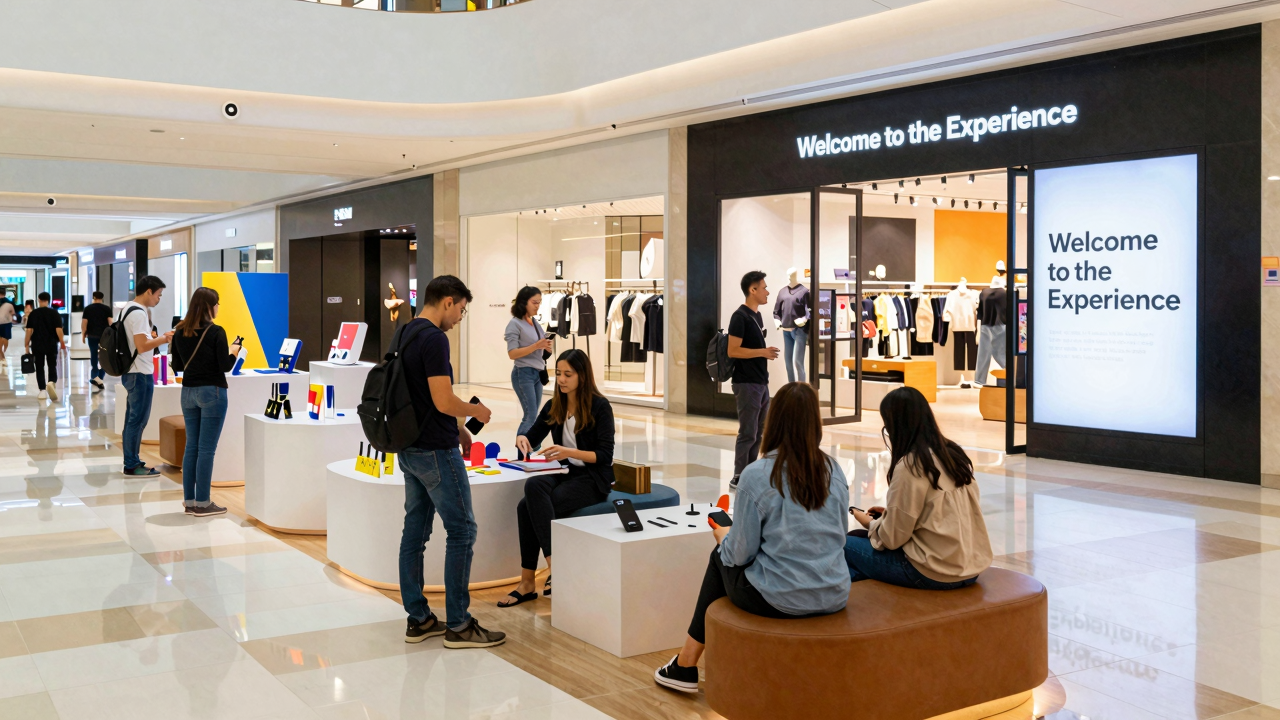
What makes shopping at the mall appealing again? The rise of experiential shopping is transforming malls into vibrant social and entertainment hubs. In 2025, mall traffic increased by 1.8%, with visit durations up by 3.3% compared to early 2024, showing a clear renaissance.
Retailers are redefining the retail shopping definition by creating immersive experiences, like Netflix House, to attract younger consumers. Brands are investing in unique in-person activations, such as Ralph Lauren’s pop-ups, to engage shoppers and foster loyalty.
This shift toward experiential retail caters to a desire for socialization and entertainment, especially among younger generations.
To thrive in this evolving landscape, focus on creating memorable experiences. Incorporate community events, interactive displays, and engaging activities that draw customers in.
As you adapt your strategies, remember that the future of shopping lies in creating environments where people want to gather, socialize, and explore.
What Factors Are Shaping Modern Consumer Behavior?
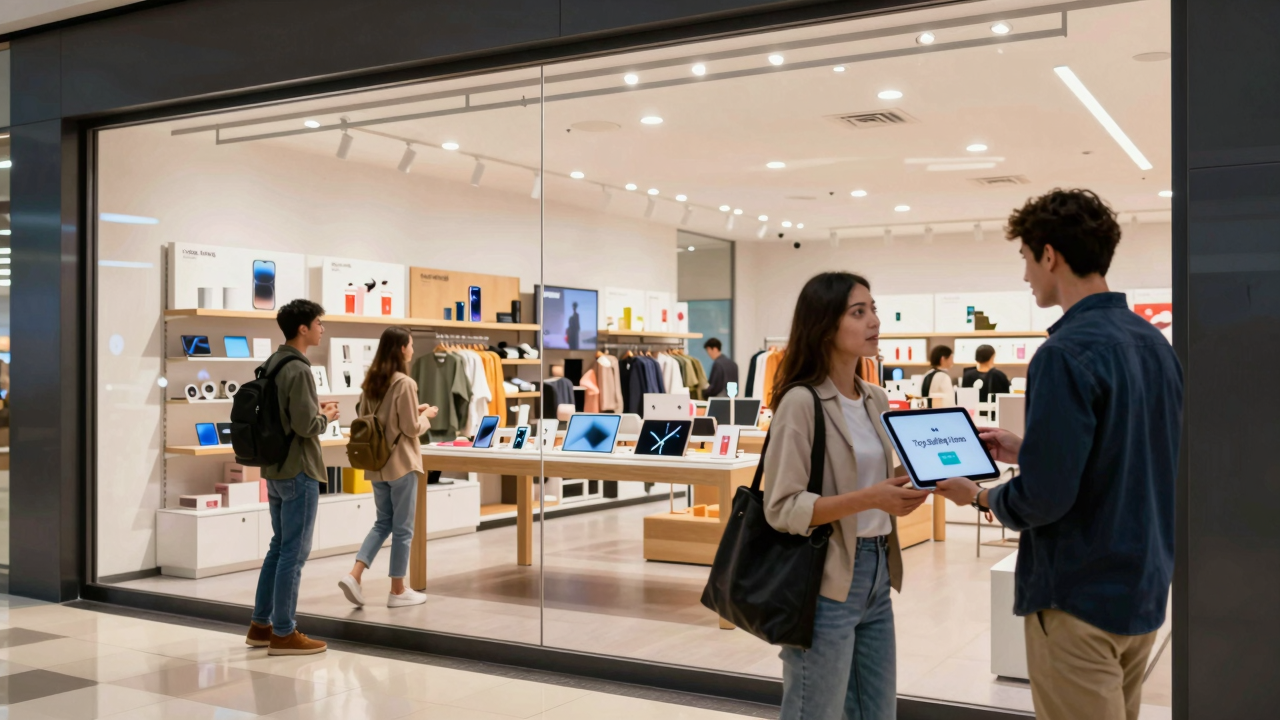
Modern consumer behavior is shaped by a mix of economic pressures and a strong focus on sustainability.
You’re likely noticing how many shoppers are prioritizing brands that align with their ethical values, actively seeking out eco-friendly options.
To stay relevant, consider how you can integrate these preferences into your offerings, whether through personalized experiences or value-driven pricing strategies.
Economic Pressures Impacting Choices
Economic pressures are reshaping how you make purchasing decisions, and understanding these factors can help you navigate today’s retail landscape effectively.
With economic uncertainty, you’re likely prioritizing value, especially as wage growth barely outpaces inflation. Here are key factors influencing your choices:
- Focus on discount retailers for better deals.
- Explore secondhand shopping for cost-effective and sustainable options.
- Stay alert to pricing changes due to tariffs affecting inventory costs.
- Recognize the K-shaped economy, where some Kraft Heinz Company brands thrive while others struggle.
- Seek brands that showcase social responsibility and authenticity.
Sustainability and Ethical Preferences
As you navigate today’s retail landscape, shifting your focus towards sustainability and ethical preferences can enhance your shopping experience and align with your values.
Start by exploring secondhand shopping options, which support eco-conscious practices and the circular economy. Look for brands that prioritize social responsibility—especially those favored by Millennials and Gen Z.
When shopping, check for transparency in supply chains and production methods. Retailers that share their sustainability narratives often earn your loyalty, as 70% of consumers feel more connected to brands that reflect their values.
How Sustainability Is Transforming Retail
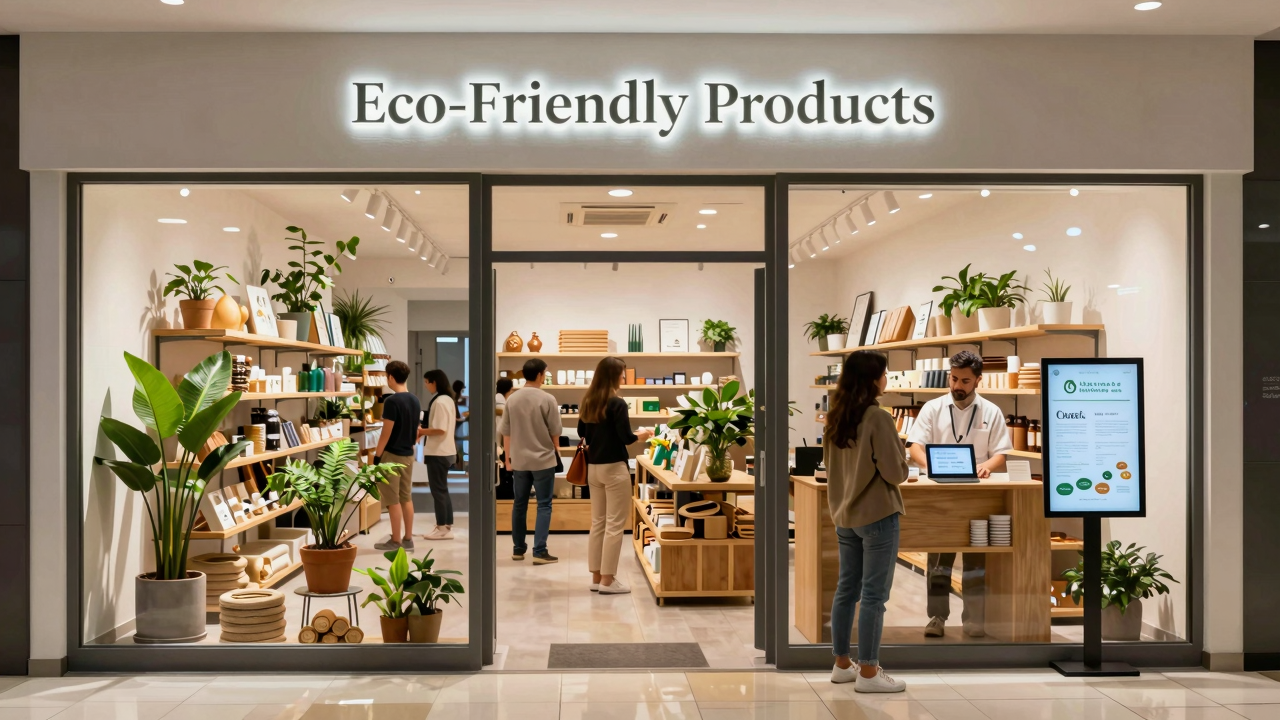
Sustainability is reshaping the retail landscape, pushing brands to rethink their strategies and practices. You can take advantage of this shift by aligning with eco-conscious trends. Here are some actions to evaluate:
- Embrace secondhand shopping, as younger consumers prioritize sustainable options.
- Adopt circular economy models by sourcing responsibly and building sustainable product lines.
- Integrate sustainability into your brand storytelling, since 40% of consumers expect social responsibility in messaging by 2026.
- Utilize data analytics to understand eco-conscious shopper preferences, enhancing personalized experiences.
- Communicate your environmental initiatives effectively to foster customer loyalty and engagement.
Pricing Strategies in a Volatile Economy
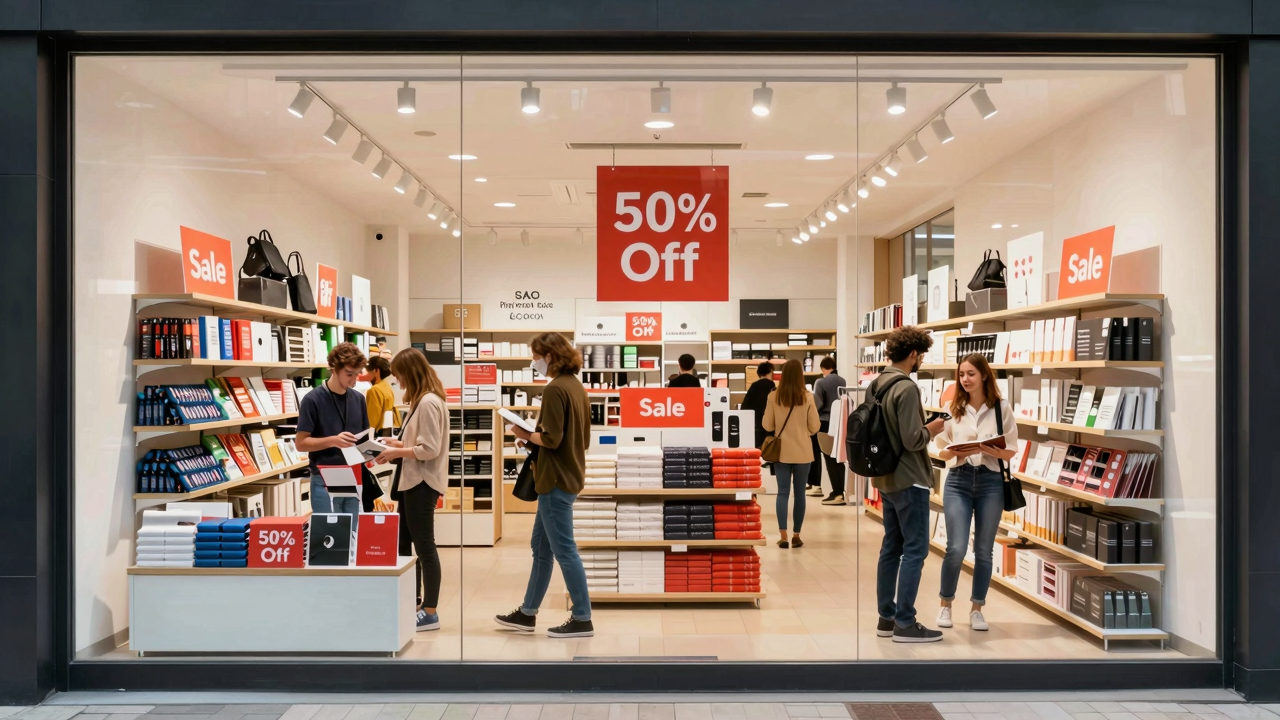
As you navigate pricing strategies in today’s volatile economy, consider adopting dynamic pricing to stay competitive while addressing budget-conscious shoppers.
Focus on value-based pricing by clearly communicating the benefits of your products, making it easier for consumers to see their worth.
Dynamic Pricing Adaptations
Maneuvering the complexities of dynamic pricing can be challenging, especially in today’s volatile economy.
To effectively adapt, focus on these strategies:
- Leverage Data Analytics: Use data to adjust prices in real-time based on market conditions and consumer behavior.
- Ensure Transparency: Disclose your pricing tactics, especially if using personal data, to build consumer trust.
- Differentiate Your Offerings: Highlight unique product features to justify pricing and cater to selective shoppers.
- Monitor Tariffs and Costs: Stay informed on tariffs and inventory costs that may affect your pricing models.
- Invest in AI: Explore AI solutions that enhance pricing strategies while ensuring compliance with regulations.
Value-Based Pricing Strategies
Today’s retail landscape demands a shift toward value-based pricing strategies that resonate with consumers focused on affordability and quality.
To stay competitive, you should prioritize clear, transparent pricing that reflects ethical practices, especially as regulations tighten. Focus on fewer, high-value deals rather than relying solely on brand loyalty.
This means regularly evaluating your pricing against rising costs, like tariffs, to avoid alienating customers during inflationary periods.
Utilize de-identified data for AI pricing tools, steering clear of sensitive personal information to build trust.
Differentiate your pricing approach by highlighting unique benefits, such as quality or customer service, to capture market share.
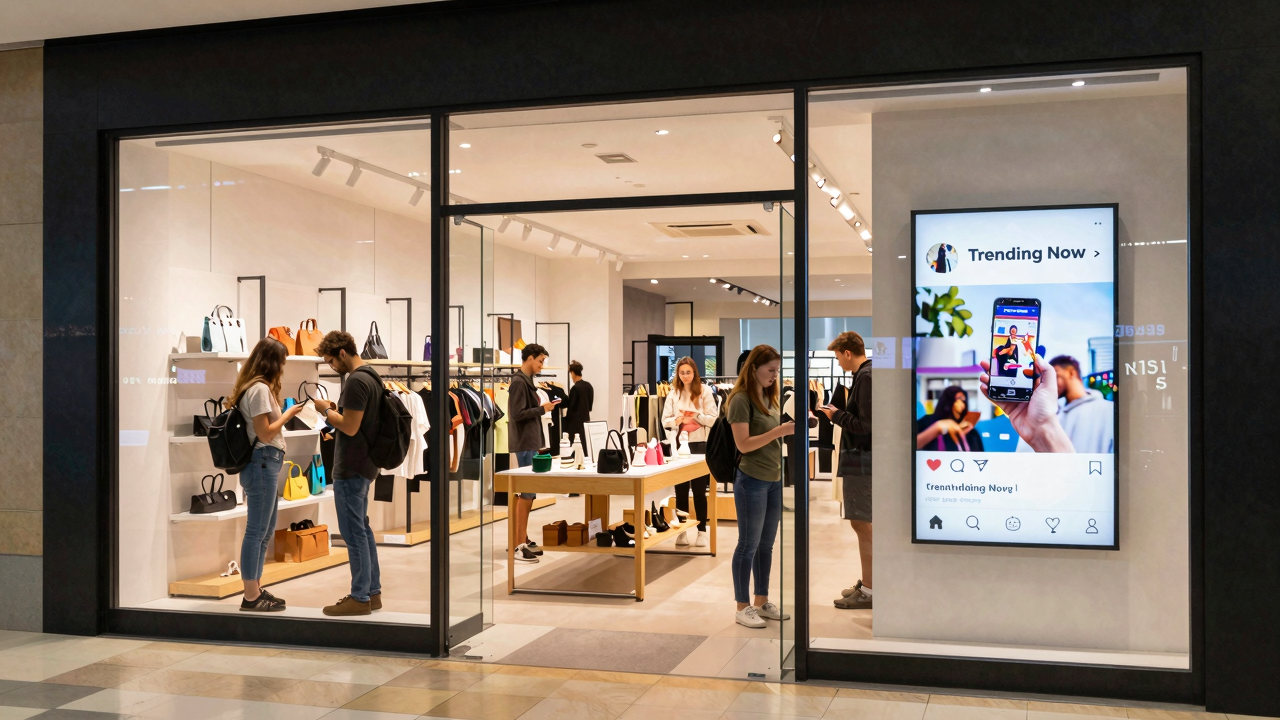
Social media changes are reshaping how retailers engage with consumers, making it essential for brands to adapt.
As platforms evolve, you should focus on strategies that resonate with younger audiences. Here are key actions to contemplate:
- Shift your focus from TikTok to platforms like Meta’s Reels and YouTube Shorts to reach Gen Z effectively.
- Foster smaller, more intimate online interactions to build authenticity and community.
- Collaborate with influencers and organize pop-up events to create buzz and attract foot traffic.
- Utilize data analytics to develop hyper-personalized marketing strategies that cater to individual preferences.
- Emphasize transparency and authenticity in your messaging, as younger consumers are increasingly discerning about brand values.
Adapting to New Workforce Dynamics in Retail
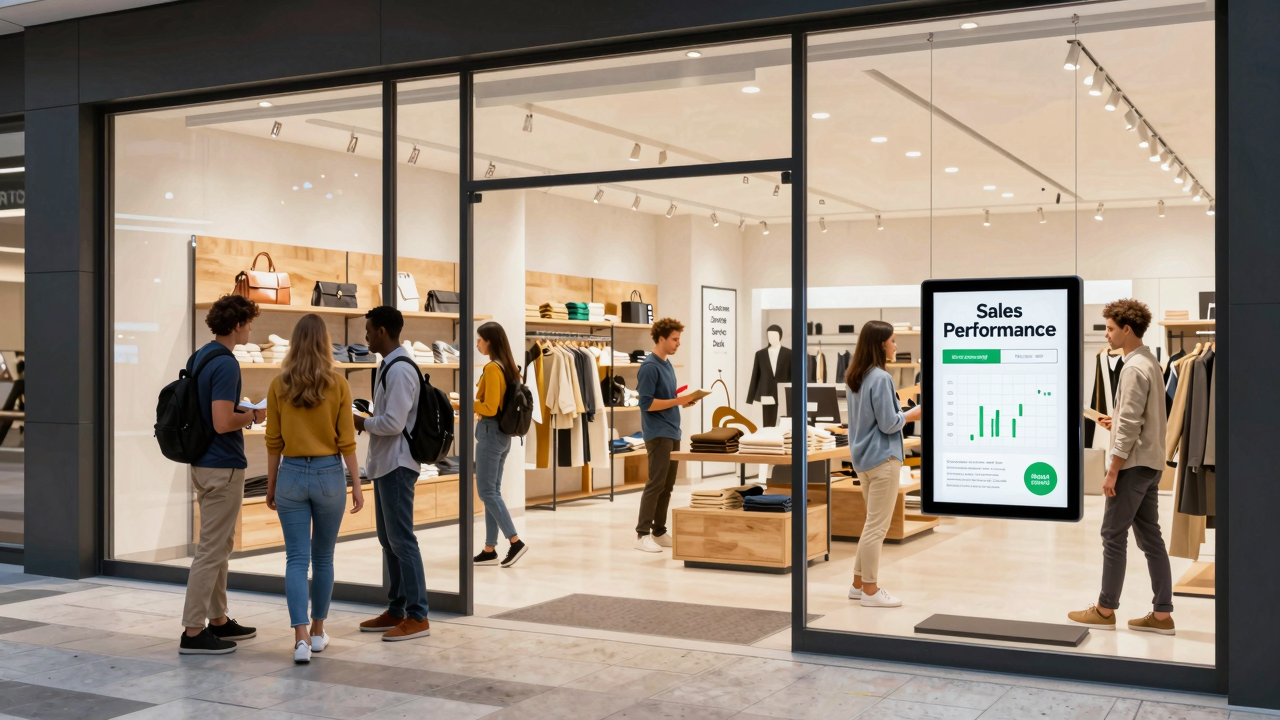
As the retail landscape evolves, adapting to new workforce dynamics is crucial for your business’s success. Start by prioritizing employee experience and retention. Implement flexible work models to attract talent, particularly from Gen Z and Gen Alpha, who value work-life balance.
Invest in training programs that equip your workforce with skills needed for AI and technology integration, guaranteeing they’re ready for a changing environment.
Reassess your workforce strategies amid economic uncertainty, focusing on employee satisfaction while adapting to new consumer behaviors. With the shift toward omnichannel retail, provide thorough training that covers both digital and in-store interactions.
Use data analytics not just to understand consumer preferences, but also to enhance employee performance. By doing this, you’ll guarantee that your staff is engaged and aligned with evolving retail trends, ultimately driving your business forward.
Personalization Strategies in Retail

To effectively implement personalization strategies, you need to leverage data-driven insights that reflect your customers’ preferences and behaviors.
Use AI tools to enhance the shopping experience by providing tailored recommendations and virtual try-ons, making it easier for shoppers to find what they want.
Additionally, guarantee your marketing campaigns are linked to real-time inventory and past purchases, creating a seamless journey that builds trust and encourages loyalty.
Data-Driven Personalization
In a world where consumer preferences shift rapidly, understanding data-driven personalization is essential for retailers who want to stay competitive. By harnessing advanced data analytics, you can decode what your customers really want.
Here are some strategies to contemplate:
- Use AI-driven tools to tailor experiences; aim for 40% integration by 2026.
- Implement hyper-personalization techniques like virtual try-ons for unique shopping experiences.
- Guarantee your data infrastructure supports seamless interactions across multiple channels.
- Align your brand with social responsibility to attract younger consumers.
- Regularly analyze customer feedback to refine your personalization strategies.
AI-Enhanced Shopping Experience
Creating an AI-enhanced shopping experience can revolutionize how customers interact with your brand. To stay competitive, start by investing in AI-driven personalization tools. By 2026, 40% of retail applications will use task-specific AI agents, so it’s essential to adapt early.
Leverage customer data to offer tailored recommendations and virtual try-ons, boosting engagement and satisfaction.
Enhance your data infrastructure to respond dynamically to shopper behavior, merging real-time product availability with personalized preferences. This builds trust and loyalty.
What Retailers Need to Know About Regulatory Compliance?
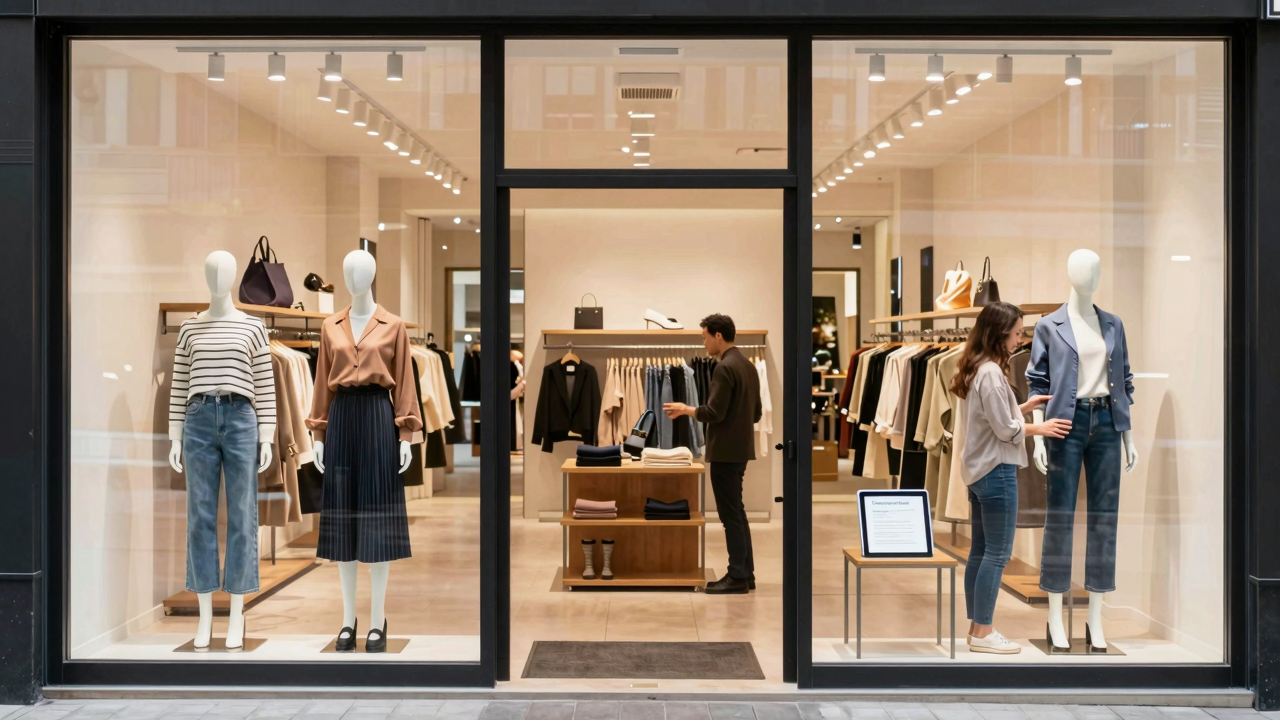
As regulations continue to evolve, it’s essential for retailers to stay informed about compliance requirements that directly impact their operations. Ignoring these changes could lead to hefty fines or reputational damage.
Here are some key areas to focus on:
Data Transparency: By 2026, states like New York will require you to disclose how you use personal data in pricing strategies. AI Regulations: Prepare for stricter laws governing AI algorithms, ensuring ethical practices in your pricing models. Dynamic Pricing: Avoid using sensitive personal information for price adjustments; opt for aggregated data instead. Supply Chain Compliance: Develop proactive strategies to navigate legal complexities in your supply chains and labor practices. Engage with Policymakers: Collaborate with local authorities to help shape regulations that balance consumer rights and business needs.
Stay ahead of these developments to mitigate risks and maintain your competitive edge.
Key Predictions for Future Retail Trends
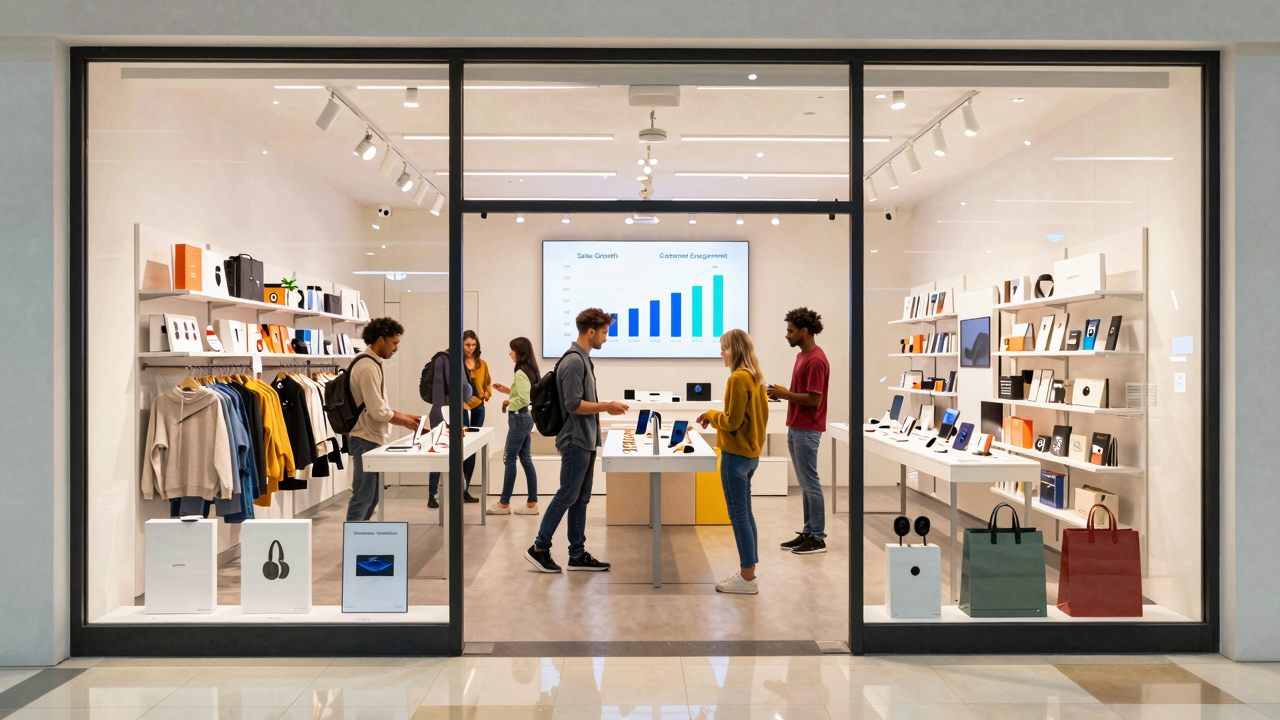
Retail is on the brink of significant transformation, driven by emerging technologies and changing consumer preferences. By 2026, you can expect AI to power 40% of enterprise applications, enhancing personalization and customer service through smart agents and chatbots.
To stay competitive, integrate these technologies into your operations.
Omnichannel shopping will dominate, so make certain your online and offline experiences are seamless. Over 50% of consumers consult multiple channels before purchasing, making it essential for you to provide consistent information and service.
Sustainability will drive growth in secondhand shopping, especially among younger consumers. Consider expanding your offerings in this area.
Additionally, streamline your return processes. Offering incentives like discounts or free shipping can help improve customer retention amidst rising eCommerce returns.
Finally, explore the metaverse as a new engagement platform. Brands like Tommy Hilfiger are already blending physical and virtual experiences, creating stronger community ties and brand loyalty.
Frequently Asked Questions
What Are Some Current Retail Trends?
Current retail trends include the rise of omnichannel shopping, where you consult various platforms before buying.
Malls are re-engaging consumers by creating immersive experiences, making visits more appealing.
Sustainability matters too; consider shopping secondhand or supporting eco-friendly brands.
Also, look for enhanced in-store experiences like intelligent dressing rooms that cater to your needs.
As AI continues to evolve, expect personalized shopping experiences tailored just for you, improving your overall retail journey.
What Are the Emerging Trends in Retailing?
Emerging trends in retailing include the rise of AI for personalized shopping experiences, so you should explore tools that enhance customer interactions.
Focus on creating unique in-person experiences in your stores to attract younger consumers.
Embrace sustainability by offering secondhand items, as this reflects consumer values.
Finally, implement hyper-personalization strategies, like virtual try-ons, to engage shoppers effectively and foster brand loyalty.
[embedded content]
Stay adaptable to economic shifts and consumer preferences.
[embedded content]
What Is the Latest Trend in Shopping?
The latest trend in shopping is hyper-personalization. You should look for Amazon using data analytics to tailor your shopping experience, offering recommendations based on your preferences.
Explore brands that provide virtual try-ons, allowing you to see how items look before buying.
Also, consider stores that blend physical and digital experiences, like smart dressing rooms.
What Are the 5 P’s in Retail?
The 5 P’s in retail are Product, Price, Place, Promotion, and People.
First, guarantee your products meet customer needs and preferences.
Next, set competitive prices that reflect value.
For Place, optimize both online and offline channels for seamless shopping experiences.
Use effective Promotion strategies, like social media and influencer partnerships, to engage customers.
Finally, focus on People by training staff and prioritizing their experience, which boosts retention and service quality.
Conclusion
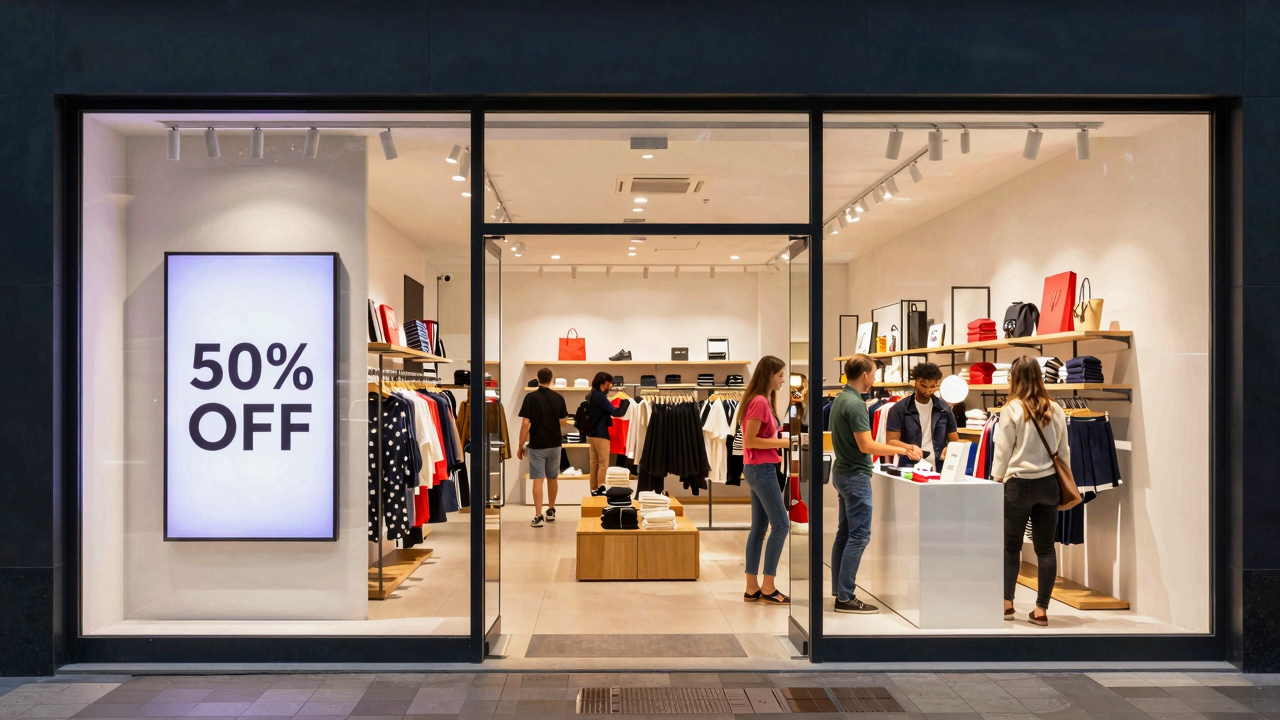
To stay ahead in retail, embrace AI for personalized experiences and invest in sustainable practices. Create engaging environments that draw customers back to malls, and utilize dynamic pricing to remain competitive. Focus on compliance with regulations to avoid pitfalls. Finally, understand shifting consumer behaviors and values, as they play an essential role in loyalty. By adapting quickly and strategically, you can position your brand for success amid these evolving trends. Take action now to lead the change.
[embedded content]
Image via Google Gemini and Small Business Trends