

You face several common time management challenges that can hinder your productivity. Procrastination and distractions often steal your focus, while overcommitting can leave you overwhelmed. Prioritizing tasks is essential, and effective planning can help you stay on track. By setting clear boundaries and using tools like Kanban boards, you can streamline your workflow. If you’re ready to tackle these challenges, let’s explore actionable strategies that can make a real difference in your daily routine.
Key Takeaways
- Procrastination can be tackled by breaking tasks into smaller parts and visualizing the relief after completion to boost motivation.
- Workplace distractions can be minimized by setting clear boundaries with colleagues and creating a workspace that reduces interruptions.
- Effective prioritization can be achieved using the Eisenhower Matrix and ABCDE method to categorize and rank tasks by urgency and importance.
- Overcommitting leads to stress; learn to say no to tasks that don’t align with your goals and consider delegating when necessary.
- Regular routine reviews help identify effective practices and streamline processes, enhancing overall productivity and fostering good time management habits.
Why Procrastination Hurts Your Productivity

When you put off tasks, you’re not just delaying work; you’re actively hurting your productivity. Procrastination affects productivity considerably, with about 20% of adults experiencing chronic delays that waste over two hours daily. This often stems from feeling overwhelmed, lacking motivation, or aiming for perfection, creating a cycle of stress and missed deadlines.
To combat this, break tasks into smaller, manageable parts. Instead of tackling an entire project, focus on completing one section at a time. Set specific deadlines for each part, which can help maintain your momentum.
Visualizing the relief you’ll feel upon completion can also motivate you to take action. Remember, addressing procrastination isn’t just about managing time; it’s about improving your overall work quality and team morale.
How to Combat Workplace Distractions

To combat workplace distractions, start by setting clear boundaries with colleagues and designating specific times for focused work.
Create a workspace that minimizes interruptions, like using noise-canceling headphones or establishing quiet zones.
Regularly assess your environment to identify and eliminate distractions, ensuring you stay productive throughout the day.
Strategies to Minimize Interruptions
Minimizing interruptions in the workplace is essential for maintaining focus and productivity, especially as distractions can easily derail your workday.
Start by identifying your primary distractions, like colleague interruptions and constant email notifications. Next, designate quiet areas where you and your coworkers can concentrate without disruption.
Set clear boundaries by communicating when it’s okay to interrupt you; consider using a “do not disturb” signal during critical tasks.
Utilize technology, such as website blockers and focus apps, to limit access to distracting platforms.
Finally, encourage structured breaks to refresh your mind and prevent fatigue.
These strategies can help you tackle time management issues effectively, allowing you to work more efficiently and stay on track.
[embedded content]
Creating a Focused Workspace
Creating a focused workspace can greatly boost your productivity and concentration. Start by designating a quiet area free from noise and interruptions, which helps minimize distractions.
Use noise-canceling headphones to block out auditory disturbances, allowing you to dive deeper into your tasks. Keep your workspace clean and organized; this reduces visual clutter, which can enhance cognitive function and lower stress levels.
Incorporate structured breaks into your routine to prevent burnout and maintain energy. Finally, set clear boundaries with colleagues about interruptions—consider establishing “do not disturb” hours.
This way, you’ll combat poor time management and create an environment where you can focus effectively and efficiently on your work.
[embedded content]
Setting Clear Boundaries
While distractions can easily derail your productivity, setting clear boundaries can markedly improve your focus and efficiency at work.
Start by creating designated “do not disturb” times, allowing you to tackle high-priority tasks without interruptions. Consider establishing a “quiet zone” or a specific workspace to minimize noise and distractions.
Communicate your availability using visual signals, like wearing headphones or displaying a sign on your desk, to let coworkers know when you’re focused.
Additionally, incorporate regular breaks into your schedule; these help recharge your mind and maintain concentration.
Effective Time Management: How to Prioritize Tasks

Effective time management hinges on your ability to prioritize tasks effectively, ensuring you focus on what truly matters. Start by using the Eisenhower Matrix to categorize tasks into four quadrants based on urgency and importance. This method helps you identify what to tackle first.
You can also apply the ABCDE method, where you label tasks from A (most important) to E (least important). Visual tools like Kanban boards can help you organize tasks visually, making it easier to track progress.
Regularly reassess your priorities as deadlines and responsibilities change. Set specific, measurable goals aligned with your deadlines to keep your focus sharp.
Poor time management examples often stem from failing to prioritize properly, leading to stress and missed deadlines. By implementing these techniques, you’ll enhance your focus and productivity, ensuring you address high-priority tasks before they become urgent.
The Risks of Overcommitting and How to Say No

Overcommitting can sneak up on anyone, especially when you’re trying to juggle multiple responsibilities. It often leads to diminished work quality, increased stress, and even burnout.
Research shows that 70% of professionals feel overwhelmed by their workloads, making this a significant time management challenge. To combat this, learn to say no. Start by evaluating new requests against your current commitments, ensuring they align with your goals and resources. If a task doesn’t fit, it’s okay to decline.
Additionally, consider delegating tasks when possible. This not only alleviates pressure but also allows you to focus on higher-priority responsibilities.
Planning Techniques to Master Time Management

To master time management, it’s crucial to adopt effective planning techniques that keep you organized and focused. Start by using the Eisenhower Matrix to categorize tasks based on urgency and importance. This helps you prioritize high-impact activities, addressing common difficulties in time management.
Implement time blocking by dividing your day into specific slots for each task, reducing context-switching and boosting concentration.
Try the Pomodoro Technique, working in 25-minute intervals followed by short breaks, to maximize your focus and prevent burnout. Regularly review your daily and weekly plans to adapt to changing priorities and improve your approach.
Finally, consider digital tools like Trello or Asana for task management; they streamline your planning processes, enhance collaboration, and make tracking deadlines easier. By incorporating these techniques, you’ll find it easier to navigate your time management challenges and stay on top of your responsibilities.

Streamline your workflow by leveraging the right tools that fit your needs. If you struggle with a lack of time management, task management tools like Trello and Asana can help you organize tasks visually, set deadlines, and track progress effectively.
For repetitive tasks, consider using Zapier to integrate various applications, reducing manual data entry and boosting productivity.
To improve focus, try the Pomodoro Technique with apps like Focus Keeper, which encourages you to work in short intervals followed by breaks. This method helps maintain energy and concentration throughout the day.
Additionally, time-tracking tools like Toggl can provide insights into how you spend your time, helping you identify and eliminate time-wasting activities.
Finally, use collaboration platforms like Slack to enhance communication and project coordination, reducing email overload and streamlining your workflow. Embrace these tools to take control of your time management.
Developing Daily Routines for Effective Time Management
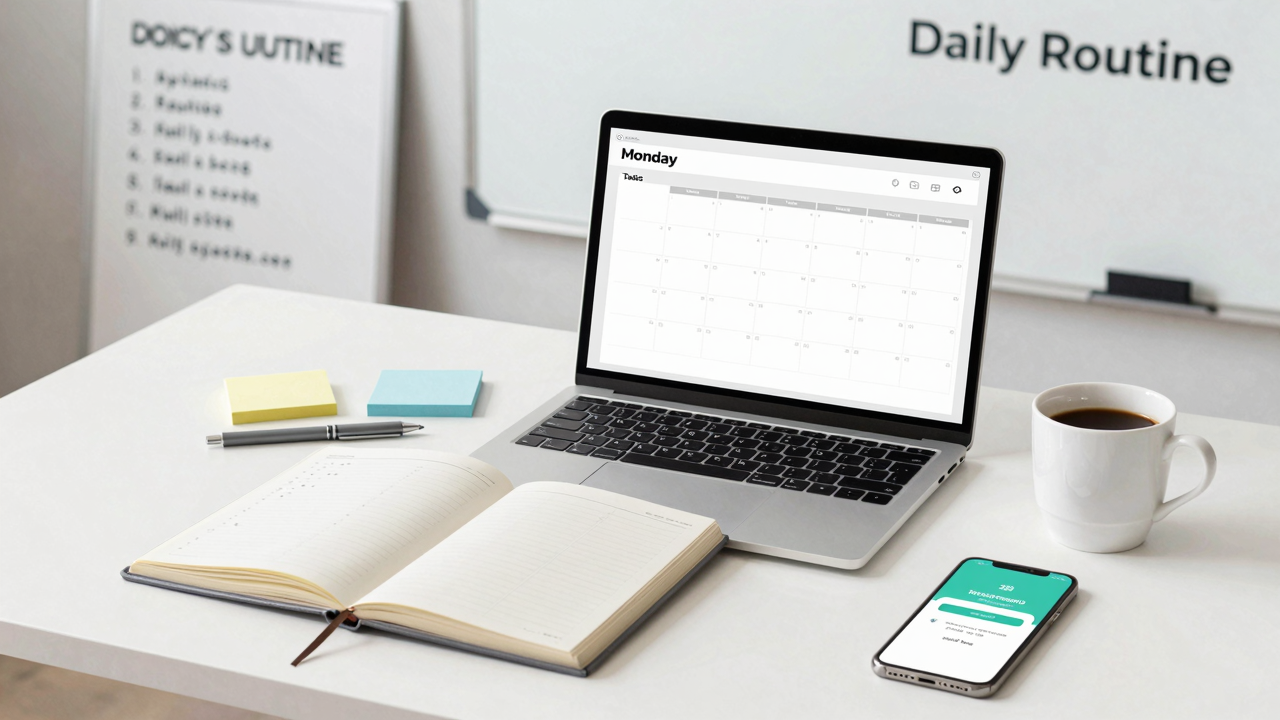
When you develop daily routines, you create a solid framework for managing your time effectively. Start by setting a consistent wake-up time. This boosts your energy and prepares you for the day ahead.
Each morning, or the night before, take a few minutes to plan your tasks. This simple step helps prioritize what’s important and reduces the risk of overlooking key activities.
Incorporate techniques like the Pomodoro Technique: focus on a task for 25 minutes, then take a 5-minute break. This method enhances concentration and combats the causes of poor time management.
Regularly review your routines; adjust them based on what works best for you. By developing daily routines for effective time management, you’ll streamline your workflow and ultimately improve your productivity.
Make these practices a habit, and you’ll notice a significant difference in how you manage your time.
Frequently Asked Questions

What Are Five Common Challenges Related to Time Management?
Five common challenges related to time management include procrastination, frequent distractions, prioritizing low-impact tasks, multitasking, and lack of organization.
To tackle these issues, set clear deadlines to combat procrastination. Minimize distractions by silencing notifications, and focus on high-priority tasks.
Avoid multitasking and dedicate time to one task at a time.
Finally, keep a well-organized to-do list or planner to track your tasks and deadlines effectively, ensuring you stay on top of your responsibilities.
What Are Five Common Time Management Challenges She Might Be Experiencing?
You might be dealing with procrastination, distractions from emails and colleagues, confusion between being busy and being effective, multitasking, and a lack of organization.
To tackle these, set clear priorities, limit distractions by silencing notifications, focus on one task at a time, and keep your workspace tidy.
Consider using a planner to structure your day and track important tasks, ensuring you concentrate on what truly matters for your goals.
What Is the 3 3 3 Rule for Time Management?
The 3 3 3 Rule for time management helps you focus your efforts.
Start your day by identifying three tasks you need to complete, three tasks you can delegate to others, and three tasks you can eliminate entirely. This approach boosts your efficiency and prevents overwhelm.
[embedded content]
What Are the 5 P’s of Time Management?
The 5 P’s of time management are Purpose, Prioritization, Planning, Productivity, and Performance Evaluation.
First, define your purpose to focus on meaningful tasks.
Next, prioritize tasks using methods like the Eisenhower Matrix.
Then, create a detailed plan with time slots for your activities.
For productivity, try the Pomodoro Technique to stay focused.
Finally, regularly evaluate your performance, adjusting strategies to improve efficiency and guarantee you’re making the most of your time.
Conclusion
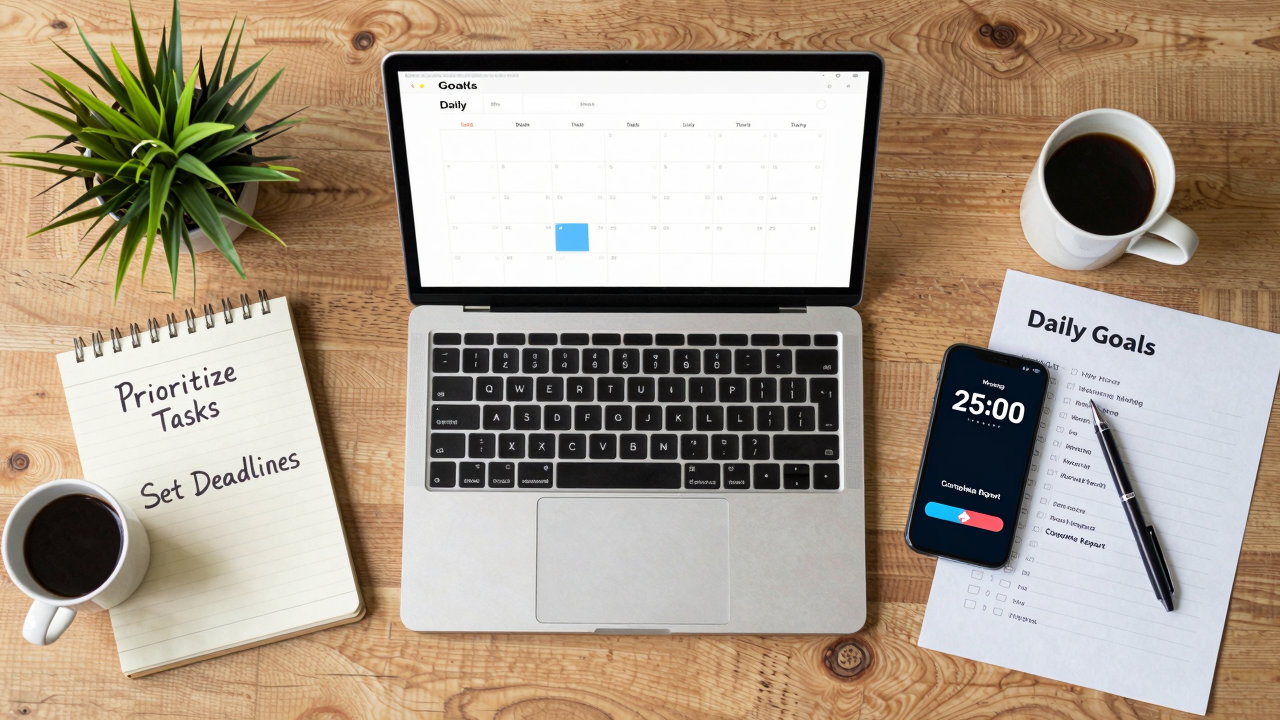
By recognizing and addressing common time management challenges, you can boost your productivity considerably. Start by breaking tasks into smaller, manageable parts and prioritize them using the Eisenhower Matrix. Set clear boundaries with colleagues to minimize distractions, and don’t hesitate to say no to avoid overcommitting. Utilize tools like Kanbanize boards and time-tracking apps to streamline your workflow. Finally, develop consistent daily routines to maintain focus and structure in your work. Take these steps today for better time management.
Image via Google Gemini and Small Business Trends