

To succeed in today’s fast-paced work environment, mastering time management is essential. Start by prioritizing your tasks with the Eisenhower Matrix to identify what’s urgent and important. Next, discover when you’re most productive and consider using the Pomodoro Technique to enhance your focus. Build a structured day with time blocking, and don’t hesitate to delegate tasks to increase efficiency. As you implement these strategies, you’ll find ways to refine your approach and achieve a better work-life balance.
Key Takeaways
- Effective time management enhances productivity, reduces stress, and fosters a healthier work-life balance for career success.
- Use the Eisenhower Matrix to prioritize tasks by urgency and importance, focusing on what truly matters.
- Discover your peak productivity times and schedule challenging tasks accordingly to maximize efficiency.
- Implement techniques like the Pomodoro Technique and time blocking to structure your workday and maintain focus.
- Regularly assess and adjust your delegation practices to improve team performance and project completion times.
Understand the Importance of Time Management
Time management is essential for achieving success in the workplace. By effectively managing your time, you can prioritize tasks and focus on activities that truly matter, which can enhance your productivity and open doors for career advancement.
To create the best daily time table, start by listing your tasks and categorizing them based on urgency and importance. This helps you allocate time wisely and avoids the pitfalls of missed deadlines and increased stress.
Incorporate time management strategies for work, such as setting specific goals and breaking larger tasks into manageable steps. Use tools like calendars and timers to keep yourself accountable.
Implementing these strategies not only reduces procrastination but also fosters a consistent workflow. Ultimately, practicing good time management can lead to lower anxiety levels and a healthier work-life balance, allowing you to thrive both personally and professionally.
Prioritize Tasks Using the Eisenhower Matrix
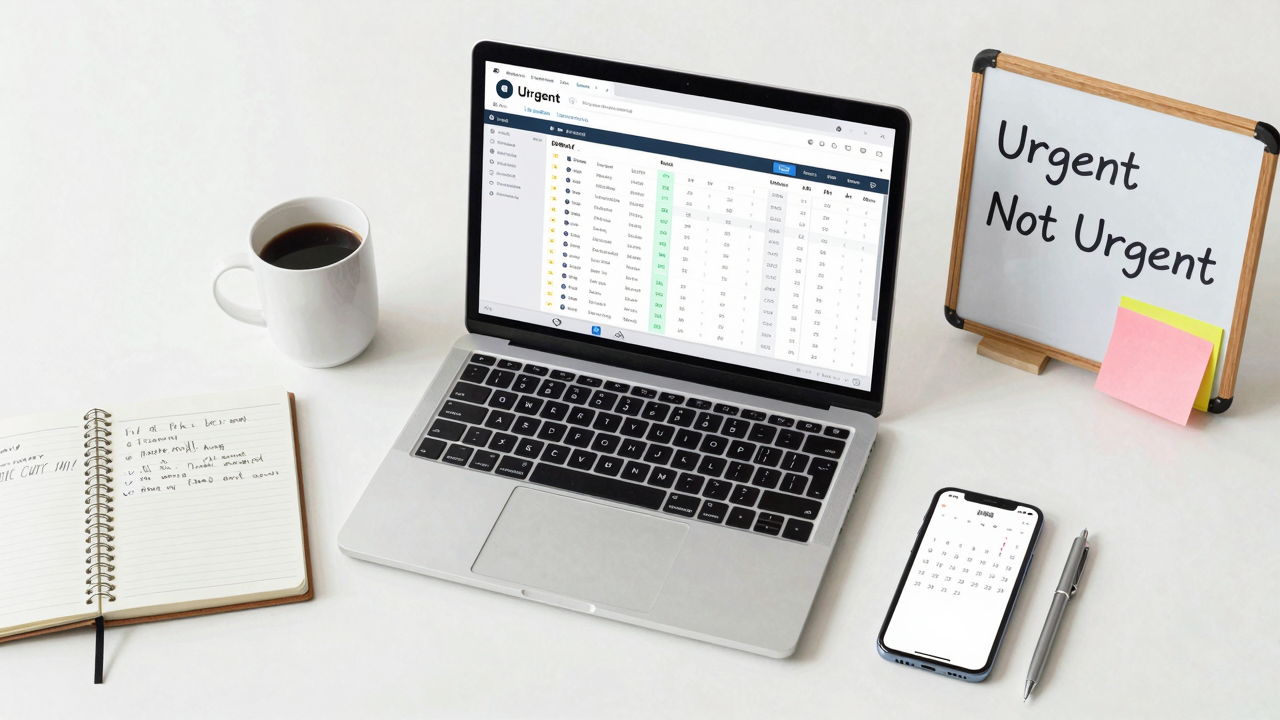
To prioritize tasks effectively, start by using the Eisenhower Matrix, which sorts tasks into four categories based on urgency and importance.
Focus on what’s important but not urgent to prevent stress and avoid last-minute scrambles.
Urgent Versus Important Tasks
Understanding the difference between urgent and important tasks can greatly enhance your productivity. Use the Eisenhower Matrix to categorize your tasks into four quadrants.
Focus first on the urgent and important tasks, as these require immediate attention. Next, schedule the important but not urgent tasks; these contribute to your long-term goals and help prevent future crises.
For tasks that are urgent but not important, consider delegating them or finding ways to eliminate them altogether. Finally, identify tasks that are neither urgent nor important and remove them from your to-do list.
Regularly assess your tasks using this matrix to improve your decision-making skills, leading to a more balanced workload and increased efficiency in your daily activities.
[embedded content]
Quadrant Analysis Benefits
Using the Eisenhower Matrix can transform how you manage your tasks and improve your productivity considerably.
Start by categorizing your tasks into four quadrants: urgent and important, important but not urgent, urgent but not important, and neither.
Focus on the “important but not urgent” quadrant to tackle tasks that align with your long-term goals, reducing last-minute stress.
Visually identifying task significance helps you decide what needs immediate attention versus what can wait.
Regularly review your matrix, delegating or eliminating tasks in the “urgent but not important” and “neither urgent nor important” quadrants.
This practice not only decreases procrastination but also boosts your overall task completion rates, ensuring you stay on top of your work responsibilities effectively.
Discover Your Peak Productivity Times
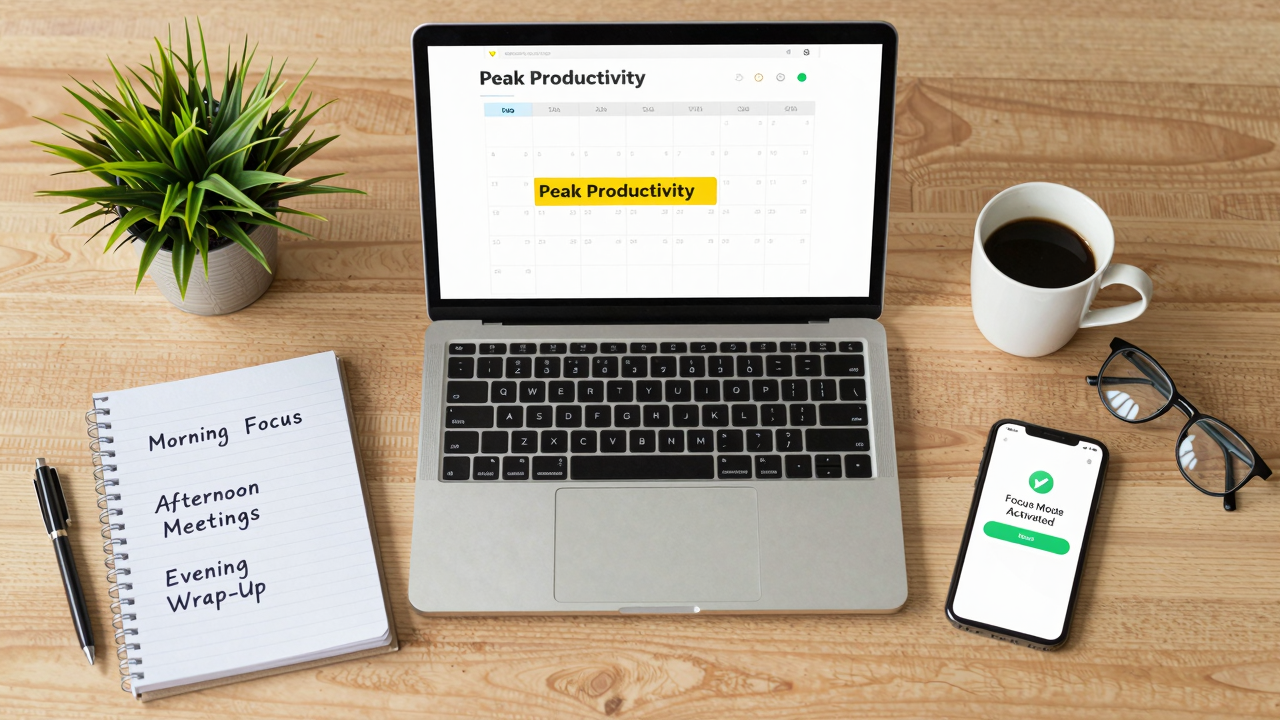
To boost your efficiency, start by identifying your energy cycles throughout the day.
Track your focus and performance for a week to see when you’re most productive, then schedule your challenging tasks during those peak hours.
This simple adjustment can lead to better work quality and faster completion rates, ultimately improving your overall performance.
Identify Your Energy Cycles
Have you ever noticed how your energy levels shift throughout the day? Identifying your energy cycles is key to maximizing productivity. Start by tracking your performance over a week; this will help you pinpoint when you feel most alert and focused. Schedule demanding tasks during these peak times, often in the morning or late afternoon. Use techniques like time blocking to enhance concentration during these periods, ensuring you can dive deep into your work. Also, remember to allocate breaks and lighter tasks during low-energy times to prevent burnout.
| Time of Day | Energy Level |
|---|---|
| Morning | High |
| Late Morning | Moderate |
| Afternoon | Low |
| Late Afternoon | High |
| Evening | Low |
Analyze Task Performance Patterns
Many people overlook the importance of analyzing task performance patterns, yet it’s an essential step in discovering your peak productivity times.
Start by tracking and logging your daily activities for at least a week. Identify when you feel most focused and energized—this could be in the morning or early afternoon.
Look for consistent patterns in your productivity levels, and note which tasks you complete efficiently during these times.
Once you’ve pinpointed these peak hours, align your most challenging tasks with them. This strategy enhances your efficiency and helps reduce procrastination.
Regularly reassess your schedule based on these insights to guarantee your time management evolves with your productivity patterns, keeping you on track for success.
Schedule Around Peak Hours
Identifying your peak productivity hours isn’t just helpful; it’s essential for maximizing your effectiveness at work. Track when you feel most alert and focused, usually in the late morning or early afternoon.
Studies show that aligning challenging tasks with these energy peaks can boost your productivity by 20-30%. Schedule important meetings and high-priority tasks during these times to enhance engagement and deep focus.
Regularly assess and adjust your calendar based on your findings. For instance, if you notice you’re sharpest from 10 AM to noon, reserve that block for your most demanding work.
Try the Pomodoro Technique to Boost Your Focus

If you’re struggling to stay focused during your workday, the Pomodoro Technique might be just what you need. This method involves working in focused intervals, known as “Pomodoros,” for 25 minutes, followed by a 5-minute break. This structure can boost your productivity by up to 25%, as the breaks help prevent mental fatigue.
After completing four Pomodoros, take a longer break of 15-30 minutes to recharge. To implement this, set a timer for 25 minutes, choose a specific task, and engage fully. When the timer rings, take a short break to stretch, grab a drink, or relax your mind.
Using a timer creates a sense of urgency, which can reduce procrastination and improve your completion rates. You’ll likely feel less overwhelmed as tasks become more manageable, allowing you to track your progress throughout the day.
Give it a try, and see how your focus improves!
Use Time Blocking to Structure Your Day
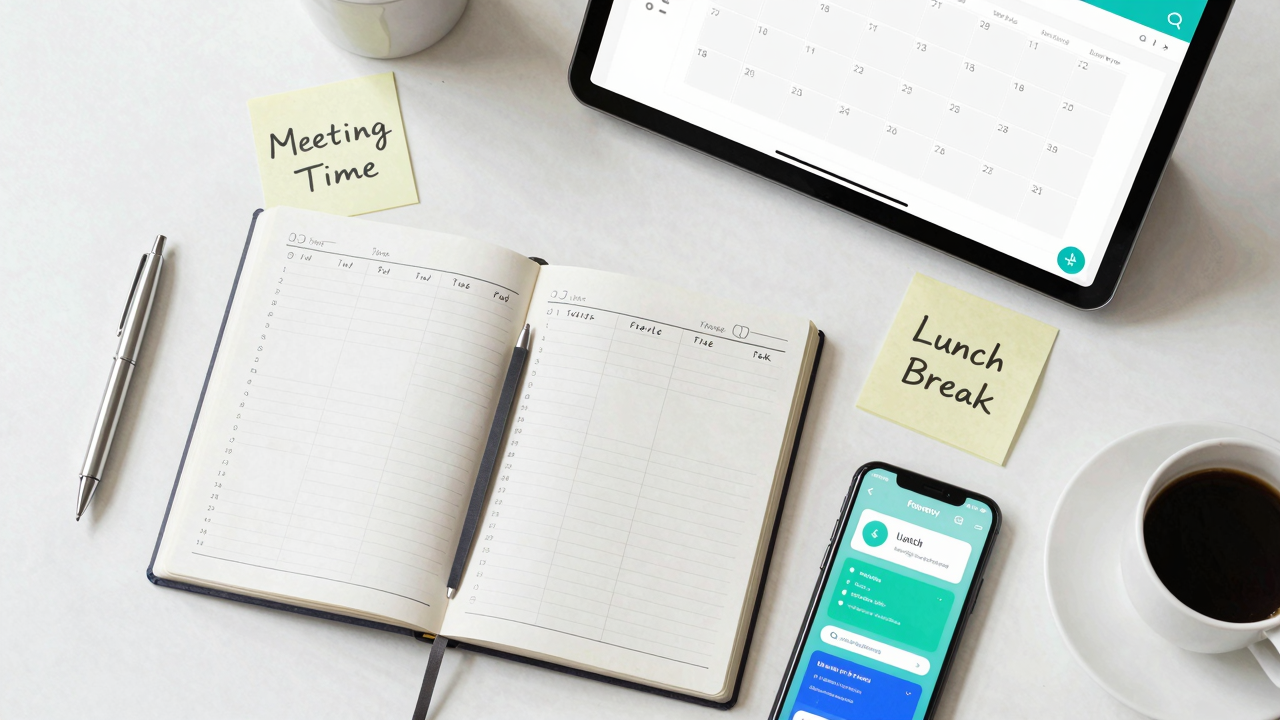
Time blocking can be a game-changer for anyone looking to improve their productivity. By dividing your day into specific segments, you can dedicate focused time to particular tasks, reducing the urge to multitask.
Here’s how to make it work for you:
- Identify your tasks: List your daily responsibilities and prioritize them.
- Set time limits: Assign specific durations for each task to avoid unnecessary expansion.
- Schedule deep work: Allocate uninterrupted blocks for tasks requiring concentration.
- Incorporate breaks: Plan short breaks between blocks to recharge and prevent burnout.
- Review and adjust: Regularly assess your blocks based on productivity and shifting priorities.
Delegate Effectively to Maximize Efficiency

Boost your efficiency by mastering the art of delegation. Start by identifying your team members’ strengths. Assign tasks that align with those strengths, which not only enhances productivity but also boosts morale. When people feel valued, they’re more engaged in their work.
Next, communicate clearly. Outline responsibilities and expectations to build trust. Many managers hesitate to delegate due to fear of losing control, but clear communication can alleviate that concern.
Don’t forget to monitor progress. Regularly check in on delegated tasks to guarantee accountability and offer support when needed. Studies show that effective delegation can speed up project completion by up to 25%.
Finally, reflect on your delegation practices. Most managers believe they could delegate more, so take a moment to evaluate how you can improve.
Review and Adjust Your Time Management Strategies

Understanding where your time goes is essential for effective time management. To improve your strategies, regularly assess and adjust them.
Start by keeping time logs to pinpoint where you’re productive and where you can improve. Be open to feedback from peers and reflect on your progress.
Here are some practical steps to evaluate:
- Use the Eisenhower Matrix to prioritize tasks by urgency and importance.
- Schedule weekly or monthly reviews of your goals and completed tasks.
- Experiment with different techniques like the Pomodoro Technique or time blocking.
- Adjust your methods based on changes in your workload or priorities.
- Identify patterns in your logs and refine your approach accordingly.
Frequently Asked Questions

How Can I Overcome Procrastination Effectively?
To overcome procrastination effectively, start by breaking tasks into smaller steps.
Set a timer for 25 minutes, focusing solely on one task during that time. Afterward, take a short break.
Prioritize your tasks by urgency and importance, tackling the most pressing ones first.
Remove distractions by creating a dedicated workspace.
Finally, hold yourself accountable by sharing your goals with someone who can check in on your progress regularly.
What Tools Can Help Improve Time Management?
To improve your time management, use tools like digital calendars, task management apps, and timers.
Set up reminders for deadlines using Google Calendar or Outlook, and break tasks into smaller, manageable steps with apps like Todoist or Trello.
Use the Pomodoro Technique, working in focused bursts of 25 minutes followed by 5-minute breaks.
Regularly review your progress to adjust your priorities and stay on track.
These tools help you stay organized and efficient.
[embedded content]
How Do I Handle Unexpected Interruptions?
To handle unexpected interruptions, stay calm and assess the situation quickly.
If it’s urgent, prioritize it and adjust your schedule. Set boundaries by politely asking colleagues to reschedule non-urgent issues.
Use a timer to focus on your tasks after the interruption. Keep a notepad handy to jot down distracting thoughts, so you can address them later.
Finally, review your day at the end, identifying patterns in interruptions to improve your planning.
Can I Improve Time Management Skills Over Time?
Yes, you can improve your time management skills over time.
Start by setting clear goals and prioritizing tasks daily. Use tools like calendars or task lists to organize your schedule.
Break larger tasks into smaller, manageable steps, and set deadlines for each.
Reflect weekly on what worked and what didn’t, adjusting your approach as needed.
Practice consistency, and you’ll notice gradual improvements in how you manage your time effectively.
[embedded content]
What Are the Signs of Poor Time Management?
Signs of poor time management include missed deadlines, frequent distractions, and a constant feeling of being overwhelmed.
If you find yourself procrastinating often, struggling to prioritize tasks, or spending too much time on low-impact activities, you’re likely facing issues.
To improve, start by tracking how you spend your time daily, set clear priorities, and establish specific deadlines.
Break tasks into smaller steps to make them more manageable and stay focused on your goals.
Conclusion

By implementing these time management strategies, you can boost your productivity and achieve greater success at work. Start by prioritizing tasks with the Eisenhower Matrix, and identify your peak productivity times. Experiment with the Pomodoro Technique and time blocking to structure your day effectively. Don’t forget to delegate tasks when possible and regularly review your progress. Take these steps to not only enhance your efficiency but also create a more balanced work-life environment.
Image via Google Gemini and Small Business Trends