
This post was originally published on this site.
Managing expenses effectively is essential for your small business’s financial health. By establishing clear expense management policies, you can define what qualifies as a business expense and set approval processes. Regularly reviewing and auditing your expenses will help you identify unnecessary costs and monitor spending trends. In addition, automating expense tracking can provide real-time insights into your financial situation. These foundational strategies can lead to a more sustainable and efficient operation, but there’s more to take into account as you aim for growth.
Key Takeaways
- Establish clear expense management policies to define business expenses, approval processes, and submission deadlines for better control over spending.
- Regularly review and audit expenses to identify unnecessary costs and ensure compliance with financial practices.
- Monitor spending trends using dashboards and real-time reports to highlight areas for improvement and prevent overspending.
- Automate expense tracking with mobile solutions for real-time monitoring, reducing errors and enhancing efficiency in reporting.
- Develop a financial strategy that includes an emergency fund and regular consultations with financial professionals to align goals and minimize risks.
Establish Clear Expense Management Policies

To effectively manage expenses in your small business, it’s vital to establish clear expense management policies that define what qualifies as a business expense. These policies not only guarantee compliance with IRS guidelines but additionally promote financial transparency.
Outlining approval processes and spending limits helps you control costs and prevents unauthorized spending, which is fundamental for maintaining financial health.
Setting deadlines for expense submissions encourages timely reporting, reducing discrepancies, and guaranteeing accurate financial records for audits and tax preparation.
Regularly reviewing and updating your expense policies aligns them with current laws and best practices, helping your organization adapt to changes in the business environment.
Implementing official policies cultivates a culture of accountability and cost-consciousness among employees, leading to better overall expense management.
Regularly Review and Audit Expenses

To effectively manage your small business expenses, regularly reviewing and auditing your financial records is essential.
By doing this, you can identify unnecessary costs, monitor spending trends, and evaluate service redundancies that may be draining your budget.
This proactive approach not just helps streamline operations but additionally strengthens your financial oversight, allowing for informed decision-making.
Identify Unnecessary Costs
Regularly reviewing and auditing your business expenses is crucial for identifying unnecessary costs that could impact your bottom line.
To effectively track company expenses and pinpoint areas for savings, consider these strategies:
- Assess Recurring Expenses: Evaluate ongoing costs to see if they still serve your business needs.
- Utilize Expense Tracking Software: This helps in monitoring spending patterns and identifying significant increases.
- Implement Regular Audits: Catch errors like duplicate charges that can lead to financial loss.
- Encourage Team Accountability: Have team members report irregularities in business expenses examples to promote a cost-conscious culture.
Monitor Spending Trends
How can you guarantee your business remains financially healthy? One effective approach is regularly monitoring spending trends through careful tracking of business expenses. This practice not only helps identify unnecessary costs but additionally highlights areas for improvement.
Conducting audits of your expenses allows you to uncover spending patterns that might reveal overspending or even fraudulent activities, safeguarding your financial health. By using dashboards to visualize these expense trends, you can compare actual spending against your budgets, which provides valuable insights for strategic decisions.
Periodically evaluating recurring expenses guarantees that you’re getting the best deals from vendors, leading to potential cost savings. In the end, addressing problem areas identified during these reviews encourages effective financial management and better resource allocation.
Evaluate Service Redundancies
Many small businesses overlook the potential for savings hidden within their service contracts and subscriptions.
To effectively evaluate service redundancies, consider these steps for managing expenses for small business:
[embedded content]
- Conduct regular audits of service contracts and subscriptions to find overlapping services.
- Utilize expense tracking software to visualize spending patterns and identify similar functionalities across services.
- Implement a quarterly review process to assess the necessity of current services, eliminating redundancies to optimize costs.
- Encourage department leaders to collaborate and share insights on service needs, preventing duplicate purchases across teams.
Encourage Employee Cost-Consciousness

When you cultivate a culture of cost-consciousness among your employees, you’re not merely promoting fiscal responsibility; you’re moreover paving the way for significant savings within your small business.
Start by educating your team on the importance of managing expenses effectively. Set reasonable spending limits in various categories, which encourages mindfulness whilst allowing them to operate efficiently. Clearly outlining these limits in your expense policy helps employees understand acceptable spending parameters, reinforcing their fiscal responsibility.
[embedded content]
Provide training on how to keep track of expenses during onboarding, integrating cost-conscious practices from the start. This is the best way to track business expenses, ensuring everyone knows how to monitor their spending.
Furthermore, encourage employees to share cost-saving suggestions; this not only promotes accountability but can lead to innovative ideas for reducing unnecessary expenditures. By involving your team, you create a shared commitment to managing expenses effectively.
Use Corporate Credit Cards

Corporate credit cards are often an effective tool for small businesses looking to streamline their financial management. They help separate personal and business finances, making tax preparation easier and boosting financial organization.
Here are some key benefits:
- Expense Visibility: Issuing corporate cards to employees simplifies how to keep track of expenses, providing real-time visibility into spending patterns.
- Rewards: Many corporate credit cards offer cashback on everyday purchases, allowing you to reinvest savings back into the business.
- Spending Controls: Setting specific controls on corporate cards enforces expense policies, ensuring compliance and reducing overspending risks.
- Credit Health: Quickly paying off balances improves your business’s credit score and lowers interest costs.
Integrating these cards with business expense tracking apps can further improve your expense management strategy, allowing you to monitor spending effectively.
Automate Expense Tracking

Automating expense tracking can greatly improve your business’s financial management.
With streamlined reporting processes, you can minimize manual errors and guarantee compliance with your company’s expense policies.
Moreover, mobile tracking solutions enable real-time expense monitoring, allowing you to make informed budgeting decisions and quickly adjust spending as needed.
Streamlined Reporting Processes
Expense tracking can be a cumbersome process, but streamlining it through automation greatly improves efficiency and accuracy. Implementing automated systems is the best way to keep track of business expenses and refine small business expense tracking.
Here are four key benefits:
- Reduced Errors: Automation minimizes manual entry mistakes, ensuring data integrity.
- Time Savings: It frees up employees to focus on strategic tasks rather than paperwork.
- Real-Time Visibility: Automated tools provide immediate insights into spending against budget goals.
- Improved Compliance: By enforcing guidelines, automation reduces instances of non-compliance in expense reporting.
Using these approaches, you can centralize your expense data and refine your reporting processes, leading to more informed financial decisions.
Real-Time Expense Monitoring
How can you gain better control over your business expenses? Implementing automated expense tracking software can streamline the process, minimizing manual entry errors and saving your employees valuable time.
A business expense management app allows you to capture receipts on-the-go, ensuring all expenses are documented in real-time. Setting up automatic alerts for budget thresholds provides immediate visibility into spending patterns, helping you prevent overspending before it occurs.
[embedded content]
Regularly generating real-time expense reports lets you analyze trends and identify areas for cost savings, enabling proactive financial management. By integrating these tracking tools with your existing financial systems, you improve accuracy and reduce administrative workload, making it easier to keep track of expenses effectively.
Mobile Tracking Solutions
As managing business expenses can often feel overwhelming, mobile tracking solutions provide a practical way to simplify the process.
By using a business expense app, you can automate expense tracking and gain multiple benefits:
- Employees can instantly capture and submit receipts using their smartphones, reducing manual entry time.
- Many of the best expense tracking apps for small businesses integrate with your financial software for real-time updates.
- Instant approval and payment features speed up reimbursements, boosting employee satisfaction.
- Automated tracking reduces errors and helps verify transactions, minimizing fraudulent claims.
Adopting mobile expense tracking solutions can save an average of 15% on administrative costs, enabling better resource allocation for your small business.
Build an Emergency Fund

Building an emergency fund is essential for the sustainability of your small business, ideally covering three to six months of fundamental operating expenses. This fund acts as a financial cushion during unexpected challenges, such as equipment breakdowns or delayed client payments.
To effectively manage your emergency fund, consider setting up a dedicated business savings account. This way, you can separate these funds from your normal business expenses, making certain they’re accessible when needed. Automating contributions can likewise help facilitate consistent savings, making it easier to build your reserve without extra effort.
| Action | Benefits |
|---|---|
| Set up a dedicated account | Keeps funds separate |
| Automate contributions | Guarantees consistent savings |
| Aim for 3-6 months’ expenses | Provides a financial cushion |
| Review fund regularly | Adjust based on business growth |
| Use funds only for emergencies | Protects against cash flow issues |
Having this fund not only provides peace of mind but also improves your business’s resilience.
Consult Financial Professionals for Guidance

Consulting financial professionals can greatly improve your small business’s financial management and strategic planning. Their expertise helps you navigate complex financial environments, ensuring you make informed decisions.
Here are four key benefits of working with these experts:
- Budgeting and Cash Flow Management: They can help you create and maintain a budget to track expenses in your sole proprietorship effectively.
- Comprehensive Financial Planning: Financial professionals assist in aligning your financial goals with your business strategy, identifying growth opportunities.
- Tax Compliance: Regular consultations keep you updated on tax obligations, deductions, and regulations, minimizing penalty risks.
- Funding Assistance: They can help craft solid business plans and financial projections, enhancing your ability to secure loans.
Frequently Asked Questions

How Can I Motivate Employees to Save on Expenses?
To motivate employees to save on expenses, start by setting clear financial goals that everyone understands.
Offer training sessions on cost-effective practices, encouraging them to share ideas.
Implement reward systems, like bonuses for teams that meet savings targets, cultivating a sense of ownership.
Regularly communicate progress in relation to these goals, ensuring transparency.
Finally, involve employees in decision-making processes regarding budget allocations, making them feel valued and responsible for their contributions to expense management.
What Tools Can Simplify Expense Tracking for Small Businesses?
To simplify expense tracking for your small business, consider using tools like expense management software, which automates data entry and categorizes expenses.
Apps like Expensify or QuickBooks streamline the process, allowing you to upload receipts and track spending in real-time.
Furthermore, integrating accounting software can provide an all-encompassing view of your finances.
Using these tools not only saves time but likewise improves accuracy in your financial reporting, making management more efficient.
How Often Should I Update My Expense Management Policies?
You should update your expense management policies at least once a year, or whenever significant changes occur in your business operations or financial regulations.
Regularly reviewing these policies helps guarantee they remain relevant and effective. Furthermore, consider updating them after major expenses or shifts in your industry.
What Common Mistakes Should I Avoid in Expense Management?
When managing expenses, avoid several common mistakes. First, don’t neglect tracking small purchases; they can add up quickly.
Second, make sure you’re not mixing personal and business expenses, as this complicates accounting.
Additionally, avoid infrequent review of your expenses; regular checks help identify unnecessary costs.
Finally, don’t forget to involve your team in budgeting discussions, as their insights can reveal savings opportunities.
These errors can hinder your financial efficiency and overall business performance.
How Can I Measure the Effectiveness of My Expense Management Strategies?
To measure the effectiveness of your expense management strategies, track key performance indicators such as cost reduction, budget adherence, and return on investment.
Regularly analyze your financial reports to identify trends and areas for improvement. Utilize tools like expense tracking software to streamline data collection.
Furthermore, gather employee feedback to assess the practicality of your strategies. By consistently reviewing these metrics, you can fine-tune your approach and improve overall financial performance.
Conclusion

Managing expenses effectively is crucial for the success of your small business. By implementing clear policies, regularly reviewing your spending, and cultivating cost-consciousness among employees, you can identify areas for improvement. Utilizing corporate credit cards and automating expense tracking streamlines processes, as well as maintaining an emergency fund prepares you for unexpected challenges. Finally, consulting financial professionals guarantees you’re making informed decisions. By following these tips, you can improve your financial health and position your business for growth.
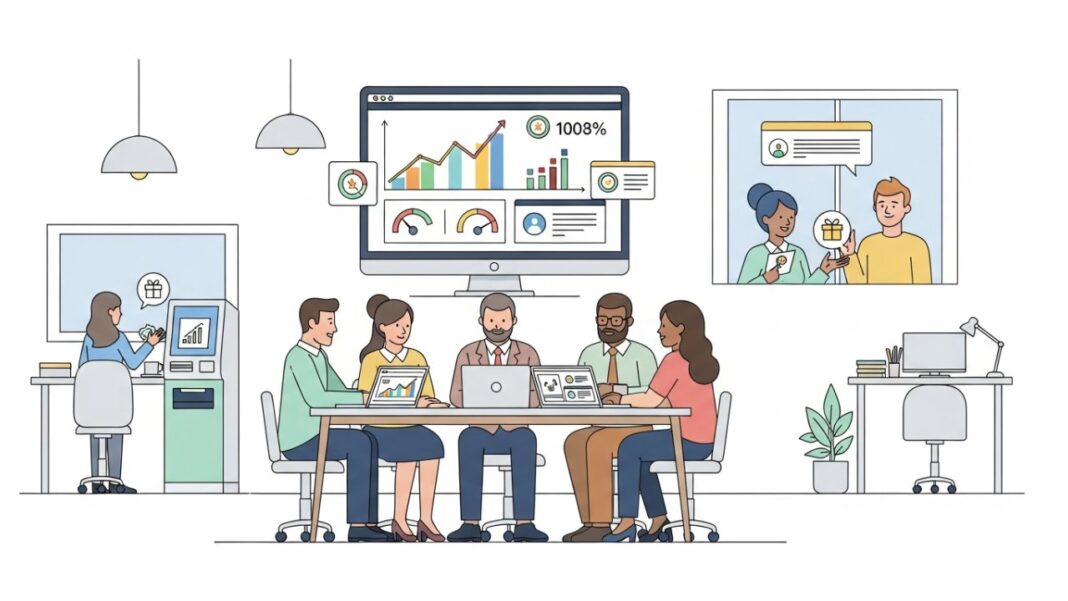
Image via Google Gemini