
This post was originally published on this site.
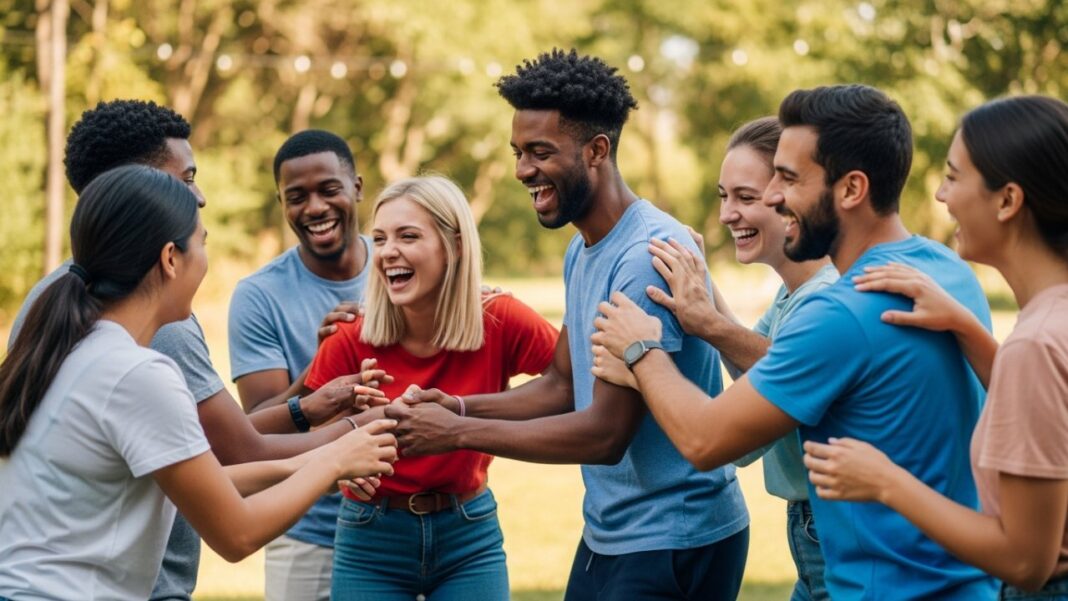
Team building games play an essential role in youth development, providing opportunities for young people to improve their collaboration and communication skills. Engaging in activities like “Human Knot” and “Puzzle Race” not just promotes teamwork but additionally encourages problem-solving and creative thinking. As you explore these seven fun games, you’ll discover how each one can cultivate relationships and build a sense of community among participants. Let’s examine the details of these activities and their benefits.
Key Takeaways
- Human Knot fosters communication and problem-solving skills as participants work together to untangle themselves without breaking hands.
- Two Truths and a Lie encourages sharing personal stories, building connections and trust among team members.
- Puzzle Race promotes teamwork and critical thinking as groups compete to assemble puzzles under time constraints.
- Scavenger Hunt enhances strategic thinking and collaboration while participants search for items or complete challenges as a team.
- Electric Fence nurtures real-time communication and strategy development as teams navigate an imaginary electric fence without touching it.
The Importance of Team Building Games for Young People
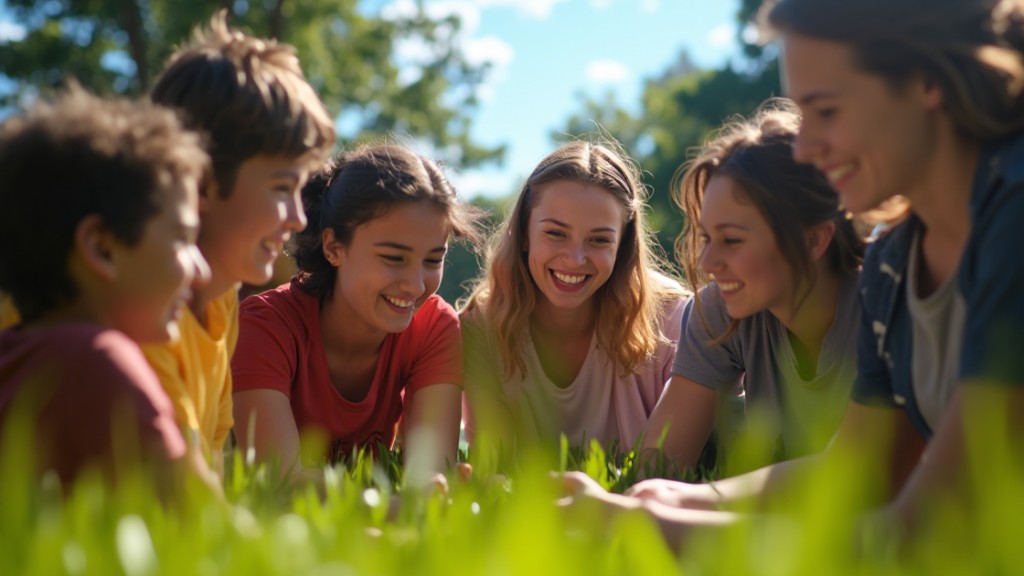
Team building games play a fundamental role in the development of young people, offering numerous benefits that extend beyond mere entertainment. Engaging in team building activities for youth, such as fun group games for teens, helps nurture vital social skills like communication and collaboration.
These teamwork activities for kids encourage face-to-face interactions, combating isolation caused by excessive screen time as they enhance emotional intelligence. Participation in youth group teamwork games boosts self-esteem and resilience, equipping young individuals with the confidence to tackle various challenges.
Additionally, team building for kids often incorporates elements of fun and competition, effectively capturing their interest and encouraging participation. These activities create a strong sense of belonging and community, which is significant for mental well-being.
Through trusting relationships and cohesive efforts in the direction of common goals, young people can develop fundamental skills that will serve them well in both personal and professional contexts.
Benefits of Engaging in Fun Activities

Engaging in fun activities offers a range of benefits that greatly improve the development of young people. Participating in team building activities for kids boosts communication skills, as you’ll need to convey ideas and collaborate effectively to reach common goals.
These fun activities for youth build trust and rely on one another, especially during challenges that require support and teamwork for kids. Furthermore, they boost morale and motivation, creating a positive atmosphere that encourages participation among peers.
Engaging in group games for teenagers additionally promotes critical thinking and problem-solving skills, as you navigate tasks that require strategic planning.
By regularly participating in team building games for youth, you strengthen relationships and connections, contributing to a sense of belonging and community within your group.
Top 7 Team Building Games to Try
When looking to improve communication and collaboration among young people, incorporating team building games can be highly effective. Here are seven engaging options to contemplate.
- Human Knot: This game improves communication and problem-solving as participants untangle themselves during holding hands.
- Two Truths and a Lie: A fun icebreaker that encourages sharing personal information.
- The Great Egg Drop: Teams create protective devices for raw eggs, combining creativity and engineering skills.
- Puzzle Race: Groups compete to complete jigsaw puzzles, developing teamwork and problem-solving under pressure.
- Balloon Tower Construction: Teams build the tallest structure using only balloons and tape, cultivating strategic planning.
- Scavenger Hunt: A classic youth group game that promotes collaboration in searching for items.
- Charades: A lively game that improves teamwork and communication through acting.
These team building activities for middle schoolers and group games for teens can promote connection and improve skills.
Tips for Facilitating Successful Activities
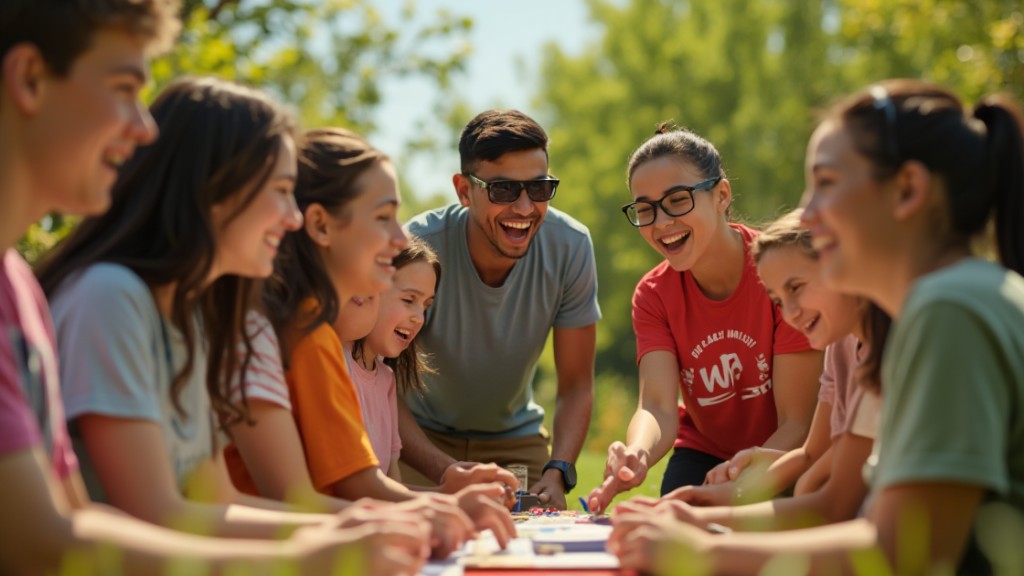
Facilitating successful team-building activities requires careful planning and consideration of the participants’ needs and interests. To engage young people in team building activities for middle schoolers, you should focus on relevant topics and incorporate active group games for youth. Here’s a concise table to guide your planning:
| Activity Type | Purpose | Tips |
|---|---|---|
| Group Games for Kids | Build teamwork skills | Keep it fun and engaging |
| Fun Games for Teens | Encourage social interaction | Allow flexibility in rules |
| Team Building Exercises for Kids | Promote communication | Debrief to discuss insights |
| Youth Group Activities | Cultivate trust | Create a supportive atmosphere |
| Movement-Based Tasks | Maintain high energy levels | Avoid long periods of inactivity |
Creating an Inclusive Environment
Creating an inclusive environment in team-building activities is crucial for ensuring that everyone feels valued and respected.
By embracing diverse perspectives and encouraging open dialogue, you allow all participants to contribute their unique insights.
Furthermore, nurturing collaborative activities not only improves engagement but also strengthens the bonds among group members, promoting a sense of belonging.
Embrace Diverse Perspectives
Embracing diverse perspectives in team-building activities not just promotes an inclusive environment but also improves group cohesion by guaranteeing all participants feel valued and respected. Incorporating activities that celebrate unique backgrounds cultivates empathy and comprehension among team members.
| Activity Type | Example Activity |
|---|---|
| Team Building Activities | Icebreakers sharing cultural stories |
| Community Building Activities | Group mural representing cultures |
| Group Games | Problem-solving challenges |
| Interactive Games | Debate on cultural topics |
Creating mixed groups encourages collaboration, leading to innovative solutions, especially in youth group team building games. Regular feedback guarantees activities remain relevant, reinforcing every participant’s voice in community building activities for middle schoolers and fun games with teenagers.
Encourage Open Dialogue
To nurture an inclusive environment during team-building activities, it’s crucial to encourage open dialogue among participants. Engaging in team building activities for youth helps create a space where everyone can express their thoughts and feelings freely.
Incorporating icebreaker games and youth group games for small groups promotes personal sharing, making participants feel valued. This approach breaks down social barriers, allowing individuals from diverse backgrounds to contribute meaningfully.
After team-building exercises, facilitating discussions reinforces a culture of inclusivity, encouraging insights and feedback. By offering a mix of bonding games for families, team building games for high schoolers, and group games for kindergarteners, you support various interests and communication styles, ensuring everyone feels comfortable engaging in dialogue.
Foster Collaborative Activities
Building on the foundation of open dialogue, promoting collaborative activities is crucial for creating an inclusive environment during team-building exercises.
These activities help nurture youth teamwork, making everyone feel like they belong. Here are some effective strategies to incorporate:
- Use team building activities for elementary students that encourage participation from all ages.
- Implement team building games for youth indoor to engage participants regardless of outside distractions.
- Choose group games for small groups that require cooperation, like trust falls or human knots.
- Introduce team building activities for middle schoolers that address various interests, ensuring everyone feels valued.
Encouraging Teamwork and Collaboration
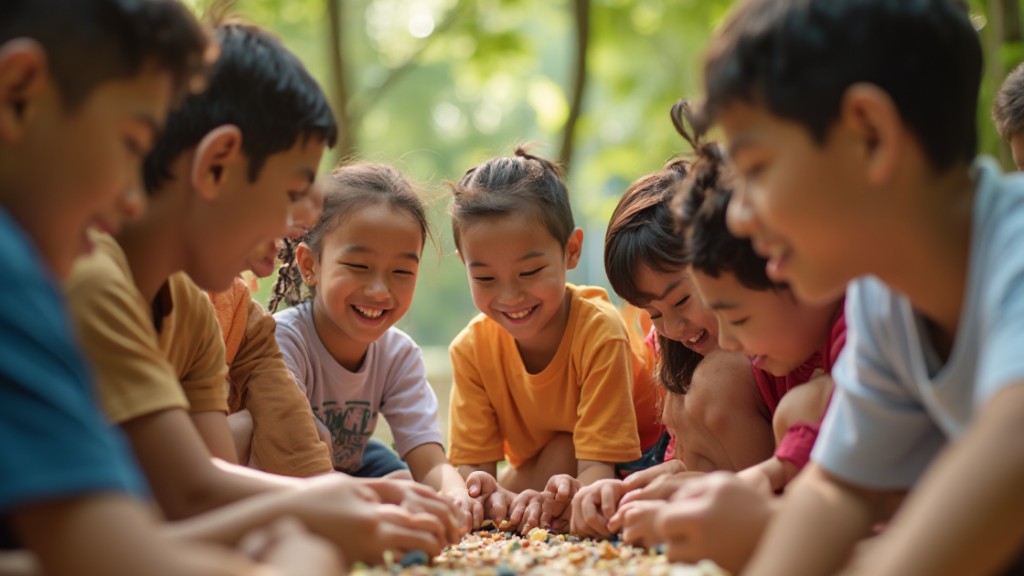
To encourage teamwork and collaboration, it’s crucial to focus on enhancing communication skills among young people.
Through engaging team-building games, participants not just learn to share ideas but additionally build trust with their peers, creating a solid foundation for effective collaboration.
Enhancing Communication Skills
Effective communication is crucial for nurturing teamwork and collaboration, as it allows individuals to share ideas, express concerns, and work toward common goals.
[embedded content]
Engaging in team-building games improves these skills by requiring participants to articulate thoughts clearly and listen actively.
Here are four effective activities you can try:
- Blind Drawing: Participants communicate instructions without visual aids, emphasizing clarity.
- Human Knot: This activity requires effective verbal cues to untangle a group.
- Problem-Solving Tasks: Encourage dialogue and brainstorming to promote collaboration.
- Group Games: Easy group games for kids can initiate conversations and improve communication.
Building Trust Among Peers
Trust among peers plays a crucial role in nurturing teamwork and collaboration within any group. Engaging in team building activities, like trust-building exercises such as trust falls or the Human Knot, creates a safe environment where individuals can rely on each other.
These group games facilitate open communication, improving collaboration and problem-solving skills. Studies indicate that teams with higher trust levels exhibit better team dynamics, creativity, and productivity.
Shared experiences, such as scavenger hunts or group challenges, further strengthen bonds among team members. Eventually, establishing trust not only improves team dynamics but also supports individual emotional well-being, cultivating a more connected and supportive atmosphere.
Fostering Collaboration Through Play
Even though many young people may find themselves more comfortable behind screens, engaging in team-building games provides a crucial opportunity for face-to-face interactions that boost collaboration.
These fun group games for kids encourage teamwork and build important collaboration skills. Here are four effective activities to reflect on:
[embedded content]
- Human Knot – Promotes communication and problem-solving.
- Scavenger Hunt – Encourages strategic thinking and teamwork.
- Reverse Charades – Requires collective input, improving participation.
- Group Storytelling – Cultivates a sense of belonging among participants.
Participating in these family team building activities and group activities for youth groups improves motivation and engagement.
Using team building ideas for youth in playful settings can greatly enhance collaboration skills that are valuable in various social and educational contexts.
Enhancing Communication Skills Through Play
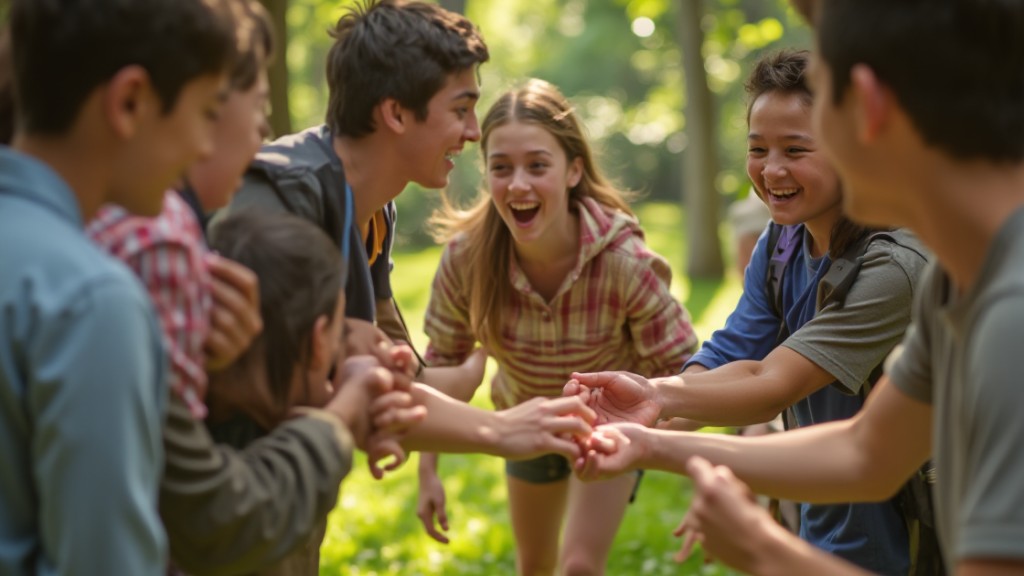
Participating in team-building games can greatly improve young people’s communication skills, as these activities provide practical opportunities for interaction and collaboration. Games like “Blind Drawing” and “Reverse Charades” require participants to articulate their thoughts and convey ideas, enhancing their verbal and non-verbal communication. Structured activities, such as “Two Truths and a Lie,” promote interpersonal dialogue, allowing kids to share stories and ask questions, thereby improving conversational skills. Team challenges, like “Electric Fence,” necessitate real-time communication and strategy formulation, nurturing trust and collaboration among peers.
| Game | Skill Developed |
|---|---|
| Blind Drawing | Active Listening |
| Reverse Charades | Non-Verbal Communication |
| Two Truths and a Lie | Conversational Skills |
| Electric Fence | Team Strategy and Trust |
| Family Team Building Exercises | Collaboration and Feedback |
Engaging in these group games for elementary students and quick youth group games encourages kids to work together effectively.
Frequently Asked Questions
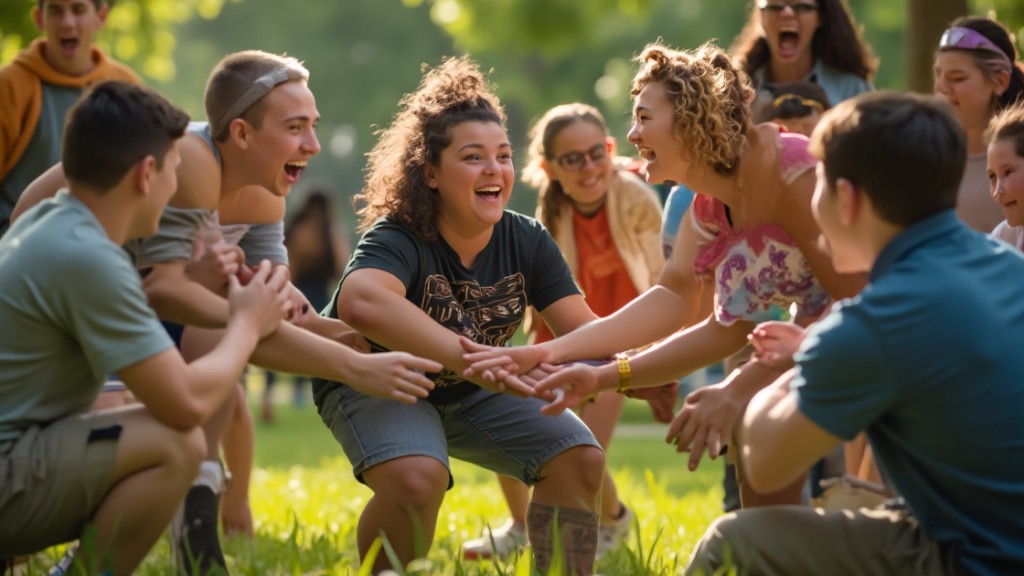
What Are Some Team-Building Activities for Teens?
You can explore various team-building activities for teens that improve communication and collaboration.
Consider games like “Human Knot,” which nurtures problem-solving, or “Trust Fall,” which develops trust. Scavenger hunts promote teamwork as they encourage strategic thinking.
Icebreakers, such as “Two Truths and a Lie,” help establish connections. Physical challenges like “Balloon Tower” keep energy high and engage participants actively.
These activities are effective in cultivating crucial skills for personal and academic success.
What Are Some Unique Team-Building Ideas?
You can explore unique team-building ideas that improve collaboration and problem-solving skills.
Consider activities like the Mystery Box Challenge, where teams create presentations from random items, or a Geocaching Adventure that utilizes GPS for outdoor treasure hunts.
[embedded content]
Reverse Engineering emphasizes communication, whereas The Great Egg Drop encourages innovation through design.
Finally, a Whodunit Mystery cultivates teamwork as participants solve challenges together, improving observation and deduction skills in an engaging environment.
What’s the Most Fun Game to Play With a Group?
When you’re looking for a fun game to play with a group, consider “Reverse Charades.” In this game, one person guesses as the entire team acts out a word or phrase, which nurtures teamwork and creativity.
On the other hand, “Human Knot” encourages collaboration as participants untangle themselves without breaking hand contact. Each game promotes interaction, problem-solving, and laughter, making them suitable for various group settings.
These activities enhance communication and bonding as participants engage actively.
What Are Some Fun Games for Teens in Small Groups?
For small groups of teens, consider games like “Two Truths and a Lie,” where each person shares two true statements and one falsehood, promoting personal connections.
“Pictionary” engages creativity as players draw and guess words, enhancing teamwork.
“Reverse Charades” flips the concept, allowing teams to act out as one guesses, ensuring everyone participates.
Finally, Balloon Tower challenges groups to build the tallest structure using only balloons and tape, cultivating collaboration and strategic thinking.
Conclusion
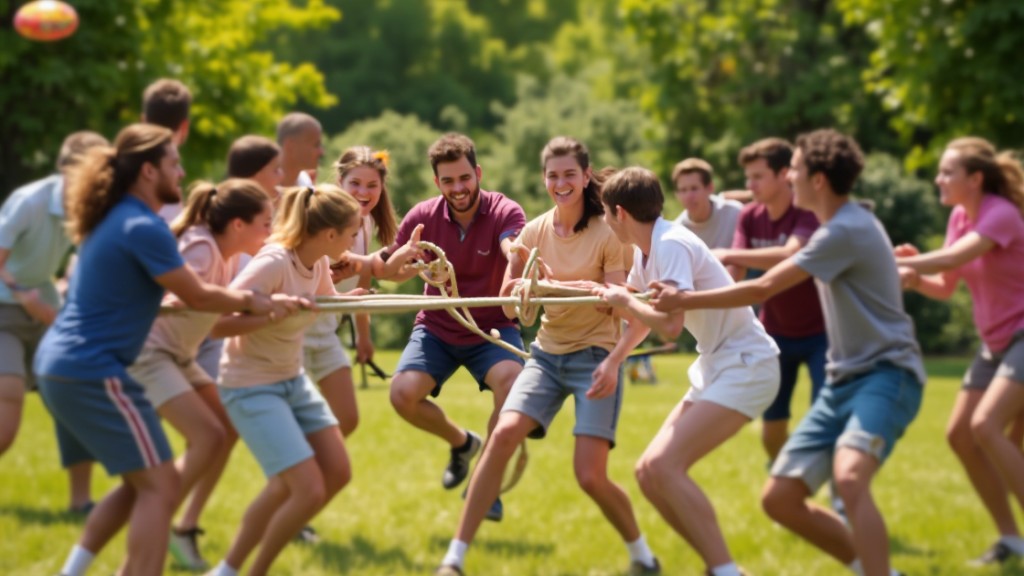
Incorporating team building games into youth activities can greatly improve collaboration and communication skills. The seven games outlined provide diverse opportunities for young people to engage, solve problems, and build relationships. By facilitating these activities effectively and nurturing an inclusive environment, you’ll encourage teamwork and improve interpersonal skills. As participants navigate these challenges together, they not solely develop their capabilities but additionally strengthen their sense of community, making these games valuable for personal and social growth.
Image via Google Gemini and ArtSmart