

This post was originally published on this site.
Understanding shopper behavior is essential for any retailer aiming to boost sales and customer satisfaction. Start by addressing the intention-action gap; it can lead to more sustainable purchases. Pay attention to emotional drivers, as they greatly impact decisions. Monitor key metrics like dwell time and conversion rates to gauge engagement. By refining store layout and respecting data privacy, you build trust. Let’s explore how these insights can transform your approach and drive results.
Key Takeaways
- Understanding the intention-action gap can help bridge the divide between consumers’ sustainable desires and actual purchasing behavior.
- Emotional drivers significantly influence shopping choices, with positive environments enhancing mood and spending.
- Regularly monitoring key metrics like dwell time and conversion rates provides actionable insights for improving shopper engagement.
- Effective store layout and product placement can increase visibility and sales by strategically positioning items in high-traffic areas.
- Data privacy concerns are paramount; transparent data handling fosters consumer trust and enhances targeted marketing strategies.
Understanding the Intention-Action Gap in Consumer Behavior
While many consumers claim they want to support sustainable brands, the reality shows a significant gap between their intentions and actions. In fact, 65% express a desire to buy sustainably, but only 26% follow through. This intention-action gap highlights the importance of customer behavior analysis.
To address this, brands should simplify eco-friendly choices, making them clearer and more accessible. Start by clearly communicating your sustainability claims, avoiding vague language that can breed skepticism.
Utilize data to understand your customers’ emotional responses and tailor messaging that resonates with them. Engage in continuous research to adapt to evolving shopper behaviors.
Consider offering promotions on sustainable products to encourage trial. By actively addressing the confusion around sustainability, you can build trust and increase the likelihood that consumers will choose your brand over others, ultimately bridging the intention-action gap.

Emotional drivers play a crucial role in shaping your shopping decisions, often influencing you more than logical reasoning. Customer behaviour analysis shows that nearly 70% of your purchasing choices occur subconsciously, reflecting the strength of feelings over rational thought.
If you create a positive shopping environment, you can boost your mood and spending, leading to higher satisfaction levels.
Consider how branding evokes emotions like nostalgia or trust, which can enhance your willingness to pay more for a product. Be aware that post-purchase feelings—like joy or regret—impact your overall satisfaction, regardless of the product’s performance.
To align emotional motivations with purchasing behavior, focus on building genuine connections with your customers. For instance, highlight sustainable practices if that resonates emotionally.
Essential Metrics for Analyzing Shopper Behavior

Understanding essential metrics for analyzing shopper behavior is key to enhancing your retail strategy. Start by measuring dwell time, which tells you how long customers engage with products. This insight can inform layout and placement decisions to boost visibility.
Next, track conversion rates to see what percentage of visitors make purchases; this helps you evaluate marketing effectiveness. Pay attention to cart abandonment rates, as they reveal friction points in the buying process—address these to improve sales.
Utilize customer engagement metrics, like interaction rates with promotions, to assess the impact of your marketing efforts. Finally, conduct sentiment analysis on customer feedback to uncover emotional responses, guiding improvements in products and services.
How Store Layout Influences Buyer Engagement
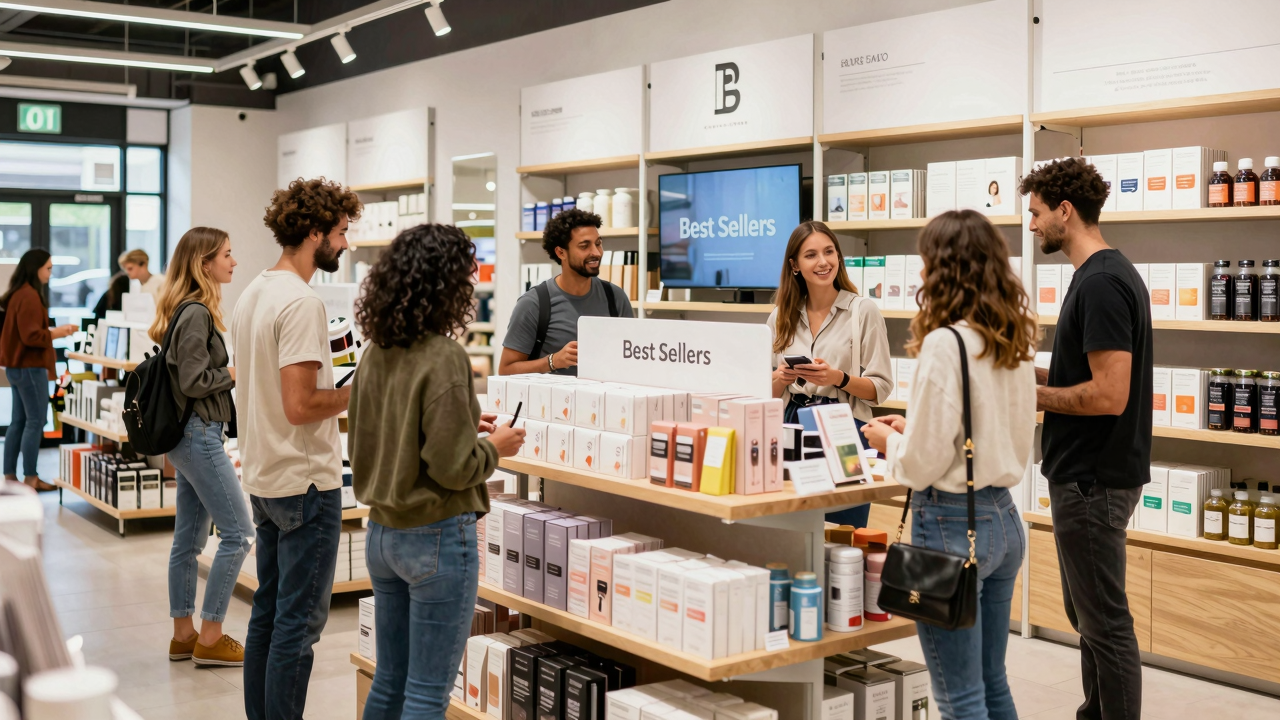
Store layout plays a vital role in how shoppers engage with your products, so it’s important to think strategically about placement.
Position popular items at eye-level and in high-traffic areas, like entrances and checkout zones, to maximize visibility and drive impulse purchases.
Effective Product Placement
Effective product placement plays an essential role in engaging shoppers and driving sales. To maximize your store’s impact, place high-demand items at eye-level, as these attract 30% more attention.
Utilize high-traffic areas, like end caps, for promotional displays to potentially boost sales by up to 20%. Remember, customers spend just 2.2 seconds evaluating products, so create clear, appealing arrangements that catch their eye quickly.
Heatmap data shows shoppers often focus on the right side of shelves first; strategically position popular products there to enhance visibility.
Integrate shopper behavior analysis tools with your layout for real-time adjustments, ensuring you optimize product placement and enhance customer engagement effectively. This data-driven approach will lead to improved sales performance.
High-Traffic Area Strategies
While you might think that product placement is all about aesthetics, the layout of your store plays a crucial role in influencing buyer engagement. High-traffic area strategies can greatly boost sales.
[embedded content]
Place popular products at eye level or near entrances to attract more attention. For instance, a customer behavior analysis example shows that shoppers spend 30% more time around well-placed promotional displays.
Use heatmap data to identify where shoppers look for 1.7–2.2 seconds, and position engaging signage or special offers there. By optimizing store layouts based on actual navigation patterns, you can direct foot traffic and potentially increase sales by 15%.
The Role of Data Privacy in Shopper Behavior Analysis

Data privacy plays an essential role in shopper behavior analysis, especially as consumers grow increasingly wary of how their personal information is handled. With 79% of shoppers expressing data privacy concerns, brands must prioritize transparent practices. Compliance with regulations like GDPR and CCPA isn’t just necessary; it’s crucial for maintaining trust.
Here’s a quick look at consumer sentiment toward data privacy:
| Concern Level | Percentage of Consumers | Action to Take |
|---|---|---|
| Very Concerned | 45% | Implement strong data protection |
| Somewhat Concerned | 34% | Communicate your privacy policies |
| Not Concerned | 21% | Highlight positive data usage |
Using Insights for Targeted Marketing

Understanding shopper behavior insights is key to crafting targeted marketing strategies that resonate with your audience. By leveraging these insights, you can engage customers more effectively and enhance satisfaction.
Here are three actionable steps to take into account:
- Segment Your Audience: Identify different shopper segments, like convenience-seeking or value-conscious customers. Tailor your messaging to meet their specific needs.
- Utilize Data: Analyze metrics such as cart abandonment rates to pinpoint where customers drop off. Use this data to create targeted interventions that improve the shopping experience.
- Incorporate Qualitative Insights: Implement social listening to gather genuine customer sentiment. Use this feedback to craft marketing messages that directly address consumer concerns and motivations.
How to Effectively Implement Shopper Behavior Analysis

To effectively implement shopper behavior analysis, start by setting clear goals that align with your business objectives, like boosting sales or improving customer retention.
Next, gather data from various touchpoints, both online and in-store, to create a thorough view of shopper preferences.
Finally, use real-time analysis tools to quickly identify trends and adjust your strategies as needed, ensuring you stay in tune with changing consumer behavior.
Key Implementation Strategies
Implementing shopper behavior analysis effectively starts with setting clear objectives that align with your business goals. By defining what you want to achieve, you can focus your efforts efficiently.
Here are three key strategies to take into account:
- Utilize Multiple Data Sources: Gather insights from online, in-store, and social media interactions to understand shopper behavior thoroughly.
- Leverage AI Tools: Use platforms like Google Analytics 4 to quickly process large datasets, identifying patterns that traditional methods might miss.
- Integrate Real-Time Insights: Guarantee your data is updated in real time, allowing for immediate adjustments in your marketing strategies or store layouts based on shopper behavior.
Data Integration Techniques
Integrating data from multiple sources is essential for effective shopper behavior analysis. Start by collecting data from online interactions, in-store behaviors, and social media engagement to create a complete view of customer preferences.
Use AI platforms like Google Analytics 4 or Adobe Analytics for real-time data integration, enhancing the accuracy of your consumer behaviour analysis. Align this data with your POS systems to see how customer interactions impact sales performance.
Regularly update your data and monitor trends to keep your strategies relevant. Finally, establish clear objectives for your integration efforts, as this helps avoid vague insights, ensuring that your marketing strategies and product placements are targeted and effective.
[embedded content]
Real-Time Analysis Importance
Real-time analysis of shopper behavior can transform how you engage with customers and drive sales. To effectively implement this strategy, consider these steps:
- Integrate with POS Systems: Combine in-store interactions with sales data to identify trends and adjust promotions quickly.
- Utilize AI Tools: Leverage AI-powered analytics to uncover patterns in shopper behavior that traditional methods might miss, enhancing personalized marketing efforts.
- Monitor Key Metrics: Continuously track metrics like dwell time and conversion rates to make informed decisions that align with changing consumer preferences.
Frequently Asked Questions

How Can Shopper Behavior Analysis Improve Customer Loyalty?
Shopper behavior analysis can boost customer loyalty by identifying what drives your customers. Start by tracking their interactions with products and store layouts.
Use insights to personalize promotions and enhance the shopping experience. For example, if a customer frequently buys a specific item, offer them targeted discounts.
Regularly gather feedback through surveys to understand their needs better. This approach helps create tailored experiences that resonate with customers, encouraging repeat visits and fostering loyalty.
What Tools Are Best for Tracking Shopper Behavior Effectively?
To track shopper behavior effectively, use tools like Visitor InSight for monitoring dwell time and product engagement.
Integrate with POS systems to connect in-store actions with sales data.
Consider digital signage analytics for real-time content control and customer engagement insights.
Employ customer feedback tools like surveys to gather qualitative data.
Finally, analyze the data regularly to refine your strategies and enhance the shopping experience based on actionable insights.
How Often Should Shopper Behavior Data Be Analyzed?
You should analyze shopper behavior data at least monthly. This frequency lets you spot trends and make timely adjustments.
Start by collecting data on customer interactions, sales patterns, and product placements. Then, review this information to identify areas for improvement, like store layout or promotional strategies.
If you notice significant changes in shopper behavior, adjust your analysis schedule to weekly. Regular insights help you stay responsive to customer needs and boost sales effectively.
What Are Common Pitfalls in Shopper Behavior Analysis?
Common pitfalls in shopper behavior analysis include relying on incomplete data, ignoring privacy regulations, and failing to align insights with business goals.
To avoid these issues, make sure you collect thorough data, integrate privacy measures, and regularly review your objectives.
Also, watch out for overgeneralizing findings; break down insights by demographics for better targeting.
Finally, involve your team in interpreting data, as diverse perspectives can enhance understanding and lead to actionable strategies.
How Does Cultural Context Influence Shopper Behavior?
Cultural context greatly influences shopper behavior. To adapt, start by researching local customs, values, and spending habits.
[embedded content]
Observe how cultural events impact purchasing patterns, like holidays or festivals. Tailor your marketing strategies to resonate with these cultural nuances, using relevant messaging and imagery.
For instance, offer promotions aligned with local celebrations. Engaging with community feedback can also enhance your understanding, allowing you to fine-tune your approach for better customer connections.
Conclusion

By focusing on these seven key insights, you can enhance your retail strategy effectively. Start by bridging the intention-action gap through targeted promotions. Use emotional drivers to connect with customers, and track essential metrics like dwell time. Optimize your store layout for better visibility, and always prioritize data privacy to build trust. Finally, leverage AI tools to uncover deep insights. Implement these actions, and you’ll likely see an increase in customer engagement and sustainable purchases.
Image via Google Gemini and Small Business Trends