

This post was originally published on this site.
In today’s fast-paced ecommerce landscape, staying ahead means recognizing key trends that can impact your business. You need to focus on social commerce, as more shoppers engage through social platforms. Personalization is essential, too; tailored experiences can drive customer loyalty. Make sure your site is mobile-optimized and easy to navigate. As you tackle these areas, consider how augmented reality can enhance shopping. Each trend offers actionable steps you can implement—what will you prioritize first?
Key Takeaways
- Rise of Social Commerce: Social media platforms are becoming primary shopping channels, with user-generated content influencing purchasing decisions significantly.
- Personalization is Essential: Brands that recognize consumer preferences see higher engagement, as personalized experiences foster deeper connections with audiences.
- Mobile Optimization: Ensuring e-commerce platforms are mobile-friendly is crucial, as many shoppers use smartphones for product discovery and purchasing.
- Augmented Reality Adoption: AR technologies enhance customer engagement by allowing virtual try-ons, reducing return rates through informed purchase decisions.
- Evolving Privacy Regulations: Stricter privacy laws are reshaping marketing strategies, necessitating adaptive, transparency-focused approaches to maintain consumer trust.
Why Social Commerce Matters Now More Than Ever
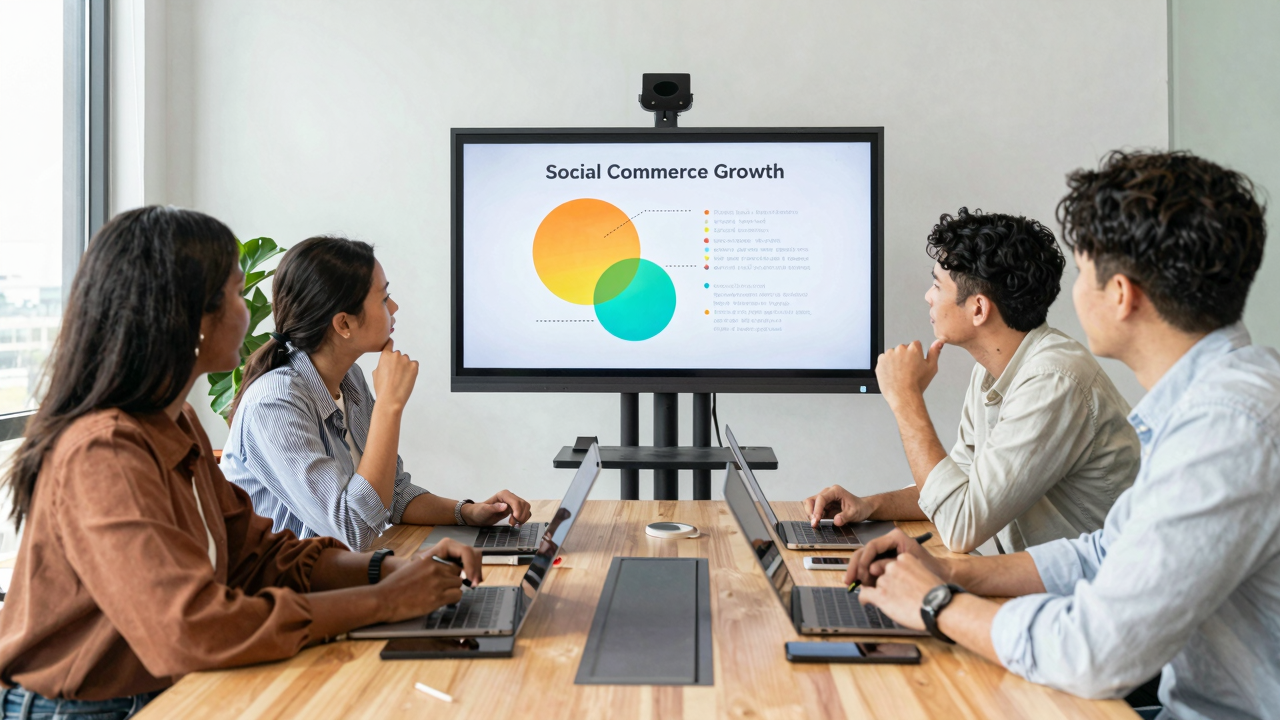
As social media platforms evolve, understanding the importance of social commerce is essential for any brand looking to thrive in today’s retail landscape.
With TikTok, where nearly 40 million buyers are expected by 2026, shifting shopping searches away from traditional sites.
User-generated content greatly influences purchasing decisions, so encourage authentic engagement with your audience.
Utilize in-app checkout options to simplify the buying process, making it easier for customers to complete purchases without leaving the app.
Finally, keep in mind that 43% of Gen Z shoppers start their searches on social media. Adapt your strategies to connect with this audience, ensuring your brand’s presence is strong and engaging across all relevant platforms.
How Personalization Drives Customer Loyalty Through Tailored Experiences

Personalization isn’t just a trend; it’s an essential strategy for building customer loyalty.
By tailoring experiences to individual preferences, you’ll create deeper connections with your audience. Here’s how to leverage personalization effectively:
- Recognize preferences: 91% of consumers favor brands that acknowledge their likes and dislikes.
- Utilize cross-channel data: This helps you provide consistent, personalized experiences across different platforms.
- Implement recommendation algorithms: A well-designed system can showcase top-rated products, influencing purchasing decisions and loyalty.
- Send personalized communications: Personalized thank-you emails can achieve a 67% open rate, driving future sales.
Optimizing Ecommerce Platforms for Better Visibility
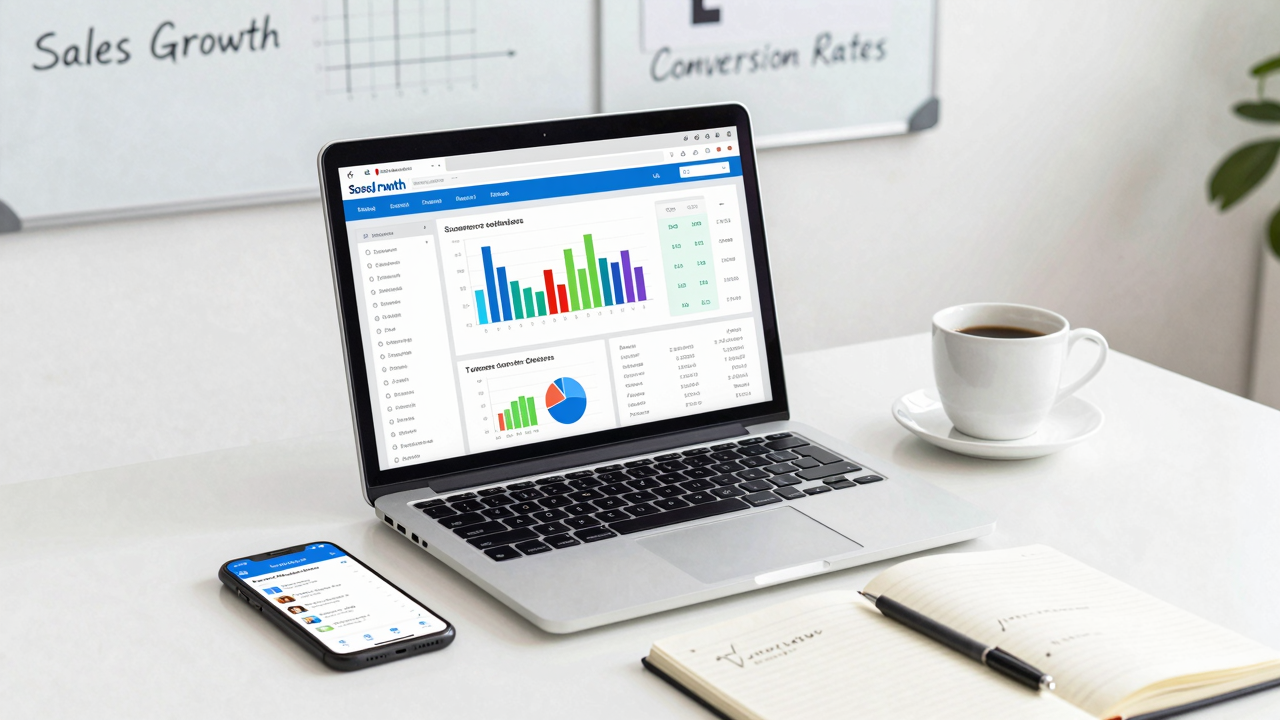
To boost your ecommerce platform’s visibility, start by enhancing search functionality to help customers find products quickly.
Next, focus on mobile optimization strategies, since a significant number of shoppers use their phones.
Finally, implement SEO best practices, like structured product data and image compression, to improve your site’s performance and ranking in search results.
Enhanced Search Functionality
Enhanced search functionality is essential for boosting your ecommerce platform’s visibility and driving sales.
To optimize your site effectively, focus on these key strategies:
- Use Google PageSpeed Insights to pinpoint performance issues and enhance user experience.
- Compress images before uploading them, reducing file size by up to 70% without losing quality.
- Implement lazy loading techniques, so only visible images load initially, improving page speed.
- Utilize structured data and rich product descriptions to help search engines interpret your products accurately.
Mobile Optimization Strategies
As mobile shopping continues to rise, ensuring your ecommerce platform is optimized for smartphones is more important than ever.
Start by improving your mobile page load time, as Swappie demonstrated a 42% revenue boost after enhancements. With 69% of online orders coming from smartphones, a mobile-friendly site is essential.
Use Google PageSpeed Insights to identify performance weaknesses and enhance efficiency. Compress images by up to 70% before uploading; this can improve load times without sacrificing quality.
Additionally, implement lazy loading techniques to only load visible images initially, speeding up overall page performance.
SEO Best Practices
Optimizing your ecommerce platform for better visibility is key to attracting more customers and boosting sales. Here are some SEO best practices to enhance your ecommerce business model:
- Improve mobile page load times; a faster site can lead to increased revenue, as seen with Swappie’s 42% boost.
- Implement lazy loading; this technique loads only visible images, enhancing site speed and user experience.
- Use tools like Google PageSpeed Insights; track performance metrics to find areas needing optimization for better search engine rankings.
- Compress images before uploading; reducing file sizes by up to 70% without losing quality can lead to faster load times and improved SEO.

Augmented Reality (AR) can transform your shopping experience by letting you visualize products in your own space, making it easier to decide what to buy.
By using AR tools, like virtual try-ons for clothing or furniture placements in your home, you boost your confidence in your purchases.
As you explore these immersive options, you’ll not only engage more but also improve your overall satisfaction with each shopping trip.
Enhancing Product Visualization
Many online shoppers struggle to visualize how products will fit into their lives, leading to uncertainty and hesitation before making a purchase.
Enhancing product visualization through augmented reality (AR) can transform this experience. Here’s how you can leverage AR in your ecommerce business:
- Allow customers to see products in their own space.
- Boost engagement by offering virtual try-ons, like shoes or furniture.
- Reduce return rates by helping shoppers make informed decisions.
- Personalize the shopping experience with realistic renderings.
Immersive Shopping Experiences
Shoppers today want more than just a static image of a product; they crave an engaging experience that helps them visualize items in their own lives.
[embedded content]
Augmented reality (AR) is changing the game by offering immersive shopping experiences. Imagine trying on shoes virtually or placing IKEA furniture in your living room before buying.
These e-commerce examples show how AR enhances customer interaction and satisfaction. As AR technology evolves, it’s essential for you to integrate it into your shopping strategies.
Research indicates that when you engage with products through AR, you’re more likely to trust and purchase them.
[embedded content]
Boosting Purchase Confidence
When you enhance your e-commerce platform with AR technology, you greatly boost customer confidence in their purchase decisions. By allowing consumers to visualize products in their own environment, you reduce uncertainty and encourage engagement.
Here’s how to leverage AR effectively:
- Implement virtual try-ons for clothing and accessories.
- Offer furniture visualization to see how items fit in a customer’s space.
- Use size measurement tools to guarantee correct dimensions.
- Highlight success stories from industry giants like Nike and IKEA.
Research shows that 49% of consumers are influenced by AR experiences, making it a powerful tool for boosting purchase confidence.
As AR adoption grows, it can transform interactions within the e-commerce industry, creating immersive and trustworthy shopping experiences.
How to Tackle Supply Chain Challenges Head-On?

To effectively tackle supply chain challenges, you need to start by streamlining your operations.
Begin by adopting supply chain management software, which can provide real-time insights into your logistics. This will help you identify bottlenecks and improve delivery accuracy, especially given the rising costs associated with shipping crises.
Next, enhance your tracking capabilities to boost visibility across your supply chain. With 57% of businesses facing poor visibility, improving this aspect can greatly elevate customer satisfaction.
Moreover, focus on logistics and warehouse optimization. These improvements can prevent financial losses and guarantee timely deliveries, vital in a climate of anticipated inflation.
Regularly review your processes to stay adaptable and efficient.
Expanding Payment Options to Reduce Cart Abandonment

Supply chain efficiency sets the stage for successful e-commerce, but without the right payment options, you could still lose potential sales.
To tackle the high cart abandonment rate, consider these steps:
- Offer Digital Wallets: Integrate options like PayPal, Apple Pay, or Google Pay for quick transactions.
- Implement “Buy Now, Pay Later”: This option appeals to younger shoppers, encouraging them to complete purchases.
- Diverse Payment Methods: Include credit cards, bank transfers, and cryptocurrency to cater to various preferences.
- Streamlined Checkout Process: Guarantee your payment page loads quickly and is easy to navigate.
Understanding Privacy Regulations and Their Impact on Marketing

As privacy regulations tighten, e-commerce marketers must adjust their strategies to stay effective in a changing landscape.
With updates like Apple’s iOS 14.5, customer acquisition costs have skyrocketed, as only 15% of users opt in for app tracking. This means you need to rethink how you target ads.
To adapt, focus on building privacy-compliant audience segments using data analytics. Understand that the lack of user data makes personalized ads harder, so consider using alternative methods, like engaging content marketing and email campaigns, to foster relationships without heavy reliance on data.
Additionally, invest in adaptive marketing strategies that emphasize transparency and trust. Communicate clearly about how you use customer data, and create a privacy-first environment to win back consumer confidence.
Frequently Asked Questions
How Do Emerging Technologies Impact Consumer Shopping Behavior?
Emerging technologies greatly shape your shopping behavior by providing personalized experiences and instant access to products.
You can use AI-driven recommendations to discover items that suit your taste, while augmented reality lets you visualize products in your space.
Mobile apps streamline checkout processes, making purchases quicker.
To adapt, stay updated on new tools, explore apps that enhance your shopping, and engage with Instagram using social media for real-time deals and updates.
What Role Does Social Media Play in E-Commerce Growth?
Social media drives e-commerce growth by building brand awareness and facilitating customer engagement.
To leverage this, create engaging content that showcases your products, like videos or testimonials. Use platforms like Instagram and Facebook to run targeted ads, reaching specific demographics.
Encourage customer interaction through polls or stories, and respond promptly to comments.
Additionally, consider influencer partnerships to tap into their audiences, boosting your reach and credibility in the market.
How Can Businesses Measure the Effectiveness of Personalized Experiences?
To measure the effectiveness of personalized experiences, start by tracking key metrics like conversion rates and average order value.
Use A/B testing to compare personalized content against standard offers.
Gather customer feedback through surveys to understand their satisfaction.
Analyze website analytics to see engagement levels, like time spent on pages.
[embedded content]
Finally, segment your audience and review performance differences, as this helps identify what resonates best with each group.
Adjust strategies based on your findings.
What Are the Benefits of a Mobile-First Approach in E-Commerce?
A mobile-first approach in e-commerce boosts user engagement and sales.
Start by optimizing your website for mobile devices, ensuring it loads quickly and is easy to navigate. Use responsive design to adapt layouts to different screen sizes.
Implement mobile payment options for convenience, and utilize push notifications to send personalized offers.
Monitor analytics to track mobile user behavior, allowing you to refine strategies and improve customer experiences effectively.
How Do Sustainability Practices Influence Consumer Purchasing Decisions?
Sustainability practices greatly influence consumer purchasing decisions. You should highlight eco-friendly materials and ethical sourcing in your marketing.
Offer transparency by sharing your supply chain details, which builds trust with customers.
Consider implementing a recycling program or donating a portion of sales to environmental causes; these actions resonate well with eco-conscious shoppers.
Finally, use social media to showcase your sustainability efforts, encouraging more consumers to choose your brand over less responsible competitors.
Conclusion

To thrive in the evolving ecommerce landscape, focus on social commerce, personalize customer experiences, and optimize your platform for visibility. Embrace augmented reality to elevate shopping, tackle supply chain challenges proactively, and expand payment options to minimize cart abandonment. Stay informed about privacy regulations to adapt your marketing strategies effectively. By taking these steps, you’ll not only enhance customer satisfaction but also build loyalty and drive growth in your business. Start implementing these strategies today for better results.
Image via Google Gemini and Small Business Trends