
This post was originally published on this site.
Understanding the key trends shaping the consumer and retail industry is essential for your success. Start by embracing omnichannel shopping, ensuring seamless experiences across digital and physical platforms. Use data analytics to personalize your offerings and communications. Consider how economic pressures are influencing consumer behavior and adapt your strategies accordingly. Focus on building emotional connections and community engagement to foster loyalty. Let’s explore these trends further to see how they can transform your approach.
Key Takeaways
- Omnichannel shopping experiences are crucial, with 75% of consumers expecting consistency across online and offline channels.
- Personalization through data analytics enhances customer interactions and fosters emotional connections with brands.
- Economic pressures are shifting consumer behaviors towards deal-driven shopping and prioritizing essential purchases.
- Community engagement strategies, such as local meet-ups and interactive content, strengthen brand loyalty.
- Sustainability is increasingly important, with 67% of consumers preferring brands that demonstrate commitment to eco-friendly practices.
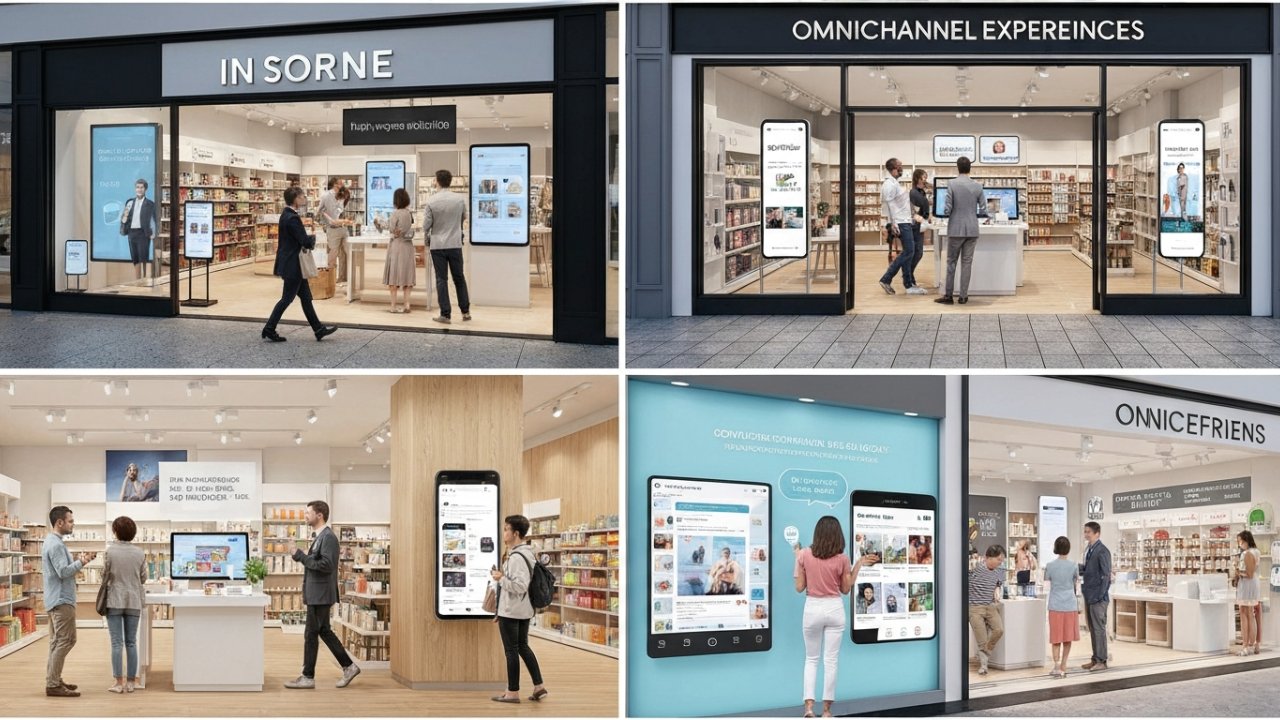
In today’s retail landscape, nearly 75% of consumers expect a seamless shopping experience that combines both online and offline channels.
To meet these expectations, you should prioritize a unified commerce approach. This means integrating your digital and physical stores to provide a consistent experience.
Focus on utilizing technology like AI and data analytics; this can help you personalize customer interactions and manage inventory in real-time.
Keep an eye on the micro trends in retail and consumer experience technology, as these will guide your strategies.
For example, consider enhancing your social commerce presence by engaging customers directly on platforms they use daily.
Also, transform your brick-and-mortar locations into hyper-local fulfillment hubs to offer quicker delivery options.
Personalization Through Data Analytics: Tailoring the Customer Journey
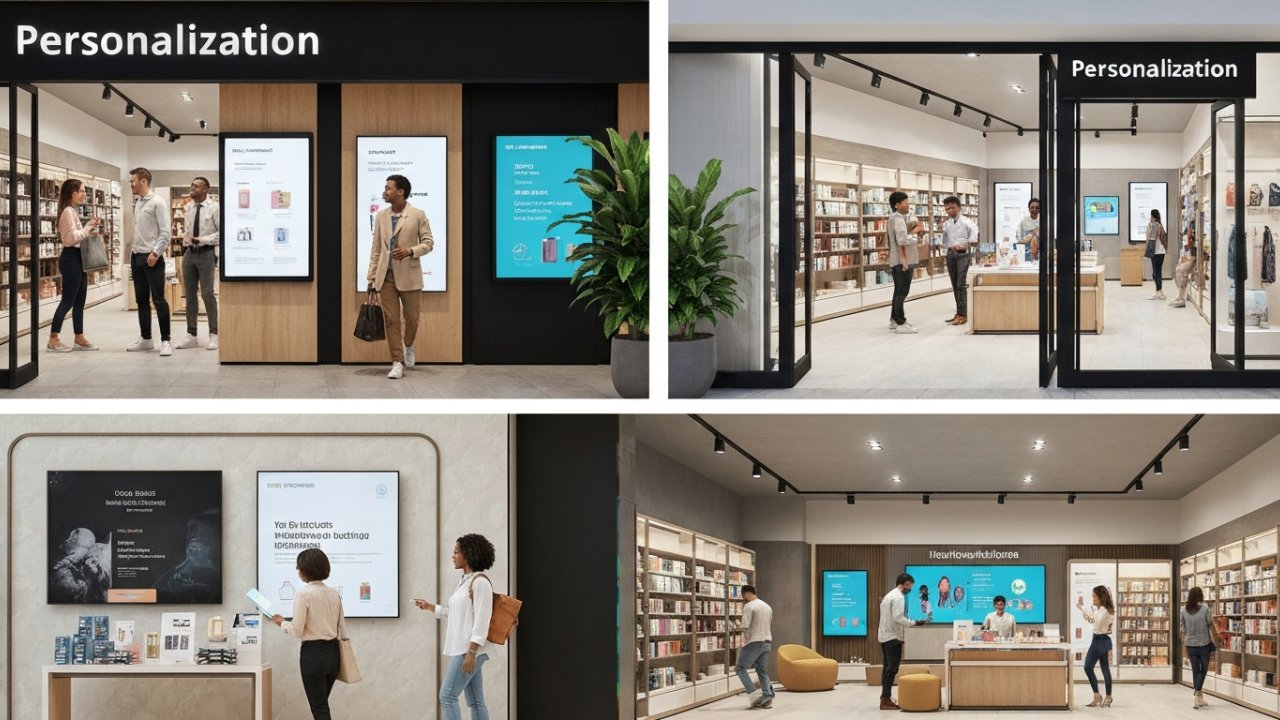
Retailers can enhance their customer journeys by leveraging data analytics for personalization. By using data analytics, you can create tailored assortments and promotions that meet specific consumer needs. Consider the following key strategies:
| Strategy | Benefit | Example |
|---|---|---|
| Hyper-segmentation | Targeted marketing | Promotions for student shoppers |
| AI-driven personalization | Improved customer interactions | Personalized product recommendations |
| Real-time inventory management | Optimized stock levels | Dynamic pricing adjustments |
| Consumer behavior insights | Better understanding of shopping habits | Customized email campaigns |
| Value alignment | Enhanced customer loyalty | Aligning products with consumer values |
As 67% of retailers plan to implement AI-driven personalization soon, make sure to invest in these capabilities. Focus on delivering relevant experiences, and you’ll see increased loyalty among your shoppers, benefiting your consumer retail efforts.
Emotional Connections: Building Loyalty in Retail
Building emotional connections is essential for fostering customer loyalty in today’s retail landscape. To achieve this, you need to balance your offerings. While many consumers are deal-driven, with 40% actively seeking discounts, you must also provide premium options that meet aspirational desires.
Simplifying the shopping experience is key; reduce stress and complexity in purchasing journeys to help customers feel valued and understood. Offer seamless interactions that encourage repeat business, as emotional satisfaction drives loyalty in the retail and consumer goods industry.
Additionally, maintain a blend of affordability and aspirational value in your retail and consumer products. This strategy guarantees you resonate with customers facing economic pressures while encouraging them to return.
Create a welcoming environment, listen to feedback, and implement changes that enhance emotional connections, making shoppers feel that their needs truly matter in the consumer and retail industry.
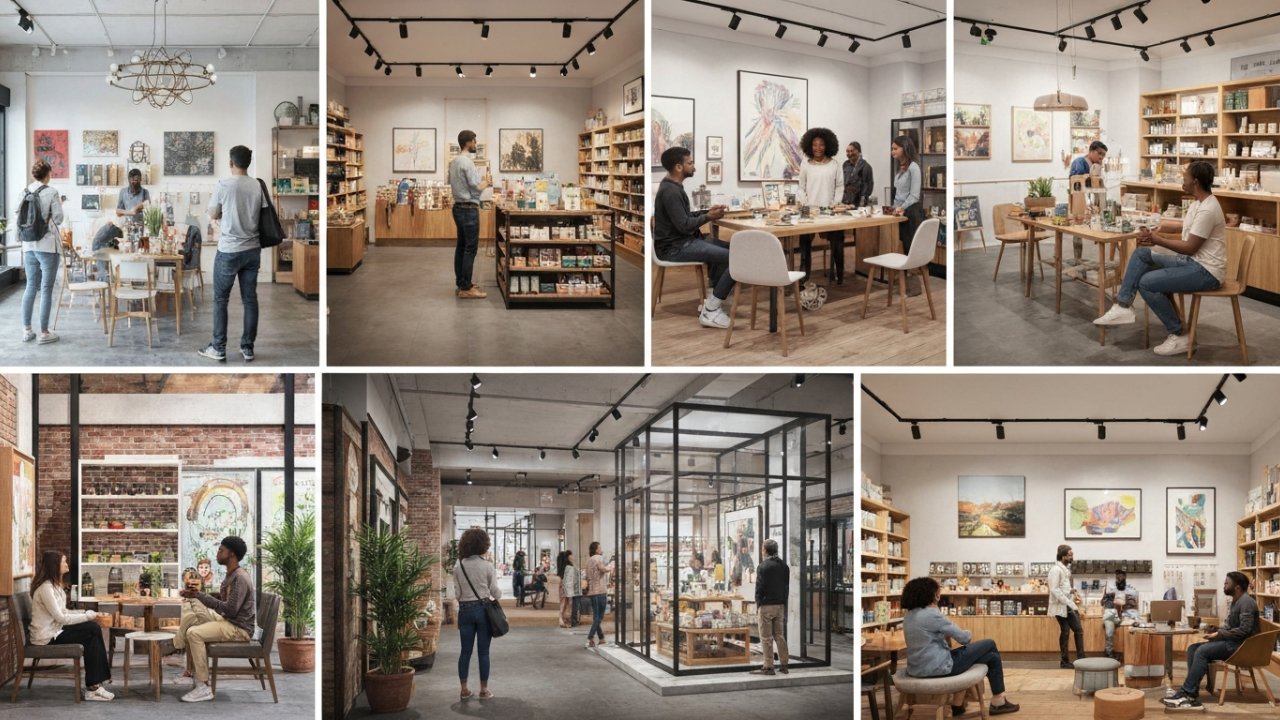
As consumers increasingly seek authentic connections, engaging with your community can redefine their preferences and boost loyalty. To do this effectively, focus on personalized communication and genuine interactions. Millennials and Gen Z especially appreciate brands that actively engage, so consider these steps:
| Strategy | Action Steps | Expected Outcome |
|---|---|---|
| Use Social Platforms | Create interactive content | Enhanced customer engagement |
| Gather Feedback | Host community surveys | Valuable insights for products |
| Map Customer Journeys | Analyze touchpoints | Tailored marketing strategies |
| Foster Community Events | Organize local meet-ups | Strengthened brand loyalty |
Sustainability: A Core Value for Modern Retailers
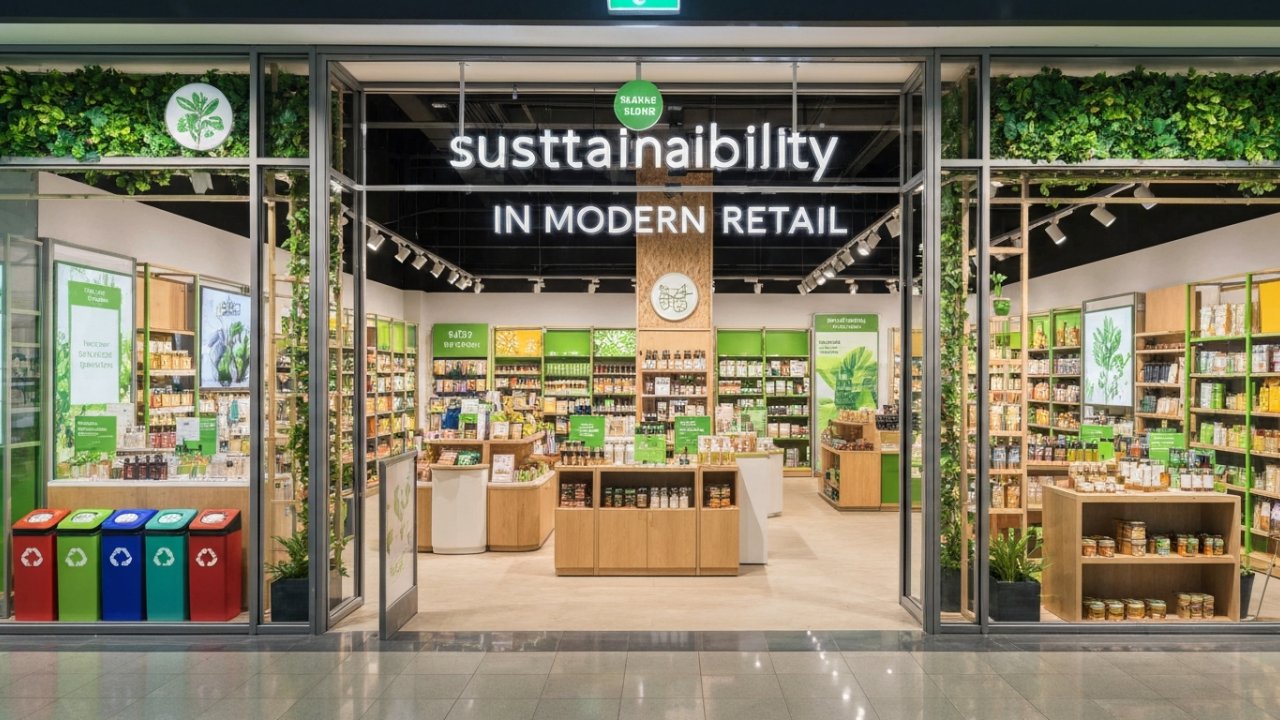
To stay competitive, you need to embrace sustainable sourcing practices and eco-friendly packaging solutions.
Start by evaluating your supply chain for environmentally friendly materials and methods, ensuring transparency in your sourcing claims.
Sustainable Sourcing Practices
Sustainable sourcing practices are no longer optional for retailers; they’re essential in today’s market. Start by evaluating your supply chain to guarantee it aligns with environmental and social governance (ESG) standards.
[embedded content]
Remember, 67% of consumers prefer brands committed to sustainability, so transparency is key. Make certain your sourcing claims are compliant; non-compliance can cost you up to 10% of your global turnover.
Implement strategies to reduce food waste, like discounting near-expiry items, which not only helps the environment but can also attract eco-conscious shoppers.
Finally, consider that sustainable products account for 41% of market growth in consumer-packaged goods, so prioritize eco-friendly options in your inventory.
Taking these steps can set you apart in a competitive marketplace.
Eco-Friendly Packaging Solutions
Eco-friendly packaging solutions are becoming a must-have for retailers looking to meet consumer expectations and reduce their environmental impact.
With 67% of shoppers preferring brands committed to sustainability, it’s essential for you to adopt biodegradable materials and minimize plastic use.
Start by evaluating your current packaging and identify areas for improvement. Consider innovative technologies that reduce carbon emissions while enhancing efficiency.
Additionally, guarantee compliance with sustainability claims to avoid potential fines, which can reach up to 10% of your global turnover.
By embracing these practices, you’ll not only attract eco-conscious consumers but also boost brand loyalty.
Make sustainability a core value in your packaging strategy, and you’ll position your brand for growth in today’s market.
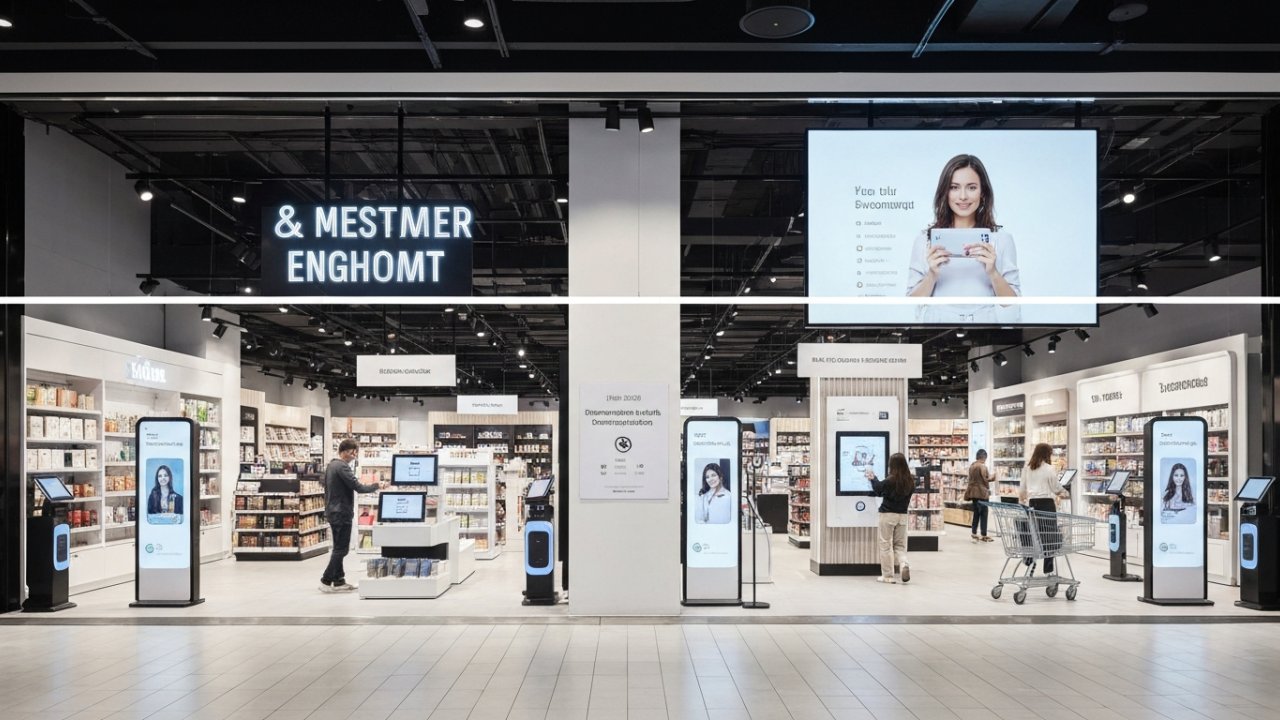
As shoppers, you want personalized experiences that meet your unique preferences, and AI is making that possible.
Retailers are increasingly using AI-driven tools to tailor marketing efforts and create shopping experiences that resonate with you.
Personalized Shopping Experience
Personalized shopping experiences are transforming how consumers engage with brands. By 2026, 67% of retailers plan to use AI-driven personalization, so you should expect tailored product recommendations that match your preferences.
This means retailers can optimize inventory and pricing in real-time, enhancing your shopping journey. To benefit, take advantage of omnichannel options, seamlessly switching between online and in-store experiences.
If you’re a Millennial or Gen Z shopper, look for AI tools that personalize communication and improve your buying experience. As you shop, remember that these advancements not only meet your needs but also make the process more enjoyable.
Stay ahead by embracing these technologies, as they’ll likely play a significant role in the future of retail.
Enhanced Targeted Marketing
With AI reshaping how brands connect with you, targeted marketing is becoming more effective than ever. By 2026, 67% of retailers plan to implement AI-driven personalization, enhancing your shopping experience.
You’ll notice retailers adjusting offers in real-time based on your preferences, thanks to AI analyzing customer data for hyper-segmentation. This means promotions will resonate more with your needs, making shopping feel personal.
As emotional connections become essential, expect tailored communications that reflect your interests. To benefit, engage with brands that utilize this technology; their offers may align better with what you want.
Watch for personalized experiences that not only cater to your preferences but also create a stronger bond between you and the retailer.
Economic Pressures and Their Effect on Consumers: Navigating Challenges
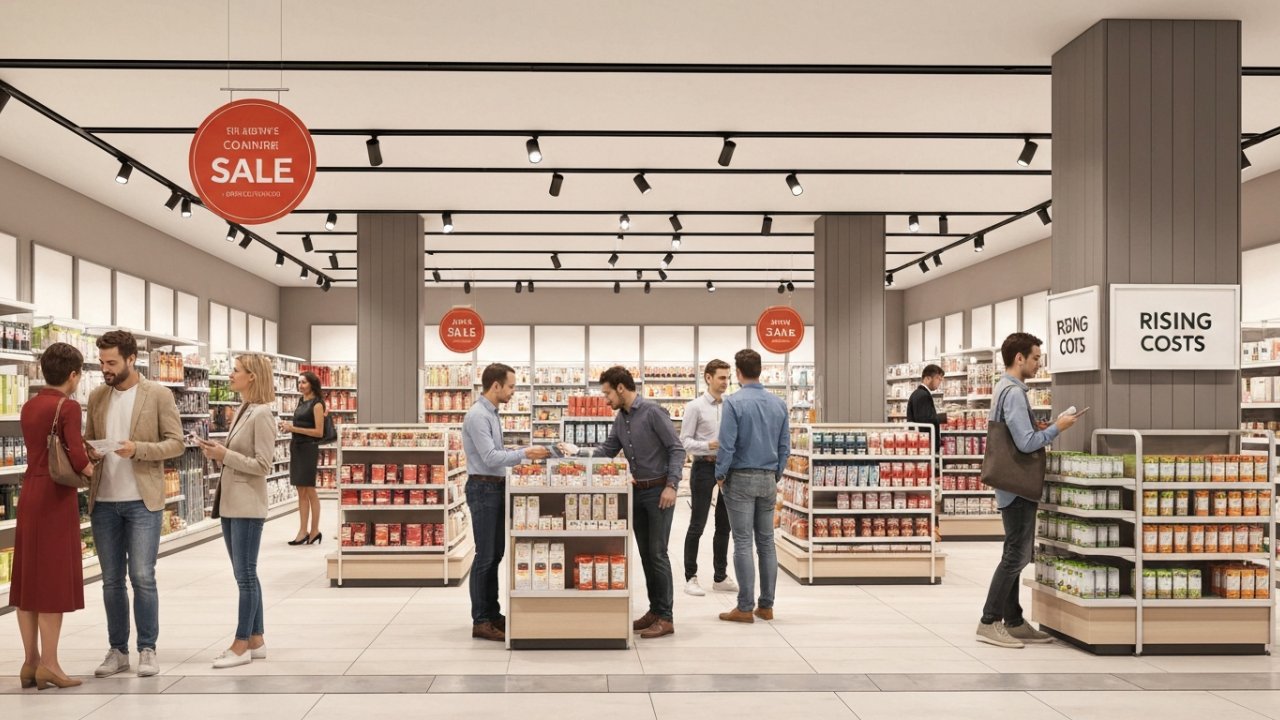
Maneuvering today’s economic pressures can feel overwhelming, especially when inflation and tighter budgets force many to rethink their shopping habits. To adapt, start by prioritizing essential purchases over discretionary items. Focus on what you truly need and cut out non-essentials.
With 40% of Americans shifting to deal-driven shopping, look for sales, use coupons, and compare prices across retailers to find the best value.
If you’re feeling financial stress, don’t hesitate to explore value-priced options. Retailers are responding by expanding affordable assortments, so make sure to take into account these offerings.
Also, keep an eye on quality; as economic uncertainty grows, it’s wise to invest in products that offer durability and relevance rather than just the lowest price. By being strategic about your purchases, you can navigate these challenges effectively and maintain a balanced budget.
Frequently Asked Questions
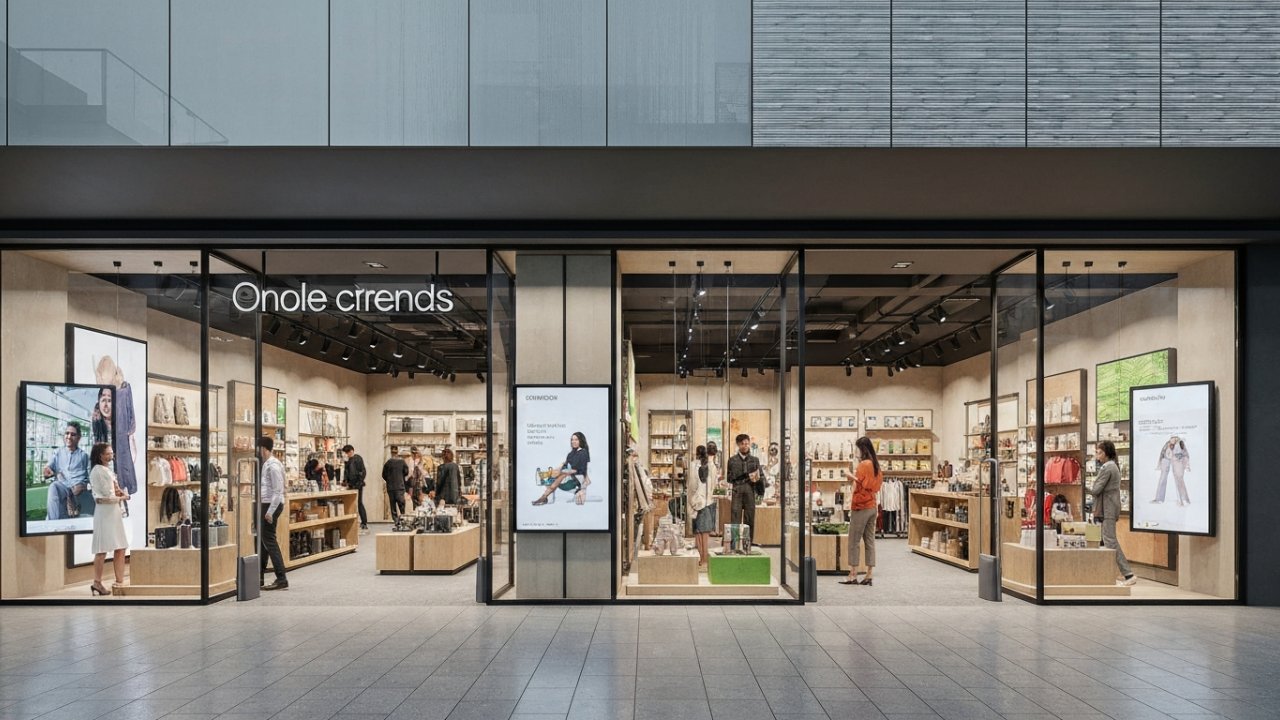
What Are the Key Trends in the Retail Industry?
Key trends in the retail industry include AI-driven personalization, which you should embrace to tailor customer experiences.
Focus on sustainability by offering eco-friendly products, as many consumers prioritize this.
Adapt to omnichannel shopping, ensuring a smooth shift between online and offline platforms.
Keep an eye on cost-conscious shoppers by expanding value-priced options.
Finally, build emotional connections through a balanced mix of discounts and premium offerings to meet diverse consumer needs.
What Are the Three Major Trends That Will Reshape Retail in 2026?
In 2026, focus on three major trends reshaping retail: first, embrace AI-driven personalization to improve customer experiences; tailor recommendations based on shopping behavior.
Next, adapt to value-seeking consumers by offering deals and promotions that appeal to their budget-conscious mindset.
Finally, enhance omnichannel fulfillment by integrating online and offline experiences, ensuring quick delivery through local hubs.
[embedded content]
What Are the Top 3 Trends in the Business Industry?
The top three trends in the business industry are AI-driven personalization, sustainability focus, and supply chain transformation.
You should explore AI tools to tailor customer experiences and boost inventory management.
Embrace sustainable practices, as consumers increasingly prefer eco-friendly products.
Finally, consider restructuring your supply chain to enhance resilience. This might involve nearshoring or diversifying suppliers to reduce costs and adapt to market changes.
[embedded content]
Stay proactive to remain competitive in this evolving landscape.
What Are the 4 Trends in Marketing?
Four key trends in marketing you should focus on are AI-driven personalization, omnichannel fulfillment, retail media networks, and sustainability messaging.
Start by using AI tools to tailor your marketing efforts, enhancing customer experiences.
Next, integrate your online and offline channels for seamless shopping.
Leverage retail media networks for targeted ads, and prioritize sustainability in your products and messaging to attract eco-conscious consumers.
Engage with your audience through online communities for valuable feedback and loyalty.
Conclusion
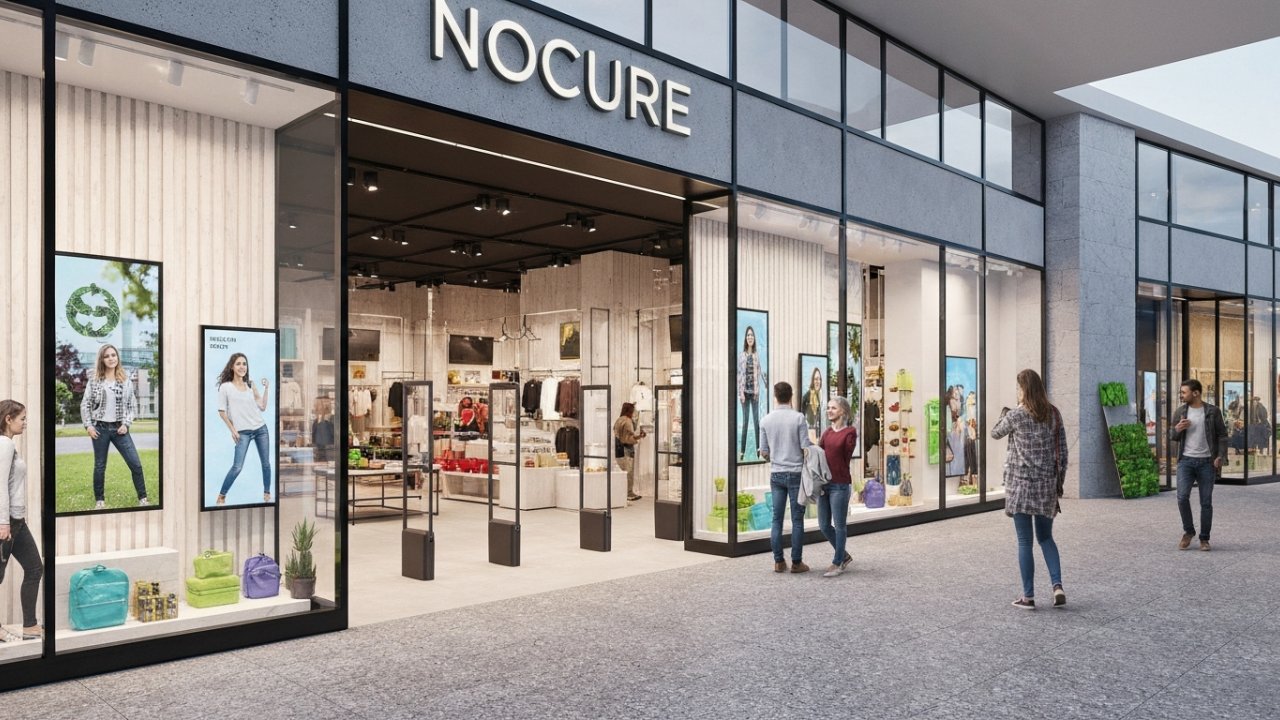
To thrive in today’s retail landscape, adapt to these key trends. Embrace omnichannel strategies to guarantee a seamless shopping experience, leverage data analytics for personalized offerings, and engage with your community to build loyalty. Prioritize sustainability in your practices, and use AI to enhance customer interactions. Stay aware of economic pressures and adjust your pricing strategies accordingly. By implementing these actionable steps, you can meet evolving consumer expectations and strengthen your brand’s position in the market.
Image via Google Gemini