
This post was originally published on this site.
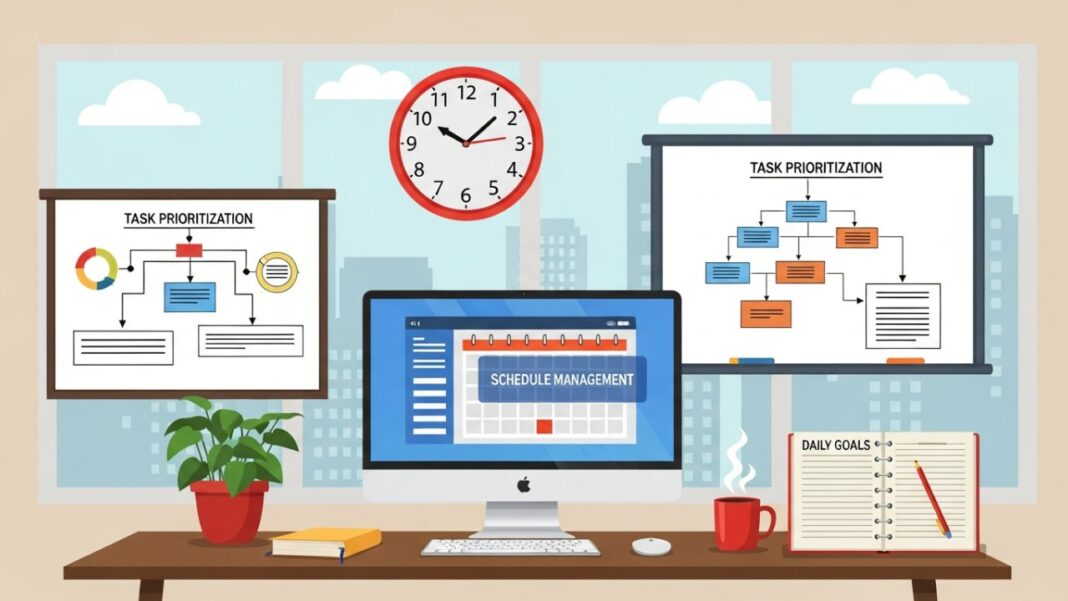
If you want to manage your time better, start by tracking how you spend your days for a week. This helps you spot patterns and identify where you lose time. Next, prioritize your tasks using a simple matrix to distinguish what’s urgent from what’s important. Implement time-blocking to focus on high-priority items, and don’t forget to schedule breaks. These steps can transform your productivity, but there’s more to reflect on for lasting change.
Key Takeaways
- Keep a time log to track activities and identify patterns for better adjustments in time management.
- Utilize time-blocking techniques to focus on high-priority tasks without interruptions.
- Distinguish between urgent and important tasks to prioritize effectively and reduce stress.
- Choose planning tools that suit your style for better organization and accountability.
- Establish a consistent routine and implement the Pomodoro Method to enhance focus and productivity.
Understand Your Time Management Habits
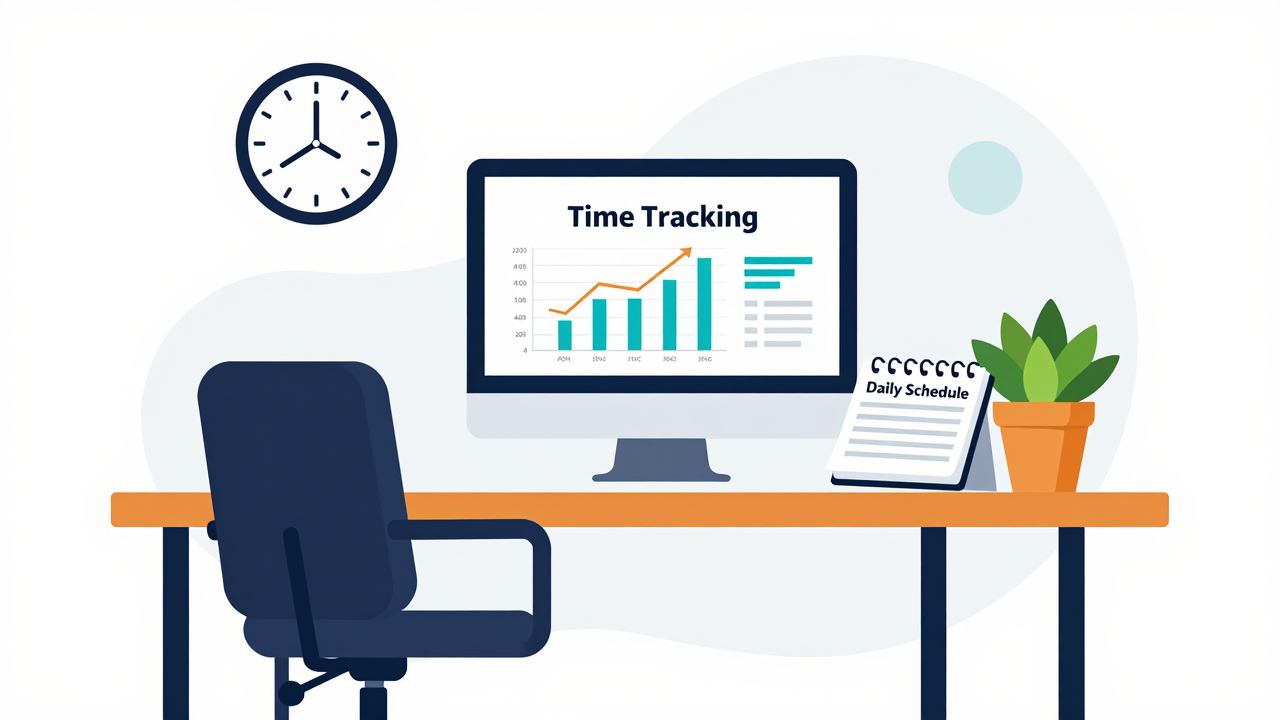
To effectively manage your time, start by understanding your current habits. Keep a time log for a week to track your daily activities. This will help you see where you spend your time and identify tasks that waste it.
Regularly evaluate how you use your time; this is one of the best efficiency tips to make informed adjustments. Recognize your peak productivity times and aim to schedule complex tasks during these windows. This way, you can maximise your effectiveness throughout the day.
Additionally, pinpoint your most common distractions. Create strategies to minimize these interruptions, enhancing your focus and productivity.
Finally, reflect on your time management habits regularly. This fosters a growth mindset, helping you adapt to changing priorities and learn how to be more efficient.
Schedule Your Time and Protect It
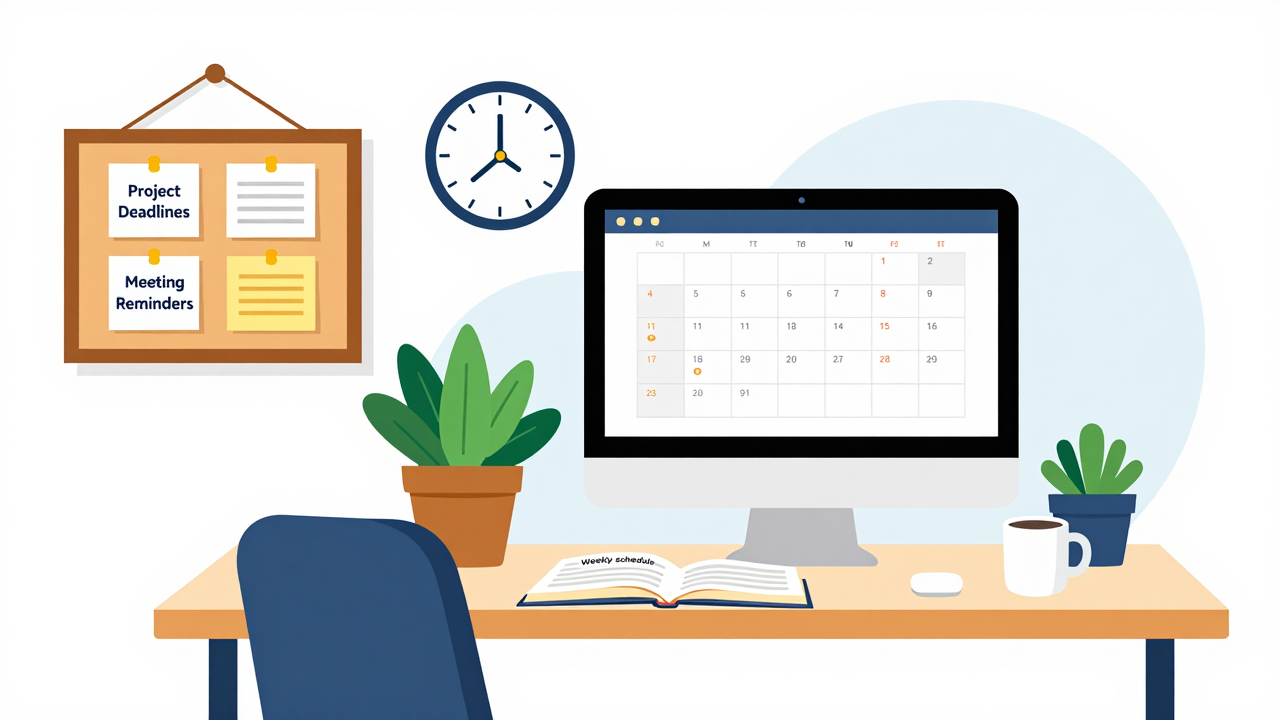
When you schedule your time effectively, you create a roadmap for your day, reducing stress and improving productivity. Start by creating a detailed calendar that includes all assignments and commitments. This prevents surprises and enhances your overall organization.
At the beginning of each week, review your calendar to stay updated on deadlines and adjust as needed. Use time-blocking techniques to allocate specific periods for focused work on high-priority tasks; this helps you work more efficiently and minimizes distractions.
To protect your scheduled time, set clear boundaries. Turn off notifications and let others know when you’re unavailable for interruptions.
Incorporate buffer time into your schedule to accommodate unexpected changes or additional tasks, ensuring you remain flexible without compromising productivity. By following these steps, you’ll learn how to be more time efficient and create an environment that fosters better focus and achievement.
Set Clear Priorities for Your Tasks
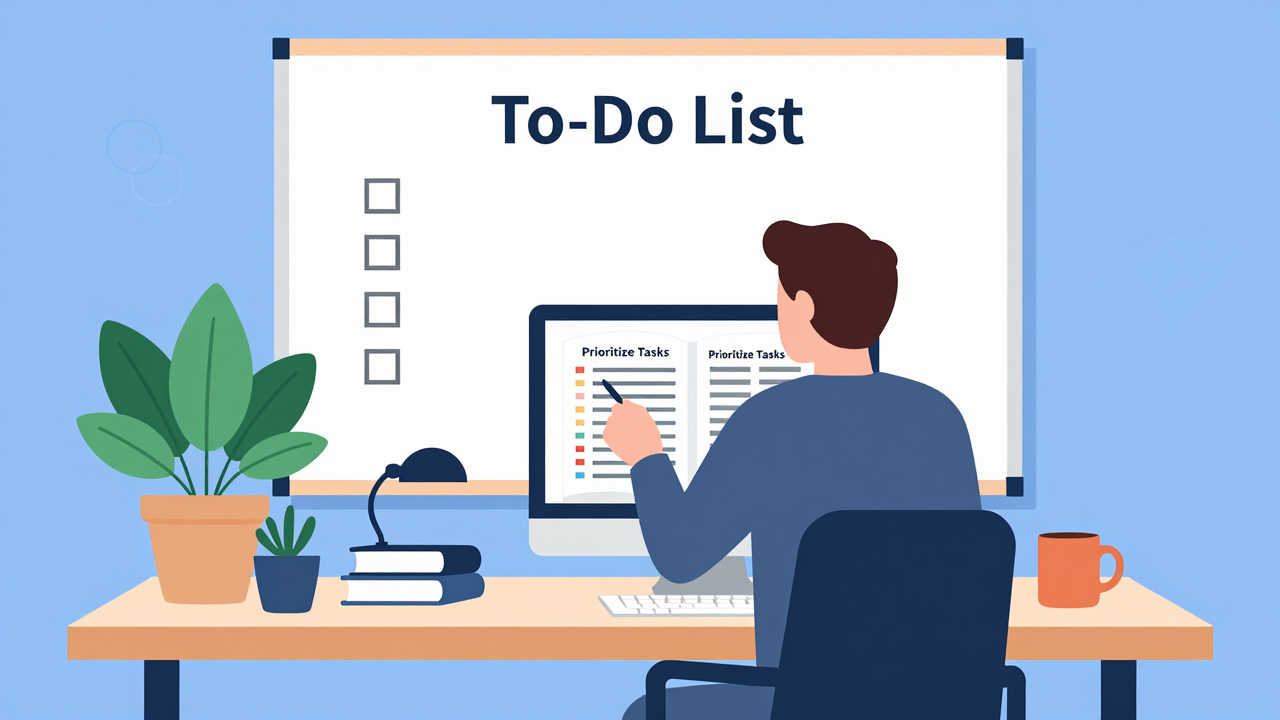
To set clear priorities for your tasks, start by distinguishing between what’s urgent and what’s important.
Create actionable to-do lists that categorize tasks based on these criteria, helping you focus on high-impact activities.
This way, you’ll tackle the right tasks at the right time, ensuring you stay productive and reduce unnecessary stress.
Identify Urgent vs. Important
How can you tell the difference between urgent and important tasks? Start by using Covey’s Time Management Matrix, which divides tasks into four quadrants: urgent and important, important but not urgent, urgent but not important, and neither.
Focus on identifying which tasks truly align with your long-term goals. To be more efficient, tackle important but not urgent tasks first; this proactive approach reduces stress and enhances productivity.
Regularly assess and revise your priorities based on any changes in your circumstances. By setting clear priorities, you can better manage your workload, avoid burnout, and maintain work-life balance.
Create Actionable To-Do Lists
Creating actionable to-do lists can transform your productivity and help you stay organized. Start by categorizing tasks using the Eisenhower Matrix to identify what’s urgent and important. This approach lets you prioritize effectively.
Break down larger tasks into smaller, manageable steps, making them less overwhelming and boosting your motivation as you check them off. Limit your daily list to three to five high-priority tasks to maintain focus and avoid burnout.
Use time-blocking techniques to set specific time slots for each task, ensuring uninterrupted deep work. Regularly review and update your to-do list to adapt to changing priorities and assess your progress.
This continuous improvement will enhance your time management skills considerably.
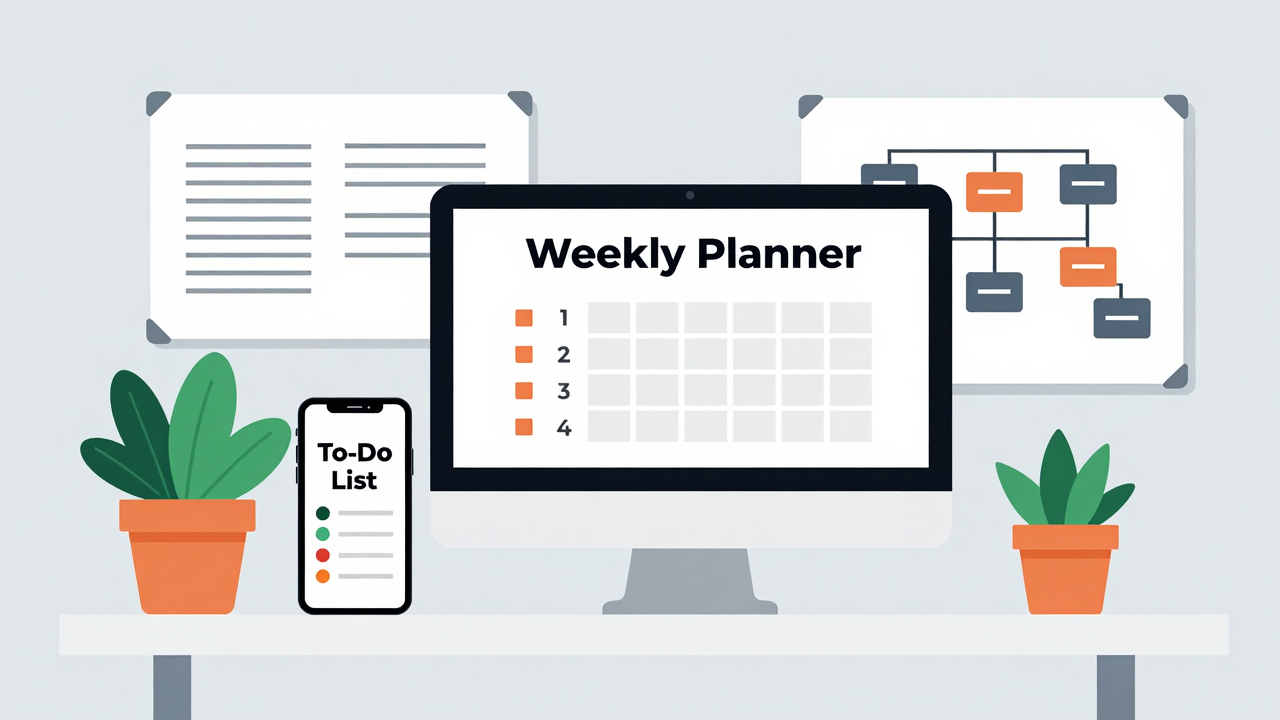
Choosing the right planning tools can make a big difference in how you manage your time.
You need to evaluate whether digital options, like Google Calendar or Trello, suit you better than physical planners.
Also, think about how customizable these tools are and how well they integrate with other apps you use, so you can streamline your tasks and stay organized.
Digital vs. Physical Tools
When you’re deciding between digital and physical planning tools, consider what fits your style and needs best.
Digital tools like Google Calendar and Trello excel in real-time collaboration and reminders. If you often work with others, these may boost your task completion rates by 42%.
However, if you prefer a hands-on approach, physical planners can enhance memory retention. Writing things down can improve your task recall by 25%.
Think about your preferences: if you enjoy color-coding and categorization, digital options might streamline your organization and enhance productivity by up to 30%.
Choose the tools that resonate with you, whether they’re digital apps for tech-savvy users or paper planners for those who prefer writing.
2. Customizable Planning Options
Finding the right planning tools can greatly enhance your productivity, especially if they match your personal preferences.
[embedded content]
Consider digital options like Notion and Trello for project management, or stick with physical planners if you prefer a tangible approach. Use customizable features, such as color coding and tagging, to prioritize tasks and deadlines clearly.
Experiment with various methods, like bullet journaling for flexibility or time-blocking in digital calendars, to find what works best for you. Regularly review your tools and adjust them based on your changing needs.
[embedded content]
This guarantees they remain effective and keep you on track. With the right planning tools, you can organize your tasks more efficiently and stay focused on your goals.
[embedded content]
3. Integration With Other Tools
To effectively manage your time, integrating your planning tools with other applications can streamline your workflow.
Start by choosing planning tools that fit your preferences, whether they’re digital, like Google Calendar or Notion, or physical planners. Implement project management software, such as Trello or Asana, to organize tasks and visualize deadlines.
Next, integrate your calendar with email and task management apps to automate reminders and sync deadlines, ensuring you don’t miss commitments. Use color-coding and tagging features to categorize tasks by priority, helping you focus on urgent matters.
Finally, regularly review your chosen tools, adjusting them to meet your evolving needs and enhancing your overall productivity. This proactive approach will keep your time management effective and efficient.
Organize Your Workspace and Digital Environment
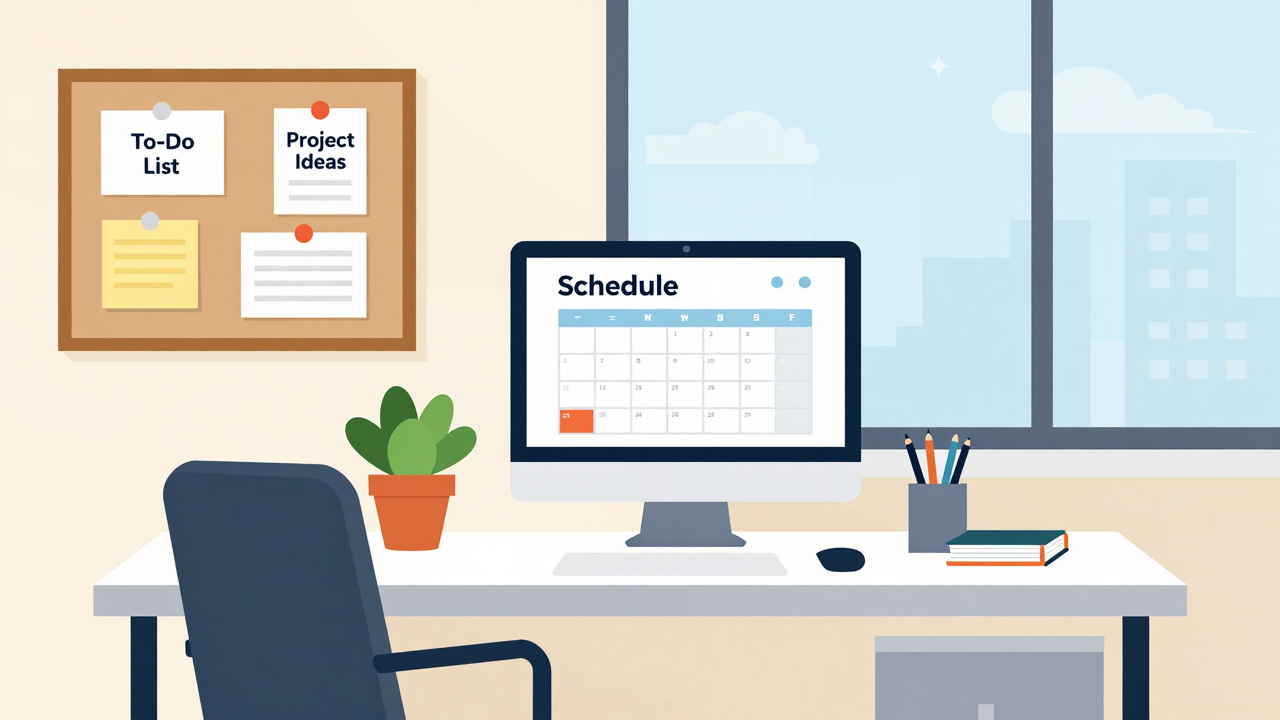
A well-organized workspace and digital environment can greatly boost your productivity and reduce stress. Start by decluttering your physical space. Use the “Keep, Give Away, Toss” method to simplify what you need. For your digital files, create folders, color-code them, and label everything clearly to save time when searching for documents.
Regularly set aside time to declutter both areas, as a clean environment supports better mental clarity. Consider using project management tools like Trello or Notion for organizing tasks. This helps you visually track progress and deadlines, ensuring you stay on top of your responsibilities.
Here’s a simple table to help you visualize the organization process:
| Area | Action | Frequency |
|---|---|---|
| Physical | Sort items using “Keep, Give Away, Toss” | Weekly |
| Digital | Create folders and label documents | Monthly |
| Tasks | Use project management tools | Daily |
Delegate Tasks and Share Responsibilities
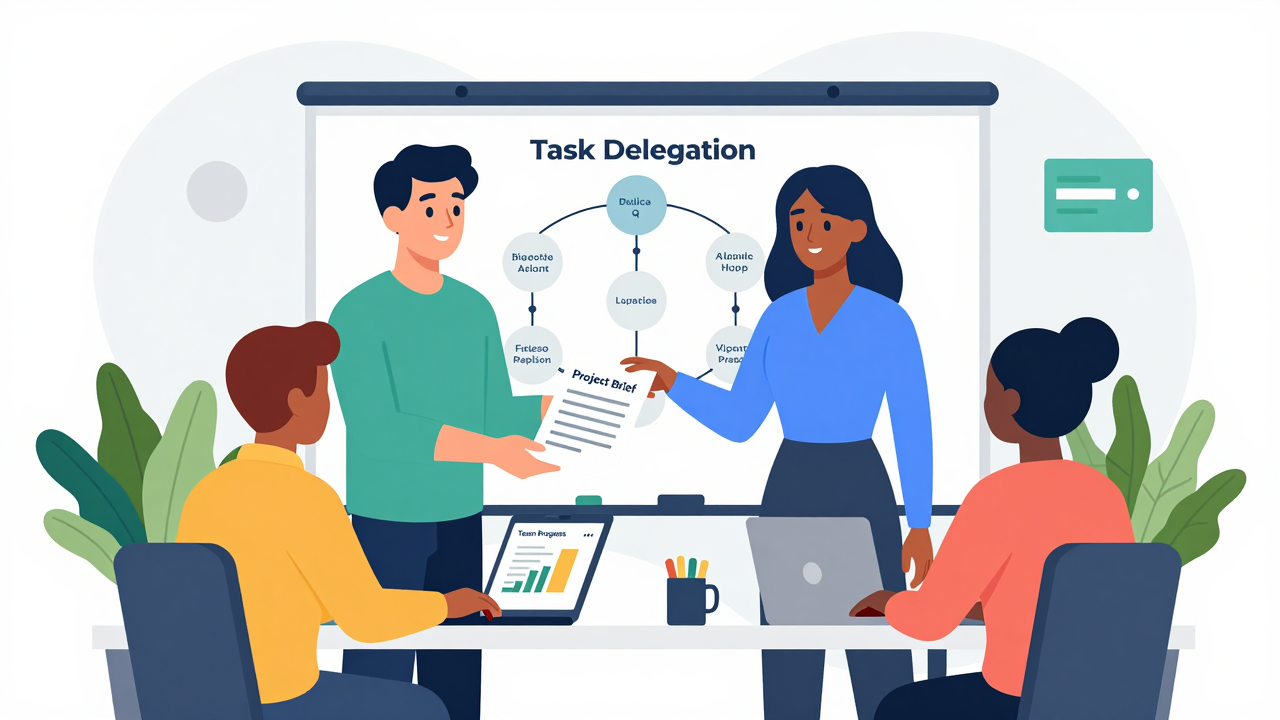
Delegating tasks effectively can greatly enhance your productivity and help you manage your workload more efficiently.
Start by evaluating your current tasks and identifying which ones can be shared. Look for responsibilities that match your team members’ skills and interests, allowing them to take ownership and grow. This approach can free up to 30% of your time for high-priority work.
Use project management tools to assign tasks clearly, track progress, and guarantee everyone understands their roles.
Regularly review these delegated tasks, providing constructive feedback and adjusting responsibilities as needed. This fosters accountability and trust within your team, making them 50% more likely to meet deadlines.
Overcome Procrastination by Building Healthy Habits
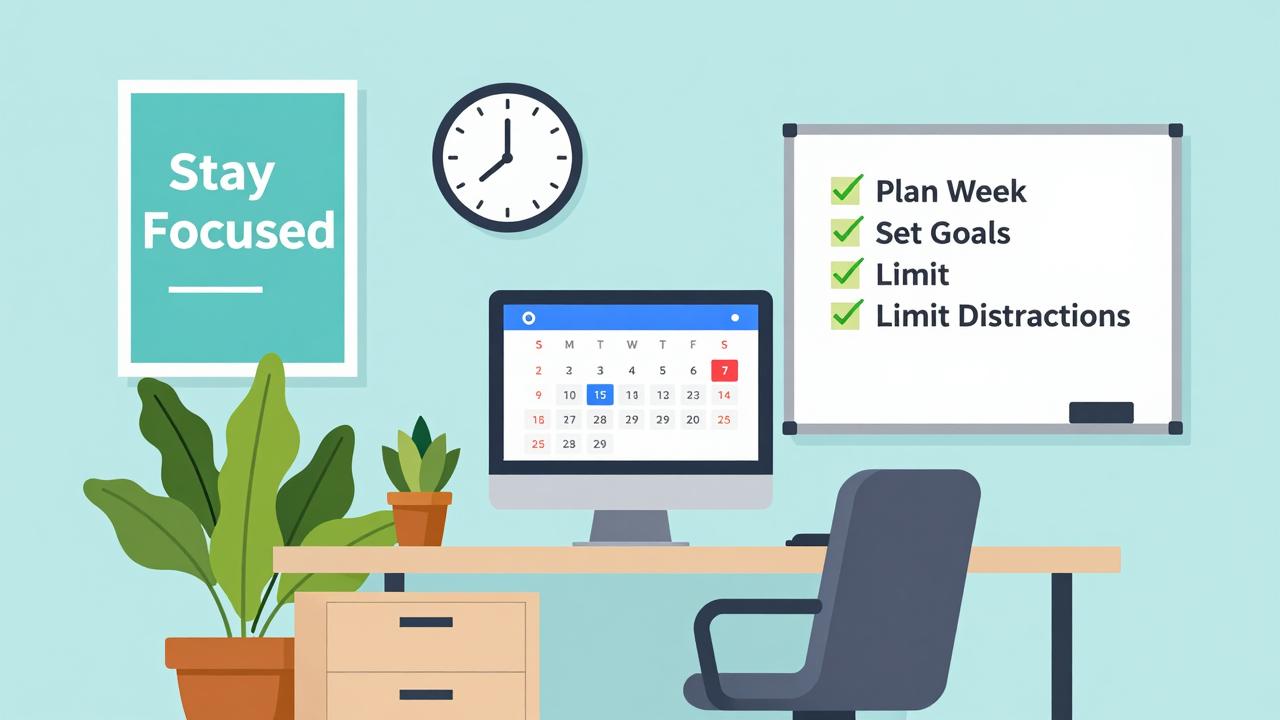
Managing your time effectively often means confronting procrastination head-on. Start by establishing a routine; a consistent schedule gives you structure and helps you complete tasks on time.
Try using the Pomodoro Method: work for 25 minutes, then take a 5-minute break. This keeps your mind focused and reduces procrastination.
Next, tackle challenging tasks first—this is often called “eating the frog.” By addressing difficult work right away, you build momentum and lessen anxiety.
Set specific time limits for each task, which fosters accountability and creates urgency.
Finally, regularly review what you’ve accomplished. Reflecting on completed tasks reinforces a sense of achievement, helping to build positive habits.
Frequently Asked Questions
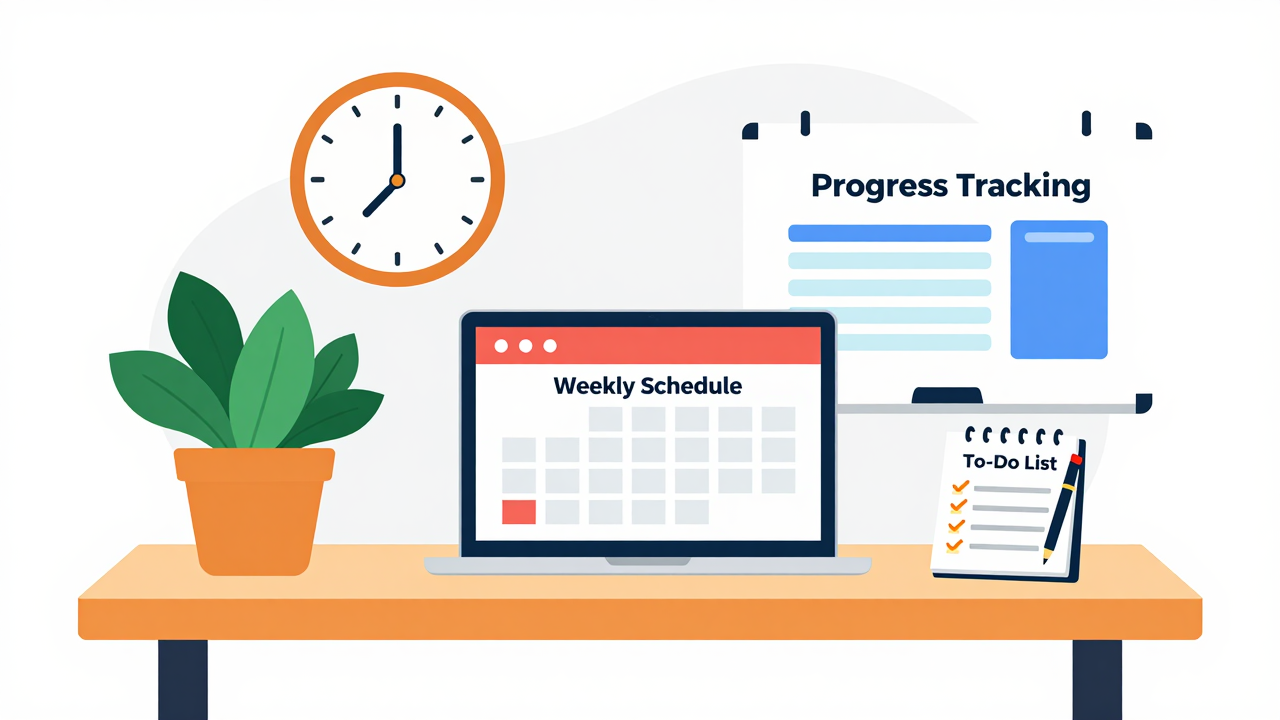
What Is the 3-3-3 Rule for Time Management?
The 3-3-3 rule for time management involves focusing on three main tasks for three hours each day.
Start by identifying your top three priorities that align with your goals. Dedicate one hour to each task, eliminating distractions to maintain focus.
This method helps you manage your energy levels and prevents burnout from multitasking.
Regularly evaluate your progress to guarantee you’re staying on track and making the most of your time.
What Are the 5 Tips in Effective Time Management?
To manage your time effectively, prioritize tasks using the Eisenhower Matrix. Set specific goals to align daily activities with long-term objectives, and implement techniques like the Pomodoro Method to maintain focus.
Delegate tasks when possible to free up time for critical work, and regularly review your time usage to identify improvements.
What Are the 5 P’s of Time Management?
The five P’s of time management are Prioritize, Plan, Pace, Perform, and Persist.
First, prioritize tasks based on urgency and importance.
Next, plan a detailed schedule, including personal time.
Then, pace your work using methods like the Pomodoro Technique to stay focused.
After that, perform by setting time limits for tasks to boost accountability.
Finally, persist by regularly reviewing and adjusting your strategies to adapt to changing priorities and improve your productivity.
What Is the 3 3 3 Rule for Your Day?
The 3 3 3 Rule helps you organize your day effectively.
First, identify three key tasks you need to accomplish.
Next, choose three tasks you can delegate to others, allowing for collaboration.
Finally, eliminate three tasks that aren’t essential.
By narrowing your focus, you prioritize important work, make better use of your time, and reduce distractions.
Implement this rule daily to enhance your productivity and create a more manageable schedule.
Conclusion
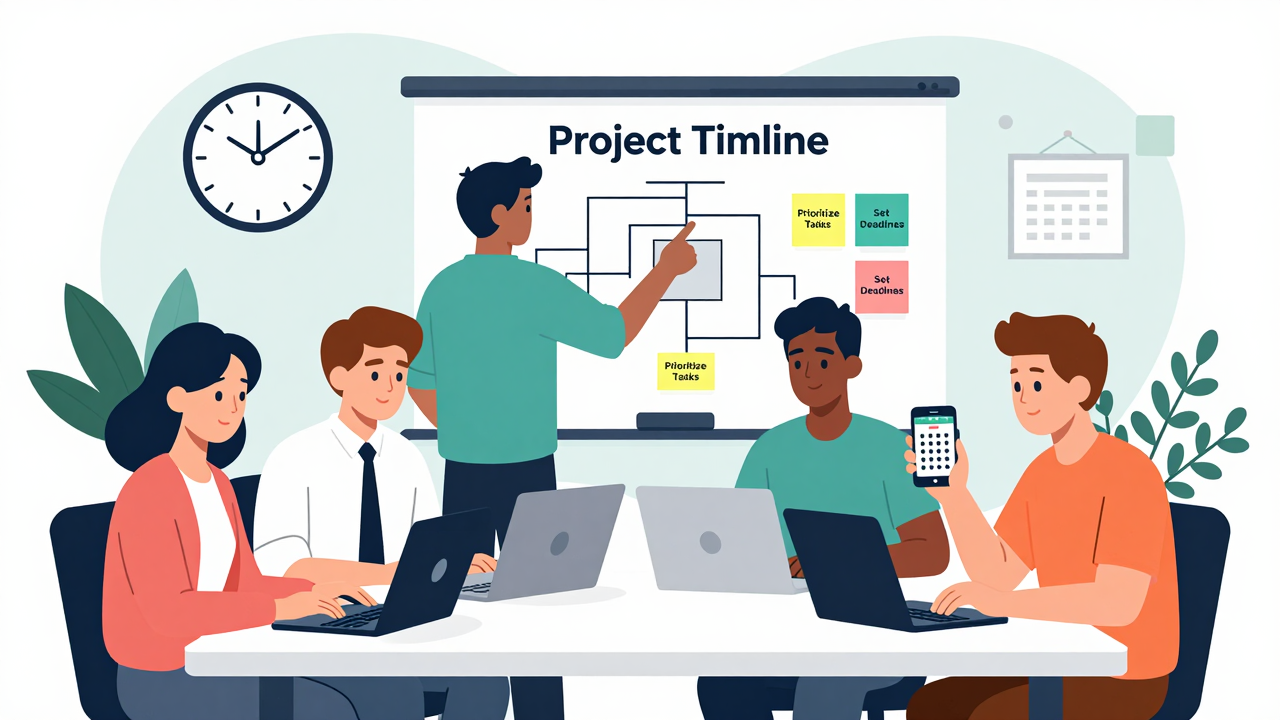
By understanding your habits and scheduling your time effectively, you can enhance your productivity. Focus on setting clear priorities and using the right planning tools that fit your needs. Organize your workspace to minimize distractions and consider delegating tasks when possible. To combat procrastination, build healthy habits that encourage action. Regularly reflect on your progress and adjust your strategies to keep improving. With these steps, you’ll manage your time more efficiently and achieve your goals.
Image via Google Gemini and Small Business Trends