
This post was originally published on this site.
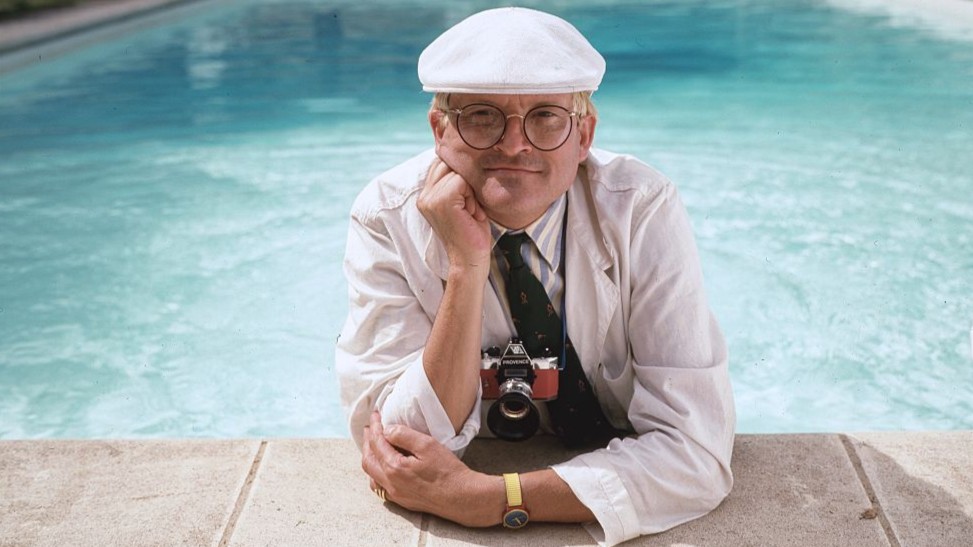
David Hockney, who died on 11 June, aged 88, was never shy about experimenting with technology. In April 2020, then almost 83, he was interviewed by The Spectator’s art critic, Martin Gayford, saying about his iPad that “I was just drawing on this thing I’m talking to you on.”
In his “provocative” book Secret Knowledge, published in 2006, Hockney suggested that old masters, such as Vermeer, had used optical aids in their paintings, says Michael Prodger in The New Statesman. So, Hockney saw no reason why he shouldn’t use “fax machines, Polaroids, photocopies [and] high-resolution cameras” to create his works.
It was from a photograph that somebody else had taken that Hockney created what is arguably his most famous painting, A Bigger Splash, in 1967. The pink modernist building that forms the backdrop to the sun-drenched Californian swimming-pool scene came together fairly quickly, but Hockney laboured on the split-second splash in the pool for two weeks to get every drop right – an irony that wasn’t lost on him.
Sign up to Money Morning
Don’t miss the latest investment and personal finances news, market analysis, plus money-saving tips with our free twice-daily newsletter
Don’t miss the latest investment and personal finances news, market analysis, plus money-saving tips with our free twice-daily newsletter
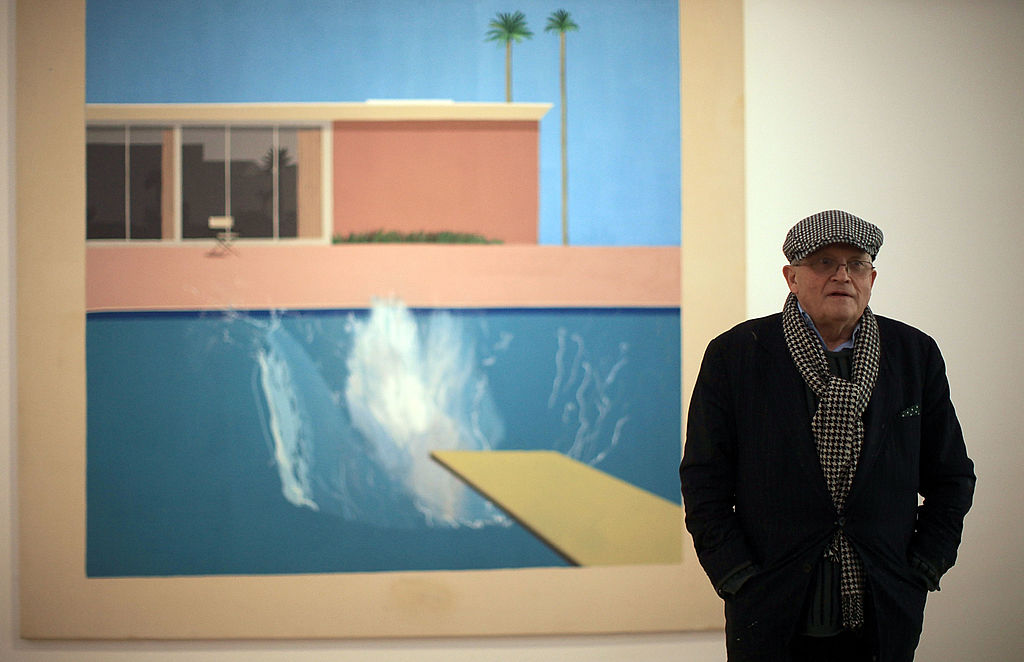
A Bigger Splash by David Hockney
(Image credit: Christopher Furlong/Getty Images)
In 1972, he painted Portrait of an Artist (Pool with Two Figures), which in 2018 set a new record for a painting by a living artist sold at auction. It fetched $90.3 million with Christie’s in New York. And the comparisons with earlier artists didn’t end with the use of technology. In leaving his native Yorkshire and “gloomy” London for California, Hockney has been compared with the painters of the late 19th and early 20th centuries, such as Van Gogh and Gauguin – and later Matisse and Dufy, says The Times.

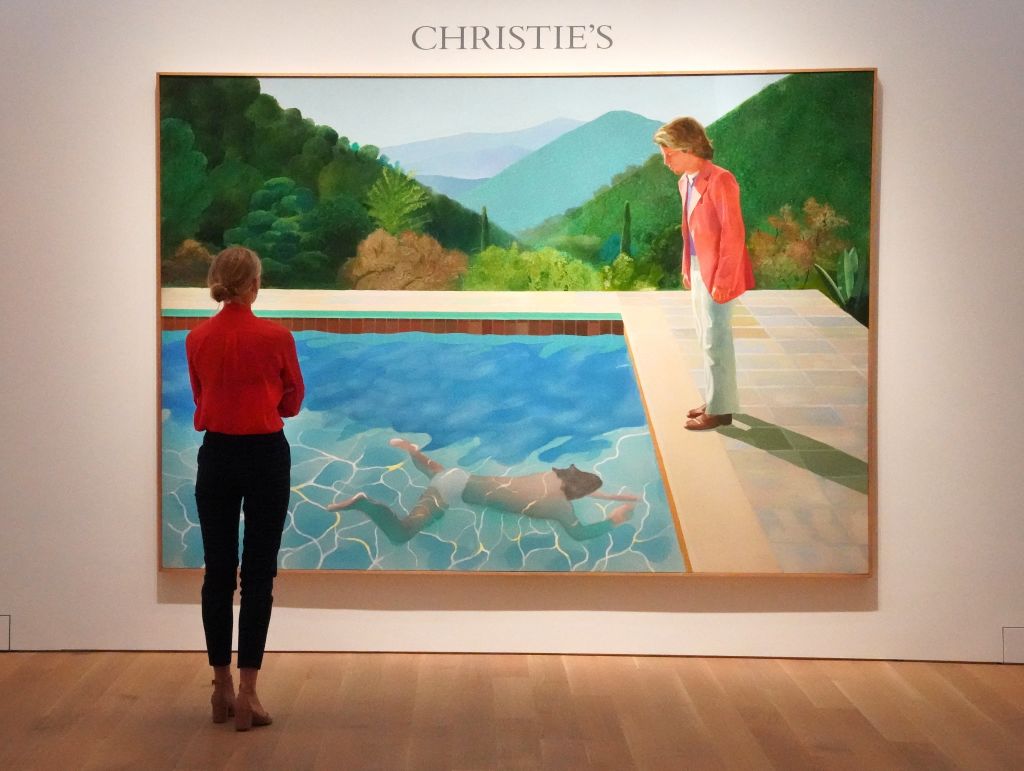
David Hockney’s Portrait of an Artist (Pool with Two Figures)
(Image credit: TIMOTHY A. CLARY/AFP via Getty Images)
David Hockney is a national treasure
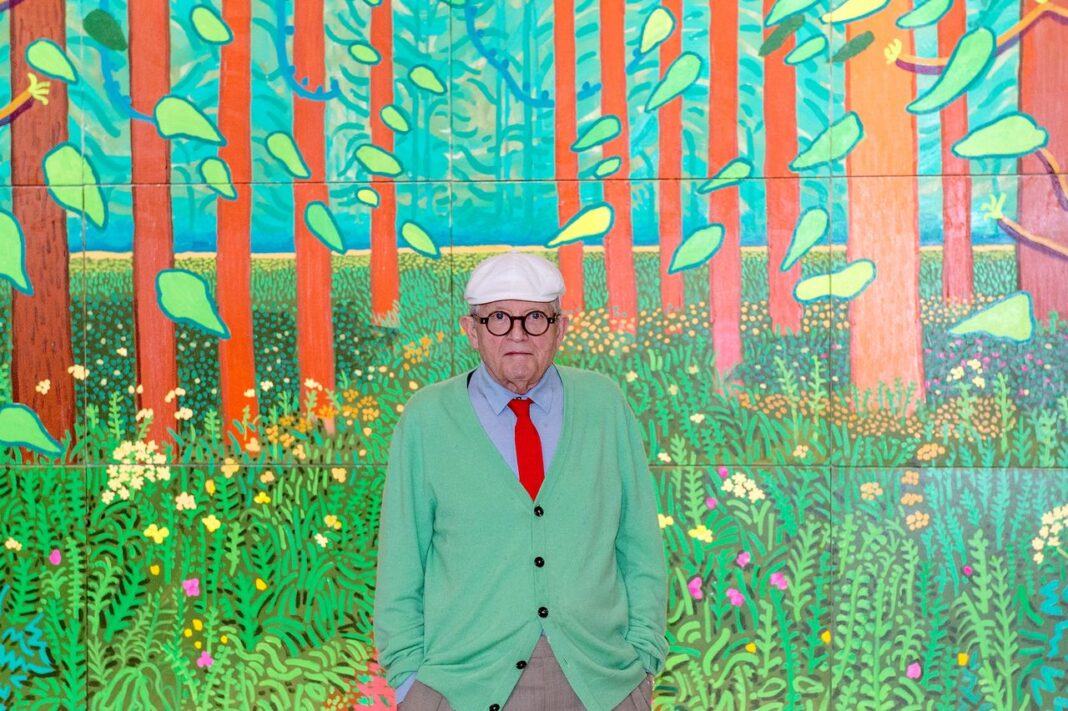
And while Portrait of an Artist represents the intersection of the two periods with which Hockney is most often associated – the “swimming pool period”, beginning in the 1960s, and the “double portraits” of the 1970s, these represent “a relatively small slice of his overall production”, notes the paper in its obituary. Hockney’s more recent landscapes of northern France, including a 90-metre frieze called A Year in Normandie, are a case in point. That series of paintings can be viewed at the Serpentine Galleries in London until 23 August.
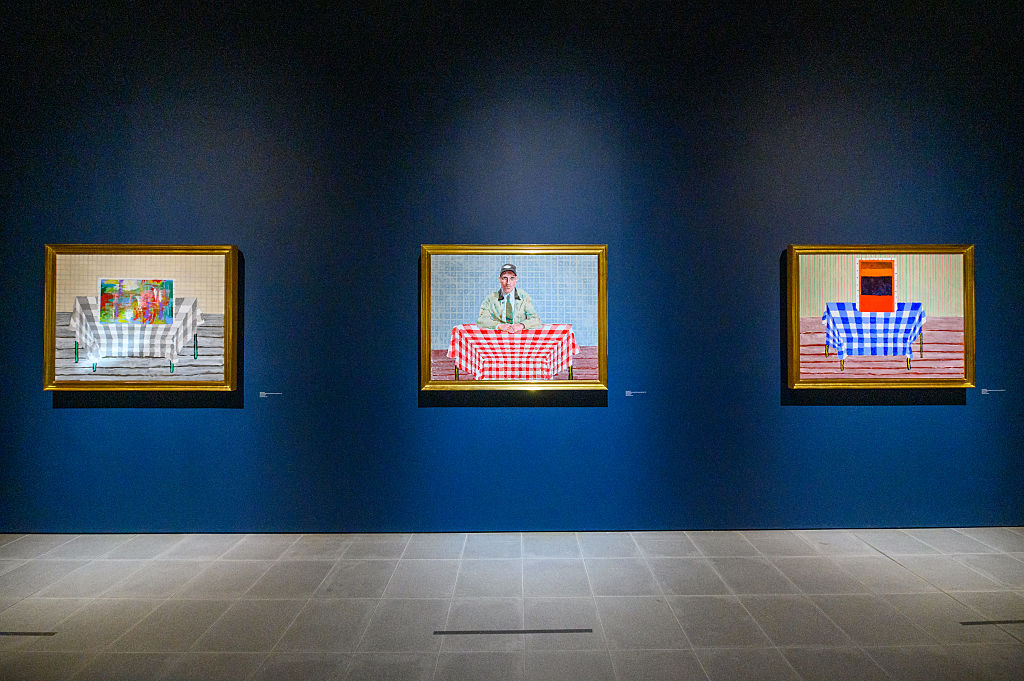
A Year in Normandie by David Hockney
(Image credit: Joe Maher/Getty Images)
“I can’t think of an artist so loved by millions today,” writes Andrew Marr in The New Statesman. “The man is gone, but the pictures live on. ‘Spring cannot be cancelled’ was one of his more recent slogans. Nor can David Hockney.”
(Image credit: Julio Donoso/Sygma via Getty Images)
This article was first published in MoneyWeek’s magazine. Enjoy exclusive early access to news, opinion and analysis from our team of financial experts with a MoneyWeek subscription.