
This post was originally published on this site.
If you want to stay ahead in the retail industry, you need to adapt and innovate. Start by understanding how successful retailers navigate economic challenges. Consider implementing an omnichannel strategy to connect with customers. Focus on creating shareable moments to enhance engagement, and don’t overlook the importance of employee satisfaction. By exploring case studies and using data analytics, you can refine your approach and drive growth. Let’s explore these actionable insights further.
Key Takeaways
- Explore strategies for enhancing operational efficiency and adapting to economic challenges in the retail industry.
- Understand the importance of omnichannel retailing to improve customer experience and boost sales.
- Learn how to create shareable customer moments that enhance brand visibility and trust.
- Discover best practices for improving employee satisfaction and addressing implementation risks.
- Gain insights into strengthening supply chain management through innovative case studies and sustainability focus.
How Do Successful Retailers Adapt During Economic Challenges?
When economic challenges arise, successful retailers adapt by focusing on several key strategies that boost resilience and growth.
To achieve retail business growth, prioritize operational efficiency. Analyze your data to understand consumer behavior; this insight can refine your inventory and marketing tactics. Keep an eye on retail technology news today to implement tools that enhance customer experience.
Consider integrating omnichannel strategies, which combine online and offline shopping, ensuring a seamless experience for customers. This approach not only improves satisfaction but also drives sales.
Collaborating with third-party marketplaces can further expand your reach, tapping into existing customer bases that you mightn’t access on your own.
Finally, stay updated with retail innovations news to continuously improve your product offerings and adapt to market demands.
Gain a Competitive Edge With Omnichannel Retailing
To gain a competitive edge in today’s retail landscape, you need to embrace omnichannel retailing, which seamlessly integrates your online and offline channels. This approach enhances customer convenience and can boost sales by up to 30% when done right.
Research shows that 73% of consumers prefer shopping both online and in-store, so aligning with this trend is vital.
Utilize retail analytics to tailor your marketing efforts and manage inventory efficiently across platforms. Keep an eye on retail technology updates to stay ahead of the competition.
Key Strategies for Online Ordering
To enhance your online ordering process, focus on three key strategies: availability, personalization, and efficiency.
Confirm that your products are readily available and manage substitutions effectively to boost customer satisfaction.
Additionally, streamline your order fulfillment to speed up delivery times and utilize data analytics to tailor the shopping experience, making it more engaging for your customers.
Key Strategies to Enhance Ordering
Enhancing your online ordering process requires a strategic approach that addresses key customer expectations and operational efficiencies. Start by ensuring effective inventory management, as 86% of consumers expect prompt fulfillment. Streamline your order fulfillment processes to reduce costs and improve customer satisfaction. Here’s a quick reference table to help you focus on critical strategies:
| Strategy | Benefits | Action Steps |
|---|---|---|
| Optimize Checkout | Reduce cart abandonment by 20% | Simplify forms, minimize clicks |
| Personalization in Experiences | Boost conversion rates by 10-30% | Use data for tailored recommendations |
| Effective Inventory Management | Enhance product availability | Implement real-time tracking systems |
| Anticipate Customer Needs | Increase repeat purchases by 15% | Analyze purchase history for promotions |
Personalization and Efficiency Techniques
While many retailers focus solely on product selection, personalizing the online ordering experience can greatly enhance customer loyalty and satisfaction.
Start by leveraging data analytics to understand your customers’ preferences and shopping habits. Use this information to offer tailored recommendations that align with their needs.
Streamline your order fulfillment processes to improve delivery speed and reduce operational costs—this directly affects customers’ perceptions of your service quality.
Additionally, implement user-friendly interfaces that simplify the checkout process. By optimizing these steps, you can markedly lower cart abandonment rates, ensuring more shoppers complete their purchases.
Focus on these strategies to create a seamless, personalized online ordering experience that keeps customers coming back for more.
Create Shareable Moments to Elevate Customer Engagement
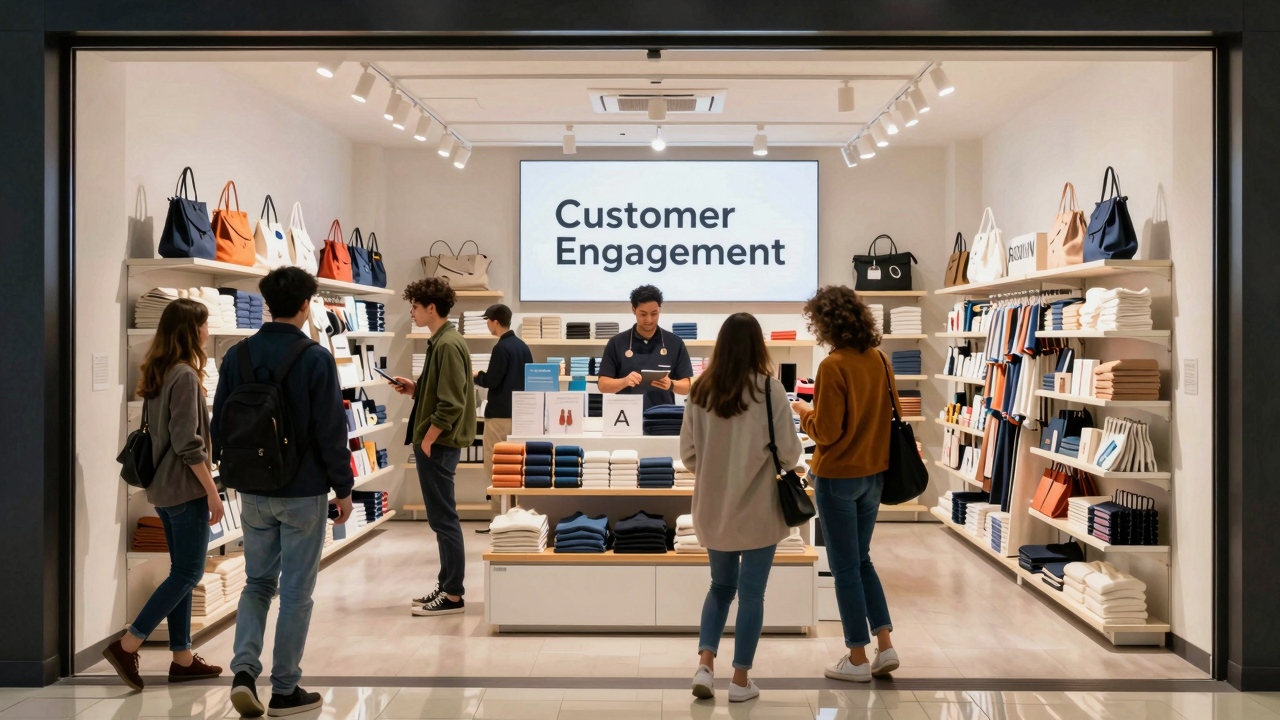
How can you create moments in your retail space that customers will want to share? Start by designing immersive experiences that resonate emotionally.
Consider hosting events or creating Instagrammable displays that invite interaction. For example, a colorful mural or a themed photo booth can encourage customers to snap and share their experiences online.
Incorporate emotional storytelling into your displays; it helps forge a connection between your brand and customers.
Encourage user-generated content by prompting customers to share their moments on social media with a unique hashtag. This not only boosts your brand visibility but also builds trust, as studies show that 79% of consumers trust content created by others over brand messages.
How to Improve Employee Scheduling and Keep Your Team Happy
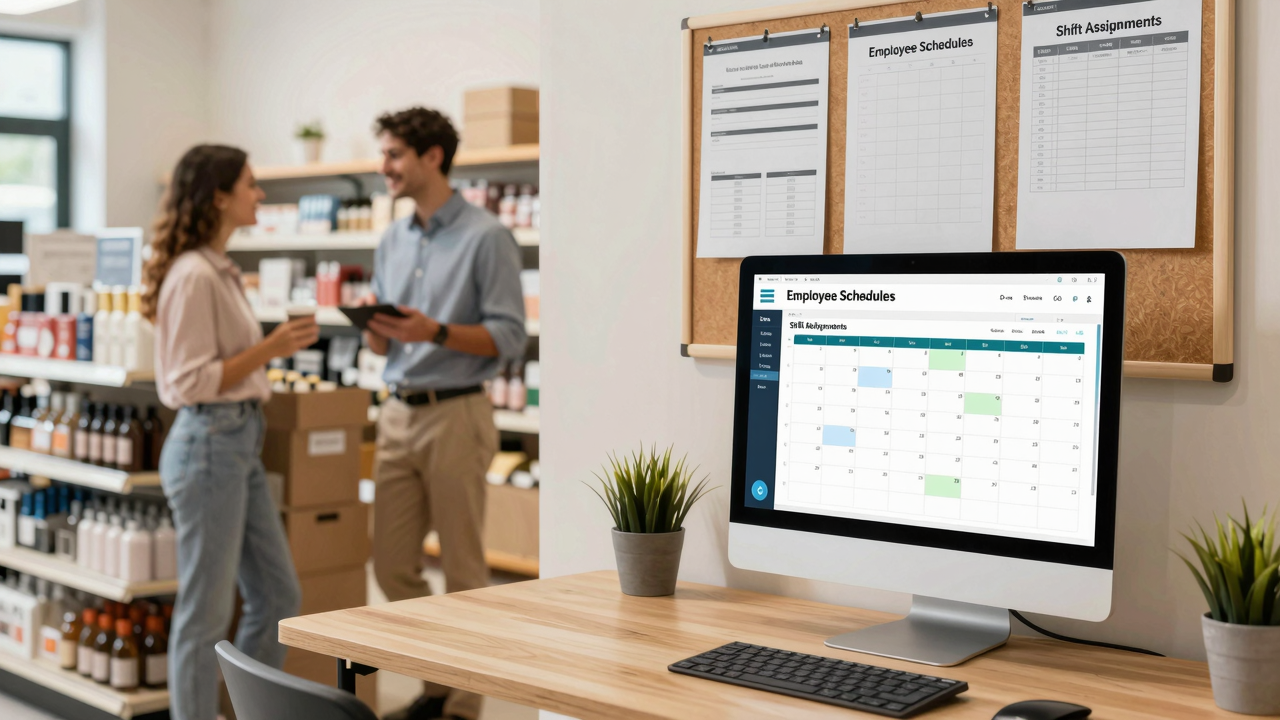
To create a happier and more productive team, start by prioritizing effective employee scheduling. Analyze your workforce data to align employee availability with business needs. By using data-driven scheduling tools, you can improve operational efficiency and adapt quickly to changes in demand. This approach not only prevents overstaffing or understaffing but also boosts employee satisfaction.
Consider implementing flexible work arrangements that cater to your team’s personal lives. When employees feel their schedules accommodate their needs, morale and productivity greatly increase. Retail industry publications highlight that companies with such practices see up to a 20% rise in employee engagement.
Finally, regularly gather feedback to refine your scheduling practices. When employees feel their voices matter, you enhance retention rates and foster a positive workplace culture.
Using Generative AI to Transform Retail Marketing
Using generative AI can notably boost your retail marketing efforts by enhancing personalization strategies and streamlining operations.
By implementing AI to create tailored content for your customers, you can improve engagement and conversion rates.
It’s also vital to address any potential risks in implementation, ensuring a smooth shift that maximizes the benefits of this technology.
Enhancing Personalization Strategies
As retailers face increasing competition, enhancing personalization strategies through generative AI offers a clear path to connect with customers more effectively. By leveraging this technology, you can create personalized shopping experiences that resonate with consumers.
Here are some actionable steps:
- Analyze consumer data to tailor product recommendations.
- Develop personalized content for marketing campaigns to boost engagement.
- Utilize AI to predict demand patterns, optimizing inventory and reducing excess stock.
- Streamline content creation, delivering timely promotions aligned with customer preferences.
Stay updated with retail marketing news and innovation in the retail industry through newsletters.
Implementing these strategies not only increases sales conversions but also fosters customer loyalty, ensuring your brand stays relevant in the ever-evolving landscape of technology and shopping.
2. Streamlining Marketing Operations
While many retailers struggle with inefficient marketing processes, integrating generative AI can greatly enhance your operations and effectiveness.
By leveraging new technology in retail, you can create personalized content at scale, which boosts customer engagement and conversions.
[embedded content]
Retail tech updates show that companies investing in OpenAI expect budget increases of 34% by 2025 to streamline their marketing strategies.
Use AI-driven data analytics to identify consumer preferences and trends, allowing for targeted marketing efforts.
Automate routine tasks to free up your team for strategic initiatives, and make real-time adjustments to adapt to changing consumer behaviors.
Staying updated with retail business news will help you navigate these technological factors affecting the retail industry UK effectively.
3. Mitigating Implementation Risks
To effectively transform your retail marketing through generative AI, it’s vital to address potential implementation risks right from the start. Here are some key steps to evaluate:
- Identify biases in AI algorithms to guarantee your marketing resonates with diverse audiences.
- Invest in data infrastructure; 34% of companies plan to boost budgets for generative AI and analytics by 2025.
- Foster cross-departmental collaboration between marketing and IT to align goals and capabilities.
- Monitor outcomes continuously, as 86% of consumers expect brands to personalize their experiences.
Keeping these strategies in mind will help you navigate the digital trends in the retail industry and strengthen your retail supply chain management trends, guaranteeing a successful implementation of generative AI.
Stay updated with retail news today and retail partnerships news for ongoing insights.
Key Lessons From Innovative Retail Case Studies
Innovative retail case studies offer valuable insights that can enhance your strategy and decision-making. For example, LePrix‘s focus on authenticated pre-owned luxury items shows the importance of sustainability in attracting consumers.
As you explore retail business news today, consider how such shifts can reinvigorate your offerings.
Baskin-Robbins Japan’s leadership under John Kim highlights the need for a robust operational strategy during challenges. When you encounter market dynamics, adapt your approach like Bombardier did by leveraging brand resilience to navigate crises.
Target’s blend of legacy and innovation illustrates how aligning with consumer values can foster brand loyalty.
Ultimately, the case study on Generative AI in marketing reveals the need to balance risks and benefits in integrating new technologies.
Stay updated with retail news updates and fashion retail news to refine your strategies in this ever-evolving retail landscape. Embrace these lessons to strengthen your business’s position.
Frequently Asked Questions
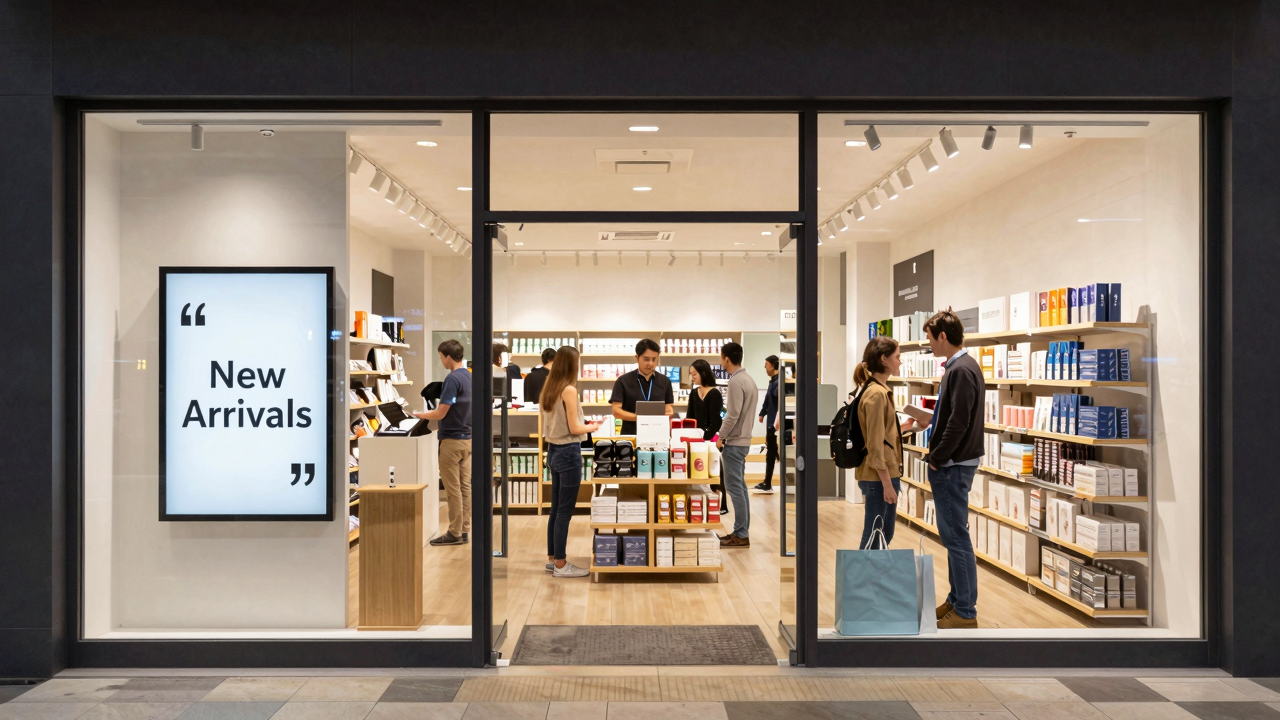
What Are the Latest Consumer Preferences in Retail Shopping?
Latest consumer preferences in retail shopping show that shoppers value convenience, personalization, and sustainability.
You should focus on offering streamlined online experiences, like easy navigation and quick checkouts.
Utilize data to personalize recommendations and improve customer engagement.
Additionally, consider stocking eco-friendly products, as consumers are increasingly choosing brands that prioritize sustainability.
Finally, guarantee your customer service is responsive and available across multiple platforms to enhance overall satisfaction.
How Important Is Sustainability for Today’s Retail Brands?
Sustainability’s essential for today’s retail brands. Consumers increasingly prefer eco-friendly products, so you should adopt sustainable practices.
Start by sourcing materials responsibly and reducing waste in your supply chain. Promote your efforts on social media to connect with environmentally conscious shoppers.
Consider offering recycling programs or using biodegradable packaging. By aligning your brand with sustainability, you’ll not only attract more customers but also build loyalty, enhancing your reputation in a competitive market.
What Role Does Social Media Play in Retail Marketing?
Social media plays an essential role in retail marketing by helping you connect with customers, build brand awareness, and drive sales.
Start by creating engaging content that showcases your products, like videos or user-generated posts. Use targeted ads to reach specific audiences, and interact directly with customers through comments and messages.
Monitor trends and feedback to adapt your strategy. Finally, analyze your performance metrics regularly to refine your approach and improve results.
How Can Retailers Enhance In-Store Experiences for Customers?
To enhance in-store experiences, focus on a few key areas.
First, create an inviting atmosphere with appealing lighting and music.
Second, train staff to engage with customers, offering personalized assistance.
Third, incorporate interactive displays or technology, like tablets for product info.
[embedded content]
Fourth, host events or workshops related to your products to foster community.
Finally, gather customer feedback regularly to make improvements and show that you value their opinions.
What Trends Are Shaping the Future of Retail Technology?
Trends shaping the future of retail technology include personalized shopping experiences, omnichannel strategies, and AI-driven analytics.
To adapt, you should invest in data collection tools to understand customer preferences better. Implement mobile payment options for convenience, and create seamless online and in-store experiences.
Consider using augmented reality for product visualization, enhancing engagement. Stay updated on emerging technologies, and be ready to integrate them into your strategy for improved efficiency and customer satisfaction.
Conclusion
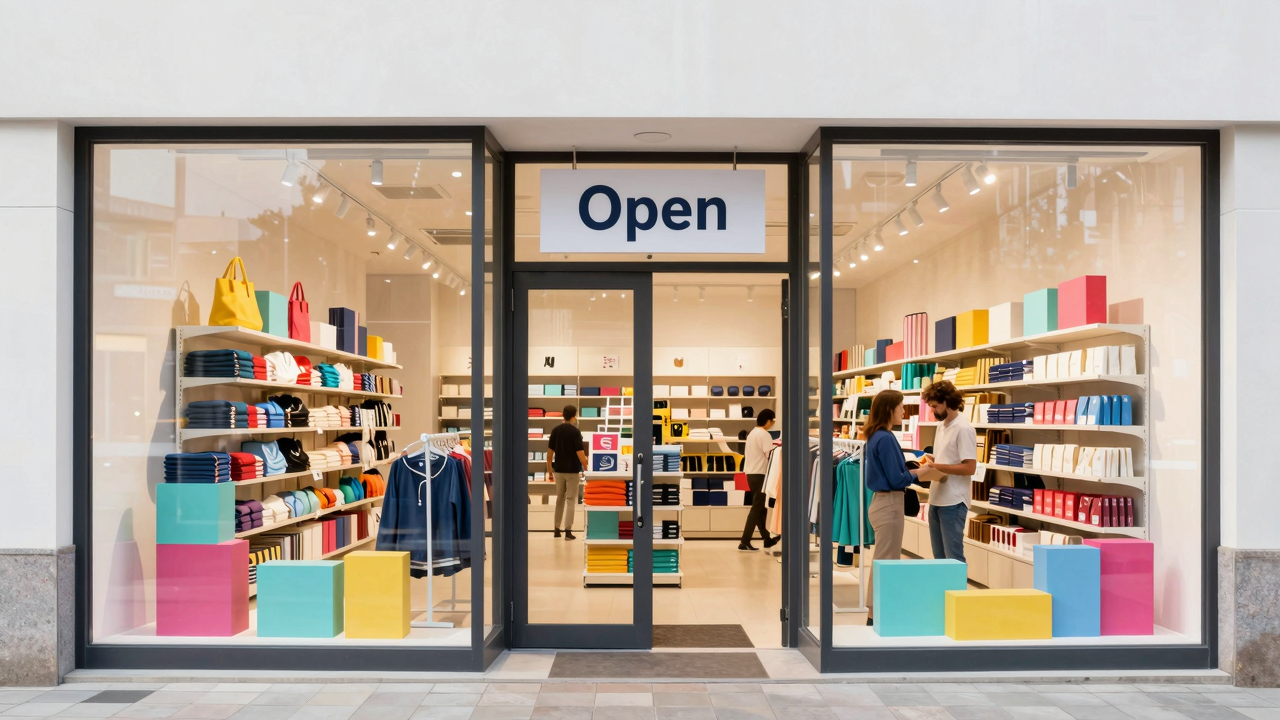
To thrive in the retail industry, you need to adapt quickly and strategically. Start by embracing omnichannel approaches to meet customer expectations. Focus on enhancing employee satisfaction, as a happy team drives better service. Use data analytics to refine your supply chain and boost efficiency. Don’t forget to create shareable experiences that engage customers and encourage loyalty. By implementing these strategies, you’ll position your business for growth and success in a competitive landscape.
[embedded content]
Image via Google Gemini and Small Business Trends