
This post was originally published on this site.
The love she most often speaks to me involves cucumber, cumin, and apple, maybe with tofu or rice. Both she and Abhishek Pillay, my second trainer, grow to know me shrewdly, thanks to my habit of smoking before meeting him in the gym, and after her carefully designed breakfasts. I hoover up the beetroot and chocolate pleasure balls in our room, alongside gunpowder-grade camomile tea. To everyone’s credit, it is painless when I decide to quit the cigarettes, though I have their sulfurous support when I complain on night three that we’re hungry, have been since arrival, actual meal times excepted, and had been promised snacks.
The food we are allowed to eat is truly outstanding. The Keralan fish curry with roti, idli, and chutney, and an unbelievable masala scrambled paneer, are gorgeous and could not be more healthy. The cooking class, during which we laugh and gossip with star chef Mukesh Dewasi about Gulf recipes and high cuisine in the region, is lovely. Evenings at the restaurant are beautiful, even without a vodka tonic—one night a sitar player and a drummer precede an unexpected “blessings of husbands” ceremony during which wives, dressed in saris, line up like Maharashtran queen bulbuls on the terrace, do things with powders, pastes, and candles, and giggle.
Less blissful is the Ayurvedic treatment, which has me lying on my side as the masseur, having demonstrated the restraint of his strength on my arms and legs with copious oil, informs me that insertion is now a go. The old prostate exam never felt so short, thin, or oily. I look up basti, the Ayurvedic oil enema, in a paper published through the US National Institute of Health, which shows some remarkable benefits. I do not know why placing vegetal oil and rock salt in there should aid rheumatoid arthritis, which I don’t yet have, but there is evidence that it does, and indications of many other benefits. Measuring Sanskrit-era medicine by modern Western standards is obviously hard, if not nonsensical. But we have as many medicines as we do languages, and faith, science, and arcane knowledge all have their place.
The state of my feet, raddled by possible psoriasis and fungal infection, shames me, especially in the hands of the masseuses, who wash them in salt and scrub them with limes, making me feel like Mary Magdalene. I find it almost uncomfortable to be so cared for, but many months later my feet are much better, their redness almost gone.
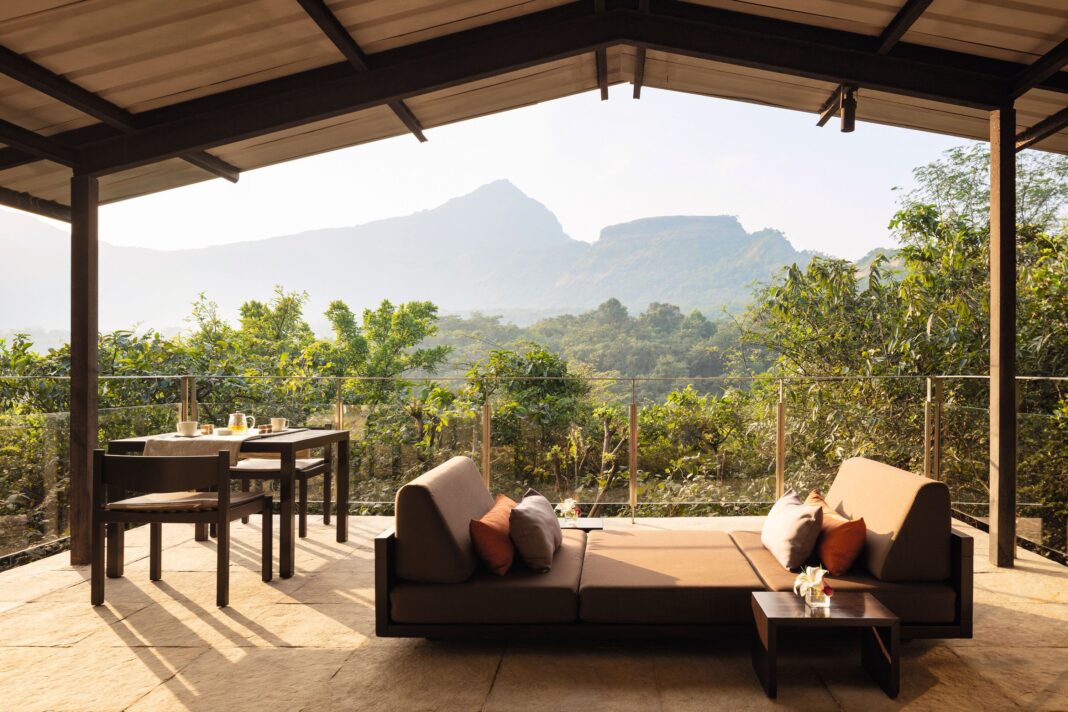
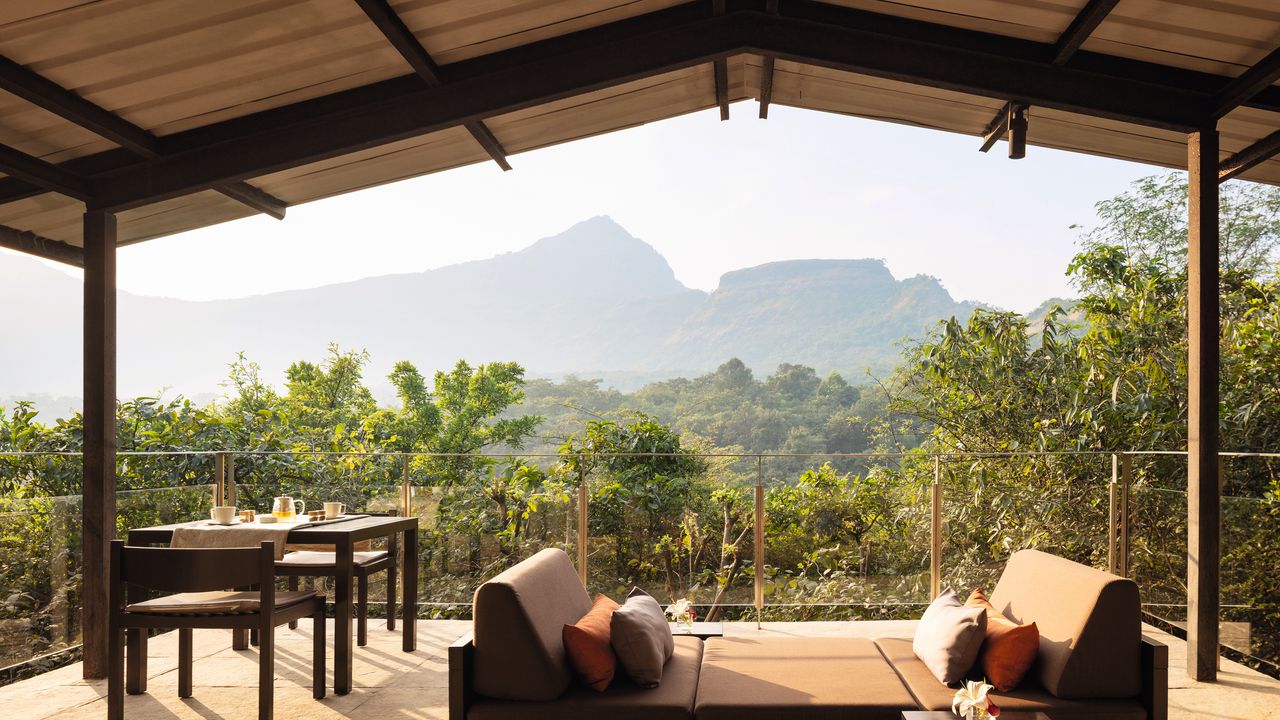
My top tip is watsu (a combination of water and shiatsu, invented in California, of course). Given leg floats and the instruction to “do absolutely nothing” I close my eyes as therapist Pooja Gautam tows me gently around the pool of the most prestigious villa. It’s quite a scene. The highest and most expensive on the property, it was designed, like all the villas and main buildings, in full eco-style by landscape architect Margie Ruddick, New York-based Steven Harris, and a team of Yale architecture students. The garden overlooks the lower pools and villas, and wide waves of forest. High up, you are soul to soul with the peaks of the Ghats even before you jump in.