
This post was originally published on this site.
This essay is part of Going Out, a series of stories celebrating LGBTQIA+ travel.
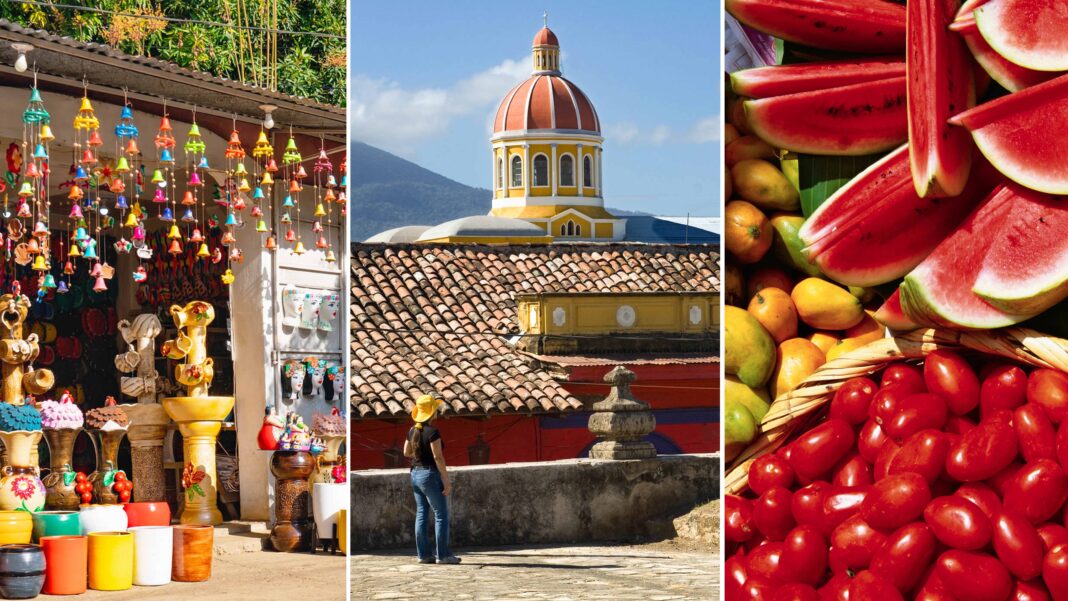
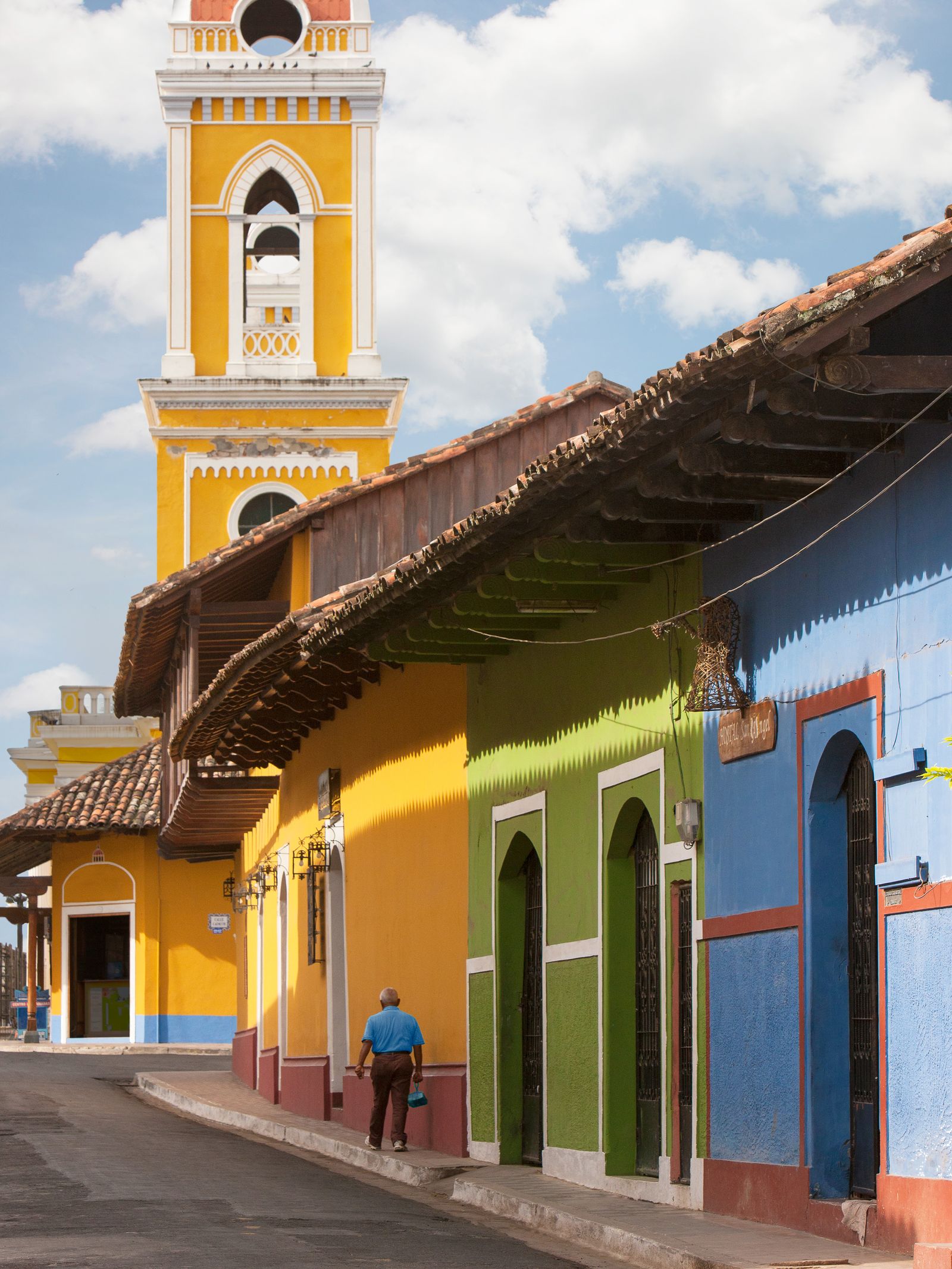
By early morning in Granada, Nicaragua, the heat is settling in and a thick humidity hangs in the air. People move through the streets snacking on spongy quesillo; others sell sliced fruit, weaving between cars that are beep-beeping their way through intersections. I hear the theme song of a telenova through the screen door of a nearby home. “Buenas!” our tour guide Aurora Alvarez-Granados Ramírez calls out, rocking a crop top as she bounces into the courtyard where we’ve gathered.
I’m on a two-week journey winding from Nicaragua to Guatemala (with stops in Honduras and El Salvador), joined by a dozen travelers from the US, the UK, and Australia, ages 20 to 75. The group is almost entirely women, save for one accompanying husband. Some are queer. All are equally curious to learn about this storied region.
As a Chilean-American—with a mother who did an extensive photojournalism project in Guatemala in the ’90s—I have long felt a pull to explore here. It’s been a while since I’ve signed up for an organized tour like this, though. I usually prefer solo travel, which allows me to wander languidly and choose my own itinerary, but I also like the comfort of letting a local expert lead the way. Alvarez-Granados Ramírez works as a bilingual guide throughout Central America, and, as a transgender woman, offers a perspective on these countries that considers how queer people experience them. She conducts one- to three-week trips with Intrepid, and on her own, threading a route through Costa Rica, El Salvador, Guatemala, Honduras, Mexico, and Nicaragua.
For Alvarez-Granados Ramírez, this means navigating a region where visibility can come with risk. LGBTQIA+ protections remain limited and unevenly enforced in the countries on our itinerary “[Trans people] do not have a seat at the table where we can be respected, appreciated, and loved by our culture as who we are,” says Alvarez-Granados Ramírez. “At least not yet.” Misgendering and stares are not uncommon, she says, and safety often depends on quickly reading whatever room she walks into. Yet that awareness shapes how Alvarez-Granados Ramírez guides, what she shares, and who she trusts to receive it. “I felt I didn’t belong anywhere until after my transition,” says Alvarez-Granados Ramírez. “I now know I was meant to be in tourism, because of who I am and where I come. My story is meant to be shared.”