
This post was originally published on this site.
Can the World Cup’s viral stars turn social media fame into fortunes?
-
Published
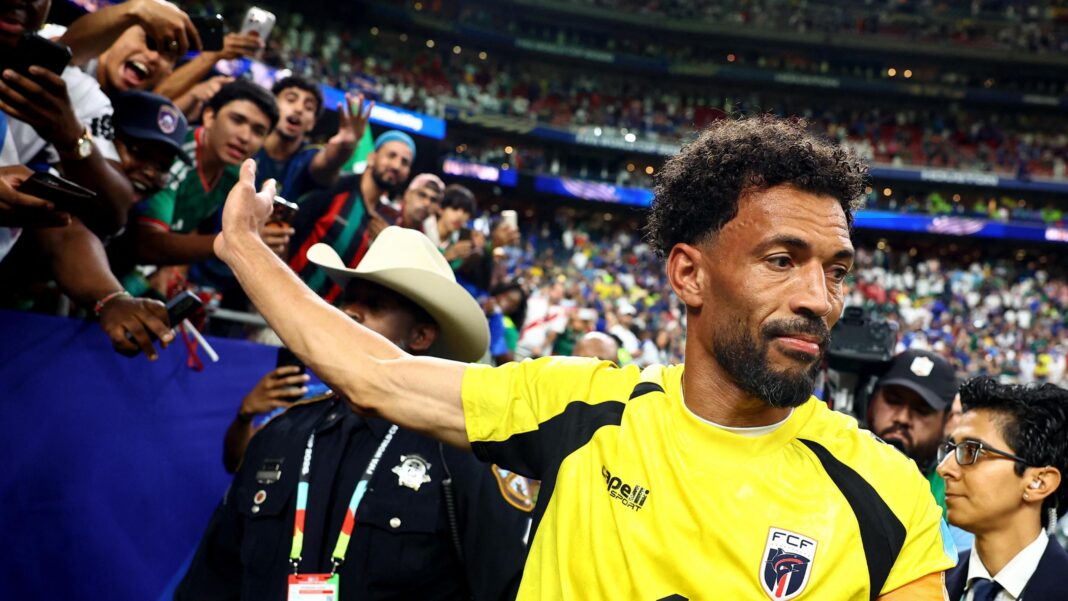
It took 90 minutes for Vozinha, Cape Verde’s 40-year-old goalkeeper, to become a world-wide sensation with more Instagram followers than NFL legend Tom Brady.
Vozinha’s impressive performance against Spain in the World Cup group stage led to a 0-0 draw, a huge surprise against one of the tournament favourites. It led to Vozinha’s 50,000 Instagram followers ballooning to 17.4 million, surpassing athletes such as Brady (15.5 million).
World Cup stars, like Vozinha, can harness their new social media fame to generate lucrative financial opportunities.
But media expert Mike Serazio said those prospects can be fleeting. “It’s viral – it goes up very fast and it goes down equally fast,” he said.
Brooke Duffy, a digital and social media scholar at Cornell University, said influencers with millions of followers can demand payments that stretch beyond six-figures.
A prominent social media presence can lead to brand partnerships and advertisers paying for individual posts.
“Followers are a form of currency that matters now… more followers tends to translate into a higher income,” she said.
Social media offers a different path to stardom
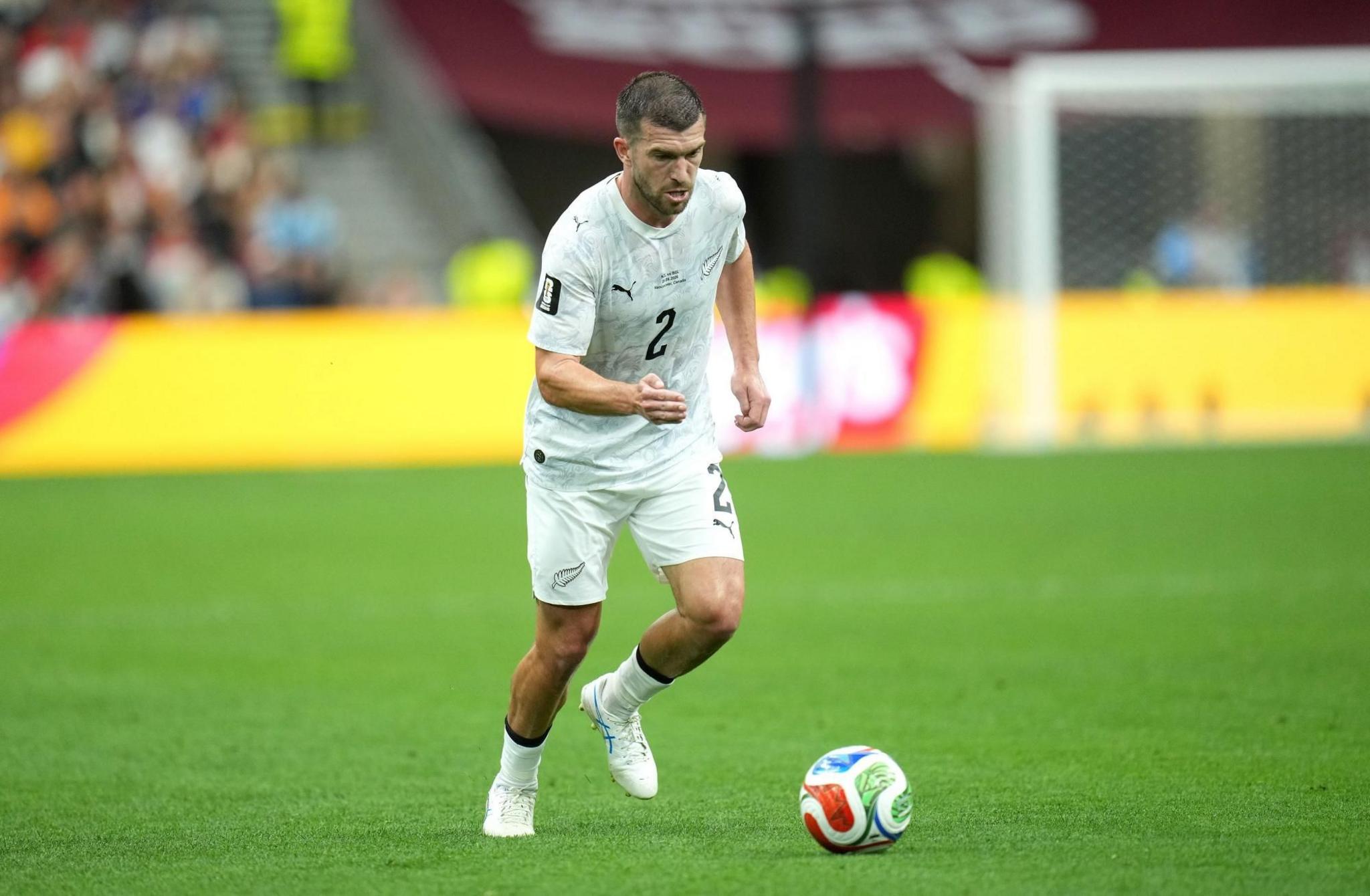 Image source, BOB FRID/EPA/Shutterstock
Tim Payne, a defender on the New Zealand team, was dubbed the “least-known” World Cup player by one Argentine influencer ahead of the tournament. Valen Scarsini, known as ‘elscarso’ online, shared a video calling on his hundreds of thousands of followers to help boost Payne’s profile.
Payne leaned into this, posting more and engaging with the influencer. Over a few days, Payne’s Instagram follower count grew from about 5,000 to nearly six million. He has a larger following, he pointed out, than the population of the country he hails from (New Zealand’s population is just over 5.3 million).
Unlike in the case of Cape Verde’s Vozinha, Payne’s new-found fame didn’t come from his efforts during a match.
It is a phenomenon that’s becoming more prominent in the sports world, said Boston College professor Mike Serazio, who has researched the intersection of media and sport.
“You have had, in the last five to 10 years, the rise of athlete-stars who are all hype, all social media following,” Serazio said. “Their fame is not commensurate to their athletic talents.”
Serazio said that anyone who makes it to their country’s national team is highly talented. But in previous eras, athletes had to be among the very best to book a television commercial or appear on a cereal box.
“You simply don’t need the mass media in the way that you did previously and athletes understand this,” he said. “Athletes have been taking to social media and using it ambitiously to cultivate followings, to strike brand deals, to make money, to leverage their popularity.”
Will fame last after the World Cup?
Viral clips are the direction in which sports viewership is headed, Serazio believes.
“Your performance across the whole arc of the game doesn’t matter as much as having a signature moment that’ll play well, that’ll reverberate in the viral confines of social media,” Serazio said.
“The viral moment has greater currency,” he said. “It’s the thing that matters more than the game itself.”
The question, though, is whether a World Cup athlete who finds themselves with millions of new fans can turn that into a career beyond the white lines of the football pitch.
“You have a window there of attention,” Sezario said. “Nobody knew who the Cape Verde goalie was… and I don’t know that they’ll know who he is after the World Cup ends.”
“Messi, Ronaldo, Neymar, Mbappe, after they retire, they’re still going to be able to do deals,” he said. Sezario said there are less examples of “athletes who have one big moment being able to leverage that post career”.
One example of successfully harnessing a social media audience is Ilona Maher, the US rugby player whose popularity soared during the 2024 Paris Olympics. Maher has her own podcast, brand ambassador roles, modelled for Sports Illustrated, and finished as runner-up in the television series Dancing with the Stars. Maher also won the Best Breakthrough Athlete Award at the 2025 ESPY Awards.
Duffy said there are long-term career opportunities available for new social media stars, but exactly how much money can be earned is hard to calculate.
The price paid for sponsored posts on social media is not as standardised as rates in traditional media, such as television commercials, Duffy said. “There are very few safeguards on what a sort of reasonable income looks like,” Duffy added.
“These are individuals whose careers so far have been hitched to soccer. So thinking about how they navigate the variability of a kind of shadowy ecosystem of the digital media economy is curious.”
The cultural currency for these viral World Cup stars is at a high point right now. What it means for their futures could depend on how well they can keep new fans engaged after the tournament ends.
-
-
Published3 days ago
-