
This post was originally published on this site.
Continuous improvement, or Kaizen, is essential in Lean practices because it drives efficiency and reduces waste. Start by identifying small changes in your daily processes. Use the PDCA cycle: plan your changes, implement them, check the results, and act on what you learn. Involve your team in brainstorming sessions to gather insights. This approach not only enhances productivity but also boosts morale. So, what specific areas in your operations could benefit from continuous improvement?
Key Takeaways
- Continuous Improvement, or Kaizen, emphasizes small, incremental changes to enhance processes and increase efficiency in manufacturing.
- The PDCA cycle (Plan-Do-Check-Act) provides a structured framework for systematic problem-solving and ongoing improvements.
- Identifying and reducing waste, or “Muda,” through techniques like Value Stream Mapping is essential for optimizing processes.
- Engaging employees at all levels in improvement efforts fosters a culture of collaboration and innovation, leading to better results.
- Long-term benefits include reduced operational costs, increased customer satisfaction, and improved employee engagement and productivity.
Understanding Continuous Improvement in Lean
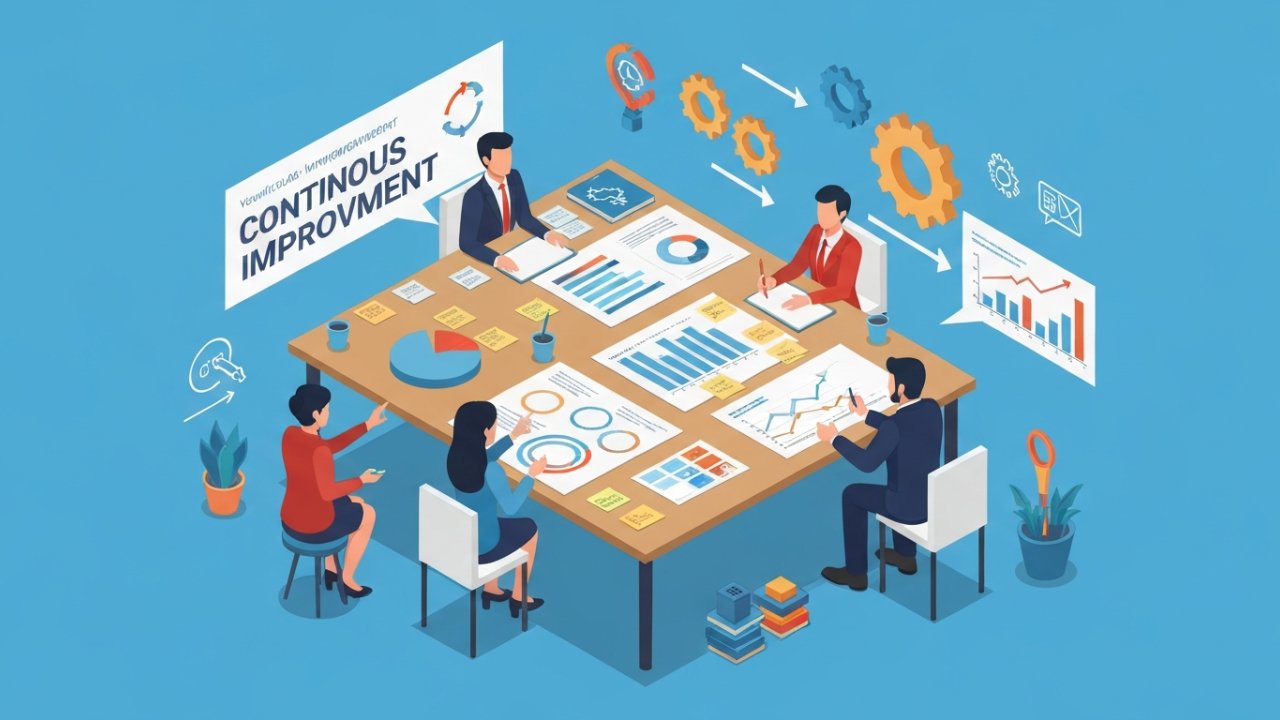
Continuous Improvement, often known as Kaizen, is an essential aspect of Lean that you can implement to enhance your processes. This continuous improvement process in manufacturing focuses on small, incremental changes that lead to significant enhancements over time.
To start, familiarize yourself with the PDCA (Plan-Do-Check-Act) cycle. Begin by planning a change, then implement it, check the results, and act based on your findings. Engaging your team in this process is important; encourage them to share ideas for improving efficiency and quality.
Regularly review and adjust your strategies, aiming to eliminate waste, guarantee smooth flow, and prevent overburden. These steps in lean continuous improvement not only increase operational efficiency but also enhance customer satisfaction.
Recognizing and Reducing Waste in Lean Processes
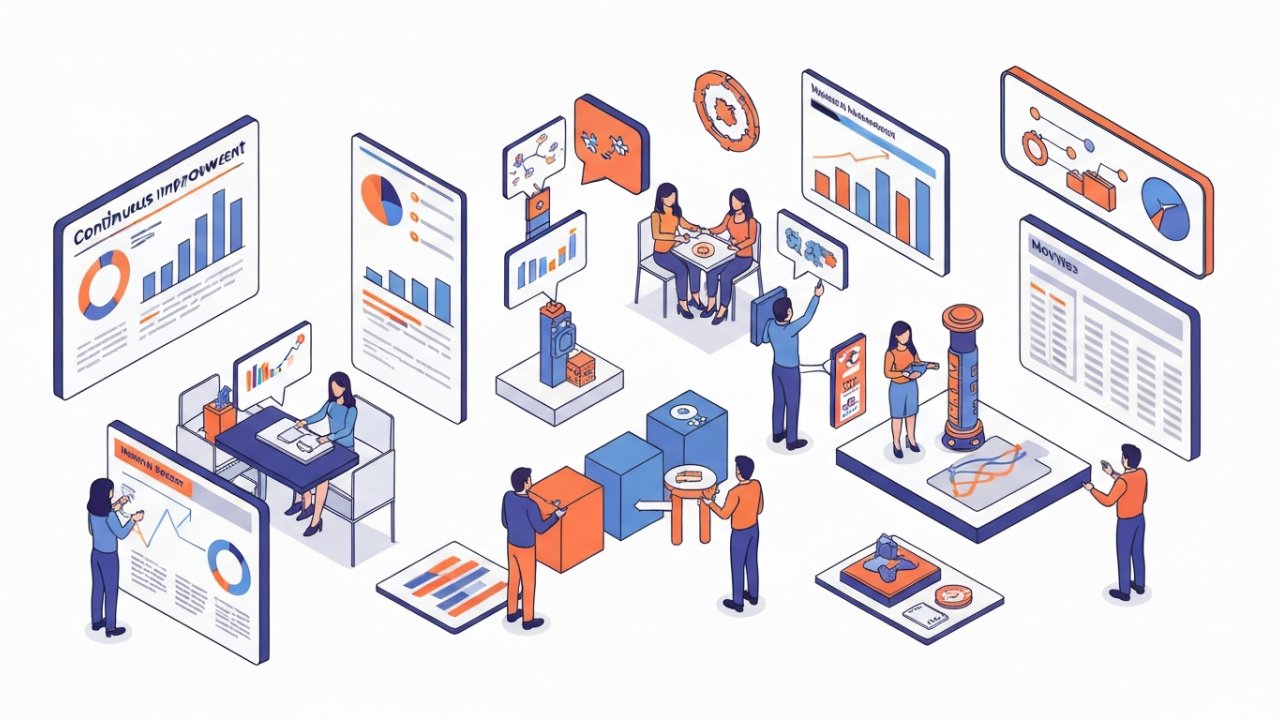
Identifying and reducing waste in Lean processes is essential for streamlining operations and boosting productivity. Waste, or “Muda,” includes any activity that consumes resources without adding value.
To tackle this, start by familiarizing yourself with the seven types of waste: overproduction, waiting, transportation, extra processing, inventory, motion, and defects.
Use techniques like Value Stream Mapping to visualize your processes and pinpoint waste areas. Engage cross-functional teams in these efforts to gain diverse insights and enhance problem-solving.
Implement continuous improvement in manufacturing through small, incremental changes using the PDCA cycle—Plan, Do, Check, Act.
Regularly review your processes, focusing on how to reduce waiting times or unnecessary movements.
Key Principles of Lean Continuous Improvement
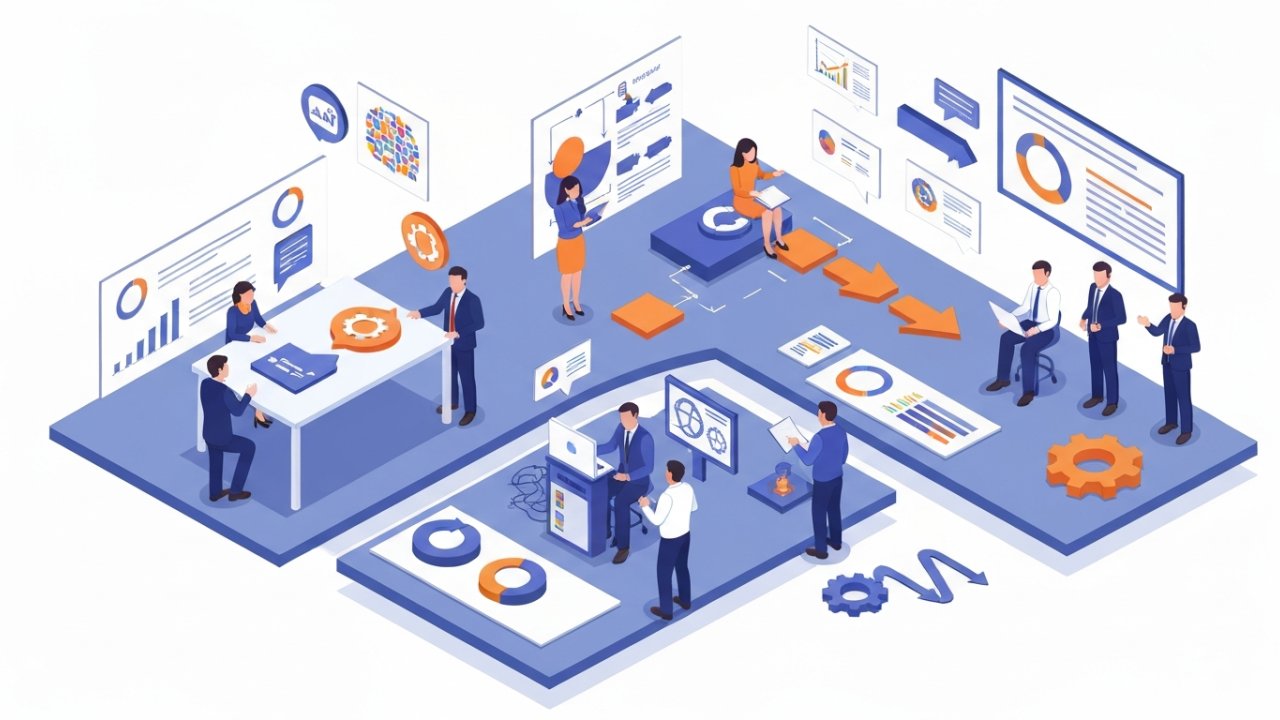
Engaging employees is essential. Involve all team members in identifying problems and contributing solutions, leveraging their collective knowledge.
Embrace the pursuit of perfection; continuously eliminate waste and enhance processes to foster a culture of ongoing improvement.
Lastly, incorporate kaizen practices, promoting small, incremental changes that lead to significant improvements in efficiency and quality over time.

To effectively implement continuous improvement in your organization, you’ll want to utilize specific tools and techniques that facilitate progress.
Start by applying the Kaizen methodology, which encourages small, team-driven changes to boost efficiency.
Next, use Value Stream Mapping to visualize and optimize the flow of materials, and implement the PDCA cycle to systematically address problems and enhance your processes.
Kaizen Methodology Overview
Kaizen, which means “continuous improvement,” focuses on making small, incremental changes that can lead to significant enhancements in your organization. This methodology emphasizes employee involvement, empowering you and your team to pinpoint inefficiencies.
Key tools like the PDCA (Plan-Do-Check-Act) cycle help you systematically solve problems, while Kanban boards visualize your workflow and manage tasks effectively. Encourage open communication to allow team members to suggest changes, fostering a culture of continuous improvement.
Use techniques like the 5 Whys to dig deep into issues, ensuring you address root causes rather than just symptoms. By implementing Kaizen, you can achieve lean manufacturing process improvement, resulting in reduced waste, enhanced efficiency, and improved employee morale.
Value Stream Mapping Techniques
Value Stream Mapping (VSM) serves as a powerful tool for identifying and analyzing how materials and information flow throughout your processes.
By using VSM, you can enhance continuous improvement lean initiatives effectively. Here’s how to get started:
- Map Current State: Create a visual representation of your current processes to identify waste.
- Identify Value-Adding Activities: Distinguish between what adds value and what doesn’t.
- Pinpoint Bottlenecks: Look for inefficiencies that slow down your workflow.
- Visualize Future State: Design an ideal process flow that guides your team toward improvement.
Regularly utilizing value stream mapping fosters a culture of ongoing evaluation, enabling you and your team to adapt and enhance efficiency over time.
PDCA Cycle Implementation
Implement the PDCA cycle to drive continuous improvement in your processes. This structured approach helps you tackle inefficiencies effectively. Start with the “Plan” phase, where you identify problems and design small changes. Then, move to “Do,” implementing these changes in a controlled manner, gathering essential data. Next, in the “Check” phase, evaluate the results against your metrics to assess effectiveness. Finally, in the “Act” phase, standardize successful changes and learn from any setbacks for future cycles.
| Phase | Action | Purpose |
|---|---|---|
| Plan | Identify problems | Design small, incremental changes |
| Do | Implement changes | Minimize disruptions |
| Check | Evaluate results | Assess effectiveness |
| Act | Standardize changes | Inform future iterations |
Using the PDCA cycle fosters continuous improvement in the manufacturing industry.
Understanding the PDCA Cycle for Continuous Improvement
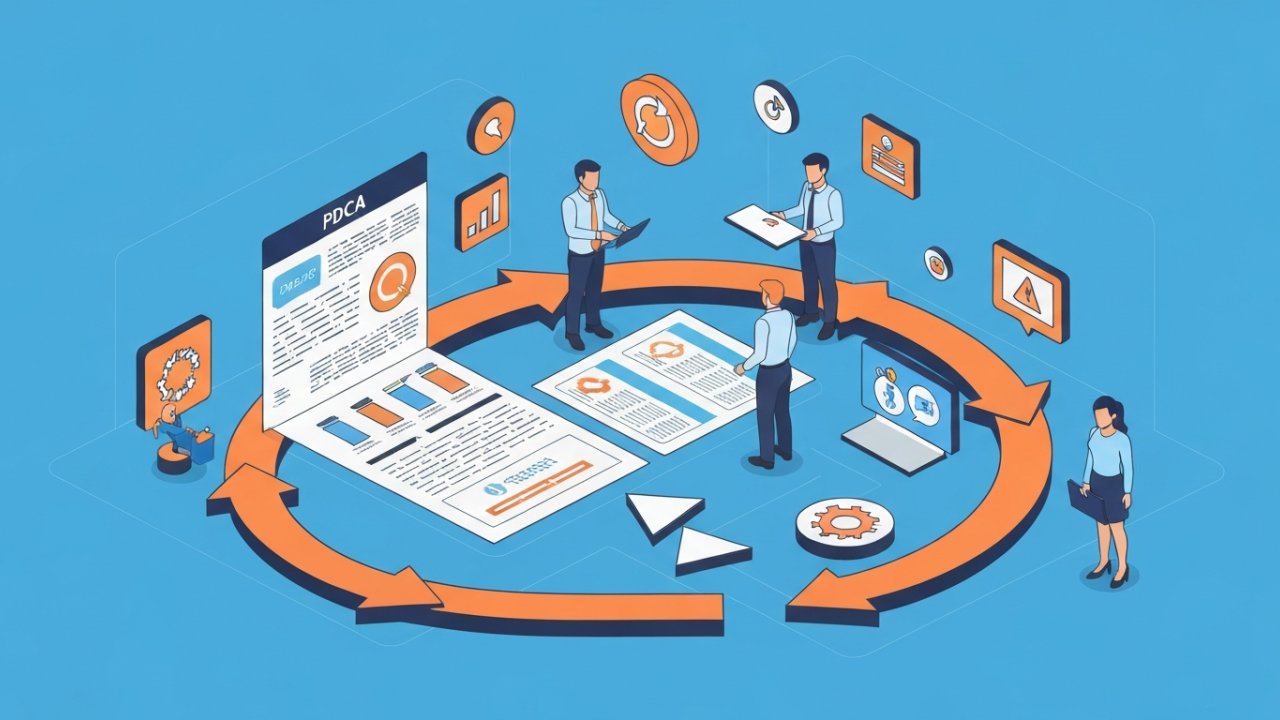
To kick off your journey in continuous improvement, understanding the PDCA cycle is essential. This framework is your roadmap for enhancing processes through systematic problem-solving.
Here’s how you can apply it effectively:
- Plan: Identify specific issues in your continuous improvement plan manufacturing and set measurable objectives.
- Do: Implement changes on a small scale, testing your strategies while collecting data on their effectiveness.
- Check: Analyze the results. Use quantitative data to evaluate the impact of your changes on process performance.
- Act: Standardize successful changes for wider application. Revise or discard those that didn’t work, fostering a kaizen continuous improvement process.
Examples of Continuous Improvement in Action
While many industries have adopted continuous improvement practices, the effectiveness of these strategies often shines through in real-world examples.
In manufacturing, Thrustmaster leveraged kaizen improvement by implementing small, incremental changes, which boosted production efficiency and cut down waste.
In healthcare, hospitals streamlined patient care processes, leading to shorter wait times and higher satisfaction scores.
[embedded content]
The hospitality sector also embraced continuous improvement, redesigning customer experiences to enhance service speed and guest ratings.
Construction firms focused on worker respect and safety, resulting in fewer accidents and better job site efficiency.
Even agriculture isn’t left out; farmers like Ben Hartman adopted lean practices, systematically refining workflows to increase productivity and reduce waste.
Key Metrics for Measuring Continuous Improvement Success
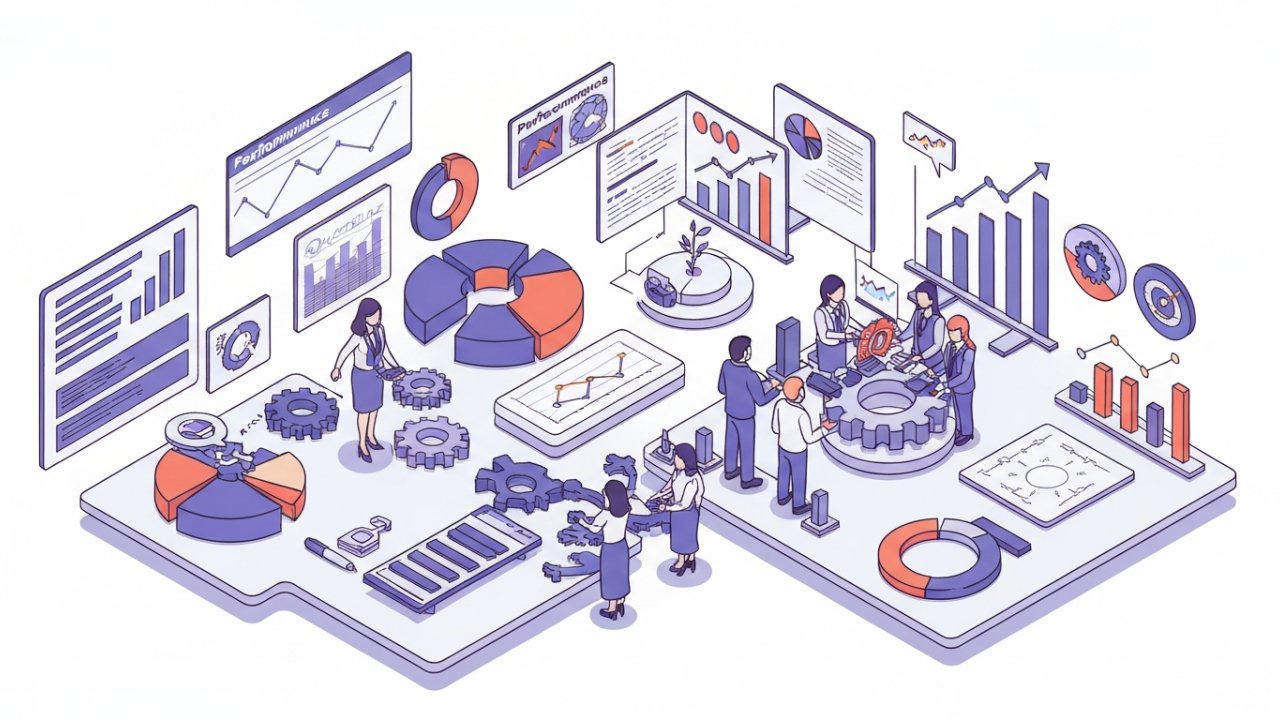
To measure the success of your continuous improvement efforts, focus on key metrics like lead time reduction and defect rate improvement.
By tracking lead time, you can identify bottlenecks in your process and work to streamline operations, ensuring faster delivery to customers.
Similarly, monitoring defect rates helps you pinpoint quality issues, allowing you to implement solutions that enhance product reliability and customer satisfaction.
Lead Time Reduction
Lead time reduction serves as a vital metric for measuring continuous improvement success in Lean practices, as it focuses on minimizing the time from the start to the finish of a process.
By embracing this continuous improvement philosophy, you can enhance efficiency and customer satisfaction.
Here are some actionable steps to achieve lead time reduction:
[embedded content]
Map Your Processes: Use Value Stream Mapping to visualize your workflow and identify delays. Analyze Bottlenecks: Continuously monitor your lead times to pinpoint areas that slow you down. Optimize Resources: Adjust resource allocation to streamline operations and reduce waste. Implement Incremental Changes: Make small, targeted improvements regularly to see cumulative benefits.
Defect Rate Improvement
Quality is essential in any organization, and focusing on defect rate improvement can considerably enhance your processes.
By tracking defect rates, you can spot patterns and root causes of quality issues, leading to targeted interventions. Implement Lean tools like the 5 Whys and Pareto analysis to identify areas for improvement; this will help you reduce errors and boost product quality.
As you lower defect rates, you’ll not only improve customer satisfaction but also cut costs linked to rework and returns.
Make it a habit to regularly measure and analyze defect rates. This fosters accountability and encourages your team to innovate, ensuring sustainable quality improvements.
Embrace defect rate improvement as a key metric in your lean continuous improvement efforts.
How to Foster a Culture of Continuous Improvement
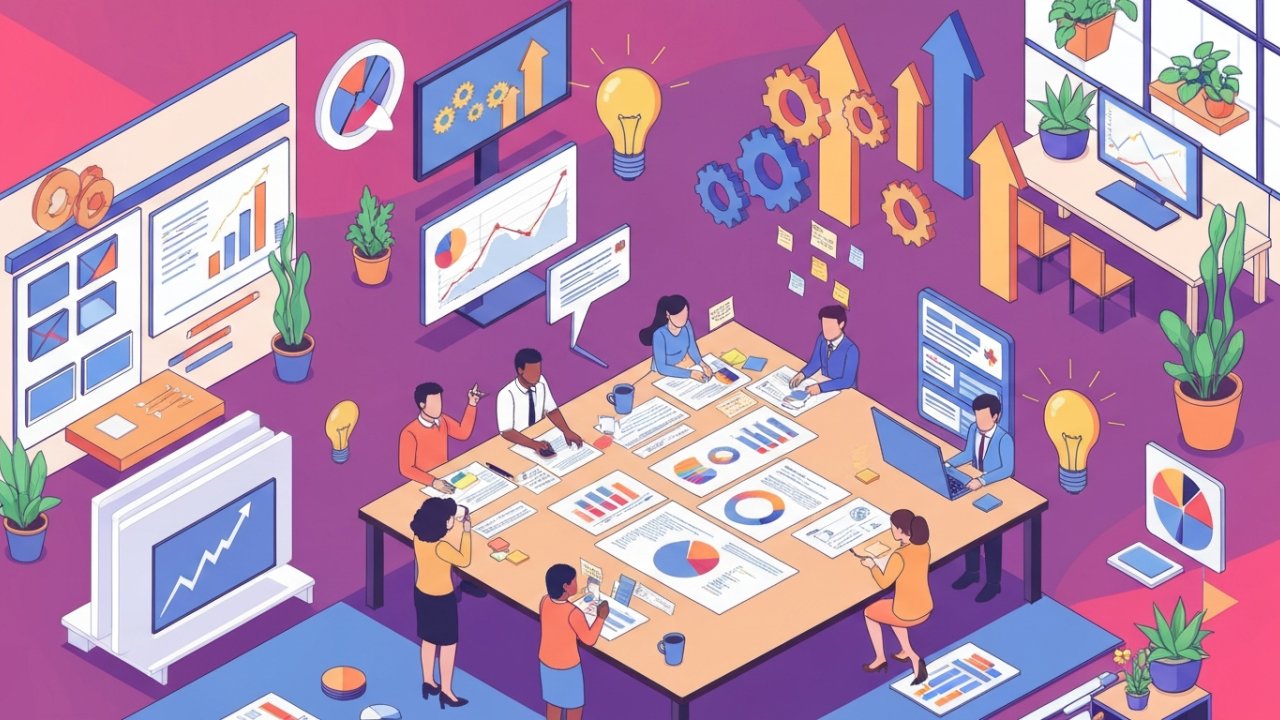
When you create an environment that encourages continuous improvement, you empower everyone in your organization to contribute.
To foster a culture of continuous improvement in lean management, consider these actionable steps:
- Engage Employees: Involve all levels of staff in identifying inefficiencies and proposing solutions. This involvement can spark innovative ideas for process improvement.
- Provide Training: Regularly train your teams on Lean principles and tools like PDCA and value stream mapping. This equips them with the skills needed for effective participation.
- Establish Cross-Functional Teams: Encourage collaboration across departments. Diverse perspectives can enhance problem-solving and build shared ownership of processes.
- Celebrate Successes: Recognize and celebrate small wins. This reinforces positive behavior and motivates ongoing participation in your continuous improvement efforts.
The Long-Term Benefits of Continuous Improvement in Organizations
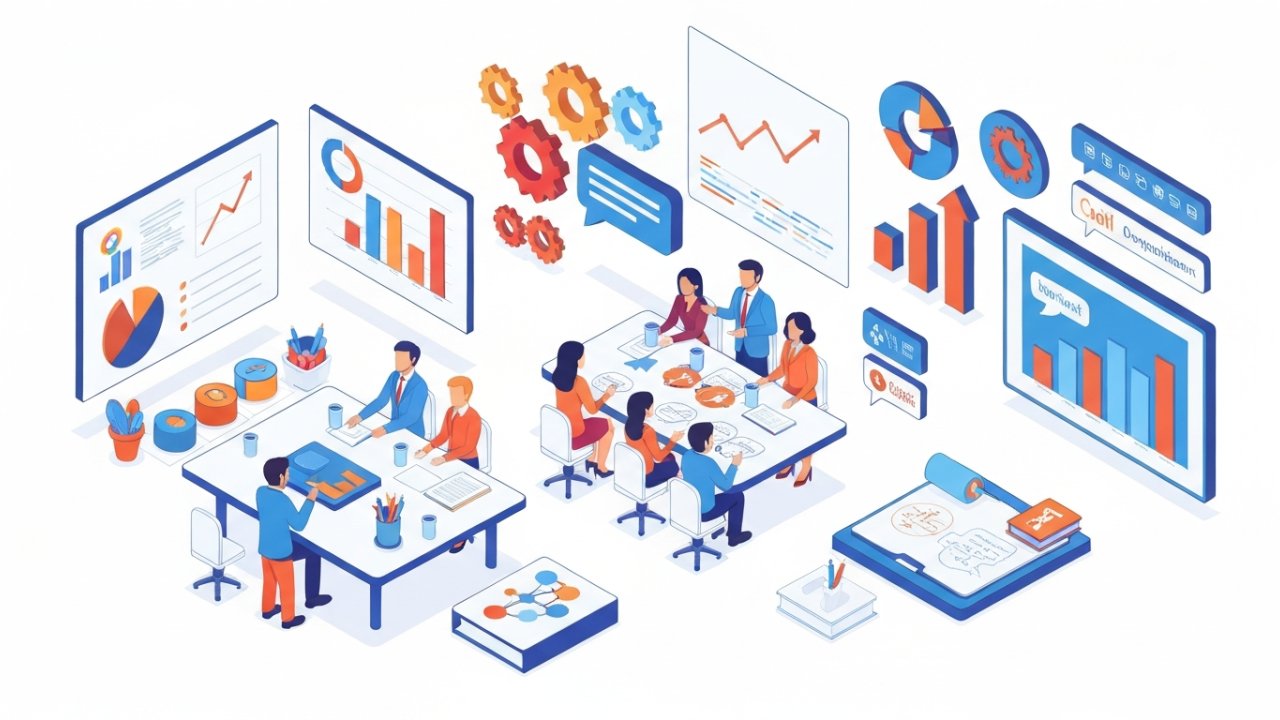
Continuous improvement isn’t just a buzzword; it’s a powerful strategy that can transform your organization over time. By focusing on continuous improvement projects in manufacturing, you can foster a culture of innovation that boosts employee engagement and productivity by up to 25%.
Lean manufacturing principles, including kaizen, help you systematically eliminate waste, which can reduce operational costs by 15-30%. As you implement these processes, you’ll likely see customer satisfaction scores rise by 20% because your organization becomes more responsive to their needs.
This responsiveness can lead to profit margins increasing by 10-20% due to improved quality and faster cycle times. Plus, continuous improvement initiatives can decrease defect rates by 30-50%, resulting in fewer resources wasted on rework.
Frequently Asked Questions
What Is Continuous Improvement and Why Is It Important?
Continuous improvement is a process where you make small, ongoing changes to enhance efficiency and quality in your work.
It’s important because it helps you identify and eliminate waste, leading to better products and happier customers.
To start, assess your current processes, gather feedback from your team, and implement the PDCA cycle—plan, do, check, act.
This approach not only boosts performance but also fosters a culture of collaboration and learning within your organization.
What Is the Main Benefit of Continuous Improvement in Lean Operations?
The main benefit of continuous improvement in lean operations is enhanced efficiency.
You can start by regularly evaluating your processes to identify waste. Use tools like Value Stream Mapping to visualize areas for improvement.
Encourage your team to suggest small changes, fostering a culture of innovation. By implementing these adjustments, you’ll reduce costs and increase productivity.
Ultimately, this approach not only boosts your bottom line but also improves customer satisfaction over time.
What Are the 3 C’s Continuous Improvement?
The 3 C’s of continuous improvement are Clarify, Challenge, and Communicate.
First, clarify the problems and goals so everyone’s on the same page.
[embedded content]
Next, challenge existing processes; ask questions and foster innovation.
Finally, communicate regularly with your team to share insights and feedback, enhancing collaboration.
What Are the 5 S’s of Continuous Improvement?
The 5 S’s of continuous improvement are Sort, Set in order, Shine, Standardize, and Sustain.
Start by sorting through your workspace, removing unnecessary items. Next, set tools in order for easy access.
Then, shine your area by cleaning regularly. After that, standardize your processes to maintain these improvements.
Finally, sustain this system by regularly reviewing and reinforcing these practices.
Conclusion
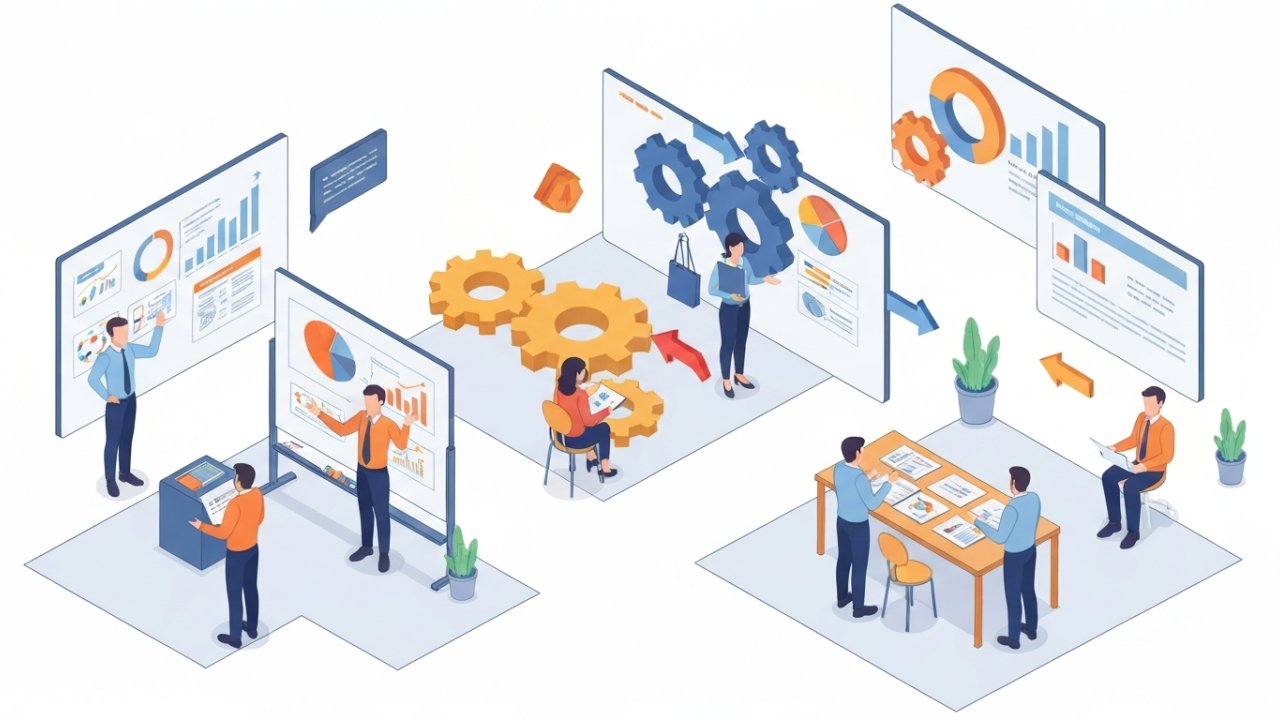
Continuous improvement in Lean isn’t just a concept; it’s a practical approach to enhance your organization. Start by identifying waste in your processes and engage your team in brainstorming solutions. Use the PDCA cycle to implement changes, check their effectiveness, and adjust as needed. Track key metrics to measure success, and foster a culture where everyone feels empowered to contribute. By committing to these steps, you’ll see increased efficiency, reduced costs, and happier customers over time.
Image via Google Gemini