
This post was originally published on this site.
The energy transition – a global process of shifting from fossil fuel-based power production to renewable energy – is coming along apace, and the commodities underpinning it offer enticing opportunities for investors.
Even in the US under president Donald Trump and his ‘drill baby drill’ agenda, renewables usage is on the rise. Renewable energy generation in the US increased 10% in the first four months of 2026 compared to the same period a year before, according to data from the US Energy Information Administration, driven by a 21% increase in utility-scale (above one megawatt) solar power. Renewable sources generated more than half the country’s energy during that period, and the proportion increased from the previous year.
The International Energy Agency (IEA) expects more than double the amount of renewable power capacity will be added globally between 2025 and 2030 than in the previous five years.
Sign up to Money Morning
Don’t miss the latest investment and personal finances news, market analysis, plus money-saving tips with our free twice-daily newsletter
Don’t miss the latest investment and personal finances news, market analysis, plus money-saving tips with our free twice-daily newsletter
But it’s an often overlooked theme that has become less fashionable for investors in recent years.

“The sentiment around renewables, decarbonisation and ESG… has been a bit less strong over the past few years, but the reality of it is none of this investment has stopped,” Rosa Leo, equity investment specialist at Aberdeen Investments, told MoneyWeek.
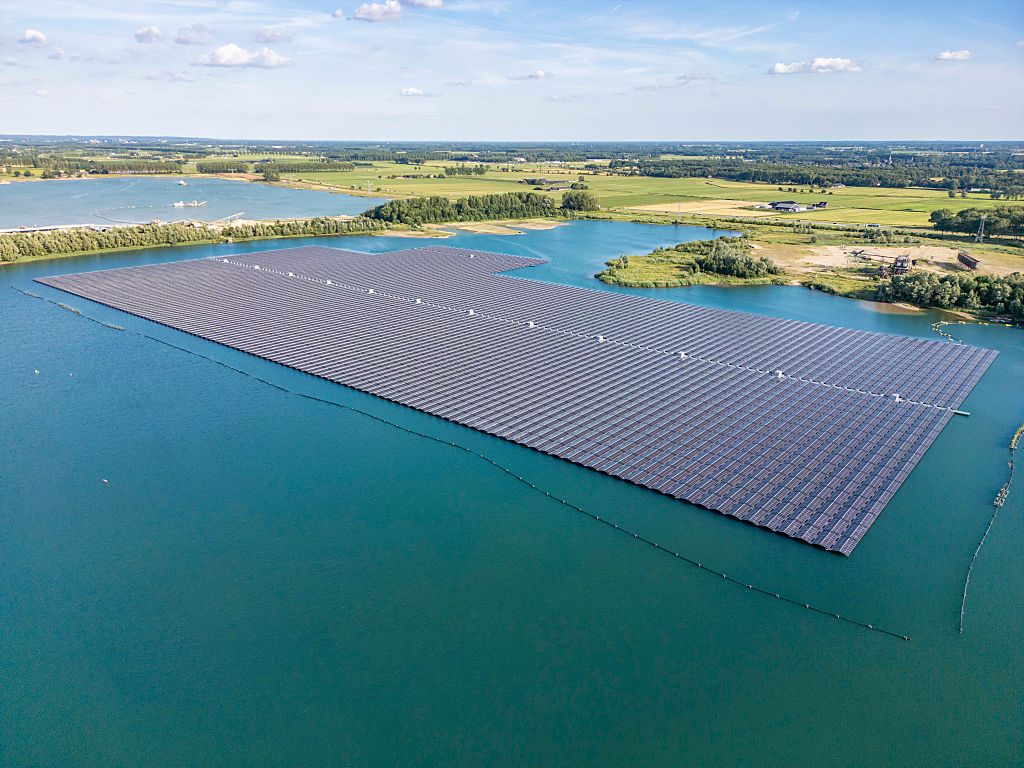
A large-scale floating solar panel installation across a lake near Deest, the Netherlands.
(Image credit: Nicolas Economou/NurPhoto via Getty Images)
“When we talk about investment in renewables and the green energy transition, it’s not just a decarbonisation story, it’s also an energy security story,” Leo added.
Why energy transition materials can offer diversification
Compared to other commodities, many energy transition materials have distinct structural supply and demand imbalances that could push up prices over the long term.
“Many metals face a supply deficit in the years ahead, due to a lack of investment in exploration and discovery, as well as long lead times for new mines,” Mark Burridge, manager of the SVS Baker Steel Electrum Fund, told MoneyWeek.
Unlike gold, the price of which is largely dictated by interest rates, long-term decarbonisation policies and new growth industries underpin demand for energy transition materials.
“As a result, they offer lower correlation to traditional equities and bonds while adding structural portfolio growth,” explained Asad Farid, portfolio manager of the JSS Sustainable Equity – Strategic Materials fund.
“Supply cannot respond quickly to demand spikes,” said Farid. “Because new projects require four to seven years of lead time, producers retain pricing power.”
Some of the most critical energy transition materials occupy strategic supply chain bottlenecks, meaning national governments often guarantee to buy output in advance at locked-in prices.
“Consequently, these producers see more resilient and predictable earnings growth than traditional commodities,” said Farid.
Copper
Front and centre in the energy transition is copper, because almost every new aspect of the energy transition involves some form of electrification – and copper is the most efficient conductor of electricity available.
That makes it one of the most appealing long-term opportunities available, according to Leo, from Aberdeen. It goes beyond the energy transition: “the tech industry, data centres, they all require copper.”
This is driving demand higher while supply is suffering due to under-investment over the past decade or so: according to Leo, copper’s supply shortfall could reach 30% in the next 10 years.
Major copper producers include Southern Copper Corporation (NYSE:SCCO), Anglo American (LON:AAL) and Antofagasta (LON:ANTO).
Rare earths
Rare earth minerals comprise a range of heavy metals which, contrary to what their collective name implies, are not especially rare – but are very difficult to extract from their naturally-occurring compounds.
They have distinct magnetic properties that make them essential for various applications in clean energy and modern technology – meaning that like copper they have an overlap with the cyclical economy.
Like copper, rare earths have an overlap with the cyclical economy because they are key components in the majority of tech hardware.
“The only country that has really invested in [rare earth extraction] is China,” said Leo. “It’s quite emblematic of the geopolitical aspect and relevance of the minerals: developed countries outside of China really are reliant on China for their supply of these minerals.
“So we expect huge investments from countries worldwide, especially in extraction and especially in miners outside China,” she added. “The price of rare earths is going up, and their geopolitical significance is increasing.”
Uranium
Nuclear power is one of the most reliable forms of renewable energy, and has come back into favour following decades of neglect.
There are currently around 80 nuclear reactors under construction globally, with another 120 planned, according to the World Nuclear Association.
“This is going to have an impact on uranium demand,” said Leo. “This is another area in which we see huge opportunities, especially when it comes to the uranium extraction market.”
Lithium
Most energy storage and electric vehicle (EV) batteries are based on lithium, making it a crucial commodity for the energy transition.
According to the IEA, the global lithium-ion battery market grew by more than 20% in 2025 and now exceeds $150 billion.
And as with many energy transition materials, demand is growing faster than supply.
“Lithium [supply] is tightening as stationary storage demand accelerates alongside strengthening EV sales in Europe and China,” said Farid. “The supply response is likely to lag for some time.”
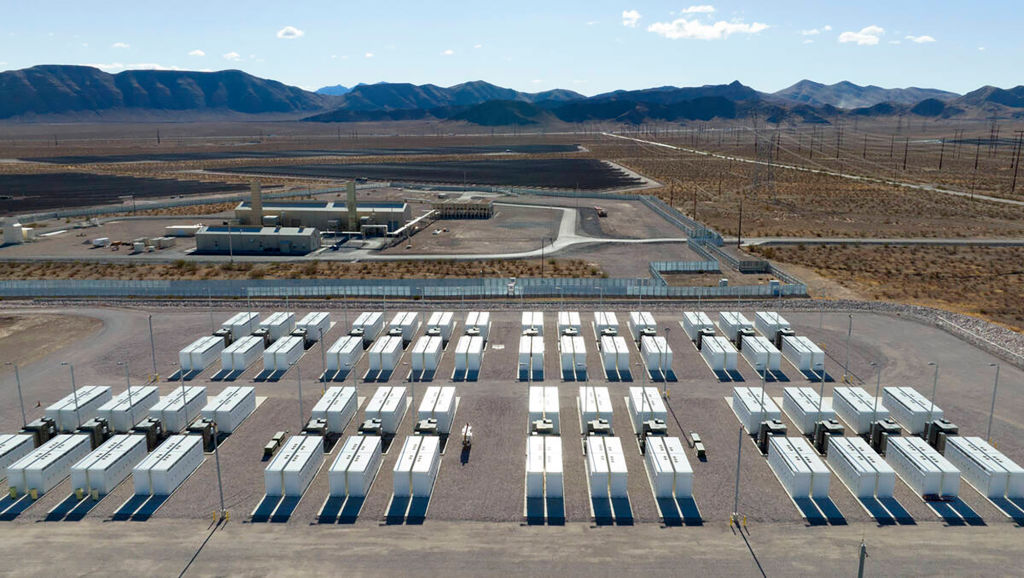
Tesla’s megapack battery storage power station at the Harry Allen Power Plant in Las Vegas, Nevada. Lithium is a key commodity for battery energy storage.
(Image credit: Bizuayehu Tesfaye/Las Vegas Review-Journal/Tribune News Service via Getty Images)
Aluminium
“Aluminium is critical for grid infrastructure and lightweighting,” said Farid.
It is a key component of solar panels, as well as electric vehicles (its light weight allows some of the additional weight of heavy batteries to be offset).
Aluminium supply is tight: around half of Middle Eastern production of the metal has been lost as a result of the conflict.
“This deficit is exacerbated by rising power costs from AI driven data centre demand, and Western protectionist measures limiting scrap outflows to Asia,” Farid added.
How to invest in energy transition commodities
If you want to invest in the energy transition, one way to do so would be to buy contracts on the commodities themselves – but this isn’t the recommended approach, largely because many of the materials involved have fairly shallow markets.
Instead, Leo recommends buying the companies that produce the commodities or put them to use.
Aberdeen’s Future Raw Materials ETF (LON:ARAW) takes this approach and holds energy transition material producers: top holdings currently include the likes of uranium producer Cameco (TORONTO:CCO) and Southern Copper.
The Baker Steel Electrum Fund also holds Cameco alongside a portfolio of speciality and precious metal producers, including aluminium producer Norsk Hydro (OSLO:NHY). Norsk Hydro is the top holding in the JSS Sustainable Equity – Strategic Materials fund as of 31 May.