

This post was originally published on this site.
If you want to connect with Gen Z consumers, start by understanding their core values. Focus on authenticity, transparency, and social responsibility. They care about price, so guarantee your offerings are competitive. Personalization is also key; consider customizable products to enhance their experience. Utilize social media effectively, especially through influencers. By aligning your strategies with these insights, you can better engage this demographic. Let’s explore how to implement these strategies effectively.
Key Takeaways
- Gen Z prioritizes brands that align with their values, with 79% willing to switch if ethical stances differ.
- Price sensitivity is significant; 51% prioritize cost when making purchasing decisions.
- Social media influences buying behavior, with nearly 50% purchasing based on influencer recommendations.
- Personalized experiences are crucial, as 49% desire customizable products and tailored marketing.
- Transparency and authenticity matter; 64% expect brands to actively support social causes and showcase sustainable practices.
Key Traits Defining Gen Z Consumers

When you consider Gen Z consumers, it’s essential to recognize their unique traits that shape their buying behavior. This generation values authenticity and social responsibility, often prioritizing brands that align with their values.
You’ll notice that Gen Z shopping is characterized by a keen sensitivity to price, with about 51% listing cost as their top concern. To effectively engage them, consider offering competitive pricing and transparent value.
Additionally, Gen Z prefers personalized experiences; nearly half of them want products that reflect their individuality. You can address this by providing customizable options or tailored recommendations based on their preferences.
Finally, social media plays a significant role in their purchasing decisions, so leveraging influencer marketing can help you connect with this audience.
How Value and Ethics Shape Purchasing Decisions

When you consider your next purchase, think about how brand authenticity and social responsibility impact your choices.
Gen Z values Brooklinen companies that align with their ethics, so look for brands that showcase their commitment to sustainability and community.
Brand Authenticity Matters
In today’s market, understanding Gen Z’s focus on brand authenticity can greatly influence your business strategy. To connect with this generation, prioritize transparency in your corporate practices.
Since 79% of Gen Z is willing to switch brands if they don’t align with ethical values, clearly communicate your commitments to social responsibility and sustainability. Engage with social causes; nearly half of Gen Z expects brands to take action, so don’t just make superficial efforts.
Highlight your genuine initiatives in marketing materials. Remember, 51% consider a brand’s ethical stance essential in their purchasing decisions. By demonstrating a real commitment to these values, you can build trust and loyalty, as 63% are more likely to buy from brands emphasizing sustainability.
2. Social Responsibility Expectations
Understanding Gen Z’s expectations around social responsibility is essential for any brand looking to connect with this generation. Start by actively supporting social causes, as 64% of Gen Z expects this from brands.
Be transparent about your practices, since they can quickly spot superficial efforts. Remember, 51% prioritize price when shopping, so balance ethical offerings with affordability.
[embedded content]
Consider introducing vintage or upcycled products, as 63% show interest in these sustainable options.
Finally, recognize that 79% wait for sales, which means providing financial incentives can boost your appeal.
3. Ethical Consumption Trends
How can brands effectively connect with Gen Z’s ethical consumption trends? Start by prioritizing transparency in your business practices.
[embedded content]
Clearly communicate your commitment to diversity, inclusion, and sustainability. Highlight eco-friendly products, even if it means slightly higher prices; Gen Z values these principles.
Consider partnering with platforms like Depop or Vinted to cater to their preference for secondhand items. Showcase vintage or upcycled products, as nearly 63% of Gen Z consumers are interested in them.
Finally, engage with your audience on social media about your ethical efforts. Create interactive content that invites feedback and showcases your brand’s values.
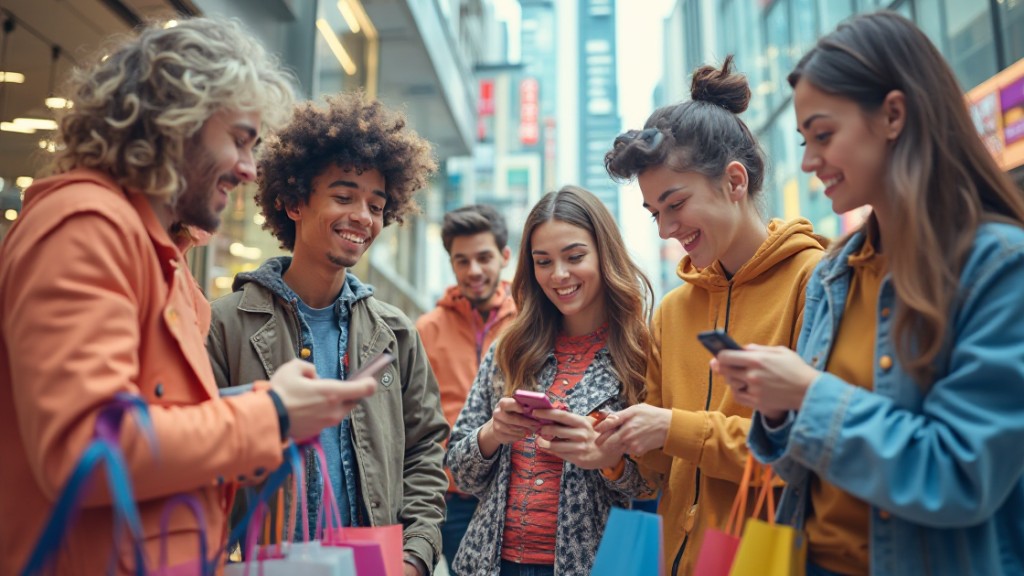
As social media continues to shape consumer habits, understanding its impact on Gen Z buying behavior is essential for brands. You need to adapt your marketing strategies to connect with this demographic effectively.
Here are key points to take into account:
- Over a quarter of Instagram discovers products through social media, so be present on platforms they frequent.
- Nearly 50% make purchases based on influencer recommendations, highlighting the need for partnerships with trusted voices.
- Instagram Shopping is a favorite; utilize its Shopping Bag feature to streamline purchases.
- Engage with TikTok challenges and Instagram stories, as these formats resonate with Gen Z and drive decisions.
- About 43% plan to use social media for holiday gift discovery, so tailor your campaigns accordingly.
Why Personalization Matters to Gen Z Shoppers

Personalization speaks directly to Gen Z shoppers, making it a key strategy for brands aiming to connect with this audience. With 49% of Gen Z wanting customized products, you need to focus on individual preferences. Utilize data-driven insights, like tailored emails and AI recommendations, to enhance their shopping experience.
Here’s how to effectively engage this generation:
| Strategy | Impact on Gen Z |
|---|---|
| Customized products | 49% want personalization |
| AI-driven shopping support | 22% seek tech assistance |
| Personalized marketing | Influences nearly 50% |
| Gamified loyalty programs | Affects 24% purchasing |
How Gen Z Shops Across Channels

Understanding how Gen Z shops across channels is vital for brands looking to capture their attention and loyalty. This generation blends digital and physical shopping experiences, making it important to meet them where they are.
Here are key points to keep in mind:
- Nearly 50% of Gen Z teens and 59% of adults shop online weekly.
- They’re 16% more likely to utilize Instagram Shopping.
- Over a quarter discover new products through social media.
- 61% prefer finding new products in-store for tactile engagement.
- They favor a seamless omnichannel experience, combining both online and offline interactions.
To effectively engage Gen Z, make sure your online platforms are user-friendly and visually appealing.
Invest in social media marketing to showcase products, and maintain a strong in-store presence, allowing them to touch and feel items.
Why Influencers Matter in Gen Z Purchases

Influencers play an essential role in shaping Gen Z‘s buying habits, and leveraging their impact can greatly boost your brand’s visibility and sales. Start by identifying influencers who resonate with your target audience.
Over 50% of TikTok explore brands on social media, with 31% preferring vlogs for brand insights, so focus on platforms like Instagram and authentic, relatable content that showcases your products.
Nearly 50% of Gen Z have bought items based on influencer recommendations, highlighting their trust in these figures over traditional ads. Use this to your advantage—feature influencers in campaigns that emphasize their genuine experiences with your products.
Finally, remember that Gen Z values organic content. Encourage influencers to share their honest opinions and engage with their followers through stories or challenges. This authentic approach enhances engagement and drives purchasing behavior, positioning your brand favorably within this demographic.
Effective Strategies for Engaging Gen Z Consumers

To effectively engage Gen Z consumers, you need to focus on authentic brand interactions and personalized shopping experiences.
Start by leveraging social media platforms where they spend their time, using genuine content and influencer partnerships to build trust.
Additionally, consider offering customization options and flexible payment plans to meet their expectations for tailored solutions and financial flexibility.
Authentic Brand Engagement
Brands need to engage Gen Z authentically to succeed in today’s market. To connect with this generation, focus on genuine interactions that align with their values.
Here are some effective strategies:
- Showcase your commitment to social responsibility, emphasizing sustainability and diversity.
- Use authentic storytelling, sharing behind-the-scenes content to build trust.
- Leverage influencer marketing, as peer recommendations strongly influence their purchases.
- Implement gamification in loyalty programs to make engagement fun and interactive.
- Offer personalized experiences, such as tailored recommendations, to create stronger connections.
2. Personalized Shopping Experiences
Engaging Gen Z consumers requires a focus on personalized shopping experiences that resonate with their individuality. Start by leveraging data-driven insights to create tailored emails and AI-driven product recommendations. This approach can greatly enhance connections with your Gen Z audience.
Next, implement loyalty programs that incorporate gamification elements; studies show this influences 24% of their purchasing decisions. Additionally, make sure your brand offers omnichannel shopping experiences, blending online and offline interactions for seamless engagement.
Finally, use authentic storytelling and behind-the-scenes content to personalize your messaging, building trust and brand loyalty. By focusing on these strategies, you’ll create a shopping experience that not only meets but exceeds Gen Z’s expectations, encouraging them to engage with your brand.
3. Social Media Integration
Social media plays an essential role in reaching Gen Z consumers, with over 25% discovering products on these platforms.
To effectively engage this audience, consider these strategies:
- Leverage influencer partnerships to tap into their trust and credibility.
- Utilize Instagram Shopping for seamless purchasing experiences, as Gen Z prefers it.
- Create interactive content, like polls or challenges, to boost engagement.
- Incorporate gamified elements in your marketing, appealing to their competitive nature.
- Be present on platforms like TikTok, where they seek inspiration and connection.
Frequently Asked Questions

What Role Does Sustainability Play in Gen Z Purchasing Decisions?
Sustainability plays a huge role in your purchasing decisions. When you shop, look for brands that prioritize eco-friendly materials and practices.
Check labels for certifications like Fair Trade or organic. Support companies that use minimal packaging and offer recycling programs.
Engage with brands on social media to see their commitment to sustainability. When you make informed choices, you not only help the planet but also align with your values and connect with like-minded brands.
How Do Gen Z Consumers Define Brand Loyalty?
Gen Z defines brand loyalty as a connection based on values, transparency, and engagement.
To build this loyalty, focus on authentic communication and social responsibility. Use social media to interact with them directly, sharing your brand’s mission and values.
Offer personalized experiences and guarantee high-quality products. Encourage feedback and show you value their opinions.
This creates a sense of community, making them more likely to stay loyal to your brand over time.
What Influences Gen Z’s Preference for In-Store Shopping?
Gen Z’s preference for in-store shopping is influenced by the desire for immediate gratification, social interaction, and brand experiences.
To cater to this, offer engaging in-store events or personalized shopping experiences. Make sure your store layout is inviting and interactive, allowing them to explore products.
Additionally, highlight exclusive in-store promotions.
Finally, create an atmosphere that encourages social sharing, making their shopping trip more enjoyable and memorable.
[embedded content]
How Does Peer Feedback Impact Gen Z Buying Choices?
Peer feedback greatly impacts your buying choices. When you’re considering a product, check social media reviews or ask friends for their opinions.
Positive feedback can boost your confidence in a purchase, while negative comments might make you rethink it. To make informed decisions, gather input from multiple sources, like online forums or group chats.
This way, you’ll feel more secure in your choices and align your purchases with what your peers value.
What Are the Most Popular Product Categories Among Gen Z Shoppers?
Gen Z shoppers often gravitate toward fashion, tech, and beauty products.
To tap into this market, focus on trendy clothing, innovative gadgets, and skincare essentials.
Use social media for promotion, showcasing how your products fit into their lifestyles.
Collaborate with influencers they trust, as this boosts credibility.
Additionally, prioritize sustainability—Gen Z values brands that support eco-friendly practices.
Understanding these preferences can help you tailor your offerings effectively and increase engagement.
Conclusion

To effectively engage Gen Z consumers, focus on authenticity and ethics in your brand messaging. Guarantee your pricing is competitive, offer personalized experiences, and leverage social media, especially influencer partnerships, to reach them. Create interactive content to boost engagement and provide seamless shopping experiences across all channels. By aligning your values with theirs and prioritizing transparency, you can build loyalty and encourage brand-switching when necessary. Adapt your strategies to meet their unique preferences for lasting impact.
Image via Google Gemini and ArtSmart