
This post was originally published on this site.
Has Harry’s war with the press finally run out of road?
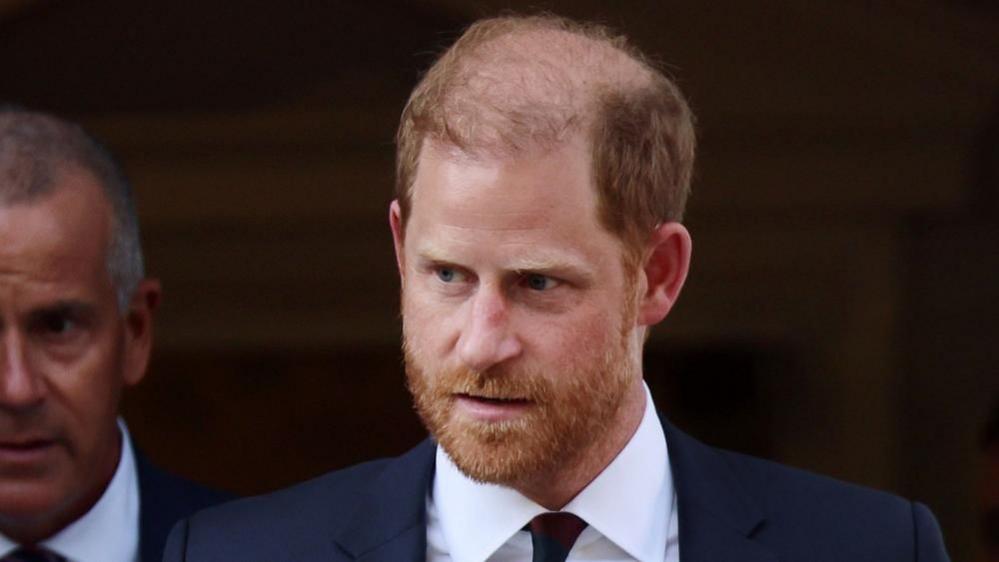 Image source, EPA/Shutterstock
-
Published
These are the dying days of what has become known as the “hacking scandal”.
The latest judge to grapple with sprawling allegations of wrongdoing at newspapers has handed down a devastating verdict on the evidence presented by the Duke of Sussex and his co-claimants.
Judge Mr Justice Nicklin found the group had failed to prove the allegations of unlawful information gathering they made against Associated Newspapers, the publisher of the Daily Mail and Mail on Sunday.
The publisher’s defence that there was no wrongdoing was vindicated.
Dozens of journalists have been believed over their accusers. They include veteran Daily Mail crime correspondent, Stephen Wright, who told the court he was “devastated” by the allegation he targeted Baroness Doreen Lawrence with surveillance worthy of a police inquiry.
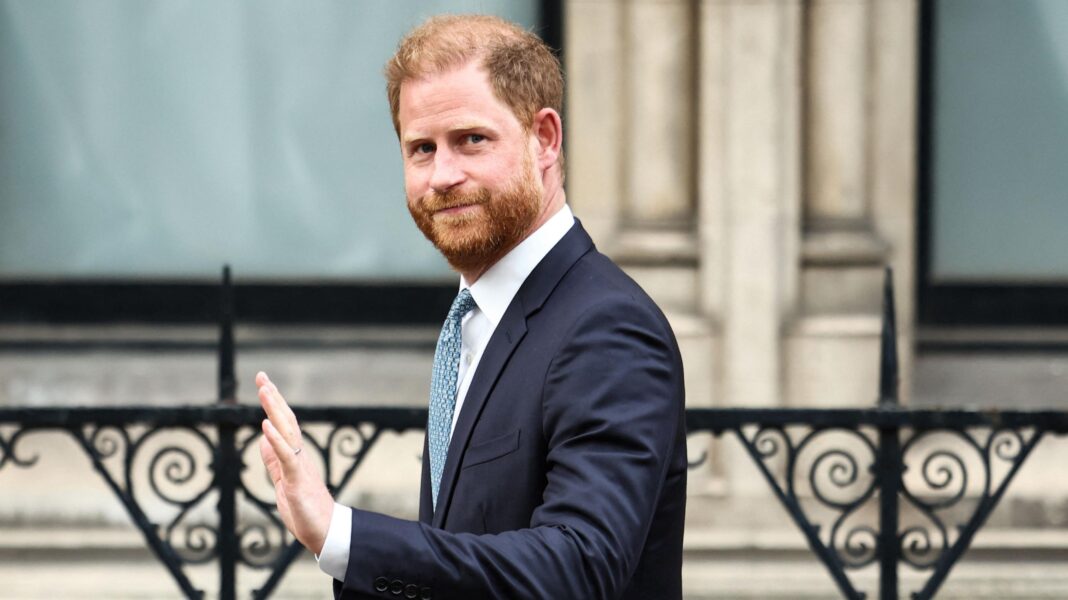
In a joint statement released shortly after the ruling, Prince Harry and Baroness Lawrence called the decision a “whitewash”. The prince’s lawyers have not yet mentioned an appeal.
A long battle
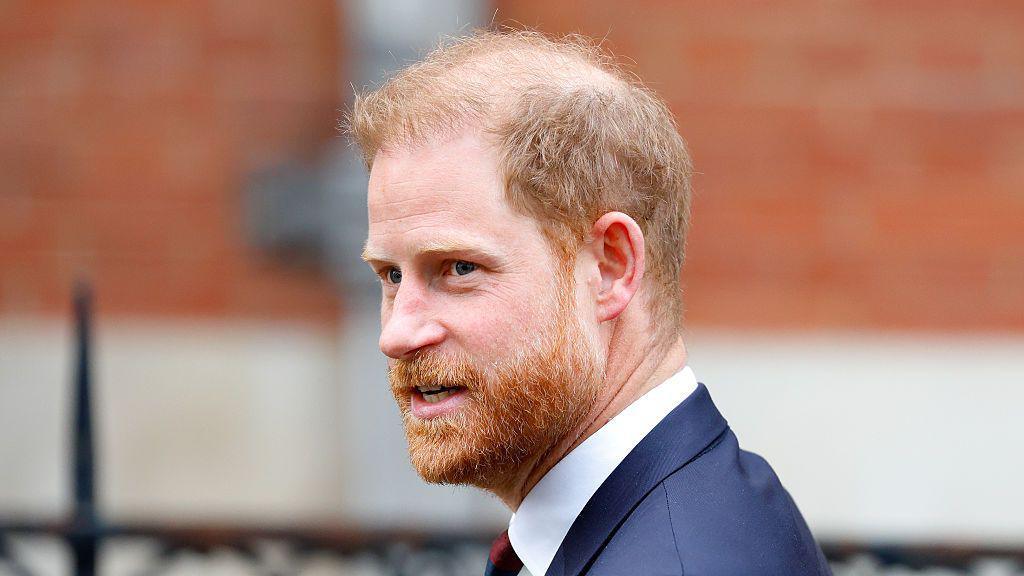
Prince Harry has been part of the saga right from the start.
His was among the royal phones that police discovered had been hacked by the private investigator Glenn Mulcaire way back in 2007, resulting in Mulcaire’s conviction, and that of the News of the World Royal Correspondent Clive Goodman.
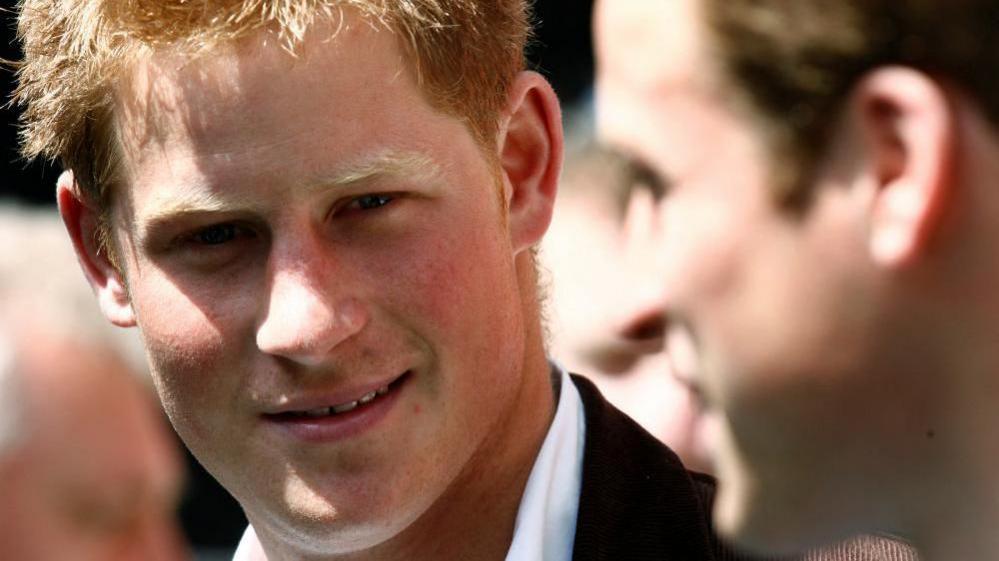 Image source, Reuters
That led to a 2009 Guardian newspaper investigation into whether other phones had been hacked. The paper said that many had, including a private investigator hacking into a phone belonging to the murdered teenager Milly Dowler, for a News of the World story.
The News of the World was shut down. Its senior journalists and editor Andy Coulson were convicted in a criminal trial in 2014.
After that, lawyers launched wave upon wave of civil claims against News Group (The News of the World and the Sun) and Mirror Group Newspapers (the Daily and Sunday Mirror).
Settling out of court cost the newspapers hundreds of millions of pounds – and endless apologies.
It is clear by now that some newspapers had used unlawful information gathering techniques, or commissioned them, on an industrial scale.
Well-known people and their less well-known friends and relatives were subject to weekly breaches of privacy.
Prince Harry had been advised by the Palace not to get involved. He stayed out of it until he met David Sherborne, the sharp-suited and dogged barrister who led his claims against the three big publishers.
The prince changed his strategy and went to court, giving evidence himself, sometimes tearful, always angry, in the witness box. His celebrity status kept the scandal in the headlines more than a decade after it had begun.
He was joined by several other high-profile names, including actors Elizabeth Hurley and Sadie Frost, singer Sir Elton John and his husband David Furnish, former Liberal Democrat minister Sir Simon Hughes, and Baroness Lawrence, whose son Stephen was murdered in 1993.
In previous legal battles, Harry beat the Mirror Group in court, and the News Group out of court, forcing a settlement, damages, payout and apology. But Associated News proved to be a bridge too far.
Harder to win
The publisher had insisted on oath at the 2011 Leveson Inquiry into press standards that there had been no wrongdoing at its newspapers.
An all-or-nothing defence, its opponents said, made Associated Newspapers vulnerable to the discovery of even the smallest amount of evidence of unlawful activities. As it turned out, there was not even that.
Other law firms were watching the case closely to inform their own approach to taking on Associated Newspapers.
The BBC has been told potential claimants included “the usual suspects” who had won cases against other newspapers, as well as one public figure linked to the royal family.
Whether those legal actions will continue in light of Tuesday’s ruling remains to be seen.
But it seems the 20-year history of this type of claim must surely be coming to an end.
The Associated Newspapers case was different from what went before in several ways.
The judge made it harder for the claimants to win by insisting they prove conclusively that every newspaper story was obtained unlawfully, rather than allowing “generic evidence” about the “propensity” of journalists to break the rules.
The evidence was also gathered in questionable ways, the judge found.
Some crucial documents and witnesses were obtained in return for money by Graham Johnson, a former phone-hacking journalist turned campaigner for press standards.
He paid private investigators for information, telling the BBC this week that this was so he could write online news stories about the scandal. The use of the information for evidence came later.
This was “unconvincing”, the judge found. He decided that Johnson knew his work was both for the purposes of journalism and winning a court case.
One of those paid, the private investigator Gavin Burrows, seemed to have entered two statements. One said he carried out widespread unlawful activities for the Mail newspapers, and another said that he had done nothing of the sort.
For the judge, the statements cancelled each other out, and he decided he could not rely on what Burrows said.
Baroness Lawrence on board
Then there is the turn of events which brought Baroness Lawrence into the fray.
The respected mother of Stephen, murdered by racist teenagers in South London in the 1990s, told the BBC Prince Harry and his lawyers came to her with potential evidence and suggested she join the legal battle.
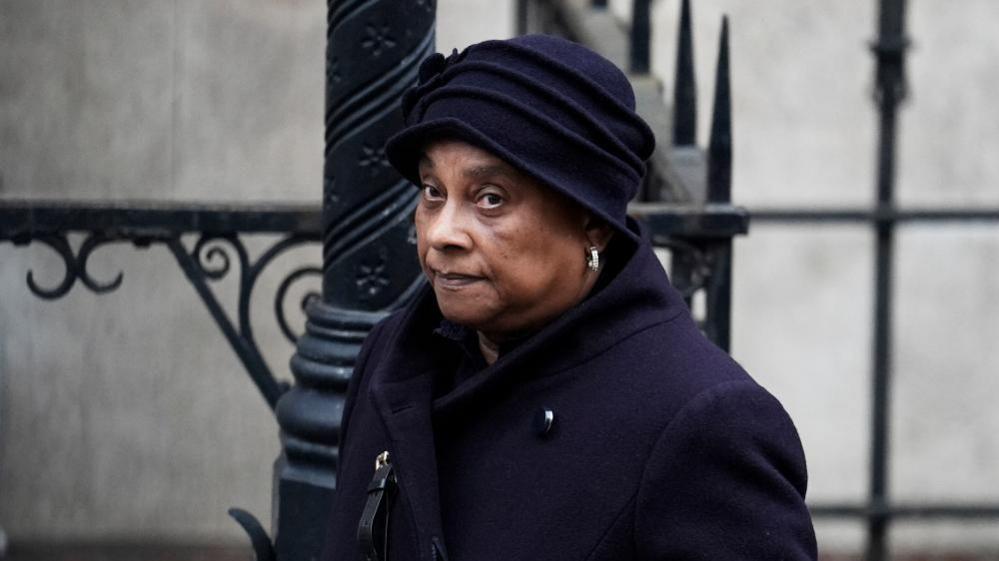 Image source, PA
Johnson, who is close to her legal team, has insisted Baroness Lawrence would not have been talked into taking part by “hotshot lawyers”.
The Daily Mail editor Paul Dacre said in a Tuesday video statement: “Why Baroness Lawrence, for whom we have always had profound respect and sympathy, chose to turn on the paper and the brilliant reporter who campaigned for justice for her son for over two decades is something I will never understand.”
In general, he said the case “raises profoundly disturbing questions about the conduct of elements of the legal profession”.
The Mail has a loud media voice, capable of continuing to ask those questions, and it is likely that in these final days of the saga, the dust may take a while to settle.
-
-
Published17 hours ago
-
-
-
Published18 January
-