

This post was originally published on this site.
Late goals, comebacks and upsets – is record-breaking World Cup best ever?
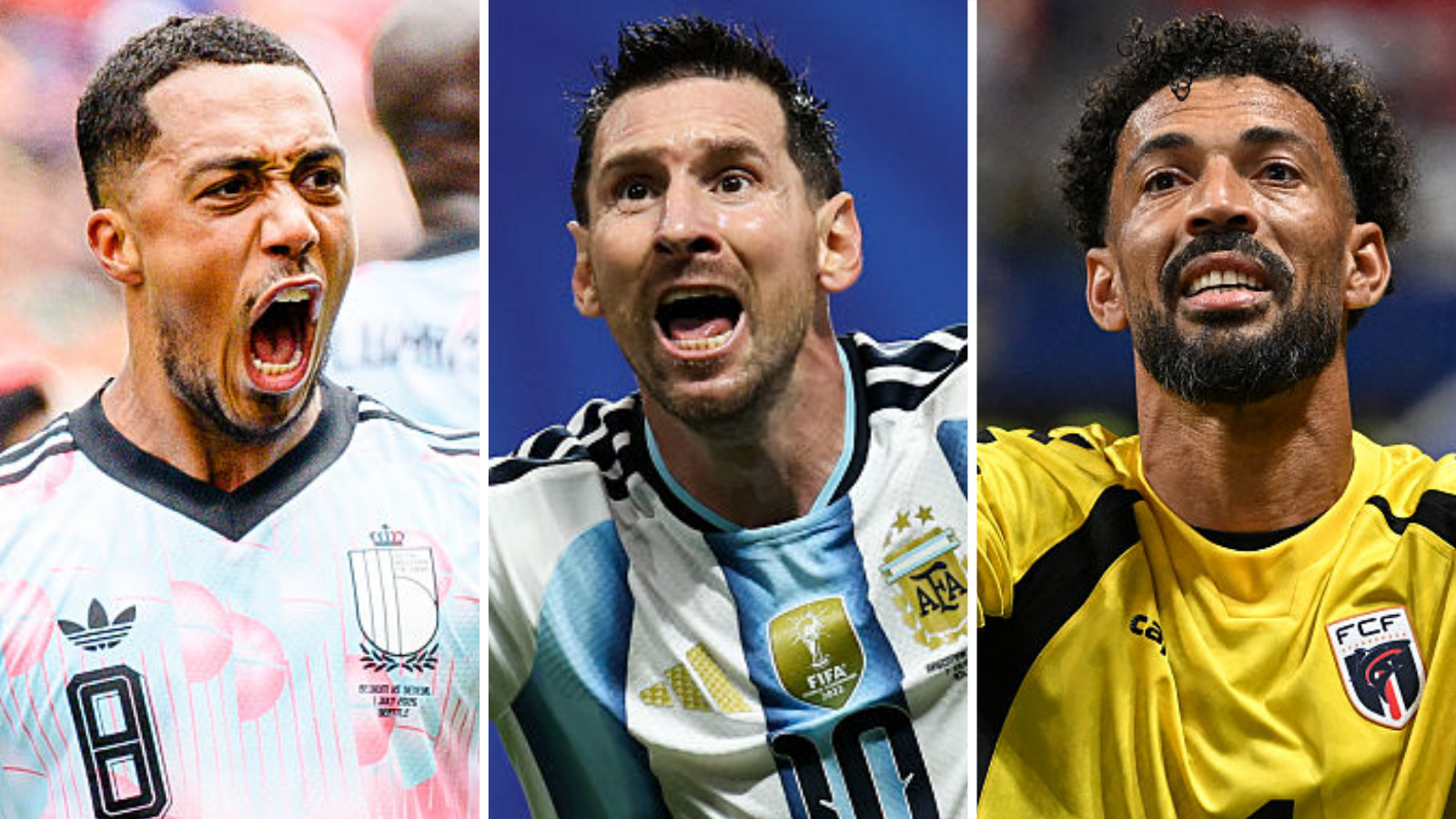 Image source, Getty Images
-
Published
Great goals, thrilling comebacks, late drama, shock results – what a World Cup it has been.
The quarter-finals start on Thursday, with eight games left in this summer’s football festival.
Featuring 48 nations for the first time and held in three countries, there is no doubt the World Cup in Canada, Mexico and the United States has been the biggest of the 23 staged.
But has it been the best?
Obviously, that is subjective and World Cups will mean different things to different people – some will regard their first competition as the best or maybe it depends on how far your nation has gone.
However, the stats suggest this tournament, on the pitch at least, will compare favourably.
Any World Cup needs plenty of excitement – and that is what we have had.
From 96 of 104 matches, we have seen 280 goals. That is 2.92 goals per game, the best since 1970 in Mexico when 95 goals were scored in 32 games, an average of 2.97 per match.
By comparison, 2.69 goals per game came at Qatar 2022, 2.64 in Russia in 2018, 2.67 in Brazil in 2014 and 2.27 in South Africa in 2010. The highest scoring game has been Germany’s 7-1 win over Curacao, but there have been six goals in another seven matches and five in a further 13.
Another sign of attacking football is that 74.6% of goals have come from open play, among the highest proportions recorded in World Cup history, with just 5% of goals coming from penalties – the lowest percentage on record.
Exciting matches in excellent atmospheres
To play this video you need to enable JavaScript in your browser.
This video can not be played
The number of late goals is also making it thrilling.
Of 24 knockout ties, eight have seen a winning goal scored after the 85th minute, while Argentina needed extra-time to see off underdogs Cape Verde and four matches have gone to penalty shootouts.
In fact, Enzo Fernandez’s winner against Egypt was the 10th 90th-minute winning goal of the tournament, already a World Cup record.
In July alone we have seen at least three World Cup classics, with Belgium, Argentina and England gaining 3-2 wins over Senegal, Egypt and Mexico respectively.
Belgium and Argentina both fought back from two goals down late on for their wins, the first time since 1970 when such deficits have been overturned more than once in a tournament.
England’s victory came despite playing for 40 minutes with 10 men – after Jarell Quansah was sent off – and then holding on in an intense atmosphere at Mexico’s legendary Azteca Stadium.
There have actually been eight goalless draws in this tournament, which is a World Cup record. But is this necessarily a bad thing – or is it a sign of competitive balance?
-
Are Argentina being treated favourably at World Cup?
-
Published14 hours ago
-
-
A Golden Boot race for the ages – but who will come out on top?
-
Published13 hours ago
-
The fans have turned up, as have the big names
To play this video you need to enable JavaScript in your browser.
This video can not be played
There were understandable concerns at what the matches would be like. Ticket prices at eye-watering levels, with supporters having to travel hundreds or thousands of miles to watch their next tie left many fearing poor atmospheres at games, played in front of thousands of empty seats.
That has not been the case.
Fifa, heavily criticised for the high ticket prices, say 99.7% of available seats have been filled. That is more than 4.4m people attending the group games, with that figure currently at 6.2m after the opening two knockout phases.
That puts the average attendance at just over 65,000 per match, trailing only to 1994 – held in the US – which saw just under 69,000 at each game.
It is not just the fans that have turned up, but the big-name players too.
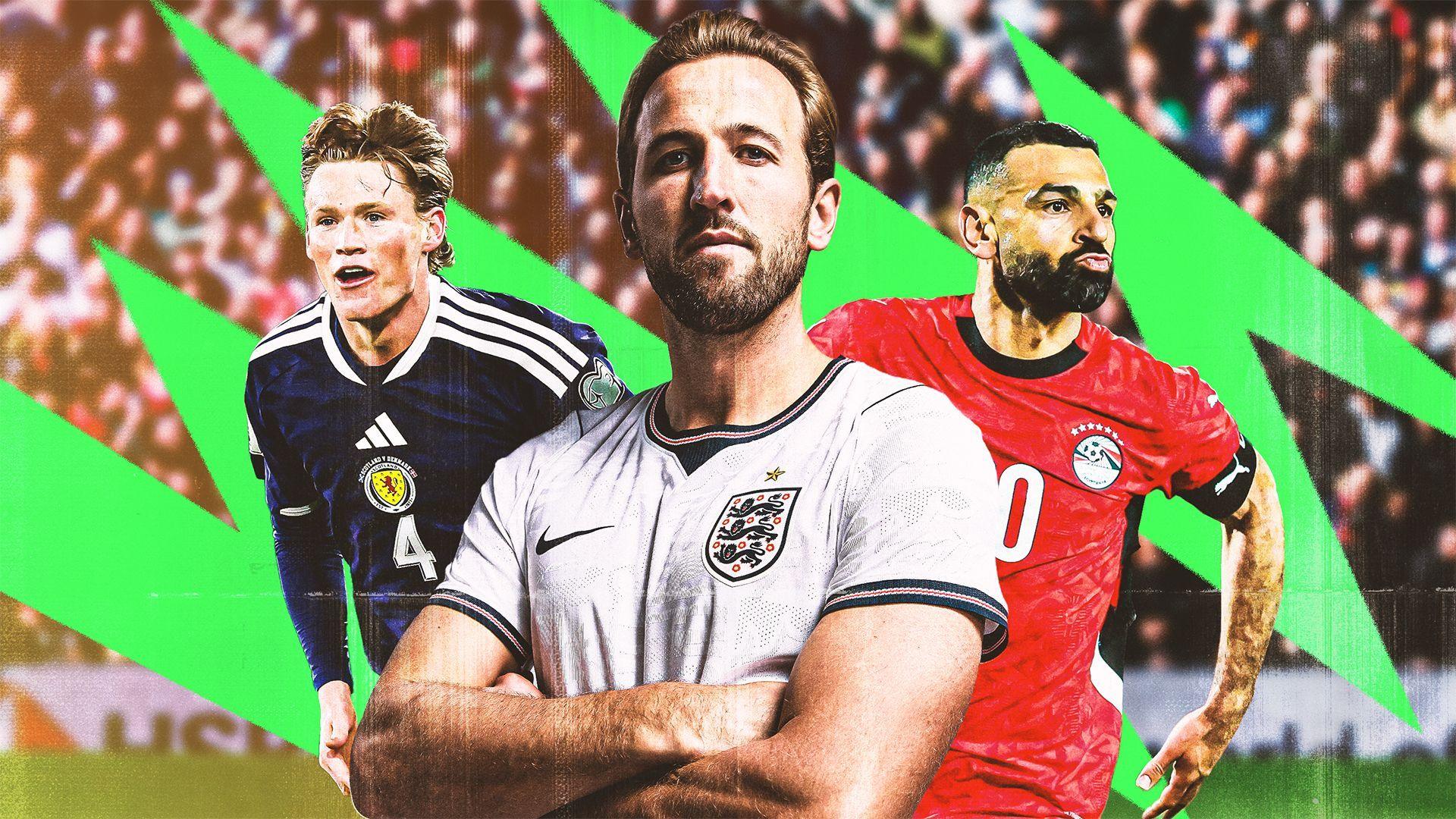
We have a Golden Boot race for the ages with four of the best players in the world in contention. Argentina’s Lionel Messi is on eight goals, France’s Kylian Mbappe and Norway’s Erling Haaland on seven apiece, with England’s Harry Kane on six.
It is the first time in World Cup history that three players have scored seven or more goals at the same tournament.
With 48 nations appearing, there were worries of massively one-sided clashes, although the underdogs have provided some of the best stories.
The Caribbean island of Curacao, the smallest nation to qualify for a World Cup, responded from their 7-1 thrashing by Germany by drawing with Ecuador, while Qatar’s campaign included a 6-0 loss to Canada, but also a 1-1 draw with quarter-finalists Switzerland.
Meanwhile, Cape Verde, with 40 year-old Vozinha in goal, produced one of the greatest underdog stories in World Cup history, drawing with Spain, Uruguay and Saudi Arabia to reach the last 32, where they gave holders Argentina a huge fright before losing 3-2 in extra time.
Costs, hydration breaks and political interference accusations
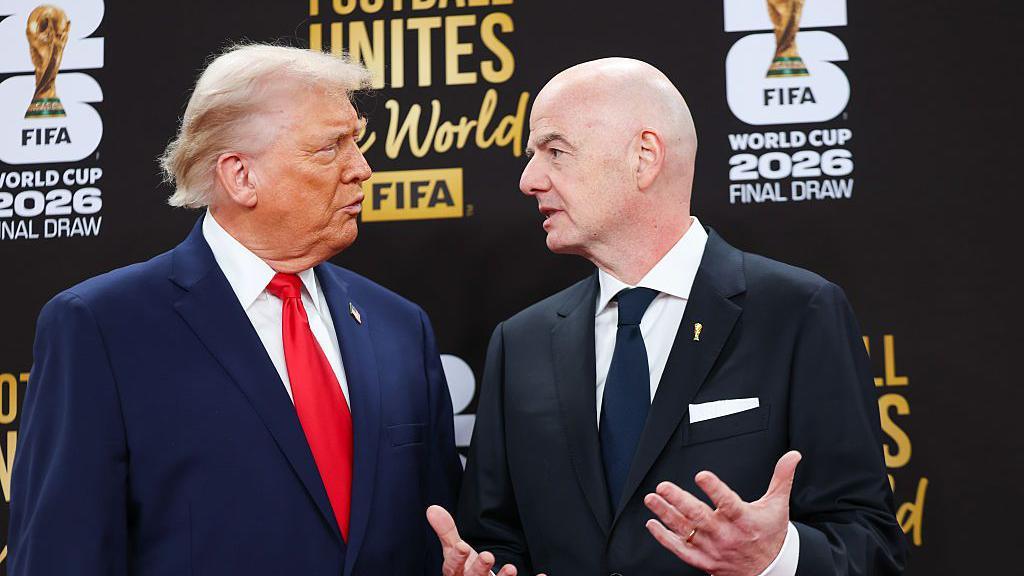 Image source, Getty Images
Despite the positives, there have been some huge controversies and negatives.
The costs of tickets, hotels and transport to games and around cities has stretched many fans’ budgets like no World Cup has done before.
Hydration breaks in each half have been accepted by fans when the conditions are extreme, but booed relentlessly when they have come in the rain or at air-conditioned stadiums with the roof closed.
For some the expanded tournament is just too long. Having started on 11 June, the final is not until 19 July and matches will have been played on all but four of those days.
The standard of refereeing has been questioned, as has the impact extra matches and travel will have on the players’ welfare. The Premier League starts on 21 August, just one month and two days after the final.
Also, the format meant there was a lack of jeopardy throughout most of the group phase, with only 16 of the 48 nations eliminated after the first section.
But the most worrying aspect has seen the spirit of fair play questioned.
American striker Folarin Balogun was sent off in the last-32 tie against Bosnia-Herzegovina. However, US President Donald Trump confirmed he phoned Fifa president Gianni Infantino to discuss the ban.
Balogun was able to play in the 4-1 last-16 loss to Belgium, with Fifa citing “article 27 of the Fifa disciplinary code” that enabled the implementation of the one-match ban to be “suspended for a probationary period of one year”.
There have been 189 red cards in the history of the World Cup, and only two players have not served a suspension, with Balogun the first not to since 1962 when Brazilian Garrincha avoided a ban because it was before automatic bans were in place and it was shrouded in allegations of political interference., external
Uefa, Belgium and England manager Thomas Tuchel were among those to be critical of the decision. The Belgian players later said it provided them with extra motivation.
Will the tournament get the thrilling finish it has deserved?
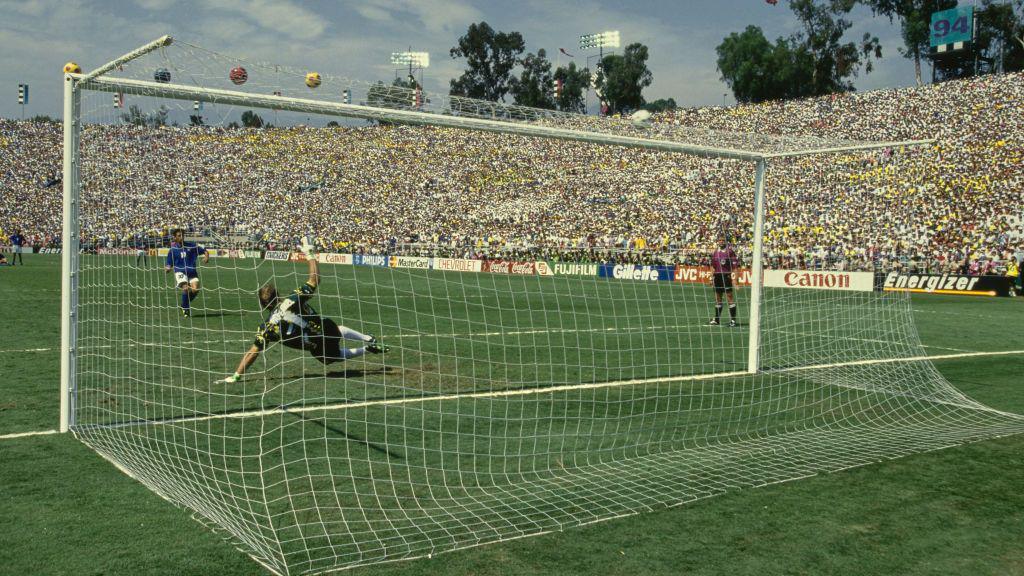 Image source, Getty Images
But overall, Fifa can view this tournament as a huge success, with thrilling matches played out in packed stadiums with brilliant fans from around the world doing what they could to make the atmospheres memorable.
With 10 days to go, expect more of the same, despite the inflated cost of tickets and the fact all three co-hosts are no longer in the tournament.
However, how a World Cup is viewed long term can largely be defined by what happens in the last few matches. Awful finals overshadowed the previous brilliance of Italia ’90 and USA ’94, while a sensational final in Qatar four years ago, helped lift how that tournament was perceived.
With the top four countries in the world rankings – Argentina, Spain, France and England – all going strong, and all in separate quarter-finals, some breathtaking matches from here on could cement this tournament as the best in history.
Whatever happens, just as the previous month has been, it will be unmissable.
Stats in this article were provided by BBC Sport’s Mohamed Moallim.
-
-
Published6 days ago

-
-
-
Published1 April
-