
This post was originally published on this site.
How cows are helping one of Britain’s rarest butterflies
To play this video you need to enable JavaScript in your browser.
This video can not be played
-
Published
With its brilliant orange wings and black markings, the high brown fritillary butterfly was once widespread in Wales and England.
But now it’s one of the rarest of all British butterflies, with it numbers declining by 62% since 1970.
One reason is its incredibly specific requirements to survive.
“They are the pickiest,” says Paul Dunn, who for more than 30 years has been working hard among the bracken of the Alun Valley at Old Castle Down, in the Vale of Glamorgan, to revive the butterfly’s fortunes.
And now, the volunteers have enlisted the help of a far more common animal, by allowing cows to graze on the site.
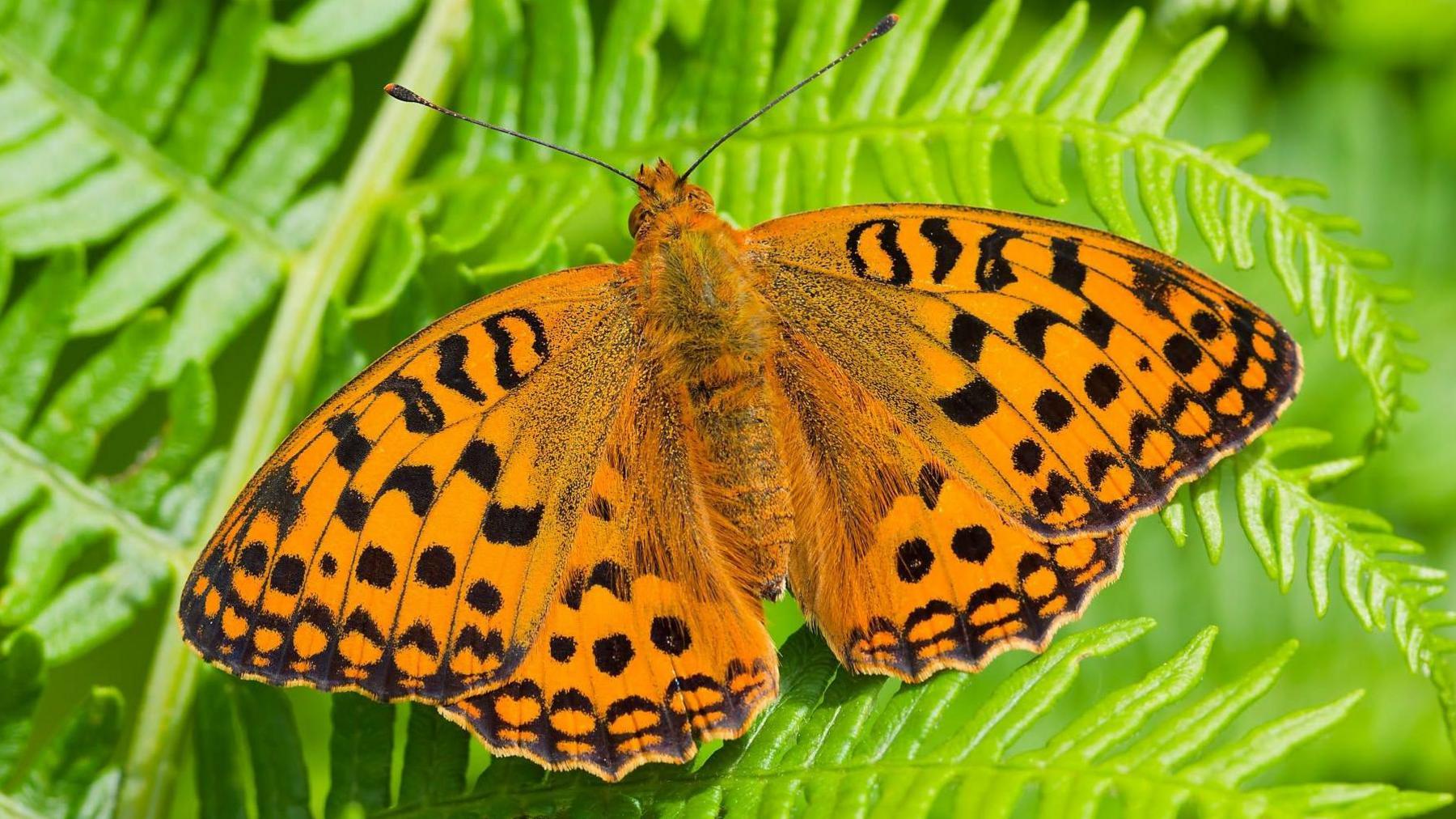 Image source, Paul Dunn
“Almost everywhere else in Britain it’s dying out and yet here we seem to be hanging on and doing very well. It’s very positive,” he said.
High browns need a delicate combination of bracken and common dog violet.
“Traditionally bracken was used as animal bedding, but less and less people use it now they can get straw,” says Richard Smith, who has been with Paul since the start, in 1993.
Too much bracken inhibits the growth of the dog violet, the food source for the caterpillars. But the plants also serves another purpose.
“It hasn’t been able to adapt its life cycle away from this need from a certain temperature on the ground. The cutting of the bracken is essential.”
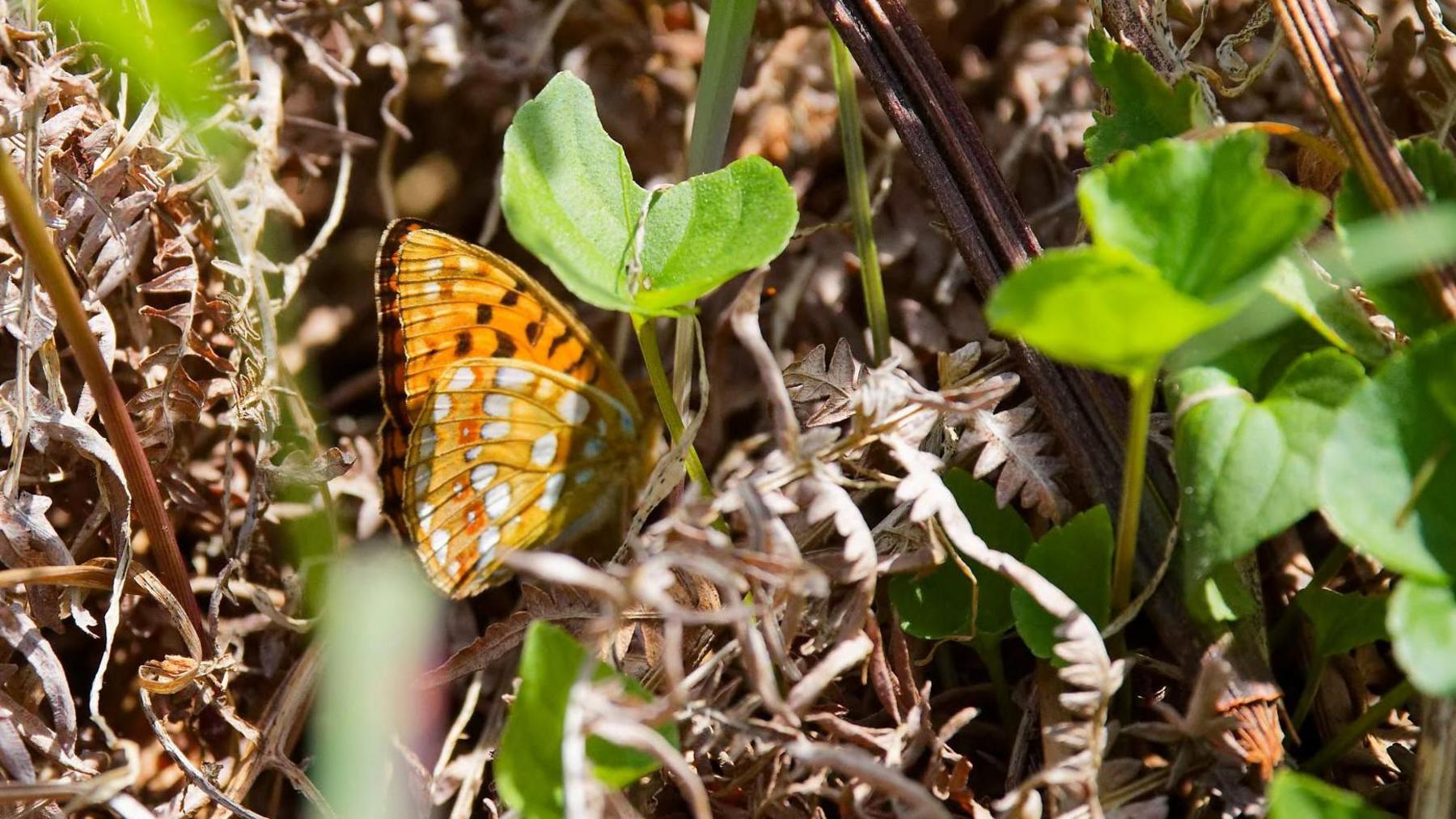 Image source, Paul Dunn
When this coarse fern is trimmed it is “litter”, the dead leaves on the floor that create a warmer ecosystem underneath which is essential for the growth of the high brown caterpillar.
The volunteers, over the years, have been hard at work coppicing – hard pruning the overgrown hedges – on this common land in order to create the specific ecosystem needed for the high brown’s survival.
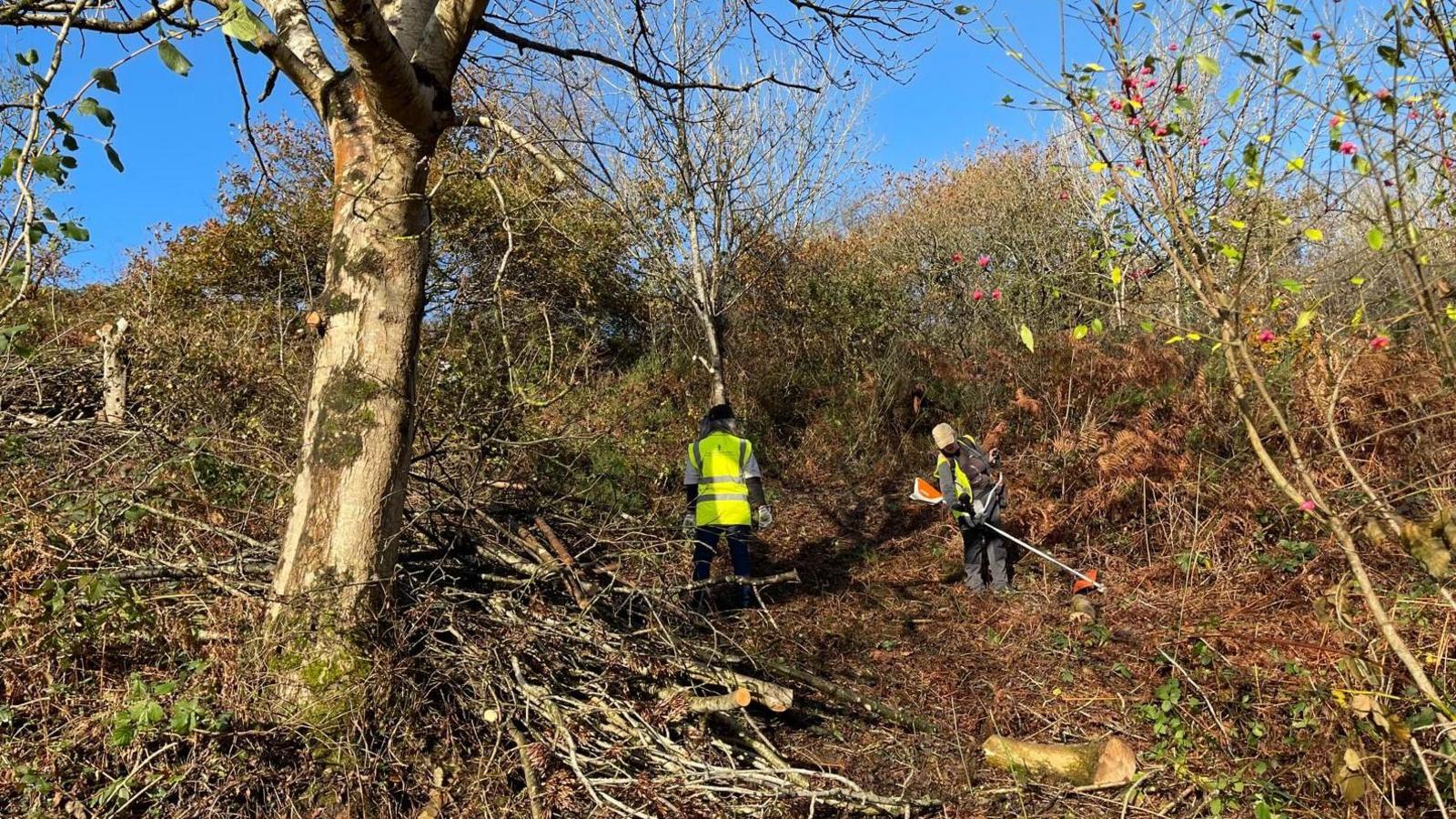 Image source, Butterfly Conservation
For the first time in more than half a century, the volunteers have for the past three years encouraged local commoners’ association members to graze their cows on the site, to help maintain the habitat.
“Cattle are great because they trample bracken without eliminating it and create an uneven ground structure which is also good as it creates little niches then where the temperatures can be higher than the surrounding area,” Smith said.
As this is common land there are no fences. So as part of National Lottery grant funding the team has secured solar-panelled collars for the cows to create a “no-fence grazing” perimeter to stop the cattle from leaving the land.
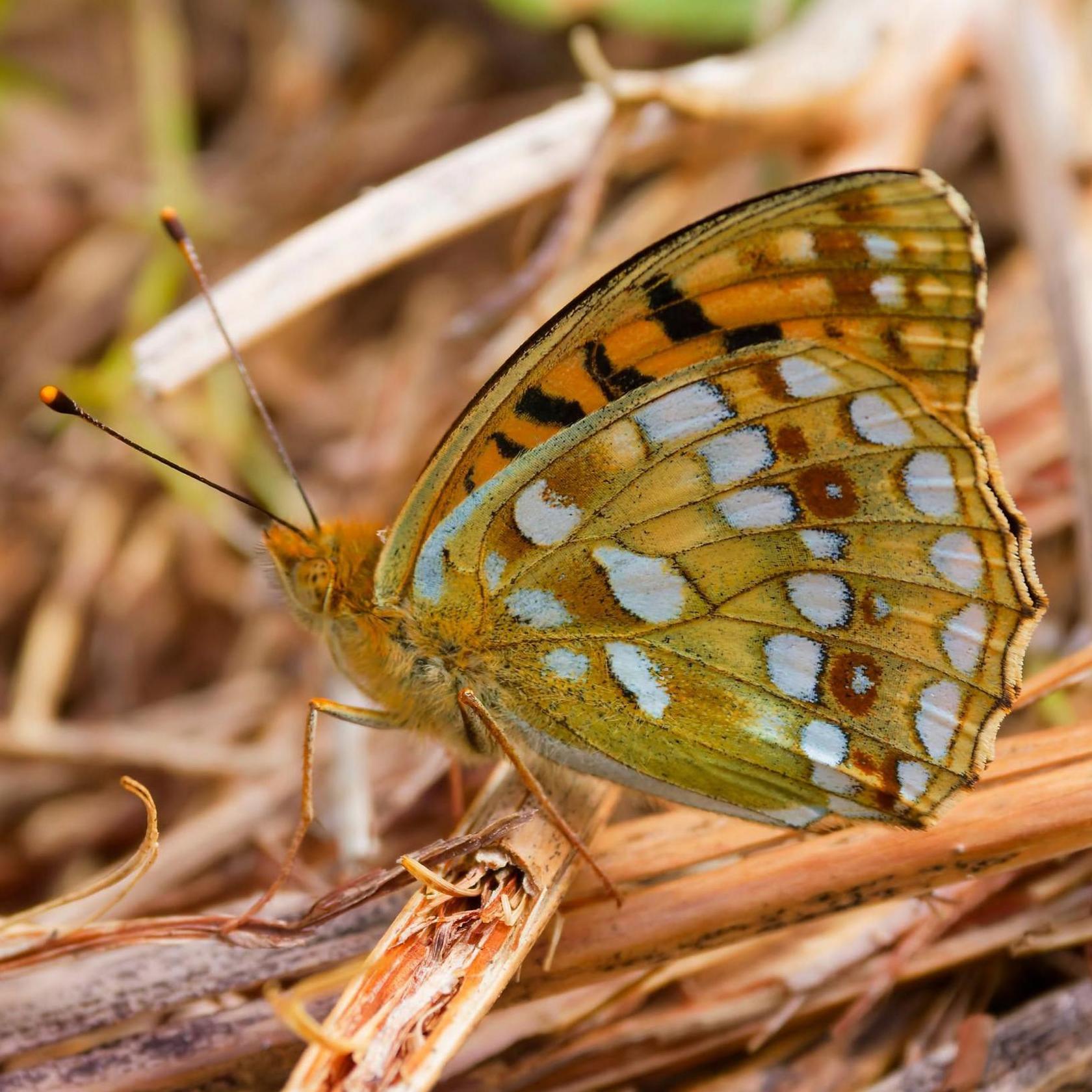 Image source, Paul Dunn
Yearly weather patterns can affect the high brown population, but overall their numbers have increased thanks to the efforts of the team, and their furry recruits.
Richard and Paul began this operation on their own, but the team has grown over the years from two to more than 40.
‘A beautiful obsession’
For the past 11 years, Dot Williams has become another integral part of the group.
“After my husband died I needed to get out and do something and I got involved with the Wildlife Trust, met Richard and Paul, and the Butterfly Conservation.
“We’re a social group – as well as the whole benefit of saving nature and working outdoors”.
The same evening I meet this enthusiastic team, they are holding their monthly curry club – and now the weather is dry, they feast on jalfrezi and poppadoms among the trees.
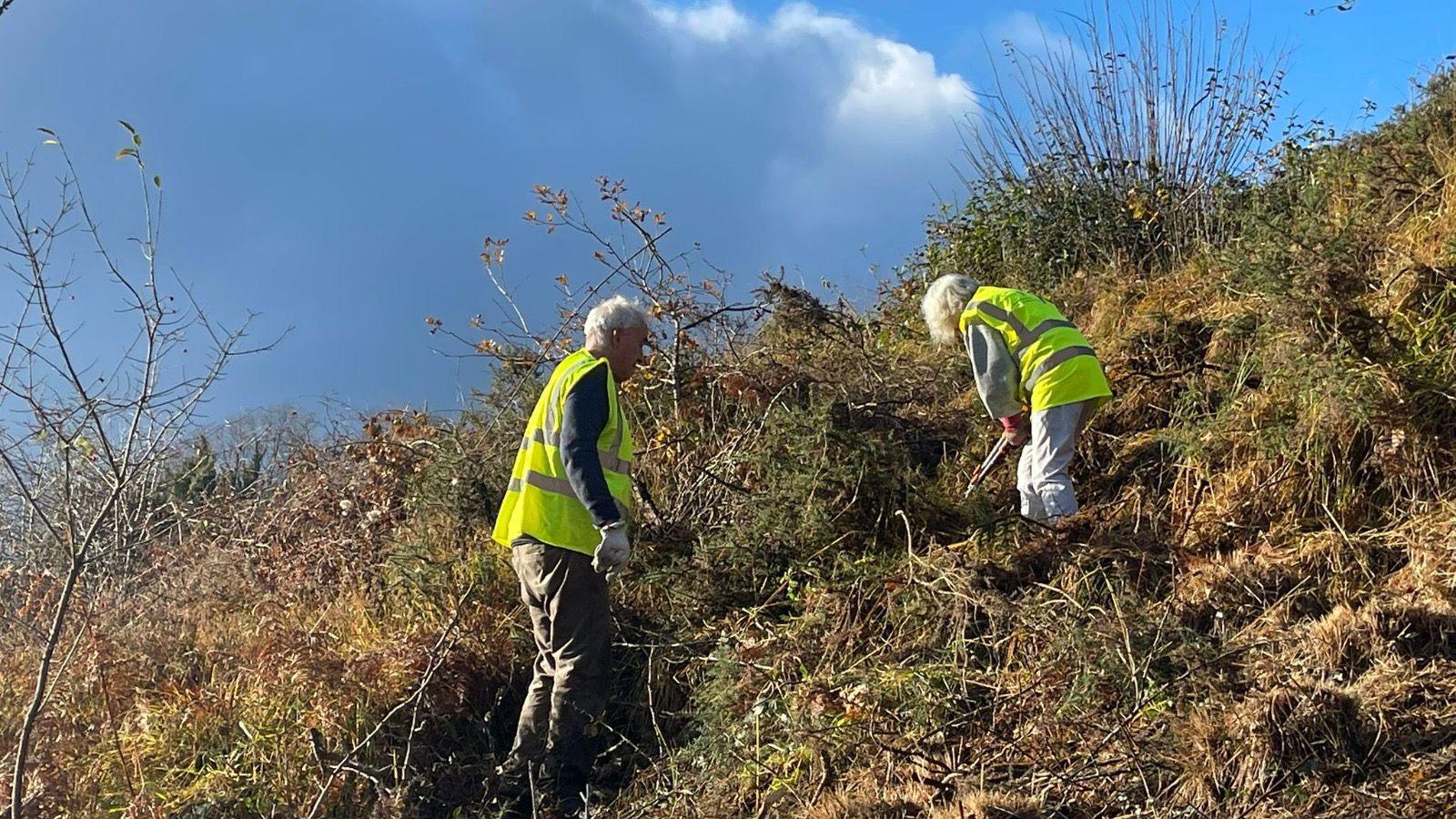 Image source, Butterfly Conservation
“It’s the butterflies that brought them together, but it’s grown into much more than that, it’s a community,” she says.
Over the past 10 years this small part of Wales has seen more than 37 species of butterflies, the high brown among them – and finally back on the rise.
So, after 33 years, for Paul, has all this volunteering all year around been worth?
“Fantastic, yes it’s become a beautiful obsession to be honest.”
More top stories
-
-
Published5 hours ago
-
-
-
Published12 hours ago
-
-
-
Published5 hours ago
-