
This post was originally published on this site.
How do England stop Norway – and Haaland?
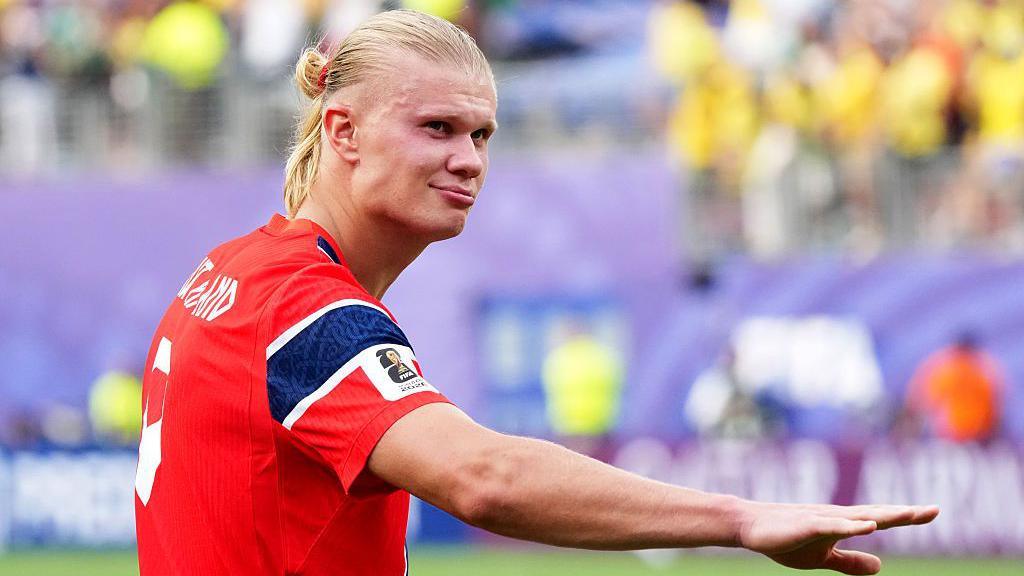 Image source, Getty Images
-
Published
Norway may have been touted by many as this World Cup’s dark horse, but their impressive progress still feels like they have exceeded expectations.
Since finishing second in Group I, above Senegal, they have knocked out Ivory Coast and Brazil, scoring 12 goals across five games.
Now they face England who are tasked with nullifying a strong Norway side spearheaded by star striker Erling Haaland.
So, what do Norway do best and what might England boss Thomas Tuchel look to tweak in order to see his side through to the final four of the World Cup?
The Haaland–Nyland dilemma
Norway boast attacking variety with Stale Solbakken’s men fluctuating between wanting to hold on to the ball and being able to attack quickly.
This is all downstream from their build-up play.
From goal-kicks, Orjan Nyland’s distribution has been excellent. Norway’s first instinct is to play short, often setting up with a wide back four and the keeper forming a fifth option, with two holding midfielders showing for the ball centrally.
With so many players deep, Norway often have an overload at the back making progressing up the pitch easier.
When short options are not viable, Nyland’s get-out-of-jail-free card is 6ft 5in Alexander Sorloth who Norway play on the right wing as a wide targetman for long diagonal balls.
This is something England left-back Nico O’Reilly will have to be alert to, but, given his 6ft 4in height and frame, this is a far more even match-up than Norway have experienced so far.
So how do you stop Norway’s varied build-up play?
There are a few options, but they come with trade-offs, as do all tactical approaches.
The most obvious answer is a man-to-man press across the pitch.
This is simple. It reduces their numerical advantage and the hope is, if Nyland goes long to Sorloth, O’Reilly is good enough to win the physical battle.
The problem is this tactic leaves somebody one against one with Haaland down the middle of the pitch, in space.
Most coaches, as a result, would probably want to have a spare man at the back, leaving two defenders around Haaland.
-
Guehi a doubt for Norway game and Rice ill with bug
-
Published20 hours ago
-
-
Mexico boss’ explicit heckle a bit of fun – Gordon
-
Published12 hours ago
-
How do you press Norway with two fewer players?
England’s options are then to either press with one fewer player than Norway have. In reality, Norway would actually have two players spare because their goalkeeper also gets involved in build-up.
The second option is to drop off and block space, but this has its own problems.
The first is the negative association around setting up too pragmatically, with Tuchel having built a side that identifies with a more front-footed approach.
The second tactical downside is that Norway, as we saw against Brazil, can spend long periods on the ball as a way to slow down the game, rest and defend on the ball, and frustrate their opponents.
Martin Odegaard, in his all-action role, is central to this – dropping deep, playing short passes that make it hard for opponents to get close to Norway once they are on the ball.
It can appear pointless but is an intelligent form of game management.
Therefore, it is more likely and perhaps beneficial if England apply some pressure, looking to coerce Norway into playing in a way they have prepared for.
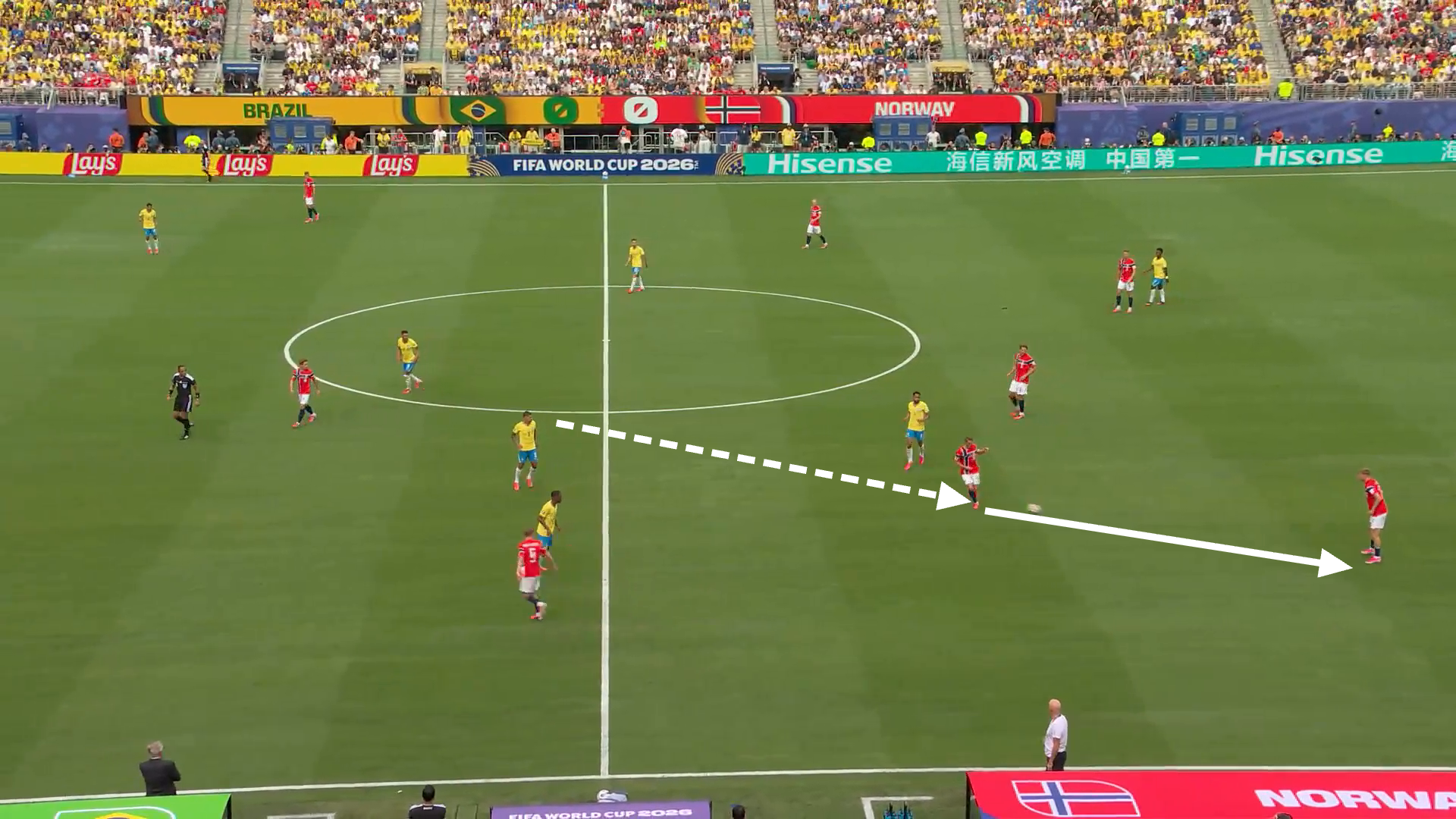
Brazil had some good ideas when Norway were building out from Nyland.
One player curved their run looking to cut off one side of the pitch, often looking to force the keeper to his left.
Wingers would be positioned ready to apply pressure to Norway’s full-backs and the two remaining central attackers were ready to press the holding midfielder or free centre-back.
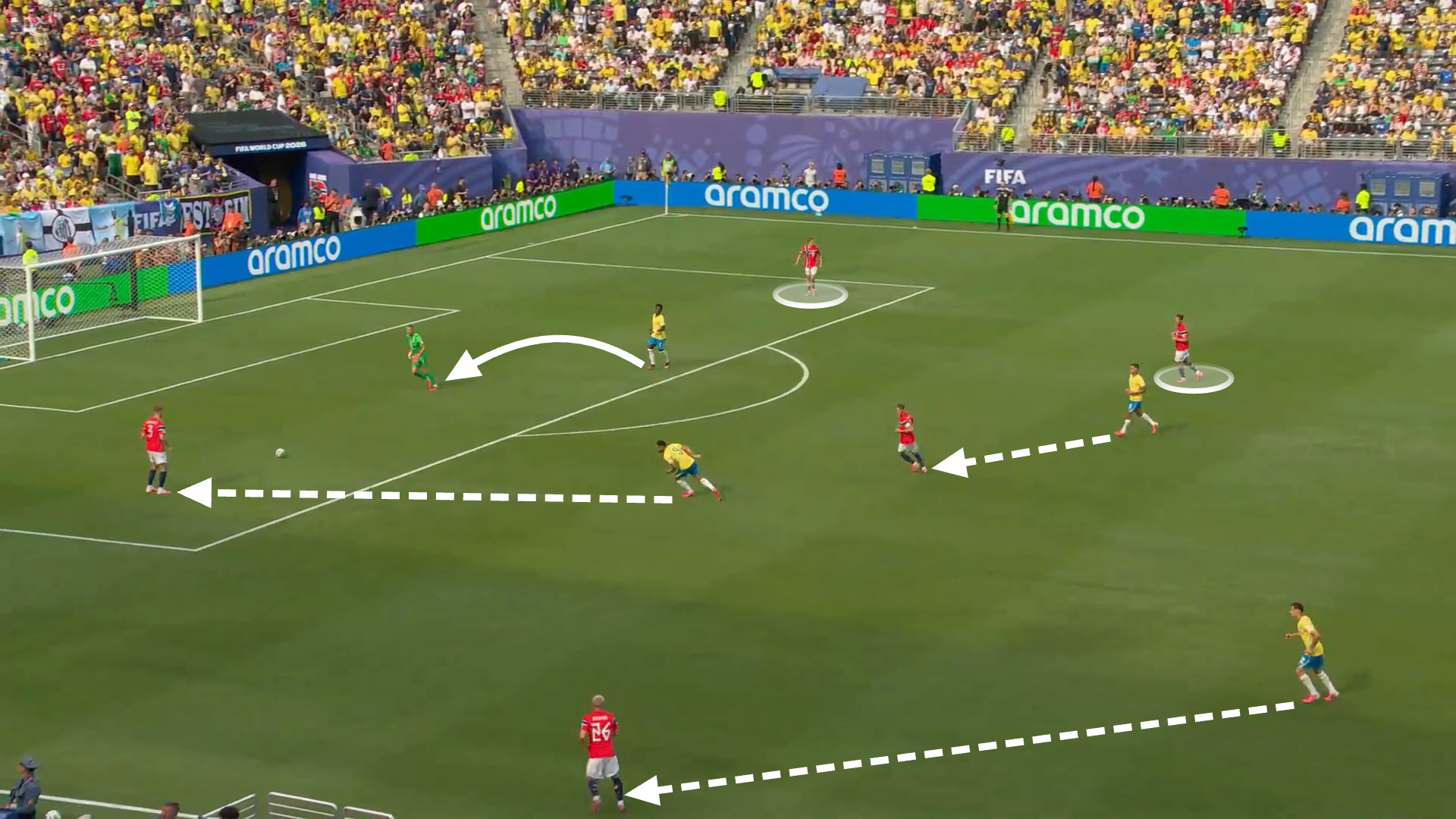
Even when Nyland was forced on to his weaker side, with minimal short-passing options, his left-footed long passing was good enough to reliably find Sorloth.
Knowing this is the option he would take here, it might be worth England forcing Norway into a longer pass, on his weaker left foot – as good as it is – while being ready to converge around the ball and win possession.
England, normally defending with a front two, will be outnumbered if they only press with Harry Kane and Jude Bellingham against Norway using three central players in build-up, like they were against DR Congo.
But if they push a midfielder high – possibly in the form of Declan Rice – they might be able create situations that, although chaotic, give them a better probability of playing on their own terms.
-
Norway’s Haaland says pressure is all on England
-
Published21 hours ago
-
-
Defying logic – how Haaland could end up with 260 international goals
-
Published30 June
-
How do England stop Haaland?
To stop Haaland, teams can either cut off his supply or deal with the man himself. The second option generally being a far tougher ask.
When Norway have the ball high up the pitch, their attack is focused on wide units and rotations, much like Tuchel’s England.
Antonio Nusa and Andreas Schjelderup take turns playing on the left wing and have serviced Haaland well. Space typically opens up for them following long underlapping runs from left-back David Moller Wolfe.
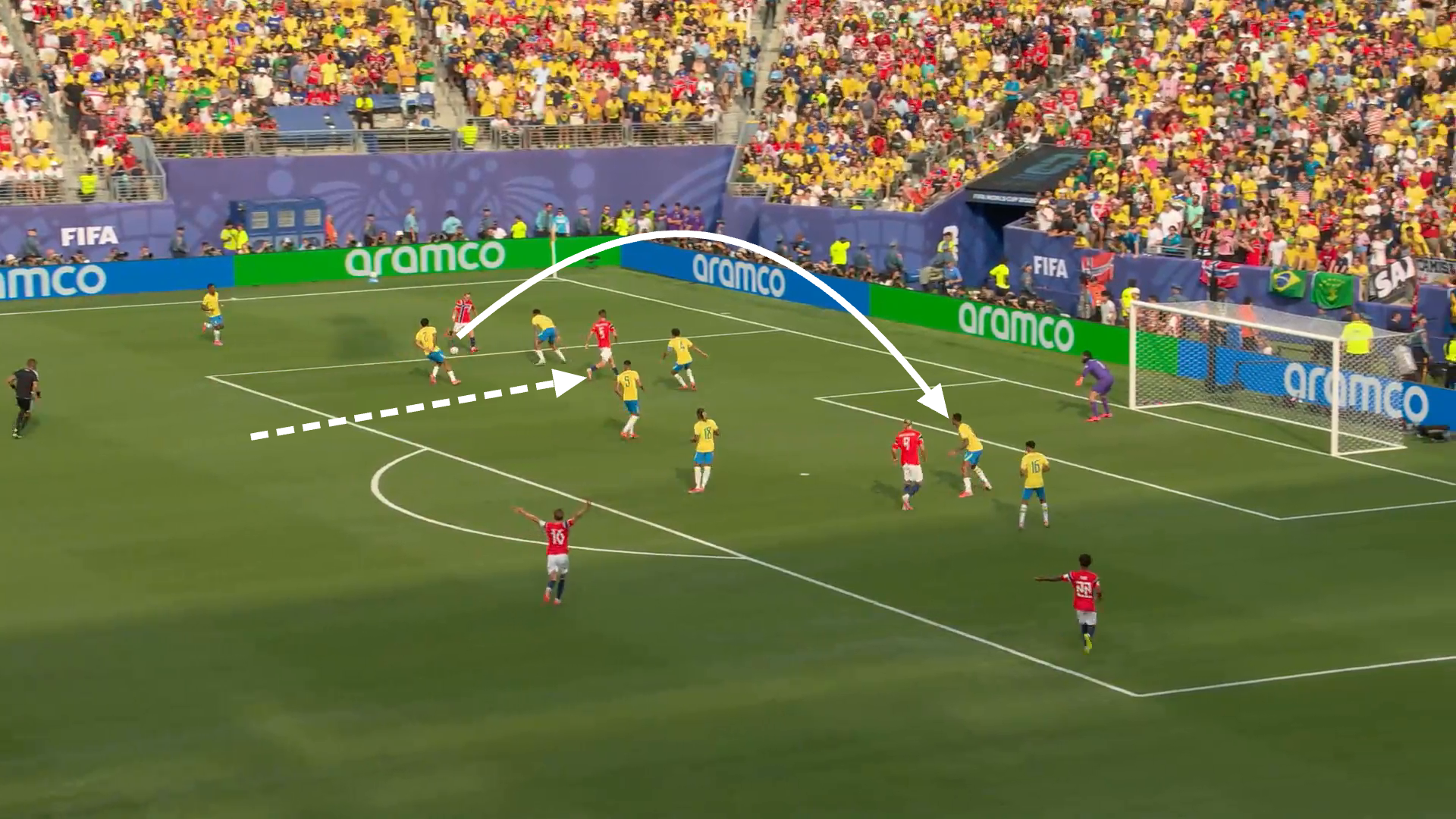
The benefit of these runs is two-fold.
The first is, if tracked, this run pulls opposition midfielders deeper, opening up space inside for the wingers to cut inside into.
A common method of chance creation is a deep in-swinging cross to the back post.
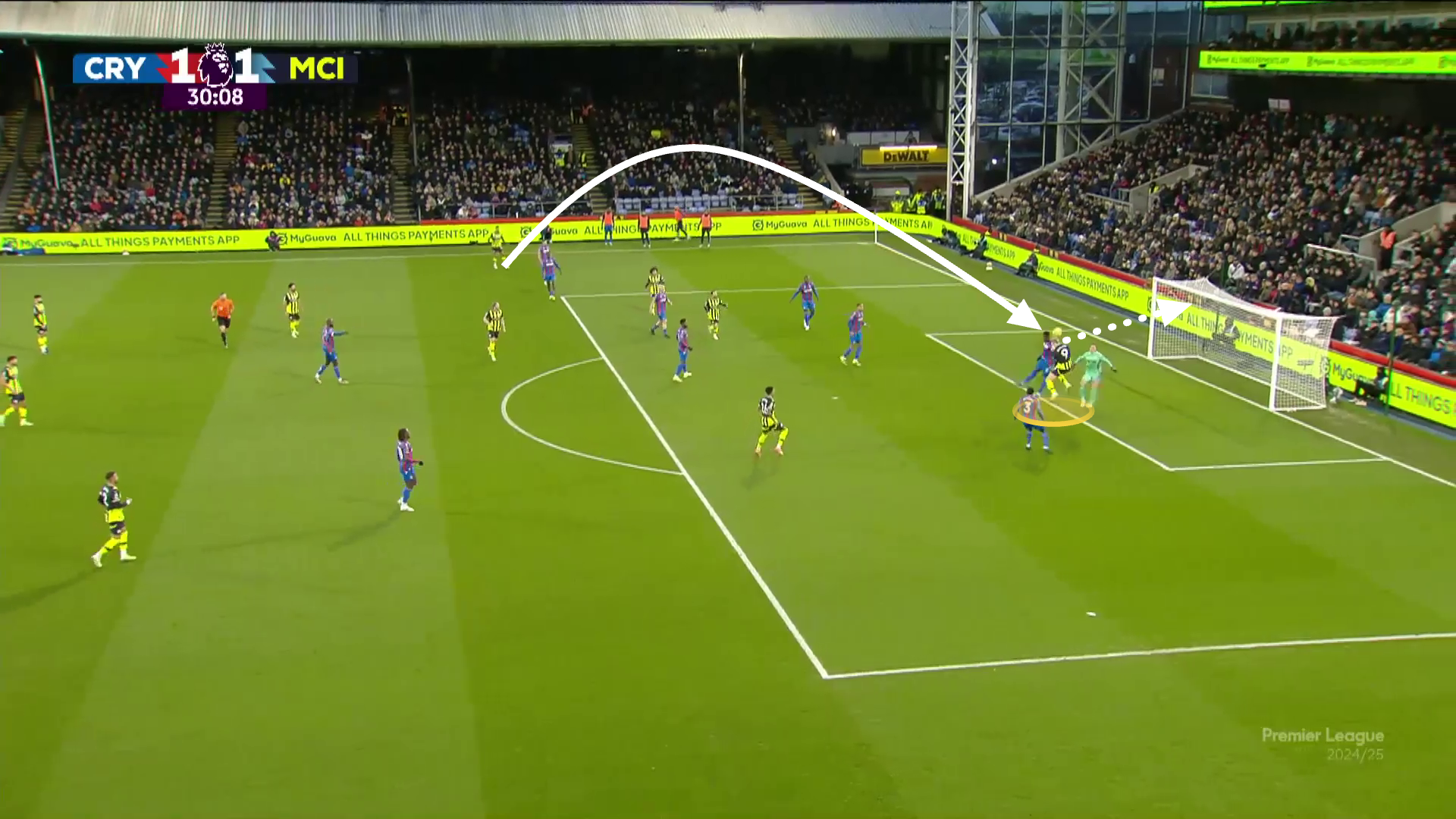
Back-post runs are one of Haaland’s three most common methods of scoring, alongside through balls on the left, and cut-backs in front of a retreating defence – so conceding these crosses is less than ideal.
Marc Guehi, if he does start, may remember that in 2024 while playing against Manchester City for Crystal Palace, Matheus Nunes played a similar cross to the ones described, before Haaland, peeling off the back of the England defender, headed home.
On an individual level, Guehi and Palace back then would have benefited from crowding Haaland out – one of the few ways teams have muted his influence.
In a 1-1 draw against West Ham last season, former Manchester City boss Pep Guardiola said: “Do you know how many central defenders were around [Haaland] today? 200 million. Do you know how many holding midfielders? It is the most difficult position on the planet.”
On that day, West Ham used three central defenders and a holding midfielder close to the Norwegian – often man-marking him.
Preventing these back-post crosses, by doubling up in the wide areas, or using more adept 1v1 defenders, would make sense, but the former may then leave the on-running full-back unmarked to then cross the ball in themselves.
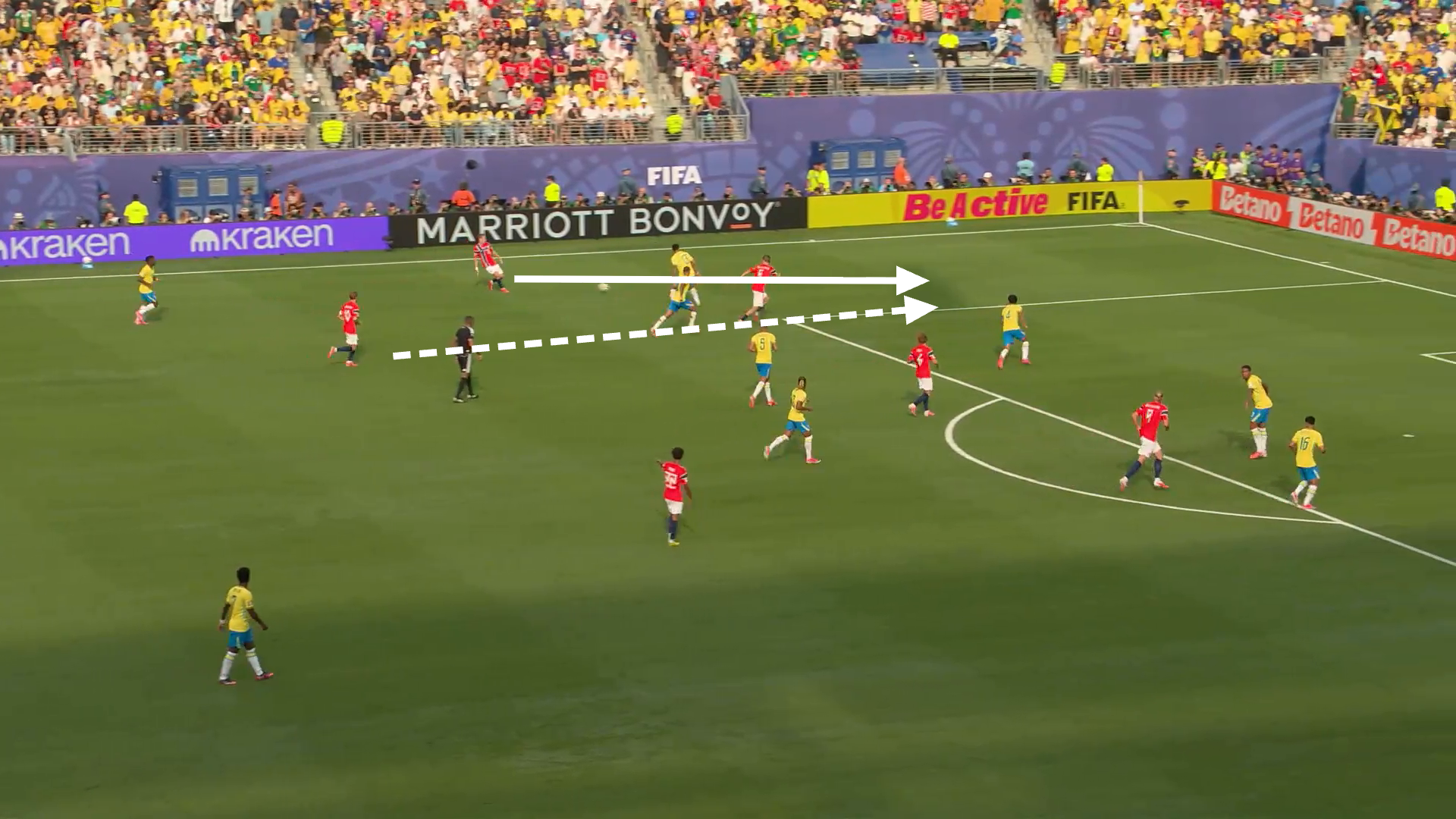
It’s a difficult conundrum and one why Tuchel has opted for similar attacking dynamics with England in the form of Anthony Gordon and O’Reilly.
To deal with this, it would not be surprising to see a more concerted effort defensively from Bellingham – dropping in to form a midfield five when England are in their defensive block.
So how can England score?
As much as England will focus on stopping Haaland, one of the best ways of defending is by keeping the ball.
Through sustained possession, England will hope to pen Norway back before then looking to use wide units of their own.
If the wide midfielder holds their position in line with their midfield, opposition full-backs making runs off the back of them can create clever 2v1 situations with their winger, against Norway’s full-backs.
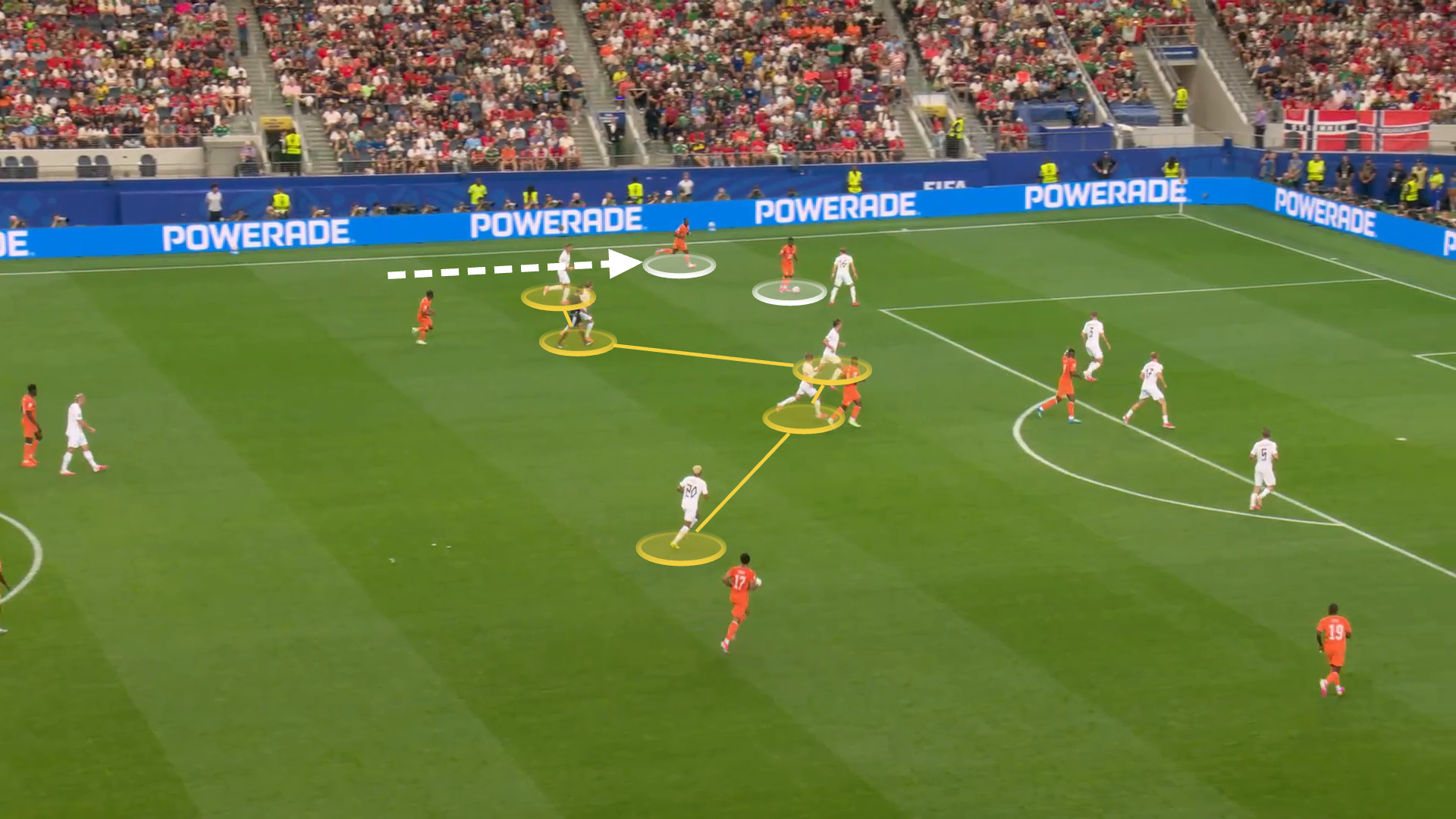
Much like Moller Wolfe’s underlapping runs for Norway to open up space for wingers to cut inside or be found themselves in behind, O’Reilly will be looking to do the same against them.
Pacy wingers pushing the ball past their full-back to the bye-line, drawing Norway closer to their own goal, has opened up cut-backs for late-arriving attackers to put away – something Gordon has facilitated for England before.
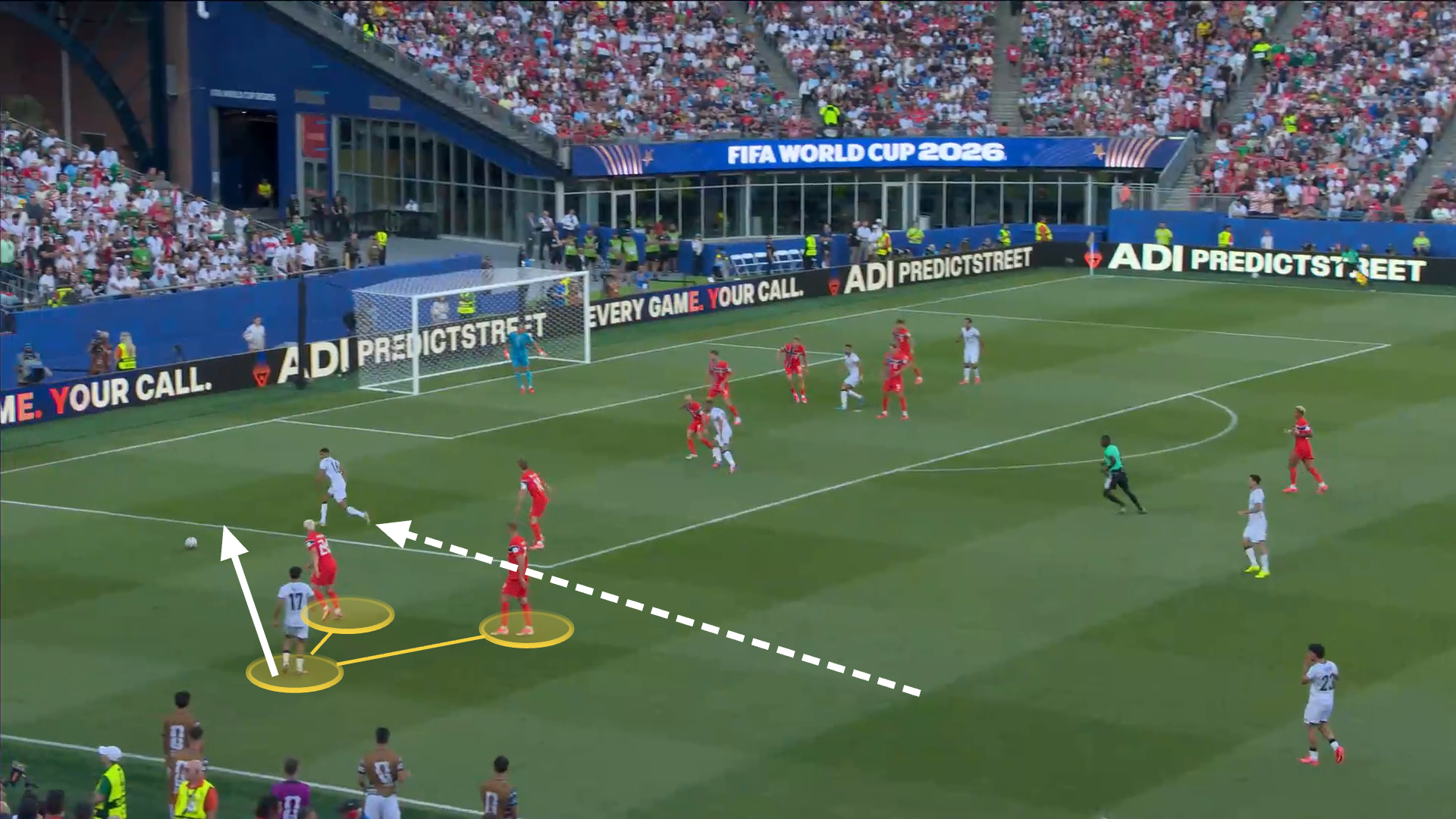
And if Norway do get their foot on the ball, attacking big spaces quickly when they turn the ball over is a valuable form of attack.
Norway are susceptible to leaving fewer players behind the ball in possession and although Brazil did not score in open play, when they did win the ball back, they created numerous big chances in this counter-attacking fashion.
The likes of Gordon, Bellingham, Rice and Noni Madueke generally enjoy attacking these spaces.