
This post was originally published on this site.
Covid inquiry PPE report – key findings
-
Published
The Covid inquiry has published its damning report, external into why NHS workers did not have enough personal protective equipment (PPE) when the pandemic hit.
It details what went wrong with the government’s planning and buying of vital items like gloves and gowns that cost taxpayers billions of pounds.
Here’s a look at the key findings:
Billions of taxpayers’ money wasted on poor PPE
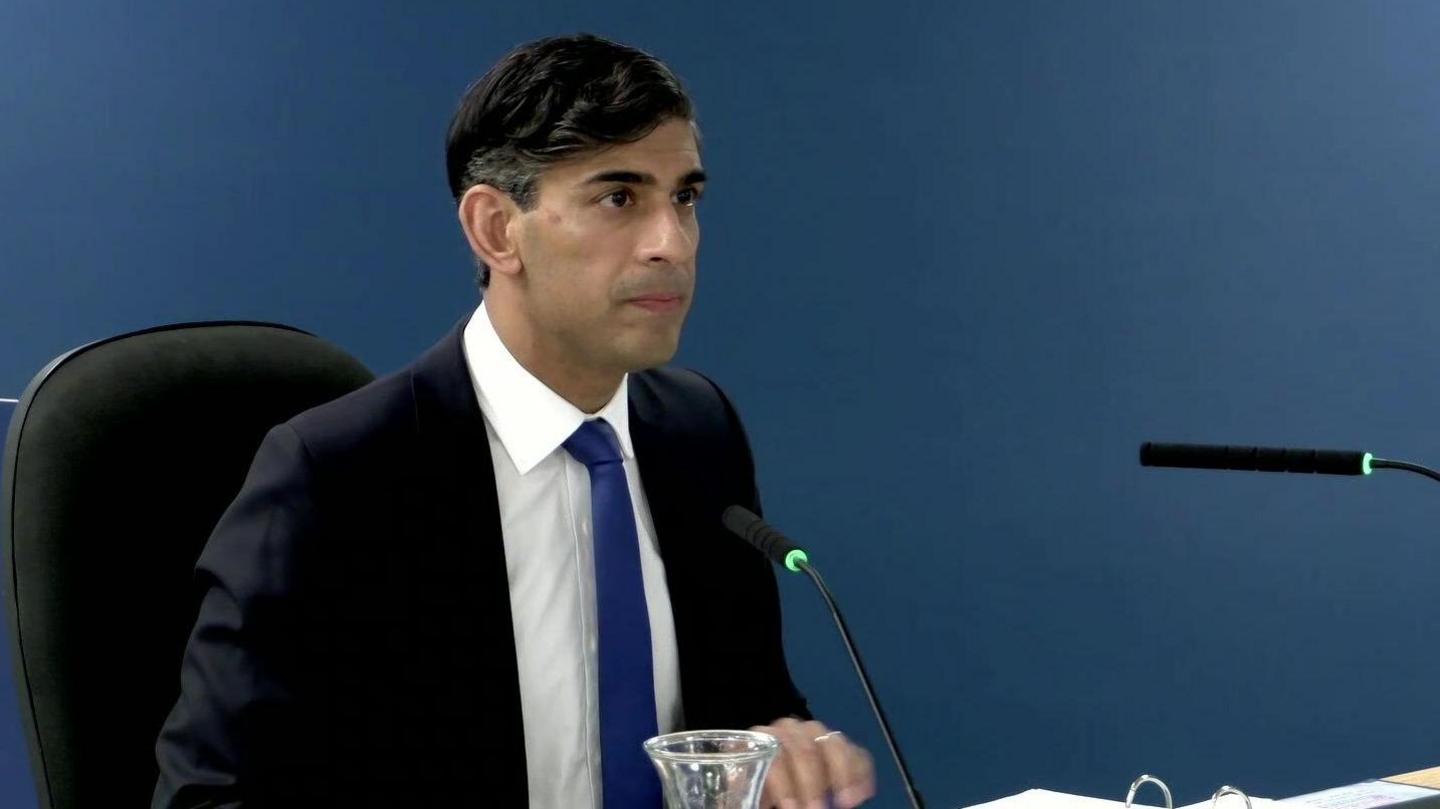
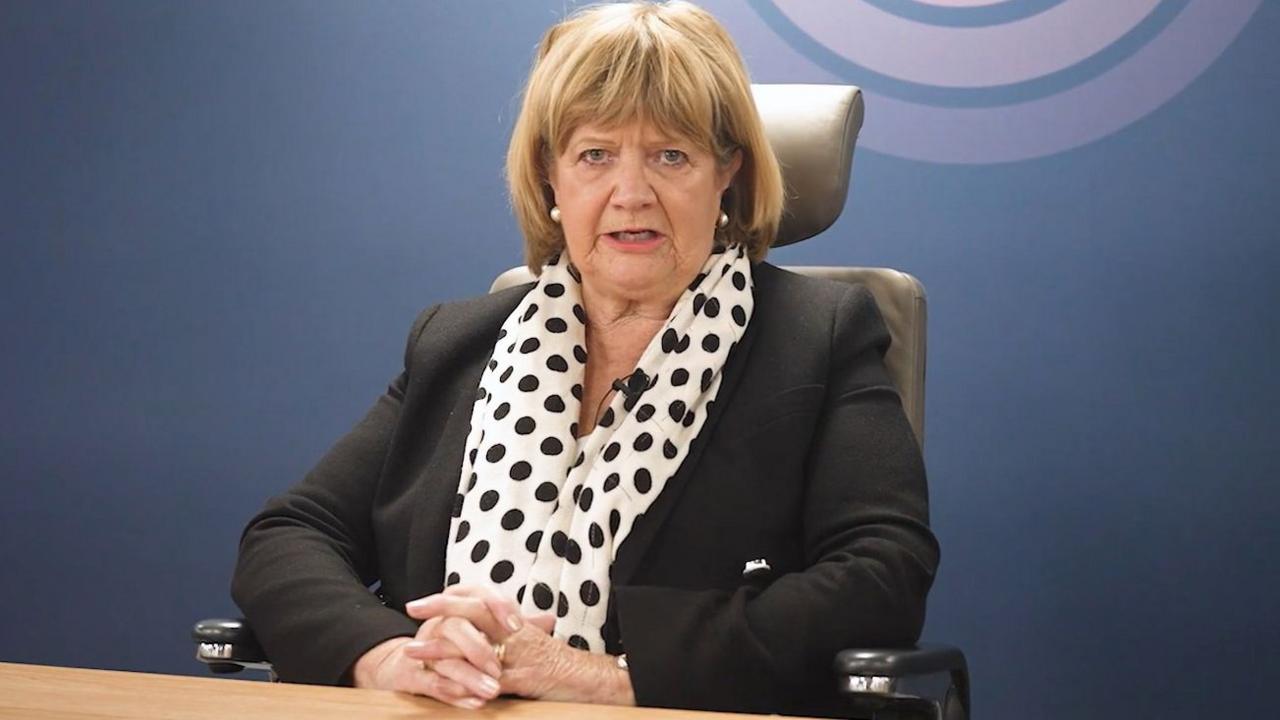 Image source, PA Media
The scramble to buy PPE during the pandemic saw the UK waste almost £10 billion of taxpayers’ money, the inquiry says, with tens of millions of pounds more spent on other equipment that simply could not be used.
The chair Baroness Heather Hallett criticised the “vast” waste in pandemic procurement, amounting to two-thirds of the £14.9bn total the UK and devolved governments spent on PPE.
Although it was better to have purchased too much PPE in a pandemic than too little, it would “clearly have been better if supply had been calibrated more closely with demand”, the report concluded.
“Better planning would have resulted in fairer, faster and less costly procurement decisions.”
“Had ministers and officials been better equipped with appropriate plans, information and systems, procurement decisions would have been easier, fairer and far less costly – and equipment would have reached those who needed it faster,” Hallett added.
NHS staff and patients left at risk
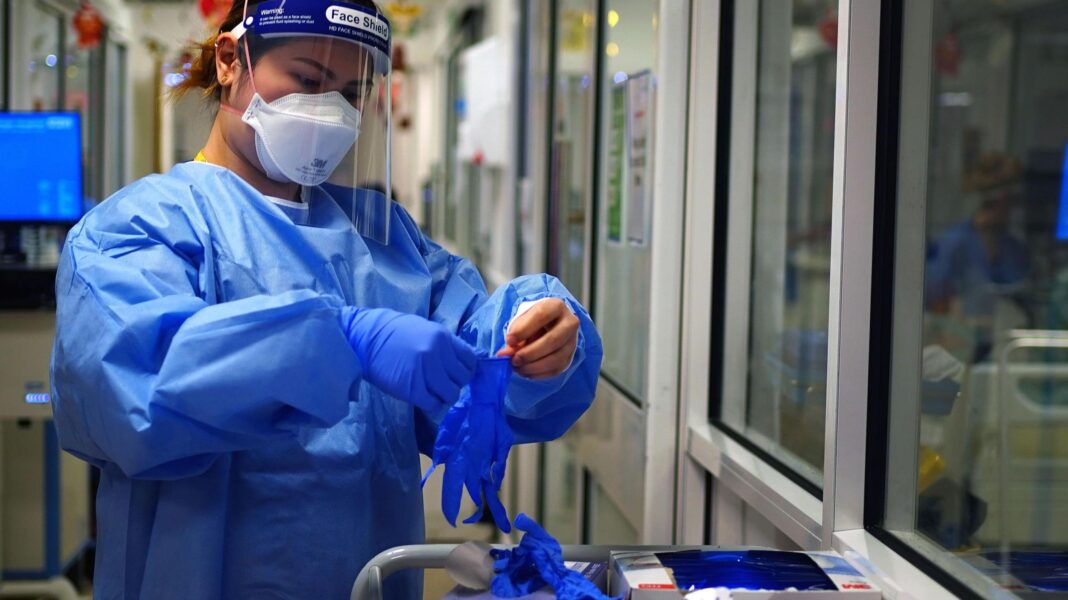
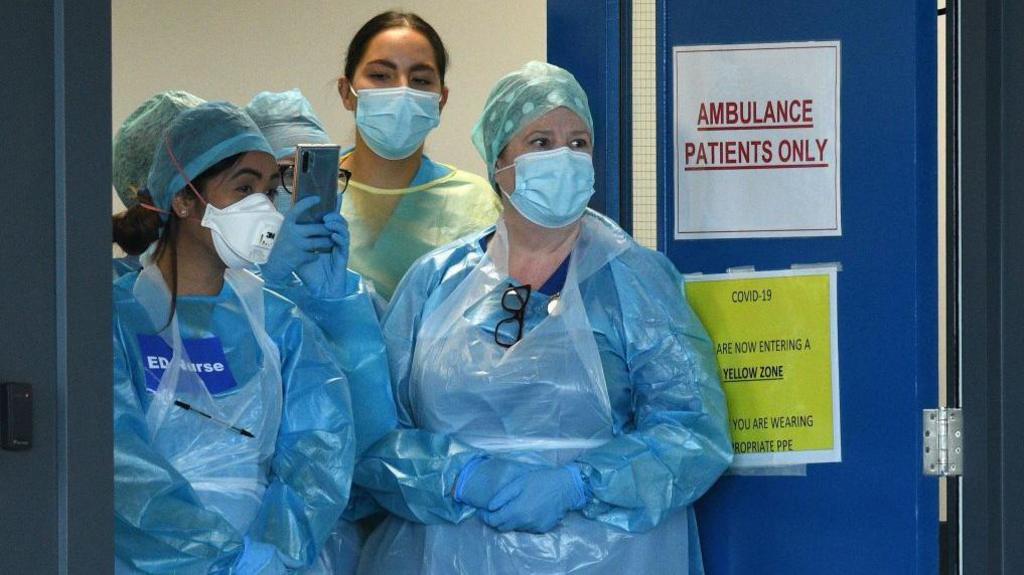
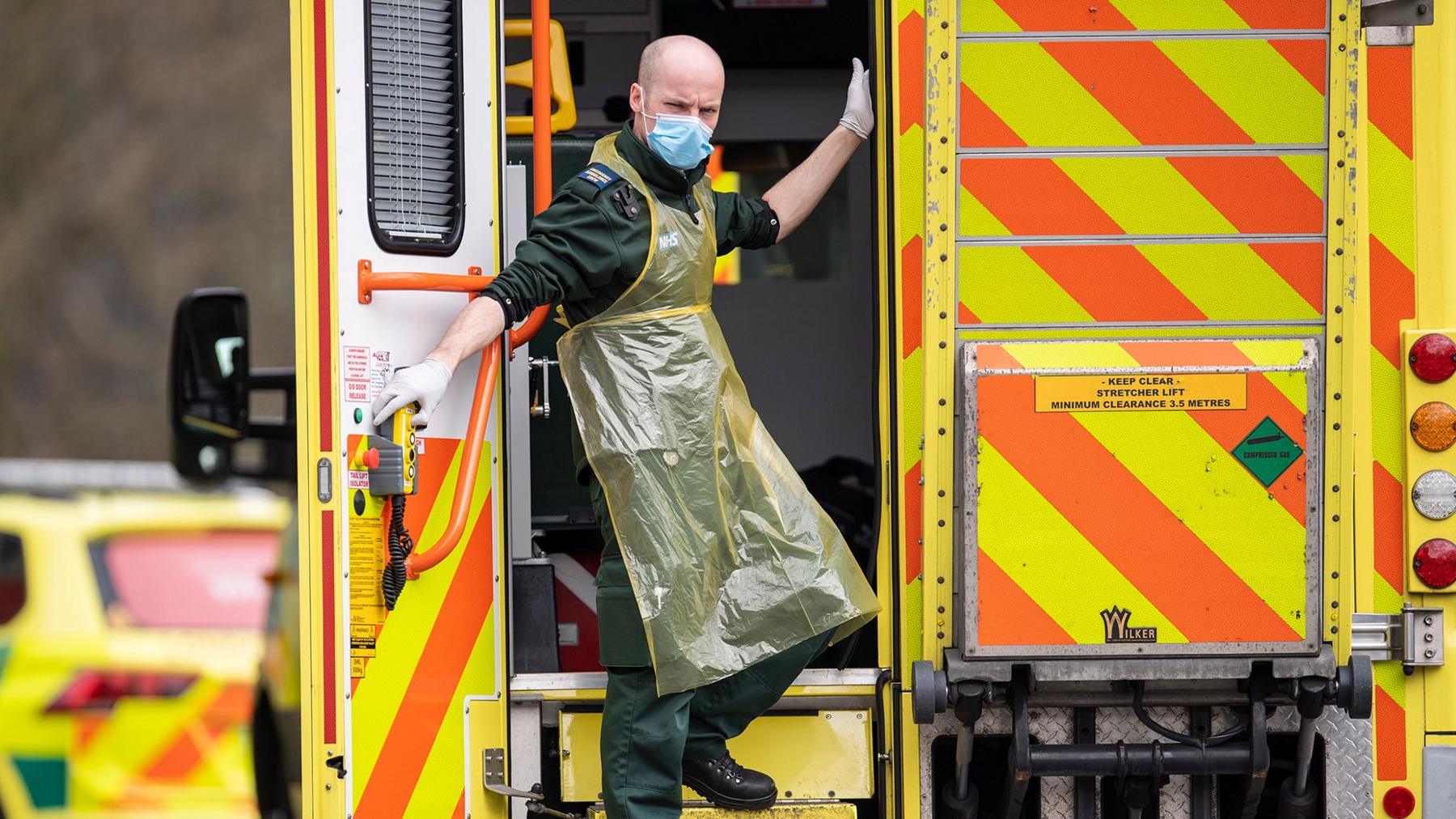 Image source, Getty Images
The country entered the pandemic with its stockpile of masks, gowns and gloves in a “perilous state” and was “simply not ready to compete” in the global race to secure new supplies, Hallett said.
There were large quantities of expired equipment, that was past its useful life.
Only a third of the masks in England’s pre-pandemic stockpile were usable, while Scotland had no supplies of the top-level FFP3 masks needed by healthcare professionals.
At the time, some staff – in desperation – used bin bags as makeshift protection, or washed and reused some PPE items.
“If governments failed to procure the required equipment and supplies, key workers, including health and social care workers, could not be properly protected; their lives and the lives of those for whom they care were put at risk,” said Hallett.
Unfair ‘VIP’ lane for PPE contracts
The VIP lane system was introduced in April 2020 in England.
The idea was to treat offers to supply PPE with greater urgency if they came with a recommendation from ministers, MPs, members of the House of Lords, or other senior officials.
The policy was sharply criticised by Hallett who described it as a “misguided attempt at prioritisation” that “embedded unfairness in emergency procurement”.
While she said there was “no evidence of cronyism or corruption” by ministers or officials when awarding contracts, the system was “inherently biased towards those with connections to the UK government”.
It should never be repeated in any future pandemic, she said.
What wasn’t covered
The report did not include findings on a company called PPE Medpro due to an ongoing criminal investigation into the firm, which is linked to Conservative peer Baroness Michelle Mone via her husband Doug Barrowman.
PPE Medpro was awarded government PPE contracts worth more than £200m after Lady Mone recommended it to ministers.
The company has already been ordered to repay £148m to the government after the High Court found it had breached a contract to supply millions of surgical gowns.
The National Crime Agency investigation is ongoing, and no charges have been brought so far and both Barrowman and Mone have denied any wrongdoing.
The inquiry did hold a day of hearings about the company in February 2025, but reporting restrictions are in place until the end of any potential criminal proceedings, meaning that a whole chapter of the report has not yet been published.
What next?
The inquiry conducted its public hearings for each of its 10 modules between June 2023 and March 2026 and began publishing reports containing findings and recommendations from July 2024.
The first five reports have been released and the remaining ones will be published by 2027, external.
-
-
Published20 November 2025
-
-
-
Published20 November 2025
-
-
-
Published16 April
-
-
-
Published15 December 2025
-
-
-
Published2 hours ago
-