


This post was originally published on this site.
Doctors failed to spot my hidden condition for so long I was left permanently disabled
-
Published
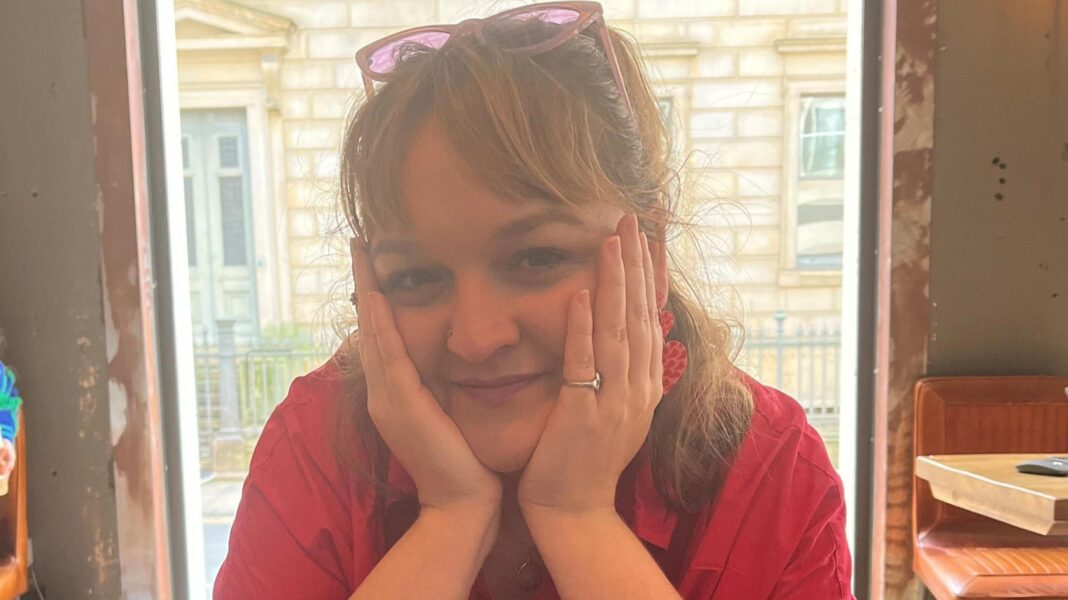
When Daneka Etchells was 12, her period arrived – and she immediately knew something wasn’t right.
Unlike many of her friends, hers were extremely heavy and she experienced excruciating pain.
When she visited the doctor, she was prescribed the pill, but even that didn’t make a difference.
After multiple further GP trips with no real solution, Etchells’ condition got so bad that she was left with a permanent physical disability.
She told the BBC Access All podcast that what she’d experienced over the last 17 years was “medical gaslighting”.
The term refers to a medical professional dismissing or invalidating health worries which can cause patients to doubt their pain and concerns.
What Etchells was experiencing was endometriosis – a painful condition which affects one in 10 women – but by the time doctors found it, it had developed so much that she says it left her with permanent nerve damage.
“It grew so vast and so wide and for so long, on nerves and ligaments that are attached to my legs,” she says.
Although doctors removed it, she now lives with a permanent physical disability.
Etchells says she feels her experience of being medically ignored is being reflected in a new stage adaptation of The Secret Garden, which she is performing in.
The disabled-led production touches on the idea that one of the main characters, Colin, was himself medically gaslit.
The original classic was published 115 years ago and follows 10-year-old Mary, who moves to her absent uncle’s big, old house, where she finds a locked-up garden and her disabled cousin Colin hidden away.
In the new stage version, Colin advocates for himself and is finally listened to.
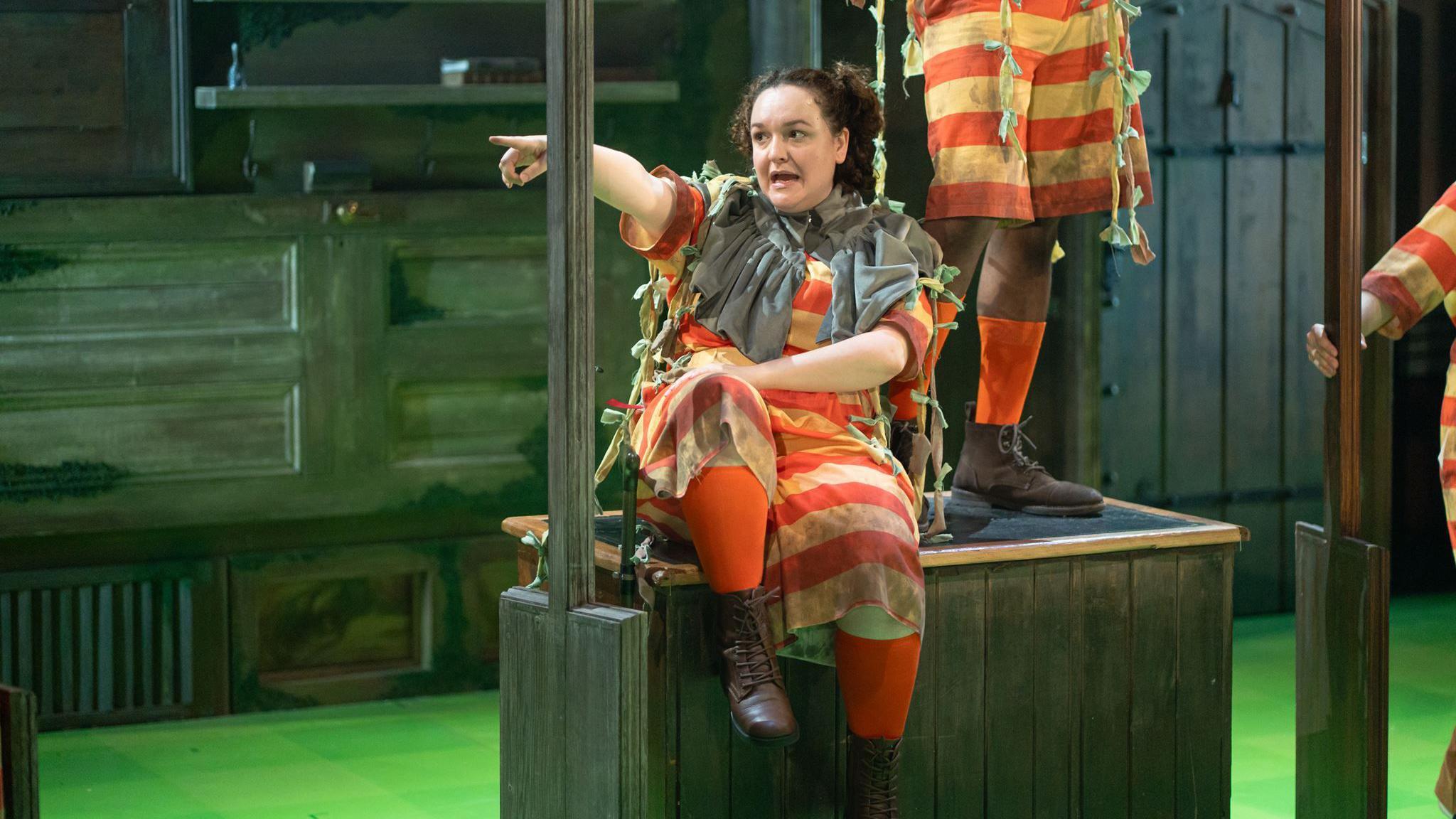 Image source, Lloyd Evans
Etchells says her own breakthrough happened when she saw a female GP who put her on medication and referred her to a gynaecologist.
It takes, on average, nine years to get a diagnosis. For Etchells, who is neurodivergent, it was 17.
But by then, she says the damage was already done. The last straw came when Etchells was playing Lucius in Titus Andronicus at Shakespeare’s Globe, an iconic London theatre many actors can only dream of performing at.
What should have been a celebratory career moment for Etchells actually made her realise work had become impossible. Soon afterwards, she was forced to take six months off.
“I was using my walking stick pretty much all the time at that point and I could barely get up the stairs”, she says.
“I felt so under the weather, so fatigued and in so much pain.”
Etchells says she felt “trapped” in her own body and “really immobile”, with periods so painful and heavy, and bladder and bowel problems so severe, that she couldn’t leave the house for months at a time.
Unable to wait any longer for treatment on the NHS, she saved, borrowed and raised money on GoFundMe for private treatment, even negotiating with the surgeon’s secretary for the best deal.
Etchells underwent excision surgery, a procedure to remove the lesions caused by endometriosis, which she says made her feel “lighter”.
But she says having been dismissed by doctors for so long has left her with lasting damage and a permanent mobility issue.
BBC Access All
Accessible festivals, and was the character Mary Lennox, in The Secret Garden, actually autistic?
Etchells says she is in constant pain and uses a mobility aid to get around – but she is back on stage.
Not only does the new version of the story echo Etchell’s experience of being dismissed as a young adult, it also reflects the experiences of playwright Tom Wentworth, who is behind the production.
Wentworth loved the book as a child. Like the main character, Colin, he spent long stints in bed, but he says the ending did not reflect his reality, so he decided to re-write it.
The original ending sees Colin regain his father’s love by being miraculously cured – out of his wheelchair and able to walk and run.
In Wentworth’s version, there is no cure for Colin and the children gain the necessary language to speak up for themselves and get what they need.
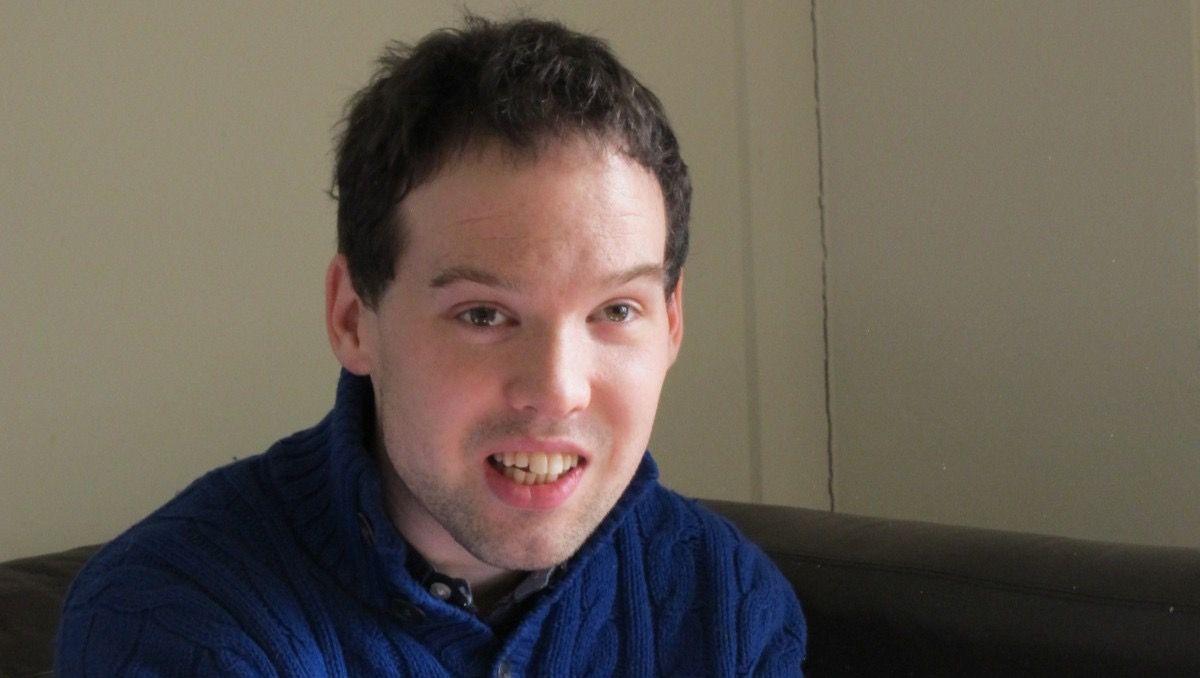 Image source, Steph Morris
Wentworth, who describes himself as “queer and disabled”, has recently had a series of urological problems. He says doctors often attribute his symptoms to his cerebral palsy first, rather than attempting to properly diagnose issues.
“The thing is, disabled people know their bodies incredibly well,” he says.
“So we should, I firmly believe, be trusted more than some other people, because we’ve been living in these bodies and we’ve been hyper-aware of them for so long. And the lack of trust is quite palpable.”
Wentworth says he has complained to his local Patient Advice and Liaison Service (PALS) on several occasions. It aims to resolve difficulties or frustrations patients might face, but he says he has had mixed results.
With his new version of The Secret Garden, Wentworth is trying to inform young people about recognising when they might be being gaslit and how to advocate for themselves.
Healthwatch England describes itself as “your health and social care champion”, and works with the NHS to improve upon bad patient experiences.
William Pett, its interim director of policy, says what Etchells and Wentworth experienced can “unfortunately” happen all too often and it’s “common for conditions such as ADHD and endometriosis”.
Pett says the organisation hears most often from young people, women and those identifying as LGBTQ, who report being “less likely to feel listened to by healthcare professionals than others”.
Healthwatch England has called for reforms to the NHS complaints system so that patients can get quicker, more satisfactory responses with any concerns they raise, while the NHS has recently rolled out Martha’s Law, which allows patients and their families or carers to request a rapid review if their condition is deteriorating.
A Department of Health and Social Care spokesperson said: “Our renewed Women’s Health Strategy recognises medical gaslighting as a real barrier, particularly for those living with conditions like endometriosis, and our recently published Quality Strategy sets clear standards to ensure everyone – including disabled people – receives the high-quality, respectful care they deserve.
“Every patient deserves to be heard, believed, and treated with dignity, which is why our 10-year Health Plan sets out how we are putting patient voice at the heart of our NHS reforms.”
While Etchells wishes she was listened to on that first GP visit aged 13, she now feels “lucky” to be under a dedicated endometriosis team who do listen.
When it comes to the neuropathic pain in her legs, a result of the ligament damage, she says that on days where she can’t take strong pain medication due to work commitments, she has learned to pretend the pain is not there.
Ironically, she says: “I medically gaslight myself to get through the day.”