
This post was originally published on this site.
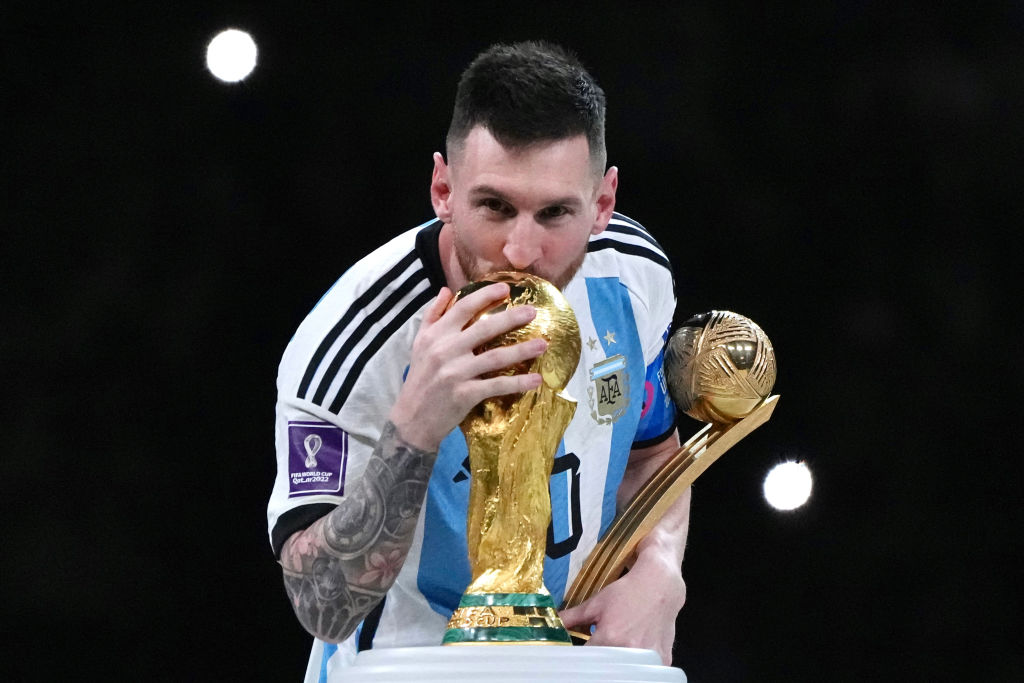
Lionel Messi may have failed to win a second World Cup, but his legend seems destined to endure. He’ll go down as a global star in the tradition of Pelé, Maradona and Ronaldo, but also as an Argentinian national icon. He’s also done very well financially from the sport.
Argentina’s football fan culture is especially famous for its “creative chants that evolve from one tournament to the next”, the Spanish magazine Hola informed its readers halfway through the World Cup. This year’s La Cuarta Estrella (The Fourth Star) included the rousing line Por Malvinas, por el Diego, por la última de Leo – referencing the Falklands, the country’s footballing patron saint Maradona, and Lionel Messi’s last World Cup. The anthem gained “global traction” when the team was filmed “passionately singing it in the dressing room during their tournament run”, says the Buenos Aires Herald.
When Messi was 13, his father signed a contract with FC Barcelona on a napkin, says the Financial Times. It covered the family’s move from Rosario in Argentina to Spain. The Messis, who were joining the diaspora fleeing Argentina’s long economic decline, “wept in the taxi to the airport”.
Sign up to Money Morning
Don’t miss the latest investment and personal finances news, market analysis, plus money-saving tips with our free twice-daily newsletter
Don’t miss the latest investment and personal finances news, market analysis, plus money-saving tips with our free twice-daily newsletter
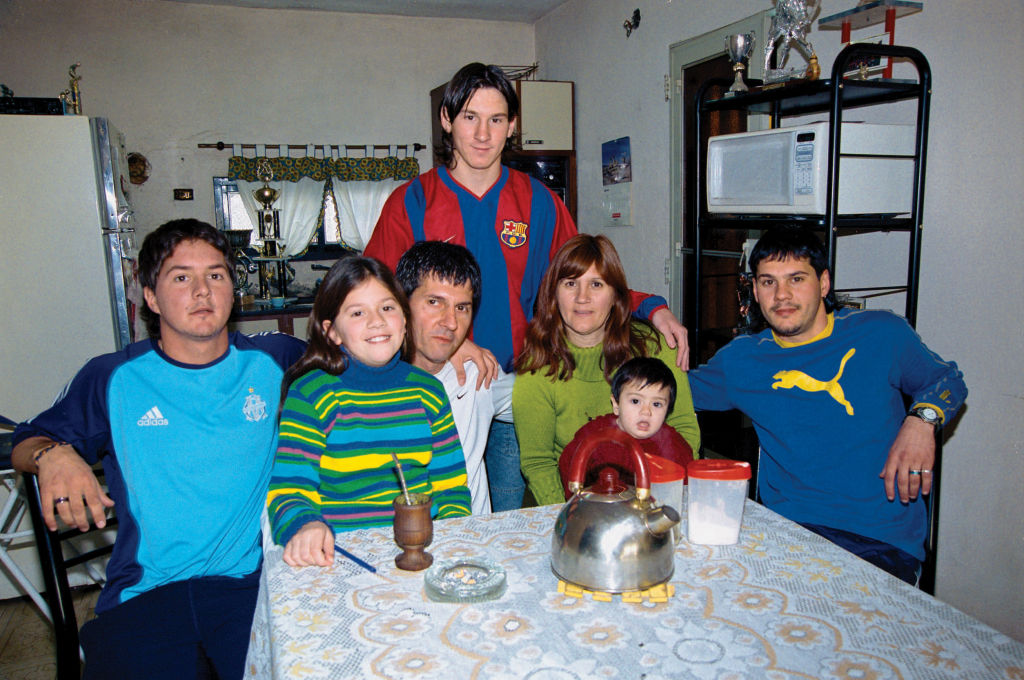
(Image credit: Marcelo Boeri/El Grafico/Getty Images)
Lionel Messi, now 39, has never lived in his country since: after 20 years in Barcelona, he now plays for Inter Miami. “Yet this émigré has become the face of Argentina.” It may be because, like many émigrés, “he identifies with the place he left”. Spain wooed him to play for youth teams, but “the kid with the flowerpot haircut” only wanted to play for Argentina. He was raised in Spain by Argentinians – eventually marrying a girl he knew from childhood.
Always something of an outsider, Messi is “a taciturn introvert” who lacks the “wild poetry” that Maradona had off the field, but has nonetheless gained an emotional hold on his homeland. “Crucially for his legend, he has learnt to express emotion” – often crying on the field out of joy or disappointment.
The key point, though, is that “his brilliance was unmissable”. He was what Argentines call a “pibe” – a natural dribbler whose “preternatural anticipation and short steps allowed him to change direction faster than opponents”. Messi sees everything. “He spends almost the entire game walking and scanning. When he breaks into a run, his teammates know he has seen an opening. They play to serve him.”
What is Lionel Messi’s net worth?
Over the years, the hero worship has translated into big profits, says Forbes. Now a billionaire, Messi is one of just four athletes to have joined “the three-comma club” while still active in their sport. Much of Messi’s estimated $1.1 billion net worth stems from “cash accumulation and appreciation” of earnings throughout his career – in his last years with Barcelona, he had a four-year contract worth $675 million. He earned “a massive salary” at Paris Saint-Germain (PSG) and now reportedly pulls in an estimated $70 million-$80 million annually with Inter Miami – “plus an option to acquire an equity stake” in the club when he retires.
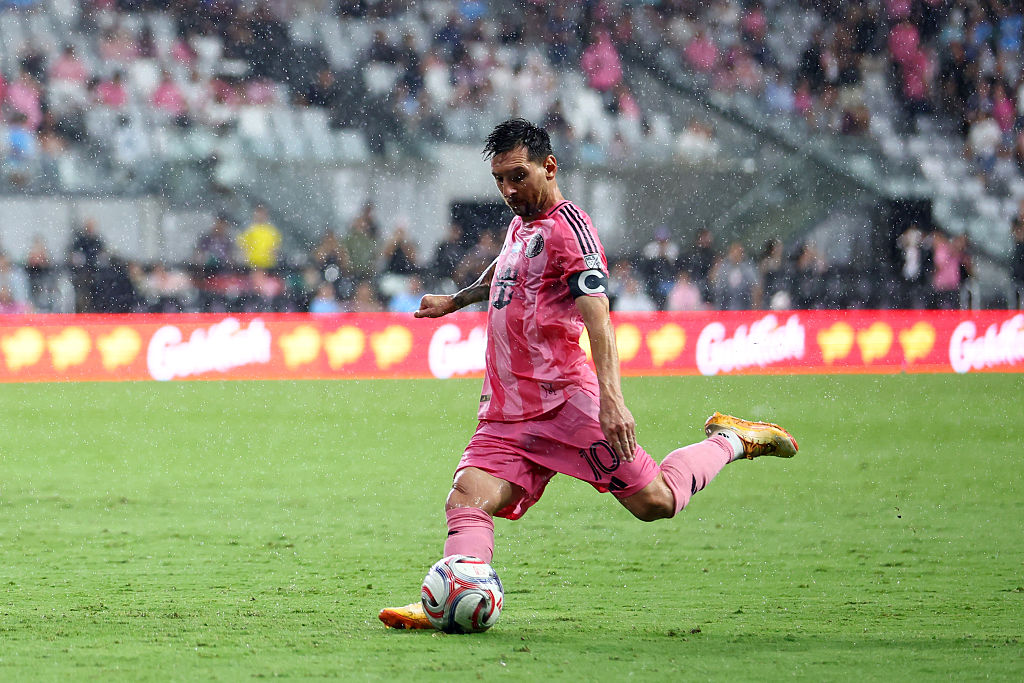
(Image credit: Megan Briggs/Getty Images)
Off the pitch, Lionel Messi has made more than $600 million from corporate sponsorships. His most notable deal is a lifetime contract with Adidas (signed in 2017), along with longstanding partnerships with brands such as Mastercard, Michelob Ultra and Lay’s.
A measure of Messi’s legend is the prices commanded by his memorabilia. In 2023, a set of six shirts he wore during Argentina’s winning World Cup run in 2022 fetched $7.8 million at a Sotheby’s auction – making them “the second most valuable football jerseys ever auctioned”.
Things haven’t always gone smoothly for Messi, says Sky Sports. In 2016, he was found guilty, along with his father Jorge, of defrauding the Spanish government of €4.2 million between 2007 and 2009 over income earned from image rights. But resilience and patience are his watchwords, noted The Profile in 2021. For Messi, who has been playing football every single day since he was five years old, “the overnight success story” is a myth. “I start early and I stay late, day after day, year after year,” he once observed. “It took me 17 years and 114 days to be an overnight success.”
This article was first published in MoneyWeek’s magazine. Enjoy exclusive early access to news, opinion and analysis from our team of financial experts with a MoneyWeek subscription.