
This post was originally published on this site.
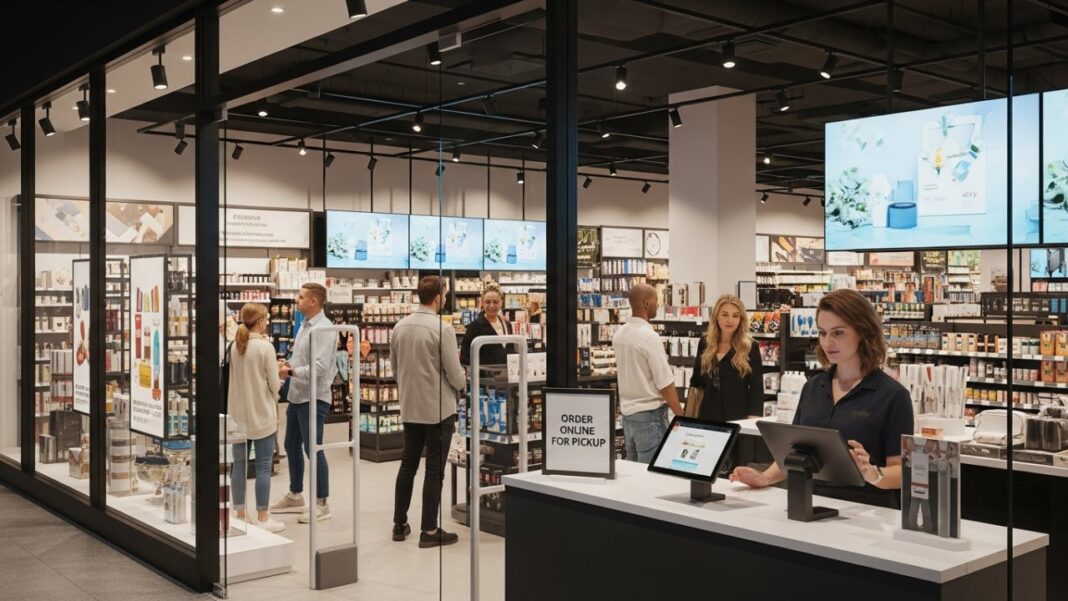
E-commerce has reshaped retail, and it’s essential for you to understand its impact. First, consider how consumer habits have shifted. People expect convenience and quick access to products. If you’re in brick-and-mortar retail, think about integrating online options and enhancing in-store experiences. You’ll need to adapt to new logistics and pricing pressures too. These steps can help you stay competitive. What strategies will you implement to guarantee your success in this evolving landscape?
Key Takeaways
- E-commerce represents 22% of U.S. retail sales, highlighting a significant shift towards online shopping preferences.
- Consumers increasingly expect seamless integration between online and in-store experiences, driving innovations like webrooming and click-and-collect.
- Brick-and-mortar retailers face challenges from decreased foot traffic and price competition, necessitating enhanced in-store experiences and online marketing strategies.
- Innovations in logistics, such as same-day delivery and drone technology, are crucial for successful omnichannel strategies.
- E-commerce contributes to economic changes, including job losses in retail and a decline in hourly worker incomes, while enhancing consumer buying power.
The Rise of E-Commerce: A Game Changer for Retail
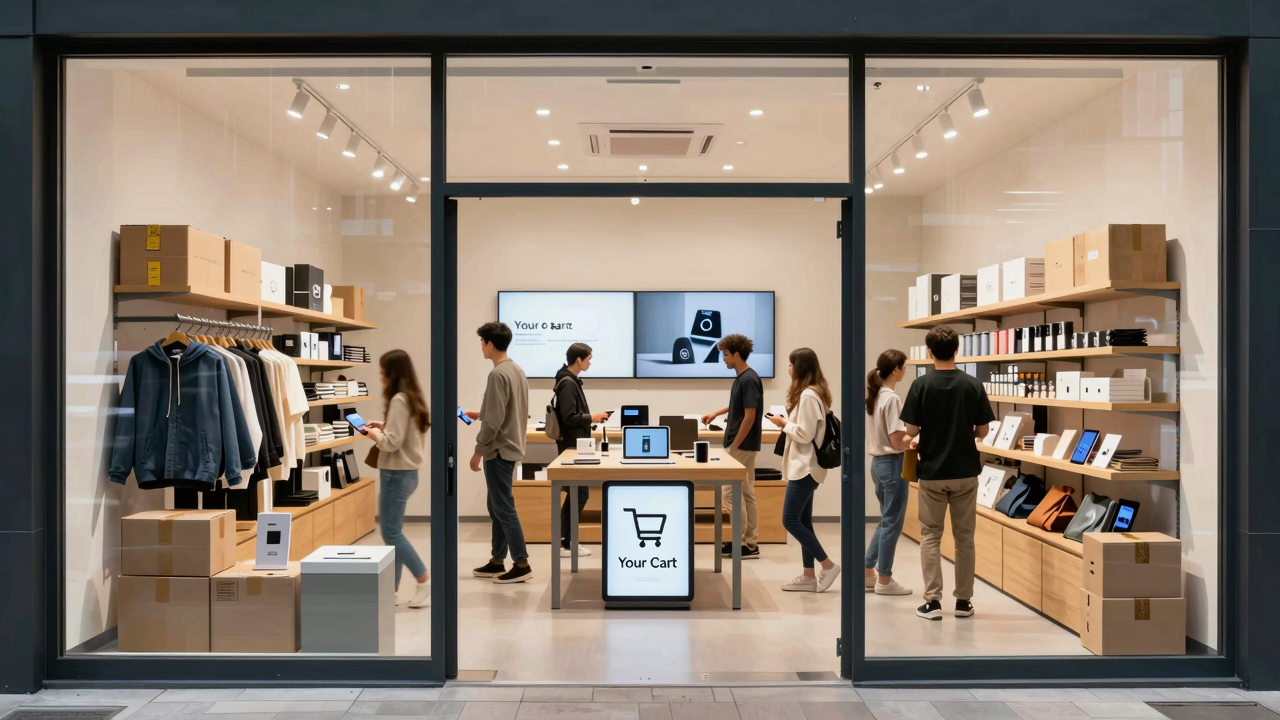
As e-commerce continues to grow, it’s essential to understand how it’s reshaping the retail landscape. In 2023, e-commerce accounted for 22% of total retail sales in the U.S., reflecting its significant influence.
To stay competitive in the e-commerce retail industry, you need to adapt your strategies. Start by enhancing your online presence, as online sales reached around $1.119 trillion, highlighting consumer preference for digital shopping.
Invest in a robust website and user-friendly interface, making research and purchases quick and easy for customers. Consider integrating omnichannel strategies to bridge your online and brick-and-mortar stores, giving shoppers a seamless experience.
Additionally, focus on advanced logistics solutions like same-day delivery to meet rising consumer expectations.
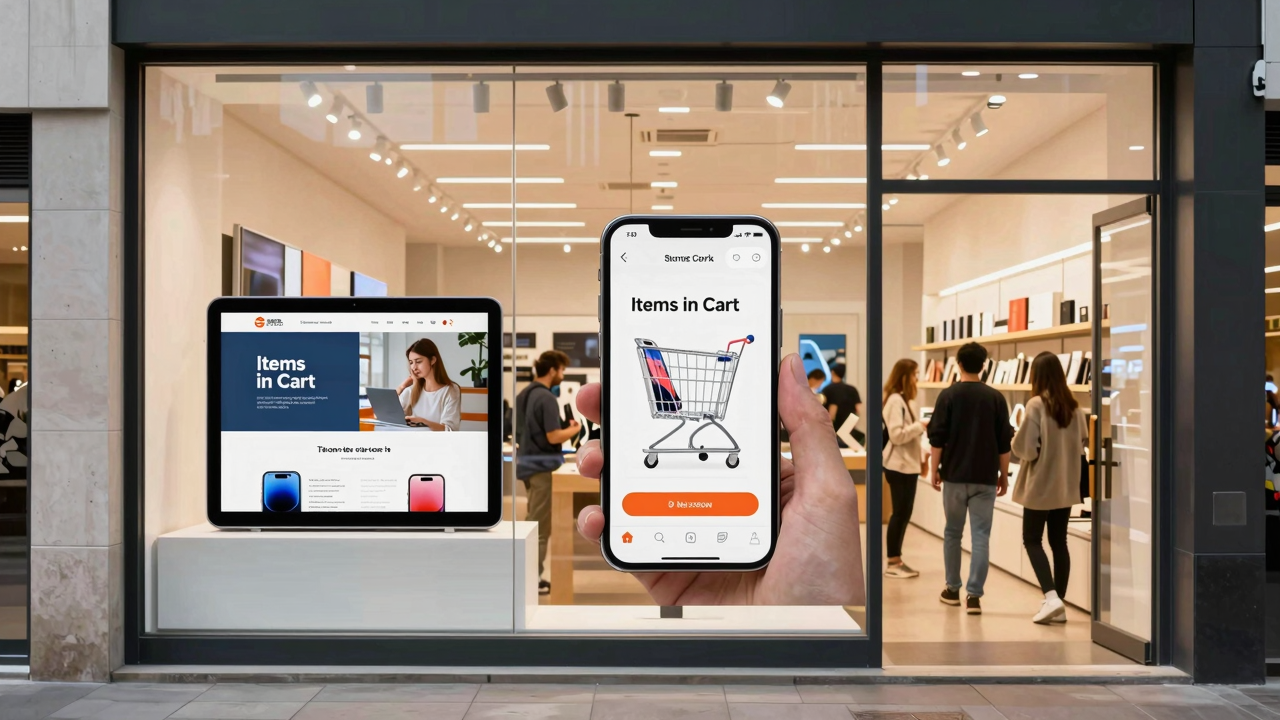
With the rise of e-commerce, consumer shopping habits have transformed dramatically, so it’s essential to understand these changes to stay relevant in the market.
The impact of online shopping is clear: you can shop anytime and anywhere, making it easier to fit into your busy lifestyle. Today’s consumers are more informed, thanks to the ability to compare prices and read reviews before making purchases. This means you need to enhance your offerings and provide detailed product information.
Moreover, today’s shoppers expect a seamless experience, blending online and in-store options. Offering services like webrooming and click-and-collect can meet these expectations.
Keep in mind that e-commerce platforms usually have a wider variety of products than local stores, so consider expanding your inventory.
Finally, remember that 88% of online spending is at merchants not found offline; adapt your strategy to capture this growing market.
Key Challenges for Brick-and-Mortar Retailers in E-Commerce
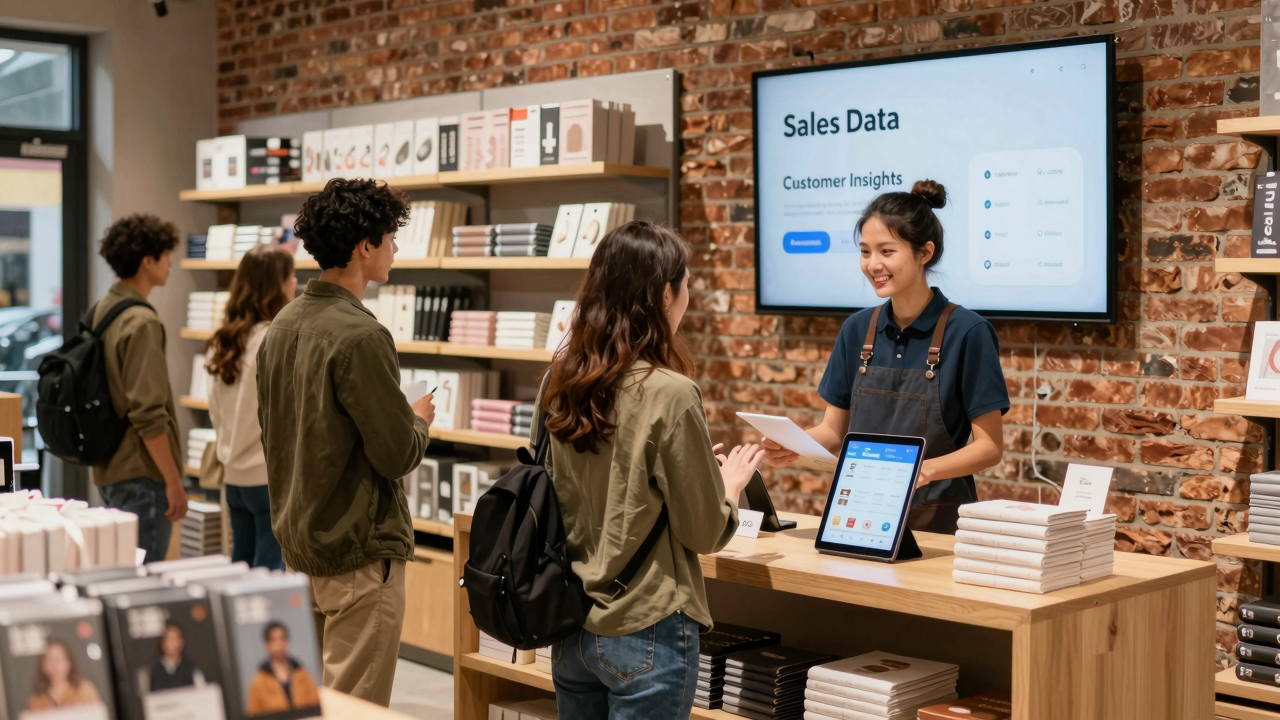
Brick-and-mortar retailers are facing tough challenges as e-commerce grows.
You’re likely noticing fewer customers walking through your doors, which can hurt sales, especially when online prices are lower.
To stay competitive, consider enhancing your in-store experience and finding ways to attract foot traffic, like hosting events or offering exclusive promotions.
Price Competition Pressure
Price competition from online retailers presents a significant challenge for physical stores, pushing you to rethink your pricing strategies.
With online prices often 20% lower, especially in electronics and apparel, you’re under pressure to match these rates.
Consider implementing price-matching policies to retain customers, but be cautious; this can erode your profit margins.
Analyze your overhead costs and identify areas where you can cut expenses to stay competitive without sacrificing quality.
Also, leverage your unique in-store experience to justify prices that might be higher than online.
Remember, 73% of consumers prioritize better pricing, so focus on value.
The rise of e-commerce has caused a noticeable drop in foot traffic at physical retail locations, impacting sales and customer engagement.
[embedded content]
As an owner, you need to recognize that reduced foot traffic, driven by the convenience of online shopping, has led to an estimated 4% decline in spending at stores.
With eCommerce now representing 22% of total retail sales, many customers prefer online options.
To combat this, consider enhancing in-store experiences, like hosting events or offering exclusive products.
You might also want to optimize your store layout to attract customers.
Additionally, leveraging social media and online marketing can drive traffic back to your physical locations, helping you regain some of that lost engagement.
Logistics Innovations Supporting Omnichannel Success
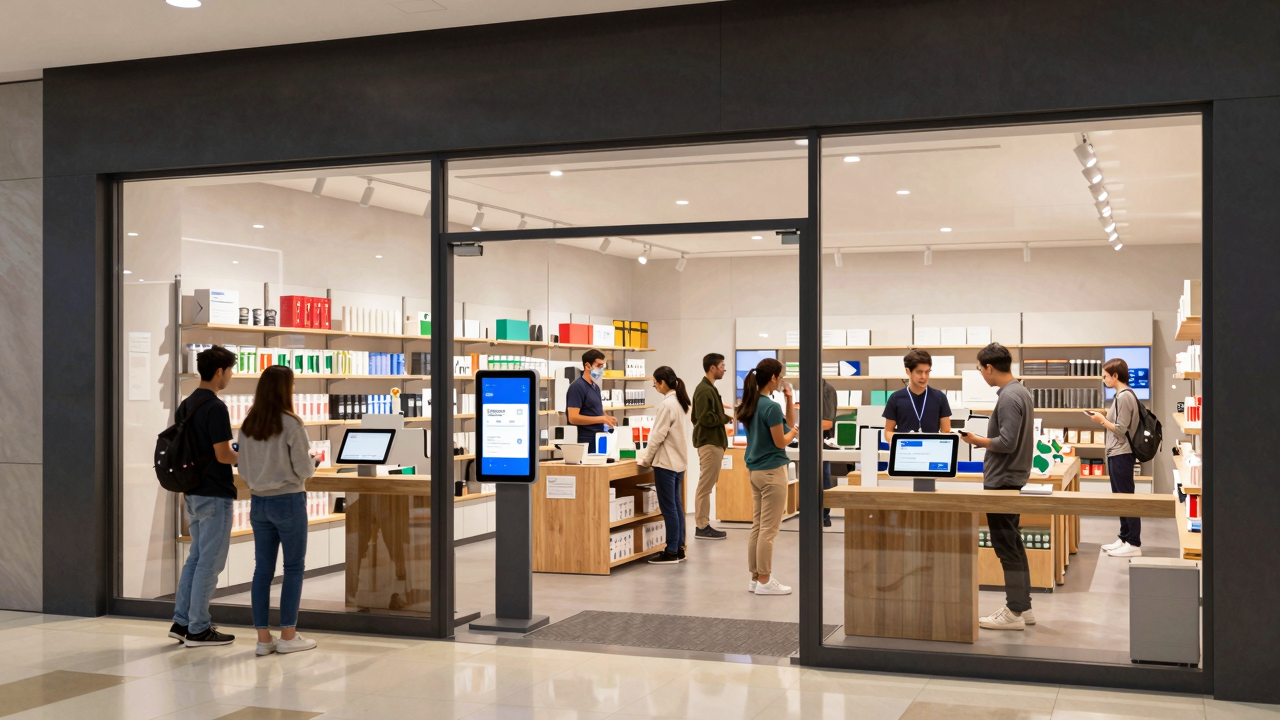
As consumers increasingly expect rapid delivery, retailers must adapt their logistics strategies to secure success in an omnichannel environment. Innovations in logistics are key in this evolving eCommerce in the retail sector. Here’s how you can enhance your logistics approach:
| Logistics Innovation | Benefit |
|---|---|
| Same-Day Delivery | Meets customer expectations |
| Advanced Inventory Systems | Optimizes stock management |
| Drone Technology | Increases last-mile efficiency |
| Micro-Fulfillment Centers | Boosts customer satisfaction |
| Data Analytics | Enhances routing and inventory control |
Investing in these innovations will not only streamline your operations but also improve customer engagement. By integrating your online and offline logistics, you’ll reduce costs while enhancing the overall shopping experience. Focus on implementing these strategies to make sure you’re meeting the demands of today’s consumers effectively.
The Economic Impact of E-Commerce on Retail
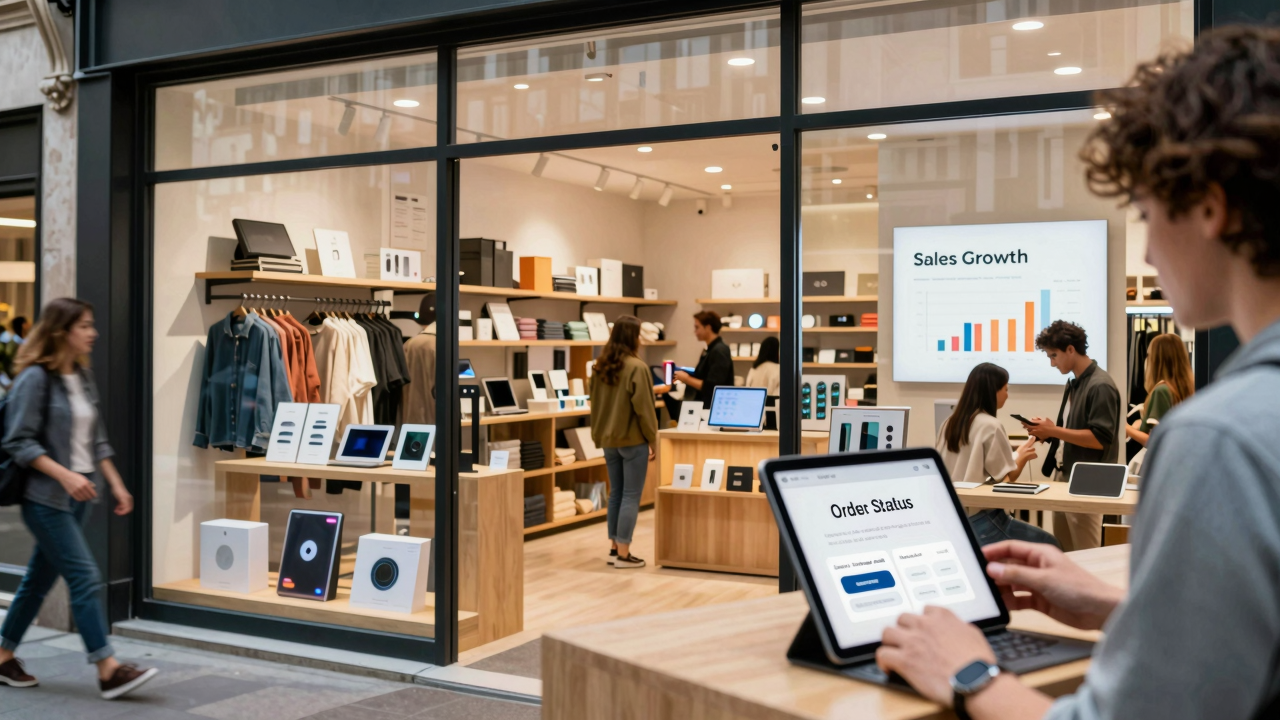
E-commerce is reshaping the retail landscape, driving significant economic changes you can’t ignore.
With online sales soaring and physical store traffic declining, it’s essential to rethink how you approach retail space and staffing.
Economic Gains From E-Commerce
While many might not realize it, tapping into the benefits of e-commerce can greatly boost your economic standing. In 2023, e-commerce sales hit around $1.119 trillion, making up 22% of total retail sales. This shift enhances consumer buying power, with households gaining over 1% from online shopping—over $1,000 annually.
Here’s a quick overview of the economic gains from e-commerce:
| Benefit | Impact | Annual Value |
|---|---|---|
| Consumer Savings | Average of 11.3 miles saved | $1,000+ |
| Increased Buying Power | Over 1% gain | $1,000+ |
| Wealth Disparity | 1.3% for high earners | Varies |
Embracing e-commerce can lead to more savings and convenience for you.
Retail Space Transformation
The shift toward online shopping is reshaping how retail spaces operate, creating both challenges and opportunities. You might notice a 4% decline in brick-and-mortar spending, prompting retailers to downsize physical spaces. This means higher vacancy rates, but it also opens doors for innovative uses of retail space.
[embedded content]
To stay competitive, invest in advanced inventory systems and automation to meet the demand for rapid delivery. Integrating online and offline strategies, like click-and-collect services, can drive foot traffic and enhance customer engagement.
As you navigate the retail vs e-commerce landscape, focus on creating a seamless shopping experience. Embrace technology to adapt and thrive in this evolving market, ensuring your business remains relevant and efficient.
Job Market Adjustments
As retailers adjust to shifting consumer preferences, the job market is feeling the impact of e-commerce growth. With the rise of e-commerce in retail, you might notice several key changes:
- Job Losses: Fulfillment centers have led to a decline of about 1,000 retail jobs each quarter, as stores reduce their workforce by around 2.1%.
- Income Decrease: Hourly retail workers are seeing an average income drop of 2.5%, equating to about $825 less annually, largely due to reduced working hours.
- Store Closures: The presence of fulfillment centers increases the likelihood of store closures by 3%, especially affecting smaller retailers.
To adapt, consider reskilling or exploring opportunities in e-commerce to stay relevant in this evolving job market.
How Omnichannel Strategies Drive Retail Success?
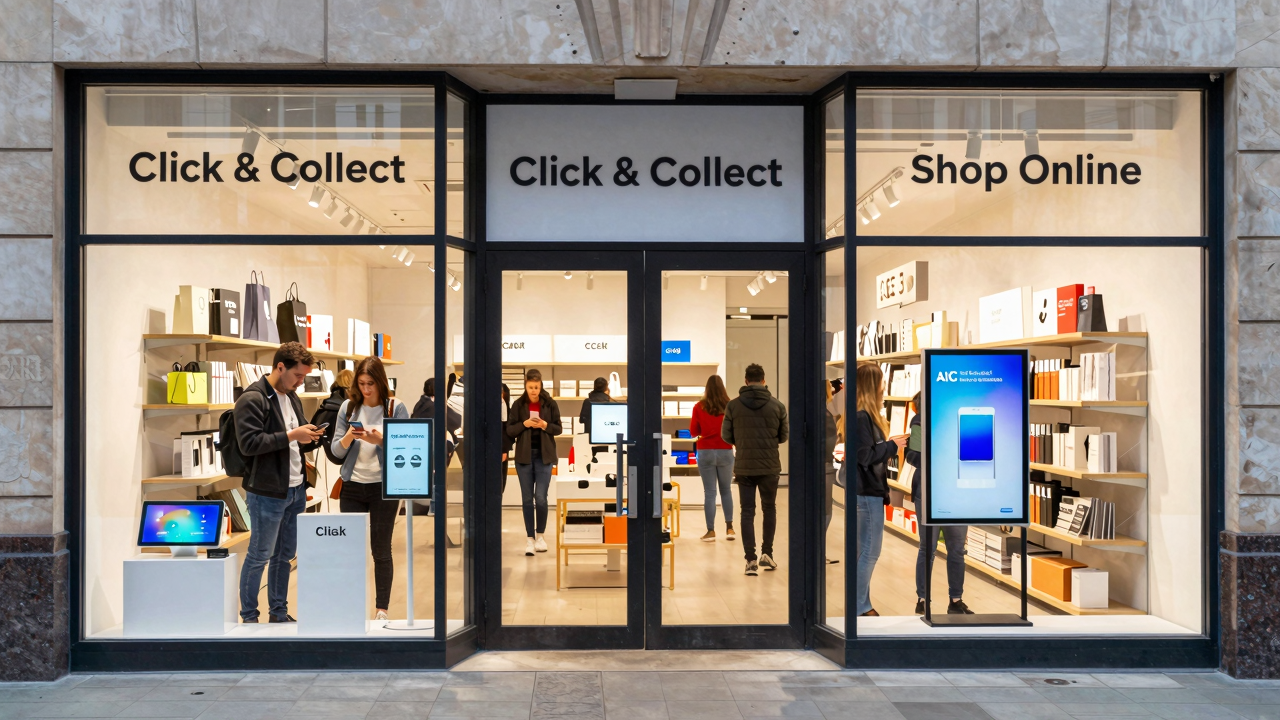
Integrating online and offline channels creates a seamless shopping experience that can greatly boost your retail success.
By adopting omnichannel strategies, you can cater to 73% of consumers who prefer a unified journey across platforms. Start by enhancing your Click-and-Collect services to save customers on shipping costs while driving foot traffic to your stores. This can help increase your overall sales opportunities.
You’ll also want to leverage webrooming and showrooming, as 57% of consumers use mobile devices in-store to compare prices and gather product information.
This can enhance their shopping experience and encourage purchases.
Understanding Consumer Behavior in the E-Commerce Era
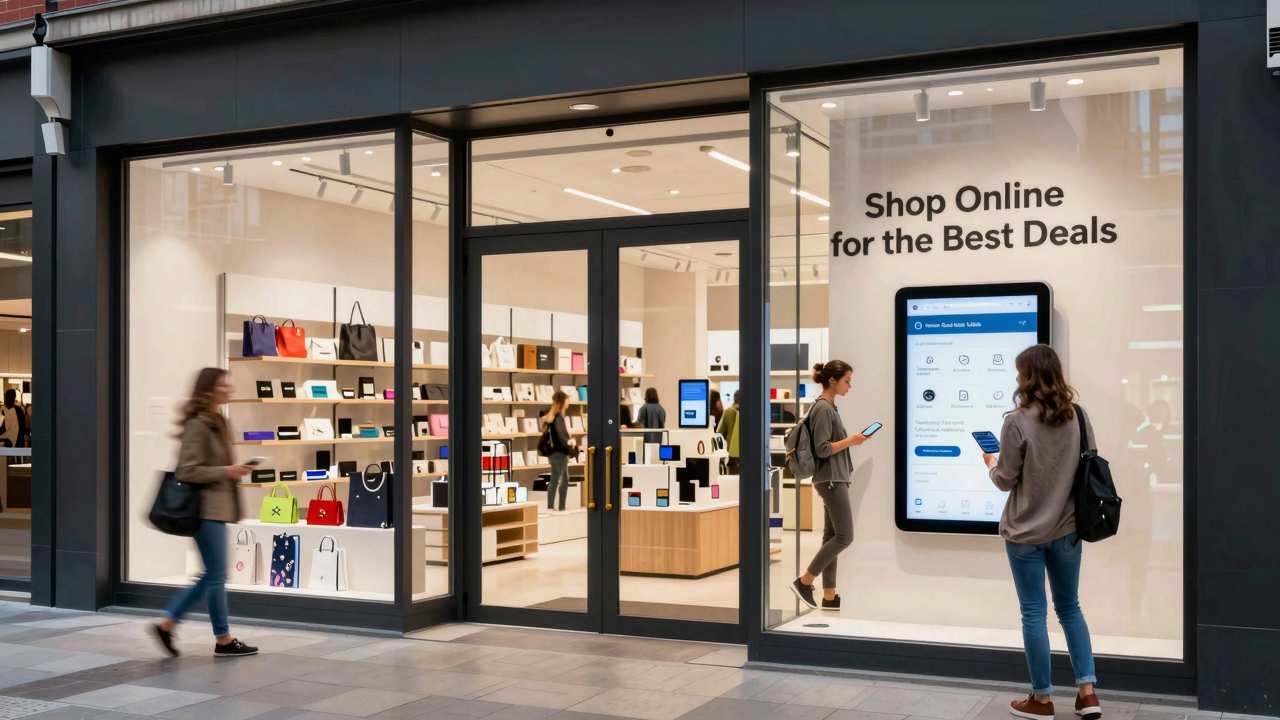
Understanding consumer behavior in the e-commerce era requires recognizing how convenience shapes shopping habits. The benefits of e-commerce to consumers are clear, as you can shop anytime and anywhere.
Here are three key points to reflect on:
- Webrooming and Showrooming: Many consumers research products online before buying them in-store, using physical locations as display spaces for their online purchases.
- Price Comparison: Shoppers actively compare prices and read product reviews before making decisions, making informed choices easier than ever.
- Omnichannel Preferences: You likely appreciate the flexibility of blending online and in-store shopping experiences, maximizing your satisfaction.
Strategies for Brick-and-Mortar Retailers to Compete
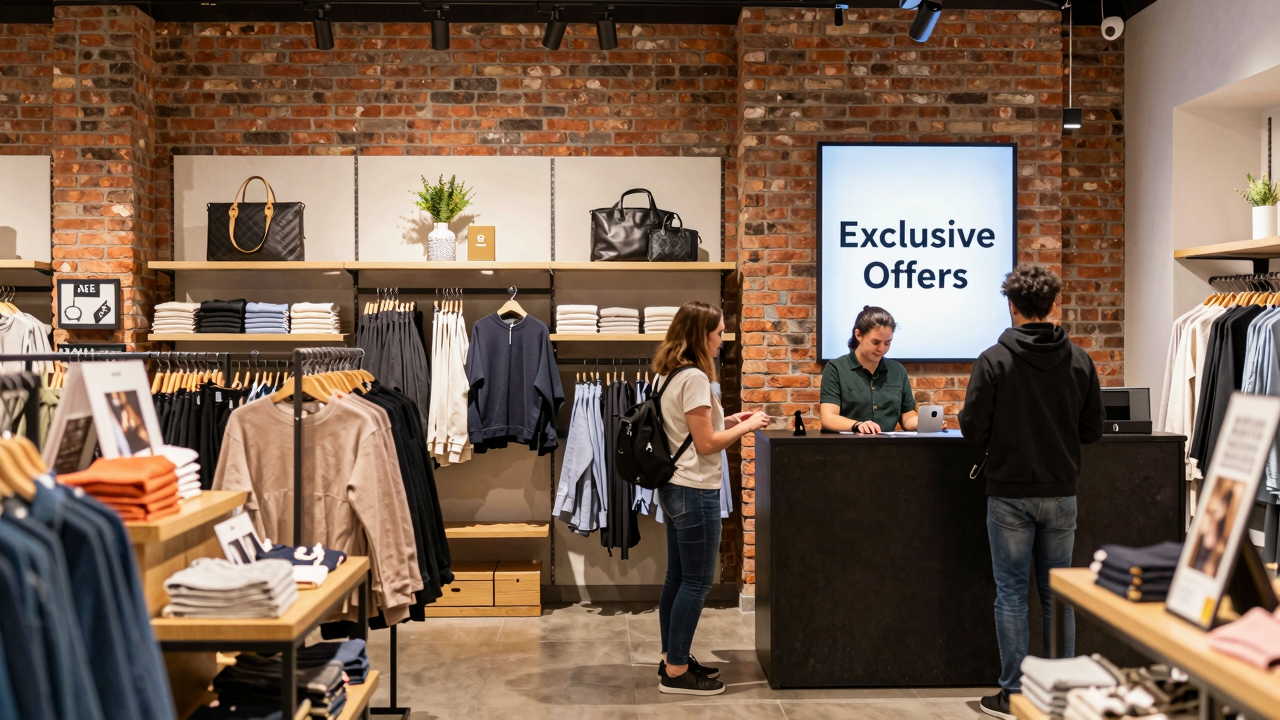
To compete effectively in today’s retail landscape, brick-and-mortar stores need to adopt strategies that resonate with the evolving preferences of consumers who increasingly favor online shopping.
Start by integrating online and offline channels with an omnichannel strategy, which can enhance customer engagement and drive foot traffic. Implement click-and-collect services, allowing customers to buy online and pick up in-store, saving on shipping costs while boosting visits to your location.
Modernize in-store experiences by creating showrooms for online products, giving customers hands-on interactions that enhance their shopping experience. Offer competitive pricing and unique in-store events to attract and retain customers despite increased online competition.
Finally, regularly analyze consumer behavior and market trends to stay relevant, especially as e-commerce accounted for 22% of total retail sales in 2023. Embracing these strategies can leverage the benefits of e-commerce to business, ensuring your store remains competitive in the digital age.
Future Trends: What’s Next for E-Commerce and Retail?
As e-commerce continues to evolve, staying ahead of future trends is vital for retailers aiming to thrive in a competitive landscape.
Here are three key trends to watch:
1. Mobile Commerce (M-Commerce): With more consumers shopping on their smartphones, optimizing your site for mobile is essential.
Make sure your platform is user-friendly and fast.
2. Voice Commerce: As voice-activated shopping becomes more popular, consider integrating voice search capabilities into your online store.
This can simplify the shopping experience for your customers.
3. Augmented and Virtual Reality (AR/VR): Implement AR and VR to let customers interact with products virtually.
This can boost engagement and satisfaction, making them more likely to purchase.
Frequently Asked Questions
How Does E-Commerce Impact Traditional Retail Employment Opportunities?
E-commerce often reduces traditional retail employment opportunities, as many online platforms require fewer staff.
To adapt, focus on developing skills in customer service and digital marketing, which are valuable in both sectors.
Consider seeking training in e-commerce tools or social media management to stay relevant.
Explore positions that combine online and offline retail, like inventory management or customer support roles, which can bridge the gap between traditional retail and the growing e-commerce landscape.
What Role Does Social Media Play in E-Commerce Growth?
Social media drives e-commerce growth by connecting you directly with customers.
To leverage this, create engaging content that resonates with your audience, like product showcases or behind-the-scenes looks. Use targeted ads to reach specific demographics and encourage shares for wider visibility.
Collaborate with influencers to tap into their followers.
Regularly analyze engagement metrics to refine your strategy, ensuring you meet your audience’s needs and preferences effectively.
[embedded content]
How Do Payment Options Influence Online Shopping Behavior?
Payment options greatly influence online shopping behavior by affecting convenience and trust. When you offer diverse methods, like credit cards, PayPal, and mobile payments, customers feel more comfortable completing their purchases.
Make sure your site highlights these options clearly during checkout. Also, consider implementing buy-now-pay-later services, which can encourage higher spending.
What Are the Environmental Impacts of Increased E-Commerce Activity?
Increased e-commerce activity can lead to higher carbon emissions due to shipping and packaging waste. To mitigate this, consider supporting businesses that prioritize sustainable practices, like eco-friendly packaging and local sourcing.
You can also choose slower shipping options, reducing the carbon footprint. Additionally, shop less frequently but in larger quantities to cut down on trips.
Finally, recycle packaging materials whenever possible to minimize waste and promote a circular economy.
How Does Customer Data Security Affect E-Commerce Trust?
Customer data security directly affects e-commerce trust.
If you’re handling sensitive information, guarantee you use strong encryption methods and secure payment gateways.
Regularly update your website’s security software to protect against breaches.
Be transparent with customers about how you use their data, and provide easy options for them to manage their privacy settings.
When customers feel safe sharing their information, they’re more likely to shop with you, boosting your overall sales.
Conclusion
To thrive in today’s retail landscape, embrace e-commerce strategies. Start by enhancing your online presence and integrating seamless shopping experiences across channels. Focus on improving logistics to guarantee quick delivery and easy returns. Train your staff to offer personalized service that online retailers can’t match. Finally, analyze consumer behavior regularly to adapt to changing preferences. By taking these steps, you can effectively compete with e-commerce giants and create a shopping experience that keeps customers coming back.
Image via Google Gemini and Small Business Trends