
This post was originally published on this site.
Drought declared across whole of Wales as conditions ‘deteriorate’
-
Published
A drought has been extended across the whole of Wales with the country on course for its driest July on record in 190 years.
Declaring the drought, the country’s environment body Natural Resources Wales (NRW) said sustained high temperatures were causing the condition of the natural environment to “deteriorate”.
The decision has been made in response to record-low river levels, dry soils, widespread wildfires and mounting impacts on wildlife, farming and forestry.
NRW had already announced a drought across the north and parts of mid Wales last week.
The nationwide announcement made on Thursday will trigger more monitoring of rivers and stronger advice for the public on use of water.
The declaration of a drought does not mean there is currently a threat to water supplies for homes and businesses, with Welsh water companies saying reservoir levels are holding up after a wet start to the year.
NRW said figures had shown Wales had received 8% of its long-term average rainfall for July, with most rivers in the country “exceptionally low”.
Groundwater levels are also falling in Wales, with some lower than expected for the time of year.
The environmental body said its teams were dealing with reports of “wide-reaching impacts to the environment”, and that “conditions across Wales’ natural environment have continued to deteriorate”.
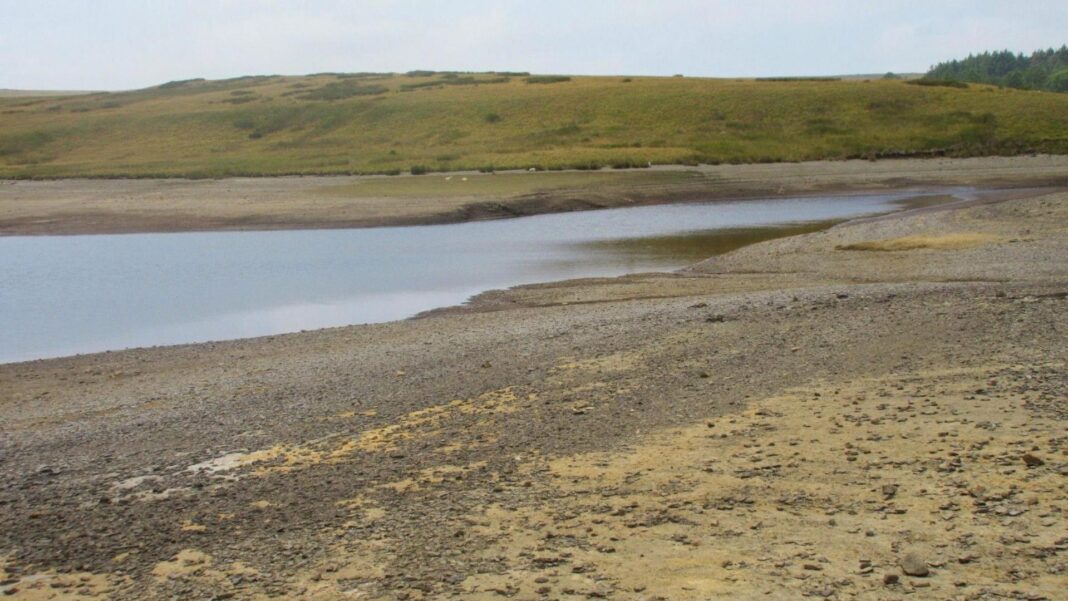
This includes drying riverbeds, fish in distress, an accumulation of algae, wildfire risk and concern from farmers about crop growth, grazing conditions and water availability for livestock.
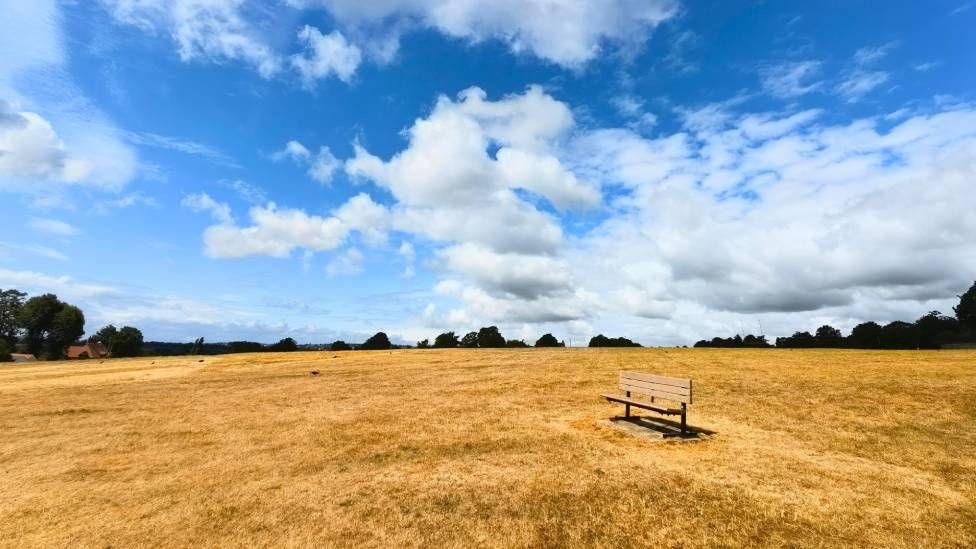 Image source, BBC Weather Watchers / Nadzena
Amid the dry weather in recent weeks, Wales has also seen a number of wildfires across the country.
A fire that broke out earlier this month in the Rhinogydd mountains in Gwynedd could be seen from space, with a firefighting helicopter deployed to tackle the blaze.
Residents were evacuated from their homes following a fire close to Conwy Mountain said they had heard the blaze, which had sounded “like popcorn”, coming down the mountain.
Rhian Thomas, from NRW, said the toll from the recent dry weather had been “clear to see”, with teams closely monitoring forecasts and river flows.
“With no strong indications for notable rainfall in the forecasts, and risks of further heatwaves over the summer, it’s more important than ever that we all use water wisely,” she said.
“Every drop we waste is less water for our rivers and wildlife when they need it the most.”
What is a drought?
A drought occurs when a prolonged lack of rainfall and high temperatures cause severe stress on the natural ecosystem.
NRW says it results in critically low river flows, diminished reservoir reserves and exceptionally low groundwater levels, negatively impacting wildlife, fisheries and protected habitats.
This type of drought typically develops before agricultural impacts (like failing crops) or public water shortages occur. Impacts include:
-
Shrunken rivers – a decrease in oxygen levels, an increase in water temperatures and a restriction in the migration of species like salmon
-
Habitat loss – reduced water levels cause riverbeds to dry up, leading to the loss of biodiversity and fish kills
-
Private water pressures – natural springs and private boreholes can run dry
When environmental drought conditions , externalare identified, NRW often transitions areas to a “prolonged dry weather” status.
This triggers enhanced monitoring of waterways, restricts water abstraction licences to protect low flows and leads to the release of additional water from reservoirs into rivers.
More top stories
-
-
Published1 day ago

-
-
-
Published1 day ago

-
-
-
Published22 hours ago
-