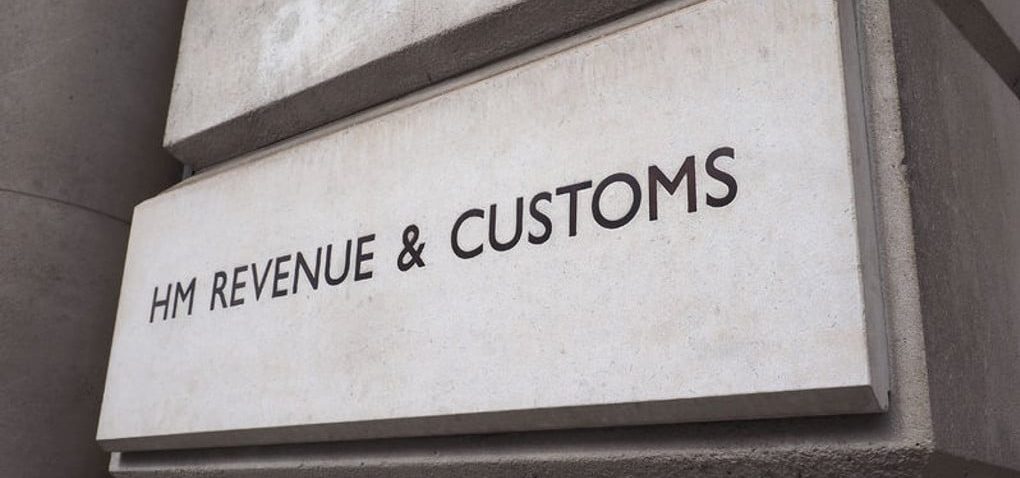

There was a 31% increase last year in the number of businesses HM Revenue & Customs (HMRC) tried to shut down for failing to pay their taxes.
The tax authority applied to close 4,761 firms due to unpaid tax debts, up from from 3,625 in 2024, according toaccountancy group UHY Hacker Young.
The increase came as the tax authority stepped up efforts to recover billions in outstanding tax liabilities. HMRC is owed £42.8 billion in tax debt arrears and has been given extra resources by the government to tackle the issue. HMRC aims to recruit another 2,400 debt management officers by 2029/30.
Awinding up petition is one of the most serious debt recovery tools available to creditors. If successful, it can force a company into liquidation, with its assets sold to repay outstanding debts
2,397 of the petitions were progressed in the last year to became winding up orders, a 27% rise from 1,886 in 2024. A winding up order means a company is forced into liquidation by the courts, with its assets sold to repay creditors.
It was reported this week that TV chef Gino D’Acampo’s restaurant group has been served with a winding up petition.
Peter Kubik, partner at UHY Hacker Young, said:
“HMRC is increasingly using winding up petitions and the threat of liquidation as a debt collection tool.
“It should serve as a warning to directors that tax debts are being taken more seriously than ever by HMRC as they try to reduce the mountain in unpaid tax.”
Businesses experiencing temporary cash flow difficulties may be able to agree a Time to Pay arrangement with HMRC to prevent their business being shut down.
Peter Kubik added:
“The key point for businesses which are struggling to meet their tax obligations is to not ignore the problem. HMRC is often willing to discuss payment options where companies engage early and are transparent about their circumstances.
“A winding up petition is usually the result of a business failing to engage with HMRC rather than an inability to pay immediately. In many cases there is still an opportunity to negotiate a payment plan before matters escalate to formal insolvency proceedings.”
“Any business that is struggling to meet its tax obligations should contact HMRC as soon as possible and seek professional advice. Acting early can significantly improve the chances of reaching an agreement and avoiding enforcement action.”