
This post was originally published on this site.
When looking for Asian stocks, I look for good businesses run by competent management teams, available at a price that leaves a margin of safety. I focus on managing absolute risk and losing little money during market downturns, which should help compound returns at higher rates over the long term.
This discipline leads the portfolio away from popular thematic investments, start-ups, highly geared companies, cyclical businesses earning peak margins and stocks on high multiples to earnings.
As a result of this approach, the Fidelity Asian Values trust is primarily invested in mispriced small and medium-sized companies – the “winners of tomorrow”, before they become well known. Here are three examples.
Sign up to Money Morning
Don’t miss the latest investment and personal finances news, market analysis, plus money-saving tips with our free twice-daily newsletter
Don’t miss the latest investment and personal finances news, market analysis, plus money-saving tips with our free twice-daily newsletter
Asian stocks to watch
Orion Corporation (Seoul: 271560) is a South Korean snacks and confectionery business that owns the well-known brand Choco Pie. It is a good-quality franchise with about a 25% market share in the domestic market as well as notable international revenues, supported by its production bases in China, India and Vietnam. Its international operations continue to grow and China makes a sizeable revenue contribution.
Latest Videos FromMoneyWeek
Choco Pie is its largest growing category, but Orion is using the recognisability of its brand to branch out into premium snacks as well as targeting a health-conscious demographic as a future driver of growth. Management has been focusing on enhancing shareholder value –it reported a 40% year-on-year rise in its dividend in 2025. The business is debt-free; the stock is valued at a 12-month forward price-earnings (p/e) ratio of nine times and offers a return on equity of more than 12%.
ManpowerGroup Greater China (Hong Kong: 2180) serves businesses that require workers for a limited time or a specific project, or those who wish to manage their own direct headcount. It also offers its clients headhunting and recruitment services, payroll outsourcing and training services. It is an asset-light business model and the company earns higher margins in its headhunting and recruitment division.
ManpowerGroup Greater China was spun off from ManpowerGroup, a world leader in its field, and therefore has the reliable operational processes of its erstwhile parent and retains a strong emphasis on risk management. Given the highly unorganised nature of the recruitment market in China, ManpowerGroup’s scale and geographical spread is advantageous.
Our research on the ground indicates that the recruitment business in China is at its lowest ebb in the business cycle. The stock trades at a 2026 forward p/e of six times, offers a dividend yield of more than 7% and about 95% of its market capitalisation is in net cash on its balance sheet.
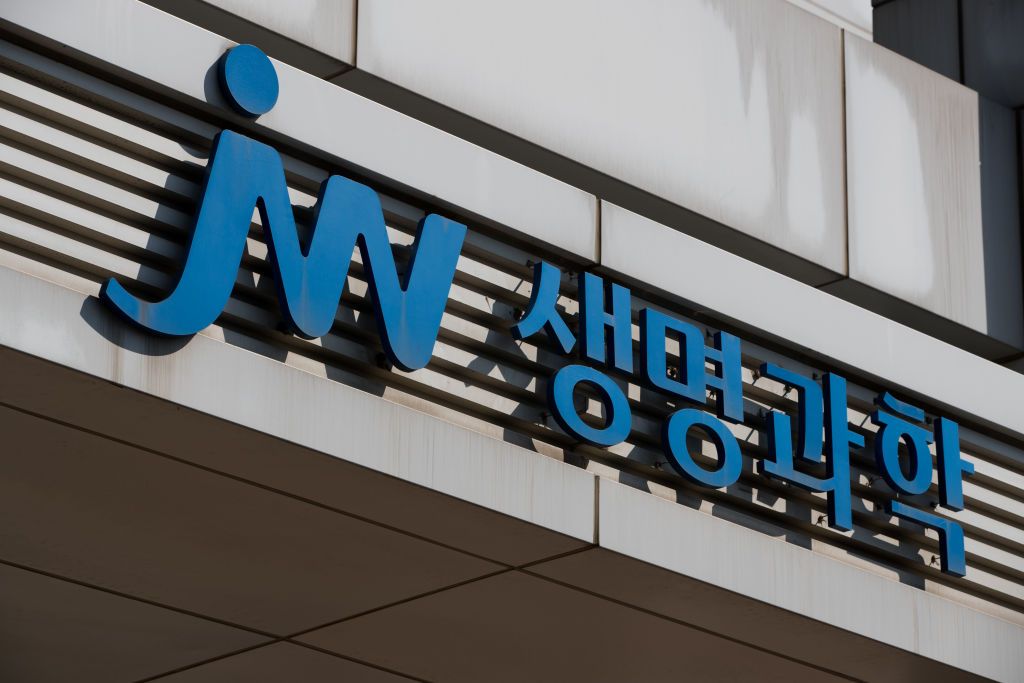
JW Life Science (Seoul: 234080) is the largest producer of intravenous (IV) fluids in South Korea, with a 45% market share. Demand for IV fluids is stable as the products are essential components in surgery, intensive care, hydration and patients’ nutrition. The company faces competition from three to four players, but there are high barriers to entry given strict quality criteria, the need for strong brands and distribution capabilities, and for high levels of capital expenditure.
An ageing demographic in South Korea is supportive of revenue growth prospects for JW Life Science. The company has robust operating cash flows and a net cash balance sheet, a sustained mid-single-digit earnings growth profile, and offers a return on equity of an about 15%. It is valued at six times 2026 earnings.
This article was first published in MoneyWeek’s magazine. Enjoy exclusive early access to news, opinion and analysis from our team of financial experts with a MoneyWeek subscription.