
This post was originally published on this site.
If you’re looking to enter the food franchise market without breaking the bank, you’ve got options. Start by evaluating franchises with low entry costs, like Chester’s Chicken or Healthier 4U Vending. Consider factors like franchise fees, support, and training. By understanding these aspects, you can make informed decisions that align with your budget and goals. Let’s explore the top seven affordable franchises that could fit your plans and help you get started.
Key Takeaways
- Chester’s Chicken offers a low franchise fee of $3,500 with total investments ranging from $28,000 to $297,000.
- Healthier 4U Vending requires a minimum cash investment of $53,000, focusing on healthy snack options.
- EggBred specializes in breakfast items, with a minimum investment starting at $80,000.
- Firehouse Subs demands around $150,000 but features lower royalty fees for greater profitability.
- Bagel Dock Express provides an affordable entry point for breakfast offerings, appealing to morning consumers.
Benefits of Low-Cost Food Franchises for New Entrepreneurs
When you’re reflecting on starting a business, low-cost food franchises can be a smart choice, especially if you have limited capital. The initial investment for these cheapest restaurant franchises typically ranges from $28,000 to $300,000, making them more accessible than many other options.
Franchises like Chester’s Chicken and Taco Bell Express offer flexible location choices, allowing you to set up shop in smaller, high-traffic areas, such as food courts.
Additionally, these affordable restaurant franchises come with established brand recognition, which helps draw in customers and can lead to quicker profitability. You also benefit from thorough training and ongoing support from franchisors, equipping you to handle challenges more effectively.
This support reduces the risk of failure, giving you a better chance of success. With the food franchise sector accounting for around 36% of total franchise establishments in the U.S., now’s a great time to evaluate the cheapest franchise to open food.
Essential Factors to Evaluate Before Investing in a Franchise
Before you invest in a franchise, you need to evaluate a few key factors.
Start by examining the financial viability, which includes understanding startup costs and ongoing fees.
Then analyze the local market demand to guarantee your franchise fits consumer needs.
Finally, look into the franchise support structure; solid training and resources can make a big difference in your success.
Financial Viability Assessment
Evaluating the financial viability of a franchise is essential, especially if you want to avoid costly pitfalls. Here are key factors to contemplate when looking for the cheapest restaurant franchise to open:
- Startup Costs: Review the Franchise Disclosure Document (FDD) for all expenses, including fees and equipment.
- Minimum Cash Investment: Some franchises start as low as $53,000, while others may exceed $300,000.
- Ongoing Fees: Understand royalty fees; for example, Firehouse Subs charges a lower rate of 6%.
Don’t forget to account for regional cost variations and plan for three months of operating capital beyond your initial investment.
Market Demand Analysis
Understanding market demand is essential for your franchise’s success. Start by evaluating local food preferences and consumption patterns. This guarantees your franchise aligns with what’s popular in your area.
Next, analyze the competitive landscape; look at existing food franchises and independent restaurants to spot saturation and identify your unique selling points.
[embedded content]
Consider demographic trends, such as age and income, as these can influence consumer behavior. Review economic conditions, including employment rates and disposable income, since these affect how much people spend on dining out.
Finally, stay updated on consumer behavior shifts, like the growing demand for healthier options or delivery services. This knowledge helps you adapt your franchise to meet current market expectations effectively.
Franchise Support Structure
When choosing a food franchise, the support structure from the franchisor plays an important role in your success. You need to carefully evaluate several key factors to guarantee you’re making a wise investment:
- Comprehensive training programs that equip you with the skills to operate effectively.
- Ongoing operational support, including marketing assistance, to boost your franchise’s performance.
- A strong communication network for sharing experiences and best practices with fellow franchisees.
Investigate the franchisor’s track record for providing timely assistance and resources, especially during those critical early stages.
Also, consider the benefits of centralized purchasing power, which can reduce your equipment and supply costs.
Top 7 Cheapest Food Franchises You Can Open Today
If you’re looking to invest in a food franchise without breaking the bank, you’ve got some great options.
Consider Chester’s Chicken, with a low franchise fee and a total investment that can fit various budgets.
With choices like Healthier 4U Vending and Bagel Dock Express, you can kickstart your entrepreneurial journey while keeping costs manageable.
Cost-Effective Franchise Options
Starting your own food franchise doesn’t have to drain your finances, especially when you consider cost-effective options available today. Here are some great choices to explore:
- Chester’s Chicken: With a low franchise fee of just $3,500, total investments range from $28,000 to $297,000.
- Healthier 4U Vending: Focus on healthier snacks with a minimum cash requirement of $53,000.
- EggBred: Immerse yourself in the breakfast market with a minimum investment of $80,000.
These franchises offer a manageable entry point and the potential for growth.
Assess your budget and interests, then reach out to these brands for more details.
With careful planning, you can successfully launch a franchise that fits your financial goals while serving your community delicious food.
Low Investment Potential
Finding a food franchise that fits your budget can be a game-changer for aspiring entrepreneurs.
Consider Chester’s Chicken, which has a low franchise fee of $3,500 and total investments starting at $27,000.
If you’re interested in healthier options, Healthier 4U Vending requires a minimum cash investment of $53,000 and offers solid training.
For a fast-casual vibe, EggBred and Bagel Dock Express both need around $80,000, focusing on unique breakfast experiences.
If you can stretch to $150,000, Firehouse Subs presents a lower royalty fee and impressive annual revenues.
Assess your budget, research each option, and evaluate what aligns with your goals.
Taking these steps can lead you toward a successful franchise opportunity.
Evaluating Franchise Support and Training
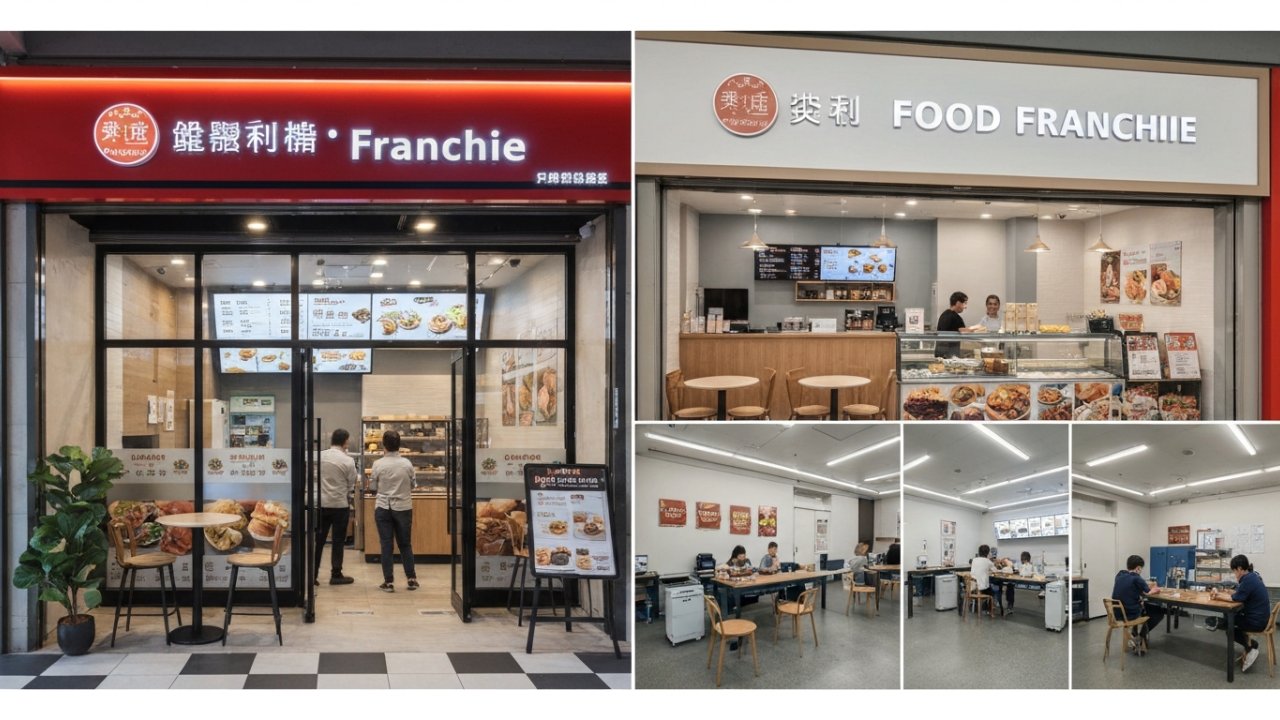
How do you evaluate the support and training offered by a food franchise? Start by examining the extensive training programs provided. These are essential for equipping you with the operational skills needed for success.
Next, consider the ongoing operational support, which often includes:
- Marketing strategies tailored to your location
- Supply chain management assistance
- Troubleshooting help for daily challenges
Also, check if the franchise offers access to a network of fellow franchisees. This can enhance your learning through knowledge sharing and best practices. A strong support system is linked to higher satisfaction and retention rates among franchisees, so don’t overlook it.
Additionally, inquire about initial setup assistance, such as site selection and construction guidance. This can greatly streamline your launch process, making your entry into the business smoother and more efficient.
Always remember, well-supported franchises tend to have better success rates.
Smart Ways to Cut Startup Costs for Your Franchise
When looking to cut startup costs for your franchise, consider several strategic approaches that can greatly ease your financial burden.
First, think about mobile or kiosk-style franchises, as they usually have lower real estate costs and less overhead. You might also explore partnerships or business loans to share the financial load, reducing your initial investment.
Focusing on service-based franchises can be another smart move, with startup costs typically ranging from $100,000 to $150,000, which is less than traditional brick-and-mortar options.
Instead of buying equipment outright, consider leasing to lower upfront expenses and maintain financial flexibility.
Finally, it’s wise to budget for higher estimates, including three months of operating capital, to guarantee you avoid financial strain during your launch.
Avoiding Common Operational Mistakes When Opening Your Franchise
While steering through the complexities of opening your franchise, it’s essential to avoid common operational mistakes that could hinder your success.
Start by thoroughly reviewing the Franchise Disclosure Document (FDD) to understand all startup costs, so you won’t face unexpected financial burdens. Make sure you’ve got at least three months of operating capital planned; undercapitalization is a common pitfall for new owners.
Consider these actions to streamline your operations:
- Stick to the franchisor’s recommended equipment and supplies to avoid extra expenses.
- Choose a location with high foot traffic for better visibility and customer acquisition.
- Implement a limited menu initially to reduce prep time, waste, and staffing costs.
Next Steps After Choosing Your Franchise: Implementation Strategies
After you’ve chosen your franchise, the next steps are all about putting your plan into action. Start by reviewing the Franchise Disclosure Document (FDD) carefully to grasp all startup costs and operational needs.
Then, develop a detailed business plan that includes your initial investment, projected revenue, marketing strategies, and at least three months of operating capital to ease financial pressure during launch.
Next, create a timeline for implementation with milestones for securing your location, completing training, and launching marketing campaigns. This keeps everything on track for a smooth opening.
Don’t forget to engage with your franchisor’s support network; their training resources can help you avoid common pitfalls.
Finally, focus on building a strong local marketing strategy that uses digital platforms and community engagement to attract customers right from day one. By following these steps, you’ll set yourself up for success.
Frequently Asked Questions
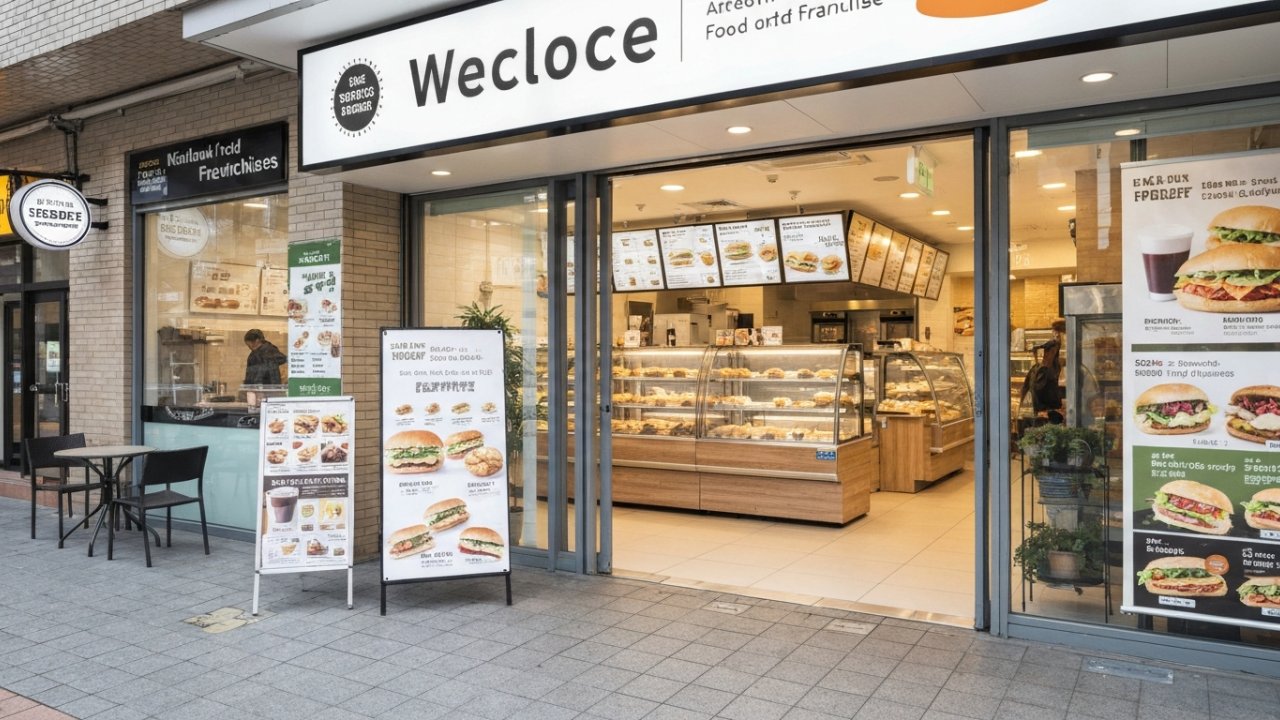
What Is the Least Expensive Franchise to Start?
The least expensive franchise to start is often Chester’s Chicken, with a low franchise fee of $3,500 and a total investment range from $28,000 to $297,000.
If you’re looking for even lower costs, consider mobile or kiosk-style food services, which cut overhead by avoiding retail spaces.
Consulting franchises, requiring $60,000 to $80,000, are also a viable option.
Research these choices, compare costs, and assess your interests to find the best fit.
[embedded content]
Can You Open a Chick-Fil-A for $10,000?
You can’t open a Chick-fil-A for just $10,000. While that amount covers the franchise fee, total investment can soar to around $2 million when you factor in real estate, construction, and equipment costs.
If you’re serious about pursuing this opportunity, be prepared to demonstrate strong business skills and commit at least 30 hours a week to manage operations.
Start by researching the application process and understanding the financial requirements thoroughly.
[embedded content]
What Is the Most Profitable Food Franchise to Own?
The most profitable food franchise to own often includes well-known brands like Firehouse Subs or Baskin Robbins.
To maximize your earnings, research their average revenues and initial costs. Look for franchises that offer strong marketing support and centralized purchasing to cut expenses.
Evaluate the growth potential in your area, and consider franchises with low royalty fees, like Chester’s Chicken, which can enhance your profit margins considerably.
Make informed decisions based on your market analysis.
What Franchise Can I Open With $10,000?
You can open a mobile food truck or a kiosk-style franchise for under $10,000.
Start by researching local regulations and finding a niche that interests you, like gourmet snacks or healthy options.
Look for existing equipment to save costs, and consider franchises like Healthy 4U Vending, which focus on health-conscious choices.
Reach out to franchise representatives for detailed requirements, and prepare a solid business plan to increase your chances of success.
Conclusion
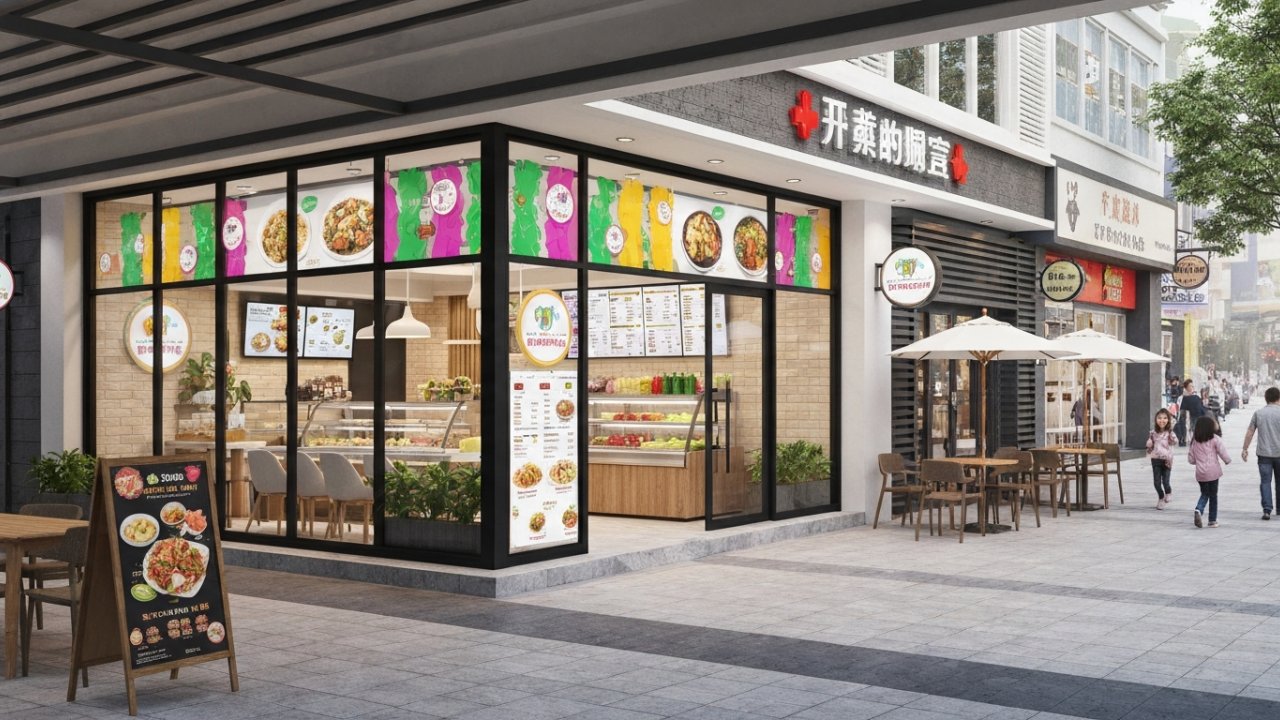
In conclusion, choosing a low-cost food franchise can be a smart step for new entrepreneurs. Focus on evaluating your options carefully, considering startup costs, training, and support. Once you select a franchise, plan your implementation strategies and avoid common pitfalls. Take action by researching your chosen brand and networking with other franchise owners. This proactive approach will help you navigate your new venture successfully and maximize your investment potential. Start today, and turn your entrepreneurial dreams into reality.
Image via Google Gemini