
This post was originally published on this site.

Few automotive companies are as dependent on breakout hits as Ford. It’s almost as though it’s baked into the company’s DNA: From the Model T and the Taurus to the F-150 and the Explorer, Ford has lurched from one success to another.
Recently, though, the automaker has been coming up empty handed. While its U.S. vehicle sales rose 6% year-over-year to 2.08 million in 2025, they’re today less than half their peak of 4.48 million in 2000. Of the new vehicles that Ford has introduced in recent years, none have become a sensation.
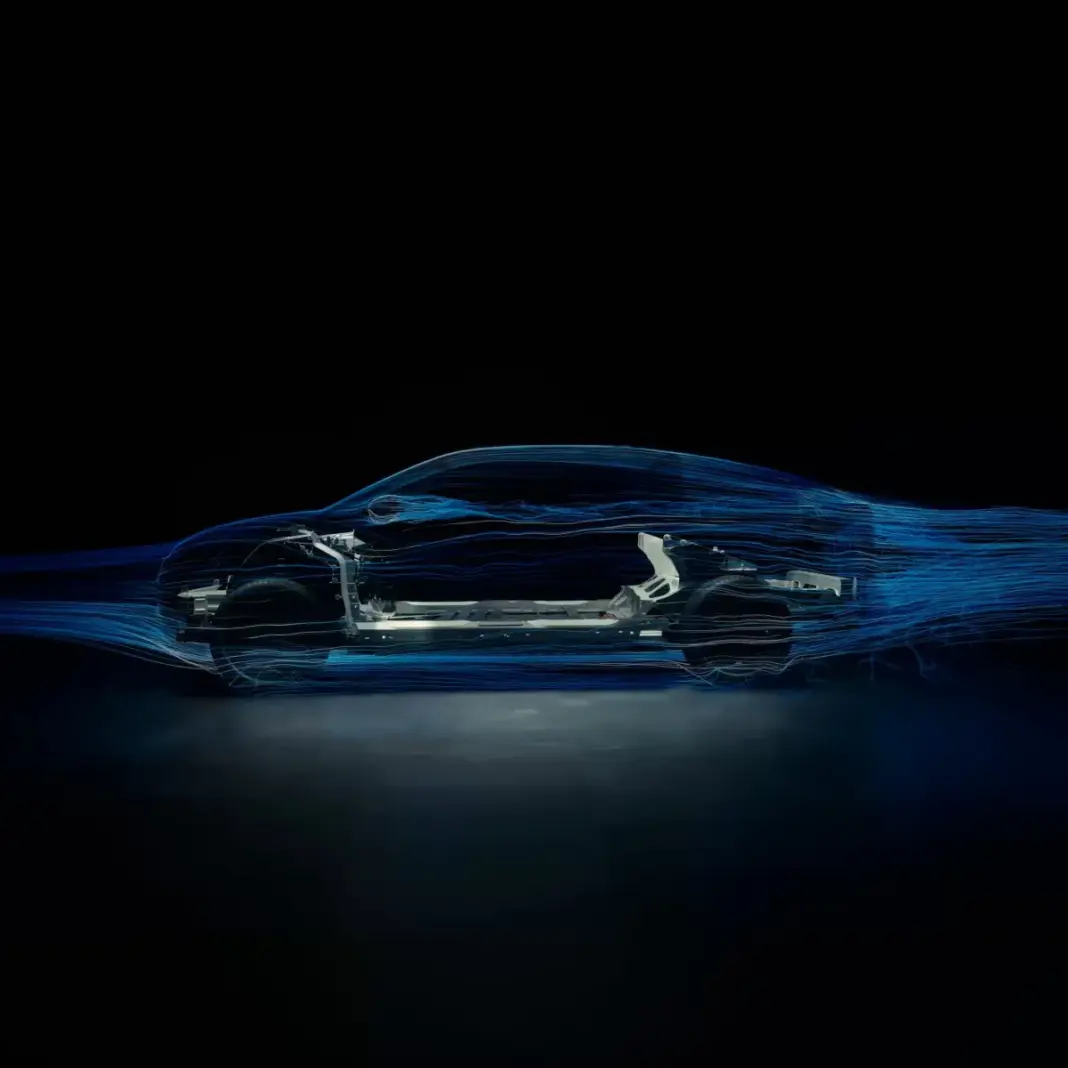
Ford CEO Jim Farley is betting its forthcoming EV pickup, Fathom, will change its fortunes, calling the introduction of the truck and its Universal EV platform a “Model T moment” for the company. Ford needs a product that can compete with Chinese EVs, which have been taking the world by storm. Yet, for reasons that are both within and beyond Ford’s control, the Fathom is unlikely to be another Taurus or Explorer, two hits that drove Ford sales in the 1990s.
Now, Fathom could be a minor success. Any way you spin it, the base model will be a good deal. On Thursday, Ford said the Fathom would start at $29,945, including the destination fee. That’s significantly below the $50,000 average for new vehicles and the $56,000 average for EVs. It’s also about $5,000 lower than the Keating Line — the average listing price of the largest price segment available at dealers.
But consumers don’t decide to buy a car based on price alone. Here’s where Ford could run into some challenges.
The Fathom will be a compact pickup truck, a form factor that the market largely ignored until Ford started selling the Maverick in 2021. The Fathom is entering an under-exploited niche, but it doesn’t appear to be one with enormous potential either. Sales of the Maverick offer a clue: they’ve been brisk, but at 155,000 last year, the small truck is not a blockbuster, either. The Taurus sold more than twice as many at its peak in 1992.
Now, the Fathom appears to have a few advantages over the Maverick. For one, passengers should enjoy a bit more interior space, according to Ford. The EV will also have a frunk, which could sway some buyers of traditional cars who have overlooked pickup trucks for lack of closed storage.
But the Fathom is still a pickup, and not everyone loves that look. The majority of the market today is dominated by SUVs, with just over 70% of prospective buyers looking for an SUV, compared with 33% for pickups, according to Cox Automotive.
Even among pickup fans, the Fathom may struggle to draw buyers. For many, trucks are a vibe. They want them to look ready to tackle the Rubicon trail, even if they never make it beyond the city limits. Every automaker is aware of this. GM, in a recent briefing I attended, made a point to mention how it is delivering the “lifted trucks” that its customers are demanding. The Fathom, from the little we’ve seen so far, doesn’t scream “rugged.”
Then there’s the EV thing. Most people who buy an EV, myself included, would never buy an internal combustion vehicle again, but a lot of people don’t love change. They’re content with gas-powered cars and trucks, and many dealers are happy to keep them in one.
The Fathom’s success won’t be dictated entirely by the whims of the market, though. Ford can spend on marketing and dealer training to overcome the EV hurdle, and may even convince people that a truck with a frunk is an ideal replacement for a sedan. And it’s almost a guarantee that Ford will introduce a ruggedized version of the Fathom.
Will that be enough to make the Fathom a breakout hit? Probably not. But maybe Ford doesn’t need it to be.
Maybe the Fathom is a test of its new production process, a toe in the water at a part of the beach that hasn’t been overrun. Compact trucks aren’t setting sales records, but the market for them is still growing. Ford can use that demand to soak up every Fathom it makes while it refines its new platform and process. Then, once it’s confident it has the kinks sorted out, it can expand it to other segments, including SUVs.
The Fathom may not be Ford’s swing for the fences. Maybe the company’s merely hoping to get on base and lay the groundwork for the next model rolling off the Universal EV platform — the one it really needs to be a home run.
When you purchase through links in our articles, we may earn a small commission. This doesn’t affect our editorial independence.