

This post was originally published on this site.
If you’re struggling to manage your time effectively, start by tracking your daily activities in 15-minute intervals. This lets you spot inefficiencies and areas for improvement. Next, prioritize tasks using Covey’s Time Management Matrix, focusing on what’s important, not just urgent. Create a structured daily routine with specific time blocks and regular breaks. These steps can greatly improve your productivity, but there’s more you can do to enhance your time management skills.
Key Takeaways
- Keep a daily time log to identify inefficiencies and peak productivity periods for better time management.
- Utilize Covey’s Time Management Matrix to prioritize tasks based on urgency and importance.
- Allocate specific time blocks for tasks and include regular breaks to enhance focus and prevent burnout.
- Delegate routine tasks to qualified individuals to free up time for high-priority responsibilities.
- Set realistic, SMART goals with clear deadlines to maintain accountability and urgency in task completion.
Assess Your Time Usage for Better Management
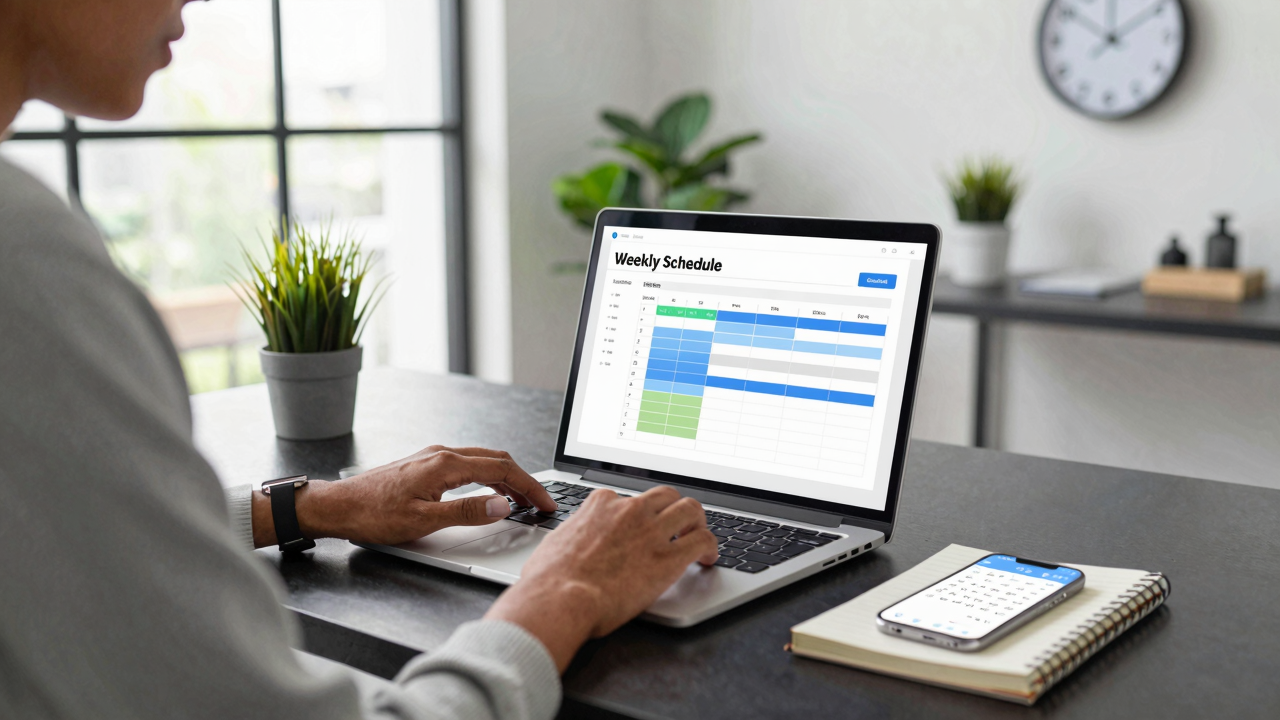
To better manage your time, start by evaluating how you currently use it. Keeping a time log, tracking your daily activities in 15-minute intervals, can help reveal how time is spent. This time audit allows you to pinpoint inefficiencies and identify tasks that consume excessive time without yielding significant results.
Regularly reviewing your time usage will uncover patterns in your productivity, enabling you to adjust your plans and focus on high-value activities.
Consider evaluating your time allocation quarterly. This way, you can identify unproductive meetings or commitments that detract from your goals.
By reflecting on your time management strategies consistently, you foster ongoing awareness and adaptation. It’s essential to grasp how to control your time and your life.
Implement these practices to enhance your time and stress management, leading to a more balanced and productive schedule.
Prioritize Tasks for Effective Time Management

After evaluating how you spend your time, the next step is to prioritize your tasks effectively. Use Covey’s Time Management Matrix to categorize your tasks into four quadrants, distinguishing between what’s important and urgent.
Focus on creating a prioritized “to-do” list that emphasizes important but not urgent tasks, helping you reduce time stressors and gain better control of your time. Regularly reassess these priorities based on changing deadlines and commitments to stay on track.
Implement a time log to pinpoint where you spend the most time, adjusting your priorities as needed. Allocate specific time blocks for high-priority tasks, treating these as unmissable appointments.
This structured approach guarantees accountability and helps you complete essential tasks efficiently. By actively managing how to prioritize tasks for effective time management, you’ll experience less stress and a greater sense of accomplishment.
Create a Structured Daily Routine

Creating a structured daily routine can greatly boost your productivity and focus. Start by allocating specific time blocks for your tasks, treating each as an important appointment. This helps you stay on track and know exactly what to expect throughout the day.
Don’t forget to include regular breaks; short pauses can improve your concentration and prevent burnout.
Plan your next day’s tasks in advance. This way, you’ll start each morning with a clear focus, making the most of your time and effectively managing your life.
Consistency is key—following your routine daily fosters good habits, enhancing your self-discipline and efficiency over time.
Consider using digital tools like calendar apps to visualize your structured routine. They can help you adjust easily and stay aligned with your goals.

Using planning tools can really boost your organization and productivity.
Whether you prefer digital apps or physical planners, these tools help you keep track of tasks and schedules effectively.
Start by setting reminders, categorizing tasks, and regularly reviewing your progress to stay aligned with your goals.
Digital Planning Apps
Digital planning apps can transform how you manage your time and tasks, especially when you find yourself juggling multiple responsibilities. By using these tools, you can enhance your productivity and stay organized.
Here are some key features to look for:
- Visual organization: Use apps like Todoist or Trello to categorize projects.
- Reminders and recurring tasks: Set these to maintain consistency in your schedule.
- Cloud access: Update your tasks from any device, anytime.
- Calendar integration: Seamlessly schedule personal and professional commitments.
- Customization options: Tailor the app to fit your unique work style.
Choosing the right digital planning app can help you take control of your time and guarantee you meet your goals effectively.
Physical Planners Benefits
While many people turn to digital tools for time management, a physical planner can be a powerful ally in staying organized. By providing a tangible space to jot down tasks, deadlines, and appointments, it promotes a clear visual understanding of your schedule.
[embedded content]
Writing tasks by hand boosts memory retention and focus, engaging your mind more effectively than typing. Make it a habit to regularly review and update your planner; this accountability helps you stay on track with your goals.
Plus, using a physical planner reduces digital distractions, allowing for focused planning time. Ultimately, this method can lead to increased productivity and lower stress, as it helps you prioritize and allocate your time more effectively.
Set Realistic Goals and Deadlines

Setting realistic goals and deadlines is essential for effective time management. When you break down larger tasks into smaller, manageable steps, it becomes easier to track your progress and stay motivated.
To enhance your goal-setting process, keep these tips in mind:
- Use the SMART criteria: Make your goals Specific, Measurable, Achievable, Relevant, and Time-bound.
- Establish clear deadlines: Assign a deadline for each task to create urgency and prioritize effectively.
- Regularly review your goals: Adjust them as needed to keep them relevant and achievable.
- Set specific milestones: Break your tasks into milestones to make your progress visible and rewarding.
- Celebrate small wins: Recognizing progress boosts motivation and reinforces your commitment.
Eliminate Workspace Distractions
To boost your productivity, it’s essential to eliminate workspace distractions that can derail your focus. Start by organizing your workspace; a clutter-free desk can enhance your productivity by up to 50%.
Next, limit digital interruptions—silence notifications and close unnecessary browser tabs to help you concentrate better. Establish clear boundaries by setting specific times for checking emails and engaging in discussions, reducing interruptions that can disrupt your workflow.
Create a distraction-free environment using noise-canceling headphones or playing instrumental music to drown out background noise. This can notably increase your focus and efficiency.
Finally, utilize time blocks for different tasks, treating them like appointments, which helps you maintain focus and resist the urge to multitask.
Schedule Breaks for Better Focus

When you schedule breaks into your workday, you’re not just giving yourself time to rest; you’re actively boosting your productivity and focus.
Research shows that short breaks every 60-90 minutes can enhance your cognitive performance and decision-making abilities. Consider implementing the Pomodoro Technique, which involves 25 minutes of focused work followed by a 5-minute break.
Here are some practical tips for effective breaks:
- Step away from your workspace to recharge.
- Use breaks to stretch or take a quick walk.
- Practice deep breathing or mindfulness exercises.
- Drink water or have a healthy snack.
- Allow your mind to wander for creativity boosts.
Learn to Say No to Unnecessary Commitments

Mastering the ability to say no can transform your approach to time management, allowing you to focus on what truly matters. By learning to decline unnecessary commitments, you prioritize tasks that align with your goals, freeing up valuable time. Research shows that overcommitting leads to burnout, with 76% of people feeling overwhelmed.
Here’s a simple guide to help you decide when to say no:
| Situation | Consider Saying Yes | Consider Saying No |
|---|---|---|
| Aligns with your goals | ✅ | |
| Causes stress | ✅ | |
| Enhances productivity | ✅ |
Delegate Tasks for Better Time Management

To manage your time better, start by identifying tasks you can delegate.
Choose team members who’ve the right skills and interest in those tasks, as this leads to better results.
Finally, monitor their progress regularly to provide feedback and keep the project on track.
Identify Delegable Tasks
Identifying delegable tasks is essential for effective time management and can greatly boost your productivity. Start by pinpointing tasks that don’t require your specific expertise. This frees you up for high-priority responsibilities.
Here are some steps to take into account:
- Use a skills inventory to match tasks with team members’ strengths.
- Delegate administrative or routine tasks, like scheduling or data entry.
- Regularly assess your team’s workload to find opportunities for delegation.
- Communicate clearly about expectations and provide necessary resources.
- Monitor progress to guarantee tasks are completed successfully and hold individuals accountable.
2. Choose Qualified Individuals
Choosing the right individuals to delegate tasks to can greatly enhance your time management and productivity. Start by evaluating your team’s skills and expertise; select those who can handle the tasks you need to delegate. This guarantees that the work gets done effectively, reducing errors and the need for rework.
By delegating to qualified individuals, you could free up 30-40% of your time, allowing you to focus on strategic initiatives. Be clear about your expectations and provide necessary resources; this fosters accountability and empowers your team.
Regular feedback can also boost collaboration and performance. Remember, effective delegation isn’t just about offloading tasks, it’s about enhancing your team’s capabilities and improving overall workflow.
3. Monitor Progress Regularly
Monitoring progress regularly isn’t just a good practice; it’s essential for effective time management and successful delegation.
By keeping an eye on how tasks are progressing, you can adjust your approach based on workload and team capabilities. Here are some practical steps to enhance your monitoring:
- Use a time log to track task completion and identify any bottlenecks.
- Set clear expectations and deadlines to boost accountability.
- Schedule regular check-ins to provide timely feedback.
- Encourage team members to share challenges they face.
- Celebrate achievements to foster motivation.
Reflect and Adjust Your Time Management Strategies

To improve your time management strategies, it’s essential to regularly reflect on how you’re spending your time and adjust your approach as needed. Conduct quarterly reviews to spot inefficiencies and guarantee your commitments align with your current goals. Keep a time log to track your activities, which will help you identify peak productivity periods and adjust your schedule accordingly.
Reevaluate your to-do lists by categorizing tasks into urgent and important. This method helps you prioritize based on real-time demands. Seek feedback from colleagues or friends about how you allocate your time; their perspectives might reveal areas for improvement. Finally, implement incremental changes, like reducing meeting lengths or cutting out unnecessary commitments, to enhance your overall effectiveness.
| Action | Frequency | Outcome |
|---|---|---|
| Conduct quarterly reviews | Every 3 months | Identify inefficiencies |
| Track time with logs | Daily | Recognize productive periods |
| Categorize tasks | Weekly | Adjust priorities effectively |
| Seek feedback | Monthly | Gain external insights on time allocation |
Frequently Asked Questions

What Is the 3-3-3 Rule for Time Management?
The 3-3-3 Rule for time management means you pick three tasks from three categories: personal, professional, and relational.
Start by identifying what you want to achieve in each area daily. For example, plan to exercise, finish a work project, and call a friend.
Set specific times for each task to maintain focus and balance. This method helps guarantee you address your needs in self-care, work, and relationships, promoting overall satisfaction and productivity.
[embedded content]
What Is the 9 8 7 Rule for Studying?
The 9-8-7 Rule for studying involves three steps: first, you study for 9 minutes, focusing entirely on the material.
Next, take an 8-minute break to recharge.
Finally, spend 7 minutes reviewing what you’ve learned to reinforce your understanding.
[embedded content]
This method keeps your sessions manageable and helps you retain information better.
What Is the 3 3 3 Rule for Your Day?
The 3-3-3 Rule helps you structure your day by identifying three tasks for the morning, three for the afternoon, and three for the evening.
Start by choosing your most important tasks and write them down. Focus on completing these tasks during their designated time segments.
This method keeps you organized and prevents overwhelm. Regularly review your tasks to adjust as priorities change, ensuring you stay on track and maintain productivity throughout your day.
How to Get Control of Your Time?
To get control of your time, start by conducting a time audit to see where your hours go.
Next, set clear priorities using tools like the Eisenhower Matrix to identify urgent versus important tasks.
Create a structured daily schedule, blocking time for each task as if they’re appointments.
Minimize distractions by silencing notifications and designating a specific workspace.
Finally, incorporate regular breaks to recharge and maintain your productivity throughout the day.
Conclusion

By tracking your time and prioritizing tasks, you can take control of your day. Stay organized with planning tools and set realistic goals. Don’t forget to schedule breaks to maintain focus and learn to say no to tasks that don’t align with your priorities. Delegate where possible to free up time for what truly matters. Regularly reflect on your strategies, making adjustments as needed, so you can continuously improve your time management skills.
Image via Google Gemini and Small Business Trends