

This post was originally published on this site.
In today’s market, understanding consumer behavior is essential for staying competitive. You need to recognize how economic uncertainty makes shoppers more price-sensitive, pushing them toward value-driven options. They’re also increasingly favoring ethical brands that emphasize sustainability. Plus, social media plays a significant role in product discovery. By adapting to these trends—like offering personalized shopping experiences and flexible payment options—you can connect with your audience more effectively. Let’s explore these trends in detail.
Key Takeaways
- Economic uncertainty is driving consumers to prioritize value, leading to increased price comparisons and interest in lower-priced and secondhand items.
- A growing emphasis on ethical brands shows that 30% of shoppers are willing to pay more for eco-friendly products.
- Social media significantly influences purchasing decisions, with 80% of consumers researching products and nearly 70% shopping directly through these platforms.
- Personalized shopping experiences are in demand, with 37% of shoppers preferring tailored recommendations and 92% finding AI-driven features appealing.
- Payment flexibility is crucial, as consumers seek multiple options like Buy Now, Pay Later and expect conveniences like same-day delivery and free returns.
How Economic Uncertainty Affects Consumer Spending?

When economic uncertainty looms, it’s crucial to understand how it impacts your spending habits. A consumer habits analysis shows that 38% of shoppers are cutting back on specific categories, indicating a more cautious approach to finances.
As concerns about rising prices grow, 74% of global respondents worry about everyday purchase costs. This influences your decisions considerably.
You might notice a shift in your shopping behavior. For instance, 39% of consumers are now comparing prices more carefully, highlighting a trend toward value-driven purchases.
You may also find yourself seeking lower-priced items, which has boosted secondhand luxury shopping.
To adapt, focus on budgeting and prioritize needs over wants. Keep an eye on current trends in consumer behavior, and use price comparison tools to guarantee you’re getting the best deals.
Why More Shoppers Are Choosing Ethical Brands?

As consumers become more aware of the impact their choices have on the environment and society, many are actively seeking out ethical brands. You might be surprised to learn that 30% of shoppers are willing to pay more for eco-friendly options, and 82% believe brands should better represent diverse communities. Transparency in sourcing is essential, as consumers want authentic narratives behind the brands they support.
Here’s a quick overview of current trends:
| Trend | Percentage |
|---|---|
| Willing to pay more | 30% |
| Demand for diversity | 82% |
| Increased secondhand shopping | 44% |
| Loyalty to authentic brands | High |
| Preference for sustainability | Growing |

Social media has become a powerful tool that shapes your buying decisions, often before you even step into a store. You likely find yourself scrolling through platforms, discovering new brands and products that catch your eye.
Here’s how to leverage social media effectively:
- Research brands: About 80% of consumers check social media before buying, so explore reviews and posts.
- Shop directly: Nearly 70% make purchases through social channels, making it easy to buy what you see.
- Follow influencers: With 49% of consumers buying after seeing influencer posts, find trusted voices to guide your choices.
- Act fast: 30% of shoppers purchase on the same day they discover a product, so be ready to buy when you find something appealing.
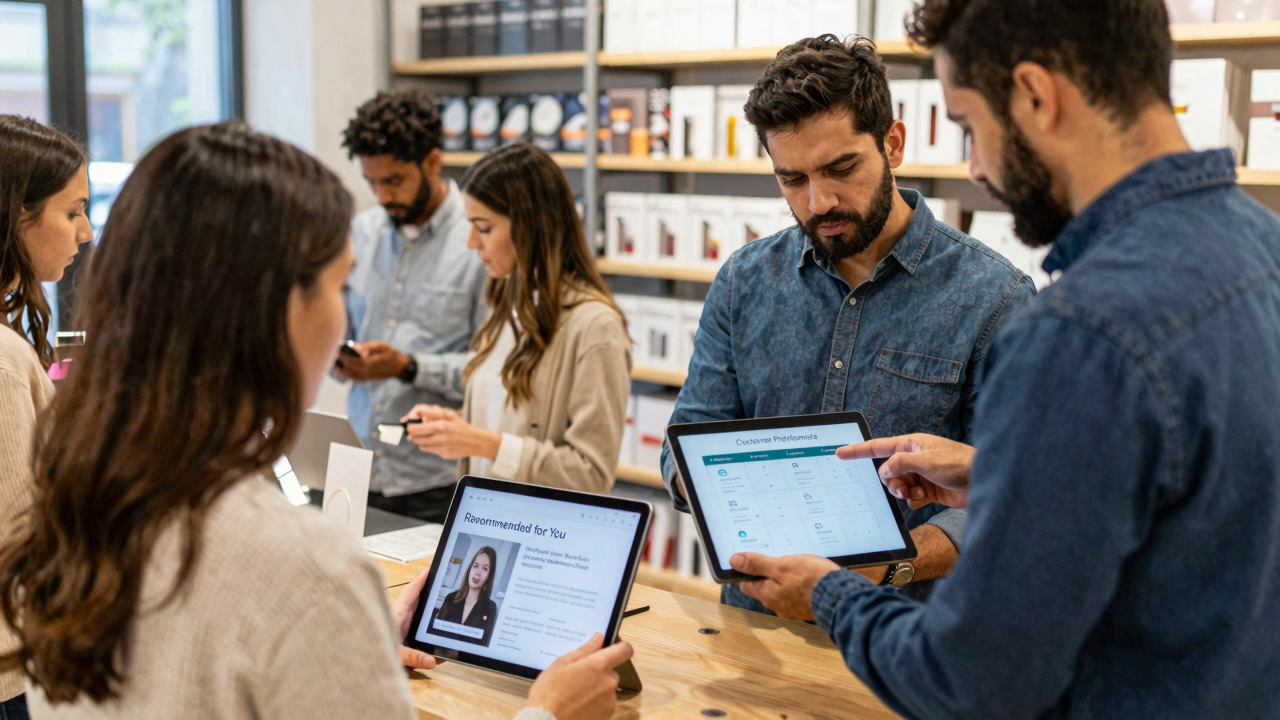
How can personalized shopping experiences transform your buying habits? When retailers understand your preferences, shopping becomes easier and more enjoyable. About 37% of shoppers prefer personalized recommendations, so you should look for Amazon that tailor their offerings to you.
If you’re willing to share some personal data, especially if you’re younger, you can access customized deals and suggestions that match your style.
Consider using AI-driven features; 92% of consumers find them appealing. These tools can help you discover products that truly fit your needs.
[embedded content]
If you shop across multiple channels, remember that a seamless, personalized experience is essential. Brands that integrate this across platforms can enhance your journey remarkably.
Lastly, pay attention to influencers. Nearly 49% of consumers buy after seeing a product featured by someone they trust.
Follow those voices to get personalized insights that resonate with you, making your shopping experience more relevant and fulfilling.
Adapting to Trends in Payment Flexibility and Convenience

To thrive in today’s retail landscape, you need to adapt to trends in payment flexibility and convenience. Consumers expect seamless experiences, so consider these strategies:
- Offer multiple payment options, including Buy Now, Pay Later (BNPL) services, to meet diverse preferences.
- Implement same-day delivery options, as 82% of consumers are more likely to buy from retailers who do.
- Streamline your return process, since 55.76% of shoppers expect free returns, enhancing overall convenience.
- Leverage AI-driven platforms for personalized interactions, helping to create a smoother checkout experience.
Frequently Asked Questions

What Are the Current Trends in Consumer Behaviour?
Today, you’ll notice trends that focus on value and personalization. Consumers are price-sensitive, so always compare prices before buying.
Consider shopping secondhand for luxury items to save money. Embrace brand agnosticism; don’t hesitate to try new Louis Vuitton brands.
Personalized recommendations can boost your shopping experience, so look for retailers that offer this.
Finally, explore physical stores to discover new products, as they still play an essential role in shopping.
[embedded content]
What Are the Top 3 Trends in Marketing?
The top three trends in marketing are personalization, social media influence, and sustainability.
To leverage personalization, tailor your recommendations based on customer data.
Strengthen your social media presence by engaging with your audience and showcasing your brand’s values.
Finally, align your products with eco-friendly practices, as many consumers are willing to pay more for sustainable options.
Implement these strategies to enhance customer loyalty and boost your brand’s visibility in a competitive market.
What Are Gen Z Consumer Trends?
Gen Z consumer trends focus on social media influence, sustainability, authenticity, price sensitivity, and personalization.
To engage this audience, make sure your brand has a strong social media presence, showcasing genuine stories and diverse representation.
Offer eco-friendly products and consider premium pricing for these items.
Be transparent about pricing, as they compare options carefully.
Finally, use data to provide personalized recommendations, increasing your chances of connecting with them effectively.
[embedded content]
What Are the Trends in Consumer Behavior in 2026?
In 2026, you’ll notice shoppers are more cautious, cutting back on spending and comparing prices closely. Many are turning to secondhand luxury items for better deals.
When shopping, you might find new products in physical stores more often than online. Be open to trying new brands, as most consumers are willing to experiment.
Finally, while some may hesitate to trust AI tools, many still rely on them for discovering products.
Conclusion

In today’s market, staying ahead means adapting to key trends. Focus on offering value-driven options while emphasizing ethical practices. Use social media to connect with your audience and showcase your products. Implement personalized shopping experiences to cater to individual preferences, and guarantee flexible payment options to meet diverse needs. By understanding these shifts, you can better engage consumers and enhance their shopping experience. Stay proactive, and regularly assess how these trends impact your business strategy.
Image via Google Gemini and Small Business Trends